


Published on: September 24, 2025 | Updated on: September 24, 2025
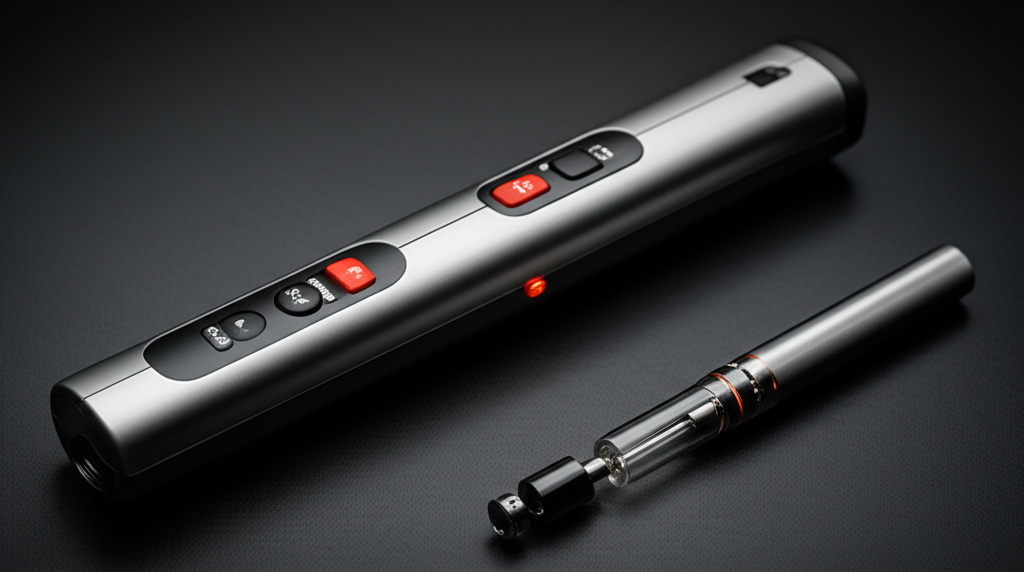
Yes, metal detector wands can detect vapes, as they contain metal components. Understanding this is crucial for security and safety, as hidden vapes pose risks in various environments.
Finding unexpected items is part of the thrill of metal detecting, but sometimes the most concerning finds aren’t buried treasures. In recent years, a new concern has emerged: the hidden presence of vaping devices. Many people wonder, “Can metal detector wands detect vapes?” The answer is a resounding yes, and this capability is becoming increasingly important for security and safety in places where vaping is prohibited. This article will guide you through why these devices can be detected, the hidden dangers they pose, and what you need to know as a detectorist or security professional.
Why Metal Detector Wands Can Detect Vapes
Metal detector wands, whether handheld or walk-through, work by sensing the metallic components within an object. Vaping devices, from simple e-cigarettes to more complex mods, are packed with small but significant metal parts. These include heating elements (coils), battery casings, circuitry, and sometimes even metal bodies. When a metal detector wand passes over a vape, these metallic elements interact with the wand’s electromagnetic field, triggering an alert. This makes them detectable, even when concealed within clothing or bags.
The core principle behind metal detection is the interaction of electromagnetic fields. When a metal detector wand emits a low-frequency electromagnetic field, it induces a current in any conductive material it encounters. This induced current, in turn, generates its own magnetic field, which is then detected by the wand, signaling the presence of metal. Because vapes contain essential metallic components like lithium-ion batteries, heating coils made of kanthal or stainless steel, and circuit boards, they are readily identified by this process.
Understanding the Components That Make Vapes Detectable
The metal components within a vape are the key to their detection. The battery is often a cylindrical lithium-ion cell, which is highly conductive and encased in metal. The heating coil, responsible for vaporizing the e-liquid, is typically made from resistance wire, a metallic alloy. Even the internal circuitry and the casing of some vape pens contain metal. These elements, though small, are sufficient to register on most metal detector wands.
Think about the common parts of a vape: the battery, the atomizer (which houses the coil), and the main body. The battery itself is a prime target for detection, as it’s a concentrated source of metal. The coil, a crucial functional element, is also made of metal wire. Even the button mechanisms and charging ports often incorporate metallic parts. This combination of metal ensures that a vape is not an invisible item to a properly functioning metal detector.
The Security Implications: Why Detection Matters
The ability to detect vapes is critical in environments where their use is restricted or banned, such as schools, airports, courthouses, and certain workplaces. Concealed vaping devices can lead to violations of rules, create secondhand aerosol exposure, and pose fire risks due to improperly handled batteries. Security personnel rely on metal detector wands to identify these prohibited items discreetly and effectively, helping to maintain safety and compliance.
In security checkpoints, the primary goal is to prevent unauthorized or dangerous items from entering a secure area. Vapes fall into this category in many contexts due to their association with prohibited substances or their potential to cause disruptions. Metal detectors provide a non-intrusive first line of defense, allowing security officers to identify potential threats quickly and efficiently before they become a problem.
Common Scenarios Where Vape Detection is Crucial
Beyond official security checkpoints, metal detector wands are used in various settings where vape detection is a growing concern. This includes private businesses implementing no-vaping policies, correctional facilities, and even at events where smoking or vaping is not permitted. The discreet nature of modern vape pens makes them easy to conceal, highlighting the necessity of reliable detection methods.
Imagine a concert venue with a strict no-vaping policy. Attendees might try to sneak vapes in. Security staff using handheld wands can quickly scan bags and individuals without extensive pat-downs, making the process faster and more comfortable for everyone while still enforcing the rules. This practical application underscores the importance of knowing that metal detector wands are effective for vape detection.
Limitations and Considerations in Detecting Vapes
While metal detector wands are effective, there are nuances. The sensitivity of the wand, the size and type of the vape, and how well it’s concealed can all affect detection. Very small or low-profile vapes might require a more sensitive wand or a slower sweep. Additionally, vapes can sometimes be hidden amongst other metallic objects, potentially masking their signal.
It’s also important to remember that metal detectors detect metal, not the vape itself. If a vape is encased in a thick, non-metallic material, or if its metal components are shielded, detection might be more challenging. However, for the vast majority of common vape devices, the metallic elements are substantial enough to be picked up by standard security wands.
What About Other Types of Metal Detectors?
The question “Can metal detector wands detect vapes?” often leads to broader curiosity about different types of metal detectors. While security wands are designed for close-proximity screening, larger ground-penetrating metal detectors used for treasure hunting or relic hunting will also detect vapes if they are buried or otherwise within their detection range. The principle remains the same: the metal components will trigger the detector.
For those of us who enjoy delving into the earth with our metal detectors, finding a vape isn’t a common treasure, but it’s certainly possible. If a vape pen is lost outdoors and eventually buried, a sensitive detector like a Minelab Equinox or Garrett AT Pro could potentially pick up its metallic signature. This highlights that the detection capability isn’t limited to just security wands.
The Hidden Dangers of Concealed Vapes
Beyond the security implications, concealed vapes present several hidden dangers. The lithium-ion batteries used in many vapes can be volatile. If damaged, short-circuited, or improperly charged, they can overheat, catch fire, or even explode. This risk is amplified when vapes are hidden in clothing, bags, or other confined spaces, potentially leading to serious injury.
One significant danger is the thermal runaway that lithium-ion batteries can undergo. When these batteries are compromised – perhaps by being crushed in a pocket or bag – they can rapidly heat up, leading to fires that are difficult to extinguish. This is a serious concern, especially in crowded public spaces where a vape malfunction could have catastrophic consequences.
Fire and Explosion Risks
The primary physical danger associated with vaping devices is the potential for battery fires and explosions. Reports of “exploding vape pens” are not uncommon and are almost always linked to battery malfunction. When a vape is concealed, the risk of accidental damage to the battery increases, making it more susceptible to failure. This is a critical reason why security personnel are vigilant about detecting them.
Consider the heat generated by a malfunctioning battery. If this occurs within a pocket or a bag, the surrounding materials can ignite. The rapid expansion of gases during a battery failure can also cause a small explosion, propelling shrapnel. This highlights the importance of responsible battery handling and the need for detection in sensitive areas.
Health Risks Associated with Hidden Vapes
While not directly related to metal detection, it’s important to acknowledge the health risks associated with vaping itself, and how concealment can exacerbate them. Vaping exposes users and bystanders to potentially harmful chemicals and particulate matter. When vapes are used discreetly in prohibited areas, the exposure to secondhand aerosol can be unintentional and go unnoticed.
The aerosols produced by vapes contain various chemicals, including heavy metals, volatile organic compounds, and ultrafine particles, which can be inhaled by both the user and those nearby. The long-term health effects are still being studied, but concerns exist regarding respiratory and cardiovascular health. Detecting vapes helps to mitigate this exposure in public spaces.
For detectorists, understanding that vapes contain metal means you might encounter them, especially in urban or recreational areas where they might have been lost or discarded. For security professionals, it reinforces the effectiveness of metal detector wands. Always ensure your equipment is functioning correctly and calibrated for the sensitivity required. When a detection occurs, a thorough but respectful secondary screening process is essential.
If you’re out metal detecting and get a signal that could be a vape, it’s usually a shallow find. Remember to dig carefully to avoid damaging the device. For security, a positive alert from a wand warrants a closer look. This might involve asking the individual to remove items from their pockets or a gentle pat-down, always conducted professionally and with respect for privacy.
FAQ: Can Metal Detector Wands Detect Vapes?
Do all metal detector wands detect vapes?

Most standard metal detector wands, especially those used for security screening, are sensitive enough to detect the metal components found in typical vaping devices.
Can a vape be hidden so well that a metal detector wand won’t find it?
While highly unlikely with standard vapes, a device heavily encased in a non-metallic material or shielded in a specific way might present a challenge. However, most common vape pens and mods will be detected.
What happens if a metal detector wand detects a vape?
If a metal detector wand alerts, it indicates the presence of metal. Security personnel will then conduct a secondary screening to identify the object. If it is a vape in a prohibited area, it will be confiscated, and further action may be taken according to local regulations.
Are there specific types of vapes that are harder to detect?
Generally, the more metal components a vape has, the easier it is to detect. Very small, disposable vapes might have fewer metallic parts, but their batteries and internal structures are usually still sufficient for detection by sensitive wands.
Can ground metal detectors detect buried vapes?
Yes, ground metal detectors used for treasure hunting can detect buried vapes if they are within the detector’s depth and sensitivity range. The metallic components of the vape will trigger the detector, similar to how it would detect coins or relics.
Is it illegal to carry a vape if a metal detector wand detects it?
This depends entirely on the location and its specific rules regarding vaping. In areas where vaping is prohibited, carrying a vape that is detected can lead to confiscation and potential penalties.
Conclusion: The Detectable Threat
In conclusion, the answer to “Can metal detector wands detect vapes?” is a definitive yes. The metallic components inherent in their design make them detectable by both handheld security wands and larger ground-penetrating detectors. This capability is vital for maintaining security and safety in numerous environments. Understanding this fact helps us appreciate the role of metal detection technology in addressing the hidden dangers posed by concealed vaping devices, from potential battery fires to health risks. As detectorists and security-conscious individuals, knowing that vapes are detectable is an essential piece of modern awareness.
