


Published on: September 27, 2025 | Updated on: October 21, 2026
Yes, you absolutely can find gold nuggets with a metal detector! This guide covers the essential factors like detector types, coils, settings, and locations crucial for successful gold prospecting. Learn how to maximize your chances of striking gold and avoid common pitfalls.
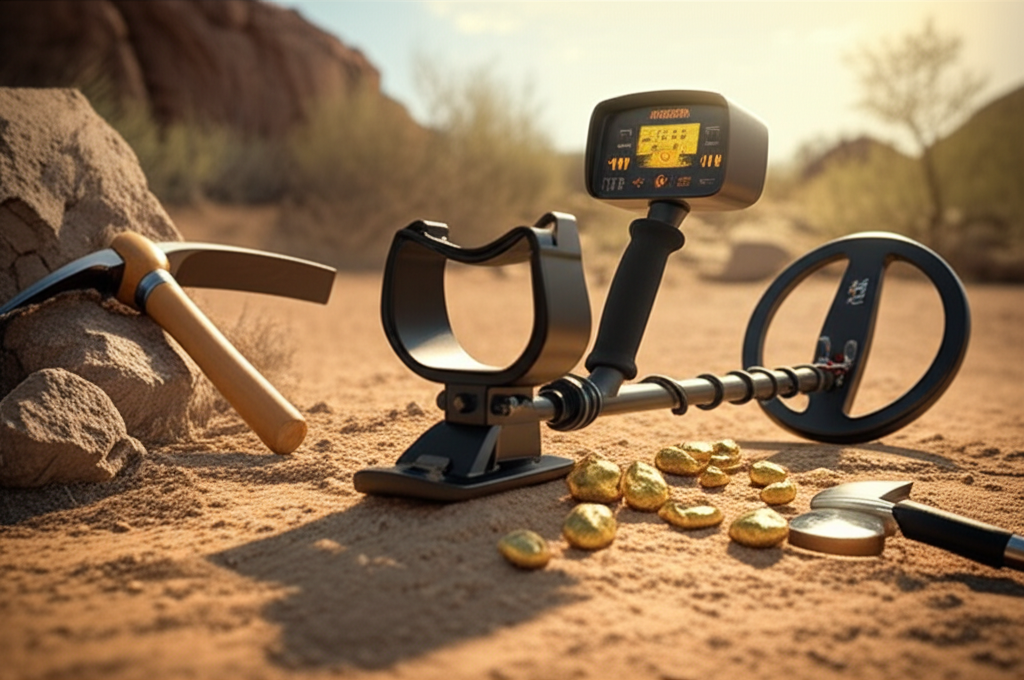
The dream of finding gold nuggets with a metal detector is a powerful one, sparking adventures for countless prospectors. Many wonder if their trusty detector, perhaps designed for coins and relics, can really sniff out those precious flakes and nuggets. It’s a fair question, especially when you see the specialized gear some gold hunters use. The good news is that with the right knowledge and equipment, finding gold with a metal detector is not only possible but can be incredibly rewarding. This guide will walk you through everything you need to know, from choosing the right detector to mastering the techniques that will put you on the path to discovering your own gold.
The Golden Truth: Can You Find Gold Nuggets With A Metal Detector?
Yes, you can absolutely find gold nuggets with a metal detector, but not all detectors are created equal for this specific task. Gold is a unique target, and finding it often requires specialized knowledge and equipment that differs from general treasure hunting. Understanding these differences is key to a successful gold prospecting trip.
Choosing the Right Metal Detector for Gold Prospecting
When it comes to finding gold nuggets, the detector itself is your most important tool. While a general-purpose detector might find a large nugget, it’s unlikely to be efficient for smaller, more common finds. Gold prospecting detectors are designed with specific features to handle the unique challenges of gold-rich environments.
VLF vs. PI Detectors: Which is Better for Gold?

The two main types of metal detectors used for gold prospecting are Very Low Frequency (VLF) and Pulse Induction (PI) detectors. Each has its strengths and weaknesses, making the choice dependent on your target area and the type of gold you’re seeking.
VLF Detectors: These are often more affordable and versatile, excelling at finding smaller gold nuggets and flakes. They generally offer better discrimination, allowing you to ignore iron trash. However, VLF detectors can struggle in highly mineralized ground, which is common in many gold-bearing areas.
PI Detectors: Pulse Induction detectors are known for their power and ability to punch through highly mineralized soil and saltwater. They are excellent for finding larger nuggets at greater depths. The trade-off is that PI detectors typically have less discrimination, meaning you’ll dig more trash.
For beginners or those prospecting in areas with less extreme mineralization, a good VLF detector might be the best starting point. If you’re venturing into seriously challenging ground, a PI detector becomes a more compelling option.
Key Features to Look for in a Gold Detector
Beyond the VLF/PI distinction, several features significantly impact a detector’s performance for gold prospecting. Prioritizing these will dramatically improve your chances of finding gold.
Operating Frequency: Gold nuggets, especially smaller ones, reflect higher frequencies better than lower ones. Look for detectors with higher operating frequencies, typically 15 kHz and above. Some specialized gold detectors operate as high as 60 kHz or more.
Ground Balance: This is arguably the most critical feature for gold prospecting. Gold-bearing soils are often heavily mineralized, which can cause false signals. A good ground balance feature (manual or automatic) allows the detector to ignore these ground signals, letting you hear the faint signals of gold.
Sensitivity: Higher sensitivity allows the detector to pick up smaller targets and fainter signals. This is crucial for finding tiny gold flakes or nuggets that might otherwise go unnoticed.
Discrimination: While some gold hunters turn off discrimination to maximize sensitivity, it can be useful for filtering out obvious iron targets. However, be cautious, as some gold can register as “trash” if discrimination is set too high.
The Crucial Role of the Coil in Gold Detecting
The coil is your detector’s “ear,” and its size and type can make a world of difference in your gold prospecting success. Choosing the right coil for your detector and target environment is as important as the detector itself.
Coil Size Matters: Small vs. Large Coils
The size of the coil affects its sensitivity, depth, and ability to pinpoint targets.
Small Coils (5-8 inches): These are excellent for tight spaces, areas with lots of rocks, and for pinpointing small gold nuggets. They offer higher sensitivity to small targets and are less prone to picking up ground noise in highly mineralized areas. Their downside is reduced depth penetration.
Large Coils (10+ inches): These provide greater depth penetration and cover more ground faster, making them ideal for searching larger, open areas. However, they are less sensitive to very small targets and can be more susceptible to ground mineralization.
For general gold prospecting, a medium-sized coil (around 10-11 inches) often provides a good balance. However, having a smaller coil for chasing faint signals or working in difficult terrain is a wise investment for serious gold hunters.
Mono vs. DD Coils for Gold
Coil construction also plays a role. The two primary types are Monoloop (Mono) and Double-D (DD).
Monoloop Coils: These typically offer greater depth and sensitivity to small targets, making them a favorite among many gold prospectors. They can be more susceptible to ground mineralization than DD coils.
DD Coils: These are generally better at handling ground mineralization and offer good target separation. They may have slightly less depth and sensitivity to tiny targets compared to mono coils.
Many experienced gold prospectors prefer mono coils for their raw performance in finding gold, especially in less challenging ground. If you are prospecting in areas with extreme mineralization, a DD coil might offer a more stable experience.
Essential Metal Detector Settings for Gold Prospecting
Once you have the right detector and coil, mastering the settings is your next step to unlocking gold. Incorrect settings can lead to missed targets or a frustrating day of digging junk.
Ground Balance: The Unsung Hero
As mentioned, ground balance is paramount. It tunes your detector to ignore the background “noise” created by minerals in the soil.
Manual Ground Balance: This involves a process where you pump the coil over the ground while adjusting a control until the signal is neutral. It allows for precise tuning to the specific ground conditions.
Automatic Ground Balance: Many modern detectors offer an automatic ground balance feature that performs this adjustment quickly with the press of a button. While convenient, manual tuning can sometimes achieve a more optimized balance.
Regularly re-balancing your detector, especially when moving to a new area or encountering changes in soil, is crucial for maintaining optimal performance.
Sensitivity and Gain Settings
Sensitivity controls how deeply and how finely your detector can pick up signals. Gain is often a related setting that amplifies the signal.
Maximize Sensitivity (Carefully): You want your sensitivity as high as possible to detect faint gold signals. However, setting it too high will cause instability, chatter, and false signals, making it impossible to discern real targets.
Listen for Stability: The goal is to find the highest sensitivity level where your detector remains stable and quiet, only chirping or beeping on actual targets. This might require some patient tuning.
Discrimination: Friend or Foe?
Discrimination allows you to set your detector to ignore certain types of metal, like iron.
Lower Discrimination for Gold: Gold has a unique conductivity signature. When prospecting for gold, it’s generally recommended to keep discrimination very low or even turn it off entirely. This is because some gold targets can fall into the range of unwanted metals, and you don’t want to miss them.
Iron Masking: Be aware of “iron masking,” where a large iron object can mask the signal of a nearby gold nugget. In such cases, you might need to use a different coil or technique to find the gold.
Advanced Techniques for Finding Gold Nuggets
Beyond basic settings, employing specific techniques can significantly boost your gold-finding success. These methods are born from years of experience in the field.
The Art of the Sweep and Overlap
How you swing your coil matters. A consistent, methodical sweep ensures you cover the ground effectively.
Slow and Steady: Swing your coil slowly and deliberately. This gives the detector ample time to register faint signals from small gold nuggets.
Overlap Your Swings: Ensure each sweep overlaps the previous one by at least half the coil’s width. This prevents leaving small gaps where a nugget could be missed.
Maintain Consistent Height: Keep the coil as close to the ground as possible without striking it. This maximizes sensitivity to shallow targets.
Pinpointing Your Target Accurately
Once your detector signals a target, accurately pinpointing its location is essential to avoid digging a massive hole.
The “X” Method: Sweep the coil over the target from different directions. The loudest signal will be directly over the target. Sweep from north-south and then east-west, marking where the signal is strongest. The intersection of these lines is your target spot.
Use a Pinpointer: A handheld pinpointer is invaluable for locating the exact target within the excavated soil plug or the hole itself. It dramatically speeds up recovery and reduces the risk of losing the nugget.
Where to Look for Gold Nuggets
Finding gold isn’t just about the detector; it’s about knowing where to swing it. Gold is found in specific geological environments, and understanding these locations is critical.
Understanding Gold’s Geological Origins
Gold is typically found in placer deposits (loose material like sand and gravel that has been eroded from its original source) or in lode deposits (veins within solid rock).
Placer Deposits: These are the most common targets for metal detectorists. Gold, being heavy, settles in areas where water flow slows down. Look for:
Riverbeds and Creeks: Especially on the inside bends, behind large rocks, and in bedrock cracks.
Confluences: Where two streams meet, as gold can drop out here.
Old Mining Areas: Historical gold mining districts are obvious places to start. Research old maps and geological surveys.
Lode Deposits: While harder to detect, some lode deposits can be surface-exposed or have nuggets scattered nearby. Look for quartz veins, especially those with iron staining.
Researching Potential Gold Spots
Don’t go in blind! Thorough research will save you time and effort.
Geological Maps: Consult geological surveys and maps that indicate areas with known gold mineralization. Websites like the USGS (United States Geological Survey) offer a wealth of information.
Historical Mining Records: Old mining claims, journals, and newspaper articles can reveal promising locations that were overlooked or left behind.
Local Detectorist Knowledge: Connecting with local metal detecting clubs or experienced prospectors can provide invaluable insights into productive areas.
Essential Gear for Gold Prospectors
Besides your metal detector, several other tools and accessories are vital for a successful and enjoyable gold prospecting outing.
Beyond the Detector: Your Gold Prospecting Toolkit
Pinpointer: As mentioned, a handheld pinpointer is non-negotiable for accurately locating small targets.
Digging Tools: A sturdy digging tool is necessary. Options include:
Shovels/Trowels: For softer ground.
Picks: For harder soil or gravel.
Pro-Swinging Tools: These are specialized, durable digging tools often made of hardened steel, designed for tough prospecting conditions.
Classifier/Sieve: A classifier is used to sift through larger amounts of dirt, concentrating potential gold-bearing material.
Collection Vials/Bags: Small, clear vials or bags to store your finds.
Water and Snacks: Gold prospecting can be physically demanding, so stay hydrated and fueled.
Gold Pan: Even with a detector, a gold pan is useful for processing material from promising spots or confirming small finds.
Safety First: What to Bring
Always prioritize safety when venturing into the outdoors.
First-Aid Kit: For minor injuries.
Navigation Tools: GPS device or map and compass, especially if you’re in remote areas.
Appropriate Clothing and Footwear: Sturdy boots and layers suitable for the weather.
Sun Protection: Hat, sunglasses, and sunscreen.
Communication Device: Fully charged phone or satellite messenger for emergencies.
Overcoming Common Challenges in Gold Prospecting
Gold prospecting, while rewarding, comes with its own set of challenges. Being prepared for these will help you persevere and ultimately succeed.
Dealing with Mineralized Ground
Highly mineralized ground is the bane of many metal detectorists, especially those using VLF machines.
Ground Balancing: Reiterate the importance of proper and frequent ground balancing.
Lower Frequency Coils: Sometimes, switching to a lower frequency coil can help in certain mineralized conditions, though it may sacrifice some sensitivity to tiny gold.
PI Detectors: As discussed, PI detectors are often the best solution for extreme mineralization.
Experiment with Settings: Small adjustments to sensitivity or discrimination might make a difference.
Identifying Gold Signals
Gold can sometimes produce faint or ambiguous signals. Learning to distinguish them from junk takes practice.
Listen for Non-Ferrous Signals: Gold is a non-ferrous metal, meaning it won’t rust. Your detector will likely give it a high-tone or specific target ID number, depending on the model.
Target Behavior: Observe how the target signal reacts when you sweep the coil from different directions. A repeatable, stable signal is more likely to be a good target.
Digging Practice: The best way to learn is by digging. Digging targets that turn out to be gold, and those that turn out to be junk, builds your experience.
Can You Find Gold Nuggets With A Metal Detector: A Recap
Yes, you can find gold nuggets with a metal detector, but success hinges on using the right equipment and techniques. Choosing a detector optimized for gold prospecting, with features like high frequency, excellent ground balance, and sensitivity, is crucial. The coil selection, settings, and your prospecting location also play vital roles.
Frequently Asked Questions About Gold Nugget Detecting
Q1: Can my general-purpose coin detector find gold nuggets?
While some general-purpose detectors might find a very large nugget, they are usually not sensitive enough or equipped with the necessary ground balancing capabilities to efficiently find the smaller, more common gold nuggets found in prospecting areas. Specialized gold detectors are far more effective.
Q2: How do I know if a target is gold or just a piece of trash?
Gold typically produces a clean, repeatable, non-ferrous signal. Many detectors will assign it a specific target ID number. However, always listen to the sound and observe how the signal reacts when swept from different directions. When in doubt, dig!
Q3: What is the best time of year to find gold nuggets?
The best time often depends on your location and weather patterns. After heavy rains, water can expose new areas or wash gold into more detectable spots. However, extreme weather can make prospecting difficult or dangerous. Spring and fall often offer pleasant conditions.
Q4: Do I need a special license to metal detect for gold?
Regulations vary significantly by location. In many public lands, you may need permits or adhere to specific rules regarding prospecting. Always research and comply with local, state, and federal regulations before you start.
Q5: How deep can a metal detector find gold nuggets?
The depth depends on several factors, including the detector’s power, the coil size, the nugget’s size and shape, and the ground mineralization. High-power PI detectors with large coils can detect nuggets at depths of a foot or more, while smaller nuggets might only be detectable a few inches down by VLF detectors.
Q6: Is gold prospecting a profitable hobby?
For most, gold prospecting is a rewarding hobby focused on the thrill of the hunt and the connection with nature. While it’s possible to find enough gold to cover your expenses or even make a small profit, it’s rarely a significant source of income for hobbyists. The value is often in the experience and the finds themselves.
Final Verdict: Your Gold Nugget Journey Awaits
The question of “can you find gold nuggets with a metal detector” is definitively answered with a resounding yes. It requires dedication, the right tools, and a willingness to learn. By selecting a detector suited for gold, understanding its settings, choosing productive locations, and employing sound prospecting techniques, you significantly increase your chances of unearthing those precious flakes and nuggets. The journey of gold prospecting is as much about the adventure and the learning process as it is about the gold itself. So, arm yourself with knowledge, head out into the field, and embrace the exciting possibility of finding your own golden treasure.
