


Published on: September 28, 2025 | Updated on: October 21, 2026
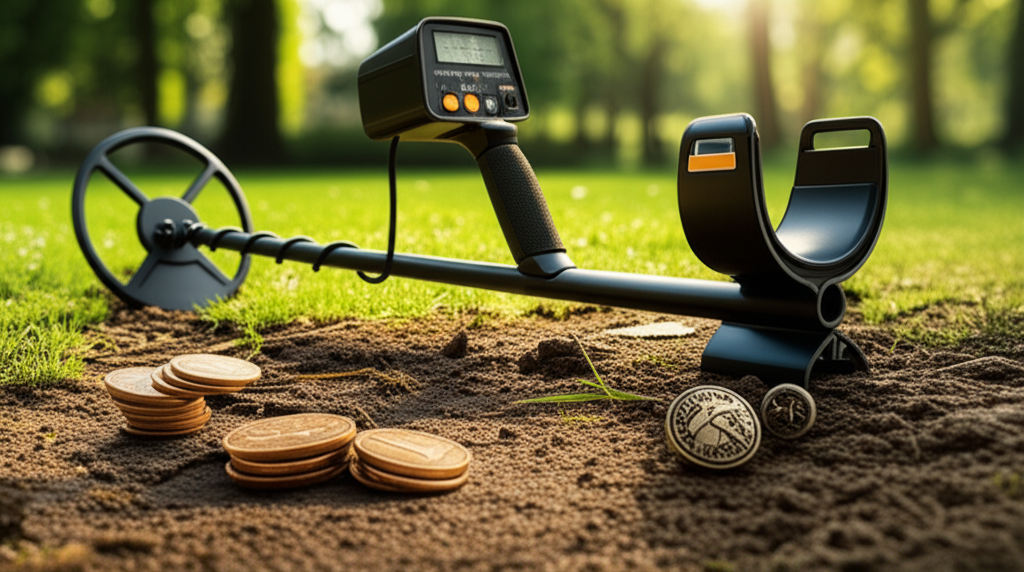
Yes, you can metal detect in city parks, but with important rules and etiquette to follow. Understanding local regulations, respecting park property, and practicing responsible detecting will ensure you can enjoy this hobby legally and ethically while uncovering hidden treasures.
Can You Metal Detect In City Parks? Essential Hidden Treasures!
Metal detecting in city parks is a question many enthusiasts ponder, often leading to confusion and uncertainty. It’s a common frustration for beginners and experienced detectorists alike, wondering if their local green spaces are open to exploration or off-limits. The good news is that with the right knowledge and approach, city parks can be incredibly rewarding hunting grounds. This guide will walk you through everything you need to know to detect in city parks legally, ethically, and successfully, promising a journey to uncovering those essential hidden treasures.
Understanding the Legality: Are City Parks Generally Permitted?
Generally speaking, metal detecting in city parks is often permitted, but it’s rarely a blanket approval. Many municipalities have specific ordinances or policies that govern this activity. My own experience has taught me that assuming it’s okay can lead to unwanted attention or even fines. It’s always best to get this information directly from the source.
The key is to differentiate between federal, state, and local regulations. While federal lands often have stricter rules, city parks fall under the purview of local governments. This means the rules can vary significantly from one town or city to the next.
Researching Local Ordinances: Your First Crucial Step

Before you even think about swinging your coil, your absolute first step must be researching your local city park ordinances. This involves a bit of digging, but it’s vital for a smooth detecting experience. I always start by checking the official website of the city or town that manages the park.
Look for sections related to park rules, regulations, or permitted activities. If you can’t find clear information online, don’t hesitate to call the Parks and Recreation Department directly. They can provide definitive answers and any necessary permits.
State and National Park Differences
It’s important to note that the rules for city parks differ significantly from those for state and national parks. National Parks, for instance, generally prohibit metal detecting entirely to preserve historical and archaeological resources. State parks may have their own specific rules, often requiring permits and restricting detecting to certain areas. Understanding these distinctions is crucial to avoid legal trouble.
Common Park Regulations You’ll Encounter
When you dig into local park regulations, you’ll find a pattern of common rules designed to protect the park environment and its users. These are generally reasonable and aim to ensure that metal detecting doesn’t negatively impact the park. Adhering to these will keep you in good standing with park authorities and fellow park-goers.
The “No Digging” Rule and Its Implications
A very common regulation you’ll encounter is the prohibition of digging or disturbing the soil in any significant way. This means you can’t just grab a shovel and start excavating. Instead, you’ll need to use specialized tools and techniques that minimize ground disturbance.
This rule is in place to prevent damage to landscaping, tree roots, and potential historical artifacts. It also ensures that the park remains aesthetically pleasing for everyone. You’ll learn about the proper digging methods that comply with these restrictions.
Designated Detecting Areas
Some cities may designate specific areas within parks where metal detecting is allowed, while others might be off-limits. These designated zones are often older sections of the park, picnic areas, or sports fields where items are frequently lost. Conversely, sensitive ecological areas, historical sites, or active playgrounds are almost always prohibited.
Permit Requirements: Do You Need One?
In many locations, you might need a permit to metal detect in city parks. These permits are usually free and can be obtained from the local Parks and Recreation Department. They often come with a set of rules and guidelines that you must follow.
A permit shows that you are a responsible detectorist who has acknowledged and agreed to abide by the park’s regulations. It’s a simple step that can save you a lot of hassle and demonstrates your commitment to the hobby.
Ethical Detecting: The Detectorist’s Code
Beyond the written rules, there’s an unspoken code of ethics that every responsible metal detectorist adheres to. This code is paramount when detecting in public spaces like city parks, ensuring the hobby remains respected and accessible. My own detecting philosophy is built on these principles, and they’ve always served me well.
Leave No Trace: The Golden Rule
The most important principle is “Leave No Trace.” This means that when you dig a target, you must fill the hole completely and neatly, leaving the area exactly as you found it, if not better. Any trash you find should be collected and disposed of properly.
This practice is crucial for maintaining good relations with park management and the public. It prevents the perception of detectorists as vandals and ensures future access to these valuable hunting grounds.
Respecting Property and People
Always be respectful of park property and other park users. Avoid detecting in areas where people are actively engaged in activities like picnicking or playing sports. Be mindful of your equipment and avoid creating hazards for others.
If asked by park officials or law enforcement about what you’re doing, be polite, explain your hobby, and show them your permit if you have one. A friendly demeanor goes a long way.
Handling Found Items Responsibly
What you do with your finds is also part of the ethical code. While most common finds like coins and jewelry are yours to keep, anything that appears to be of historical or archaeological significance should be reported to the relevant authorities. This is especially true in areas known for historical activity.
Essential Gear for City Park Detecting
Successfully and ethically metal detecting in city parks requires more than just a detector. The right tools will help you locate targets, recover them with minimal impact, and ensure you’re prepared for a variety of finds. I’ve refined my gear over years of detecting, and these are the items I consider essential.
Your Metal Detector: Choosing Wisely
For city parks, a versatile detector is ideal. Look for models that offer good sensitivity to small targets like coins and jewelry, are relatively lightweight for comfortable swinging, and have adjustable discrimination to filter out common trash like iron. Many entry-level to mid-range detectors from reputable brands like Garrett, Minelab, and Nokta Makro perform exceptionally well in these environments.
The Indispensable Pinpointer
A good pinpointer is non-negotiable for city park detecting. These small, handheld devices help you pinpoint the exact location of your target within the plug of soil you’ve removed. This significantly reduces the size of the hole you need to dig and speeds up recovery, minimizing ground disturbance.
Proper Digging Tools: Minimizing Impact
Forget the large shovels; they’re not suitable for park detecting. Instead, opt for specialized digging tools designed for minimal impact. A small hand trowel with a serrated edge is excellent for cutting neat plugs of turf, while a robust digging tool with a footrest can help you get purchase in harder soil.
Other Helpful Accessories
Don’t forget a sturdy pouch or bag to hold your finds and any trash you collect. A kneeling pad can make longer detecting sessions more comfortable. And always carry a water bottle and snacks, especially during warmer months.
Where to Hunt: Prime City Park Locations
City parks are often rich hunting grounds because they are high-traffic areas where people have been losing items for decades, if not centuries. Identifying the most promising spots requires a bit of observation and educated guesswork. I’ve found some of my best targets in seemingly ordinary places.
Old Picnic Areas and Benches
These are classic spots for a reason. People sit, eat, and relax, and dropped coins, rings, and earrings are common. Look for areas around older, established picnic tables and benches, especially those that show signs of wear.
Sports Fields and Playgrounds
Fields where children play and sports are organized are prime locations for lost jewelry, coins, and even small toys. However, be extra cautious and respectful around playgrounds, as these areas are often heavily used and may have specific restrictions. Always check local rules for playground areas.
Walking Paths and Trails
The edges of walking paths and trails are excellent places to find dropped items. People often reach into their pockets while walking, or items can fall out of bags. Focus on areas where paths curve or intersect, as these are natural gathering points.
Around Old Trees and Structures
Older parks may have historic trees or structures that have been gathering spots for generations. Detecting around the base of large, old trees or near park gazebos and pavilions can yield surprising results, especially for older coins and relics.
Common Finds in City Parks
The types of treasures you can unearth in city parks are as varied as the people who visit them. While you might dream of gold nuggets, the reality of park detecting often involves more common, yet still exciting, finds. Each discovery tells a story.
Modern and Old Coins
Coins are by far the most common find. You’ll likely recover a lot of modern pocket change, but with patience and in older parks, you can find older, more valuable coins. The thrill of pulling a coin dated decades or even a century ago from the ground is always a highlight.
Lost Jewelry
Rings, earrings, bracelets, and necklaces are frequently lost by park visitors. These can range from inexpensive costume jewelry to valuable gold and silver pieces. The emotional value of returning a lost piece of jewelry to its owner can be incredibly rewarding.
Relics and Historical Artifacts
Depending on the age and history of the park, you might uncover genuine historical relics. These could include old buttons, buckles, tools, or even pieces of pottery. These finds connect you directly to the past and are often of great historical interest.
Miscellaneous Small Items
Beyond coins and jewelry, you’ll find all sorts of small personal items. Think keychains, cuff links, hairpins, and even small toys. While not always valuable in monetary terms, they can be fascinating glimpses into everyday life from different eras.
Overcoming Challenges: Trash vs. Treasure
One of the biggest challenges in metal detecting, especially in busy public areas like city parks, is distinguishing between trash and treasure. Modern parks can be littered with pull tabs, bottle caps, and foil, which can give a detectorist a lot of false signals. Learning to discriminate effectively is key.
Understanding Target IDs
Most modern metal detectors provide a Target ID number, which is an estimate of the conductivity and/or ferrous properties of a buried object. Learning what these numbers typically represent for different targets (e.g., iron, foil, pull tabs, coins) is crucial. This takes practice and field experience.
The Art of Discrimination
Discrimination allows you to set your detector to ignore certain types of targets. However, overuse or incorrect settings can lead you to miss good targets. For instance, some valuable rings might register in the same range as pull tabs.
My approach is to start with minimal discrimination and learn to identify targets by their sound and Target ID. I’ll often dig targets that sound questionable, especially in areas I know are less trashy, to train my ear and refine my understanding.
The Importance of Gridding and Careful Digging
When you get a good signal, the technique you use to recover the target is vital. Instead of digging a large hole, use a trowel to cut a neat, three-sided plug. Gently lift the plug and use your pinpointer to locate the target within the soil.
Once the target is found and recovered, carefully place the soil plug back, ensuring it sits snugly. Then, meticulously refill the hole, tamping down the soil to leave no visible trace. This careful recovery process minimizes your impact and makes it harder for others to notice where you’ve been detecting.
Advanced Tips for City Park Detecting
Once you’ve mastered the basics of legality and ethics, you can start employing some advanced strategies to maximize your success in city parks. These tips come from years of experience and observing what works best. They’re about being smart and efficient with your detecting time.
Using Different Search Coils
If your detector allows for interchangeable coils, consider using a smaller coil for busy, trashy areas. Smaller coils offer better target separation, meaning they can distinguish between closely spaced targets more effectively. This is invaluable for picking out good signals amidst junk.
Ground Balancing for Optimal Performance
Ensure your metal detector is properly ground balanced. This process tunes your detector to the specific mineral content of the soil, reducing false signals from ground mineralization and enhancing its sensitivity to targets. Most detectors have an automatic or manual ground balancing procedure.
Detecting During Off-Peak Hours
To avoid crowds and have more freedom to detect, try visiting parks during off-peak hours. Early mornings on weekdays are often ideal. This allows you to focus on your detecting without distractions and minimizes the chances of disturbing other park users.
Researching Park History
For truly exceptional finds, delve into the history of the park. Old maps, historical society records, or even local newspaper archives can reveal where old buildings, roads, or event sites once stood within the park’s current boundaries. This historical context can point you towards areas with a higher probability of yielding older and more significant finds.
Frequently Asked Questions (FAQ)
Q1: Can I metal detect in any city park?
A1: Not necessarily. While many city parks allow it, you must always check local ordinances and park rules first. Some parks have outright bans, while others require permits or restrict detecting to certain areas.
Q2: What are the most common things people lose in city parks?
A2: The most common finds are modern coins and jewelry like rings and earrings. Older coins, historical buttons, and other small personal items are also frequently discovered.
Q3: Do I need a permit to metal detect in city parks?
A3: In many cities, yes, a permit is required. These are usually obtainable for free from the local Parks and Recreation Department and often come with a set of rules to follow.
Q4: What is the best time to metal detect in a city park?
A4: Early mornings on weekdays are generally the best times. This is when parks are least crowded, allowing you to detect without disturbing others and giving you more freedom to explore.
Q5: What should I do if I find something that looks like an artifact?
A5: If you find something that appears to be of historical or archaeological significance, it’s best to leave it in situ if possible and report it to the local historical society or museum. Do not attempt to remove it yourself, as it could be protected.
Q6: Is it okay to dig large holes in city parks?
A6: Absolutely not. Most city parks have strict rules against significant ground disturbance. You must use proper techniques to cut neat plugs and refill all holes completely and carefully.
Conclusion: Enjoying the Thrill of Discovery Responsibly
So, can you metal detect in city parks? The answer is a resounding yes, provided you do your homework and act responsibly. By understanding and respecting local regulations, adhering to ethical detecting practices, and equipping yourself with the right gear, city parks become fantastic hunting grounds for hidden treasures. My journey with metal detecting has been filled with countless hours of enjoyment and discovery, and many of those rewarding moments have happened right in my local city parks. Remember to always prioritize leaving the park as you found it, or even better, and the rewards – both tangible and intangible – will follow. Happy hunting!
