


Published on: October 6, 2025 | Updated on: October 6, 2025
Unlock hidden treasures with CST Berger metal detectors. This guide reveals essential, proven secrets for maximizing your finds, understanding your device, and navigating the world of metal detecting like a pro.
Finding the right metal detector can feel overwhelming, especially when you’re just starting out. Many beginners get bogged down in technical jargon and confusing features, leading to frustration and fewer exciting discoveries. I’ve been there, sifting through countless hours of searching with different machines. This guide is designed to cut through the noise, focusing on what truly matters to help you make the most of your metal detecting adventures with a CST Berger metal detector.
Why CST Berger Metal Detectors Stand Out in the Field
CST Berger metal detectors offer a compelling blend of user-friendliness and effective performance, making them a solid choice for both newcomers and seasoned detectorists looking for reliable equipment. Their design often prioritizes intuitive operation, ensuring that you can get out and start detecting without a steep learning curve. This focus on accessibility doesn’t mean sacrificing capability; these detectors are engineered to locate a variety of targets, from common coins to more elusive relics.
Understanding the Core Technology Behind Your CST Berger Metal Detector
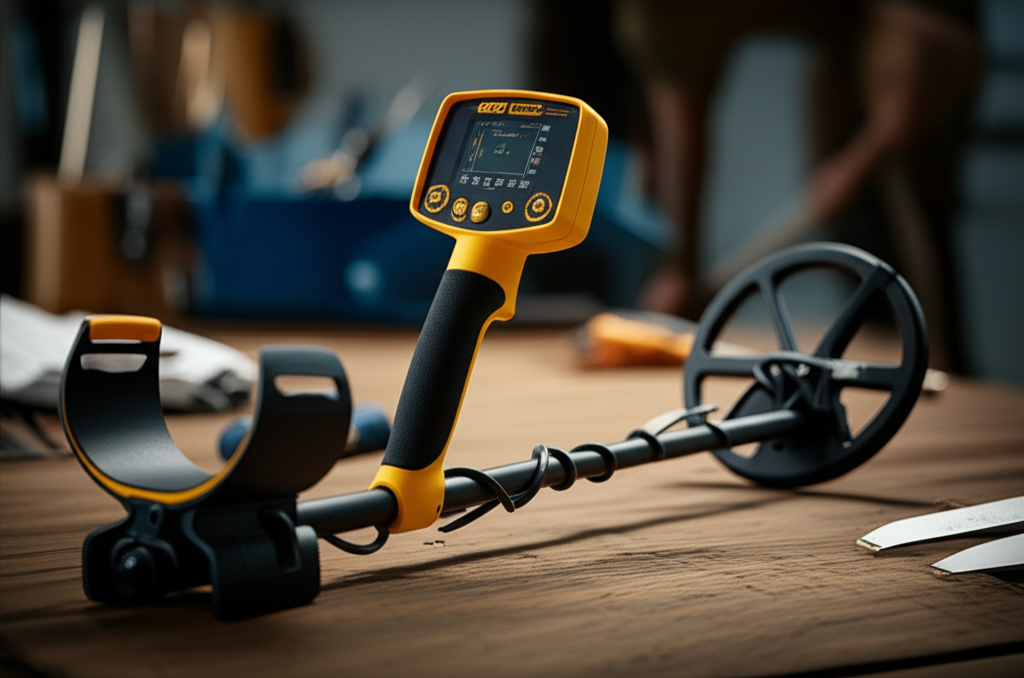
At its heart, your CST Berger metal detector operates on the principle of electromagnetic induction. A coil at the base of the detector emits an electromagnetic field into the ground. When this field encounters a metallic object, it causes a reaction that the detector’s circuitry interprets and signals to you, usually through an audible tone or a visual display. Different frequencies and discrimination settings allow the detector to differentiate between various types of metals, helping you target desirable finds and ignore junk.
How Different Frequencies Impact Your Search

The frequency at which a metal detector operates significantly influences its performance. Lower frequencies are generally better at detecting larger, deeper targets, and they tend to perform well in mineralized soil. Conversely, higher frequencies are more sensitive to smaller targets, like thin gold chains or tiny relics, and they excel at distinguishing between targets that are close together. Understanding your CST Berger metal detector’s frequency range is key to optimizing it for specific types of searching.
The Role of Discrimination in Targeting Finds
Discrimination is a feature that allows your metal detector to ignore certain types of metal, often those associated with common trash like iron nails or pull tabs. While useful for reducing unwanted signals, excessive discrimination can sometimes cause you to miss valuable targets that happen to register in the rejected range. Learning the specific discrimination patterns of your CST Berger metal detector is crucial for striking the right balance between filtering junk and finding good items.
Essential Accessories to Enhance Your CST Berger Metal Detector Experience
While your CST Berger metal detector is the star of the show, a few key accessories can dramatically improve your detecting sessions. These aren’t just optional extras; they are tools that will help you find more, dig smarter, and protect your gear. Investing in the right accessories is part of the proven secrets to successful metal detecting.
The Indispensable Pinpointer: Your Digging Companion
Once you’ve detected a target, a pinpointer is your best friend for locating it quickly within the dug plug of soil. This small, handheld device vibrates and beeps with increasing intensity as it gets closer to the metal object. Without a pinpointer, you’d be sifting through dirt for ages, increasing your digging time and potentially damaging your find. A good pinpointer saves time and significantly reduces the frustration of searching for small targets.
Choosing the Right Digging Tools for Different Terrains
The type of ground you’re detecting will dictate the best digging tools. For soft, loamy soil, a sturdy digging trowel or a specialized digging tool with a serrated edge works wonders. In tougher, clay-heavy soil, you might need a more robust digging spade with a reinforced tip. For beach detecting or areas with a lot of sand, a sand scoop is invaluable. Always consider the environment and choose tools that allow for clean plugs and minimal disturbance.
Headphones: Hearing Every Whisper of a Target
Detecting without headphones is like trying to hear a whisper in a crowded room. Headphones block out ambient noise, allowing you to hear the faint signals from deeper or smaller targets that you might otherwise miss. They also prevent your detector’s signals from disturbing others, making for a more considerate and enjoyable detecting experience. Many modern detectors come with wireless headphone options, adding convenience to your setup.
Mastering Your CST Berger Metal Detector: Settings and Techniques
Getting the most out of any metal detector, including your CST Berger model, involves understanding its settings and employing effective search techniques. It’s not just about swinging the coil; it’s about how you swing it, what settings you use, and how you interpret the signals. These are the secrets that separate casual searchers from successful treasure hunters.
Ground Balancing: Conquering Mineralized Soil
Mineralized soil, common in many areas, can cause false signals and mask good targets. Ground balancing is a process that tunes your detector to ignore the natural mineralization in the soil, allowing it to focus on man-made targets. Most CST Berger metal detectors feature some form of ground balancing, either automatic or manual. Learning to perform this correctly is vital for consistent performance, especially in challenging environments.
Understanding Target ID Numbers and Tones
Your CST Berger metal detector likely provides target identification (ID) numbers and distinct audio tones to help you differentiate between metals. These numbers typically correspond to conductivity and ferrous properties of the target. While not foolproof, learning the common ID ranges for coins, jewelry, and relics in your area can significantly improve your decision-making process. Always dig a few targets in different ID ranges to build your understanding.
The Sweep Technique: Depth and Coverage
The way you swing your metal detector’s coil is critical for maximizing depth and ensuring thorough coverage. Use slow, steady swings that overlap each other by about half the coil’s width. Keep the coil as parallel to the ground as possible throughout the swing, maintaining a consistent height. This methodical approach ensures that you don’t miss any spots and that the detector is operating at its optimal depth.
Common Finds and What Your CST Berger Detector Can Uncover
With the right approach, your CST Berger metal detector can lead you to a wide variety of exciting finds. From historical artifacts to everyday lost items, the potential for discovery is vast. Understanding what you might find and how your detector helps locate it is part of the thrill.
Coins: From Modern Change to Historical Currency
Coins are among the most common finds for metal detectorists. Your CST Berger metal detector is well-equipped to locate modern pocket change, older currency, and even historical coinage. Different coin materials and ages will produce varying signals, and with practice, you’ll learn to identify them. Detecting in parks, old house sites, and schoolyards often yields a good selection of coins.
Jewelry: Lost Treasures of All Kinds
Lost rings, necklaces, bracelets, and earrings are another exciting category of finds. These items, often made of gold, silver, or platinum, produce strong signals. Your CST Berger metal detector’s sensitivity settings will play a role in how well it picks up these often smaller, but highly valuable, targets. Beaches and swimming areas are particularly good locations for finding lost jewelry.
Relics and Artifacts: A Glimpse into the Past
For many detectorists, the allure of history is the main draw. Relics, such as old buttons, buckles, tools, and military items, offer a tangible connection to the past. These finds often require careful detection and recovery to preserve their historical integrity. Exploring old homesteads, battlefields, and historical sites with your CST Berger metal detector can yield fascinating artifacts.
Advanced Strategies for Maximizing Your Finds with CST Berger
Once you’ve mastered the basics, there are advanced strategies that can further refine your metal detecting skills and lead to even more impressive discoveries with your CST Berger metal detector. These techniques require patience, research, and a deeper understanding of your equipment and the terrain.
Researching Potential Hunting Locations
The most successful detectorists don’t just wander aimlessly; they research. Old maps, historical societies, local libraries, and online archives can reveal sites of past human activity. Look for areas where people lived, worked, or gathered: old parks, fairgrounds, abandoned farmsteads, and forgotten trails. Knowing the history of a location is your greatest asset.
Understanding Soil Conditions and Their Impact
Different soil types affect how your metal detector performs. Highly mineralized soil, like red clay or volcanic soil, can require different settings than sandy beach soil. Understanding the mineral content and moisture level of the soil will help you adjust your ground balance and sensitivity settings for optimal performance. For instance, wet salt sand on a beach can be tricky and may require a detector that handles it well.
Patience and Persistence: The Unsung Heroes
Perhaps the most crucial “secret” is patience and persistence. You won’t find treasure every outing. There will be days filled with junk targets and frustrating signals. However, by sticking with it, learning from each hunt, and refining your techniques, you increase your chances of those truly memorable finds. Your CST Berger metal detector is a tool, but your dedication is what truly unlocks its potential.
Maintaining Your CST Berger Metal Detector for Longevity
Just like any tool, proper maintenance will ensure your CST Berger metal detector performs reliably for years to come. A little care goes a long way in preventing issues and keeping your equipment in top condition for every expedition.
Cleaning Your Detector After Each Use
After a day of detecting, especially in wet or muddy conditions, it’s essential to clean your metal detector. Use a damp cloth to wipe down the control box, shaft, and coil. Avoid harsh chemicals that could damage the plastic or electronics. Pay special attention to the coil, ensuring no dirt or debris remains that could affect its performance.
Protecting Your Coil from Damage
The coil is the most crucial part of your metal detector and also the most vulnerable. Avoid banging it against rocks or hard surfaces. Consider using a coil cover, especially if you’re detecting in rocky or abrasive terrain. This simple accessory can significantly extend the life of your coil.
Storing Your Detector Properly
When not in use, store your CST Berger metal detector in a dry, temperature-controlled environment. Avoid leaving it in direct sunlight or extreme heat for extended periods, as this can damage the battery and electronics. A protective bag or case is ideal for storage and transport.
Troubleshooting Common Issues with Your CST Berger Metal Detector
Even the best equipment can sometimes present challenges. Knowing how to troubleshoot common issues with your CST Berger metal detector can save you time and prevent a frustrating day in the field from becoming a lost cause.
False Signals and How to Address Them
False signals, or chatter, can be caused by several factors: highly mineralized ground, electromagnetic interference (EMI) from power lines or other detectors, or even a weak battery. Try adjusting your sensitivity, performing ground balance, or changing your location to escape EMI. If the problem persists, check your coil connections and battery level.
Difficulty Identifying Target Signals
If you’re struggling to get clear signals or differentiate between targets, revisit your discrimination settings and audio tone options. Ensure your sweep speed is consistent and that you are overlapping your sweeps correctly. Sometimes, a target might be very deep or very small, requiring a slower sweep or a different coil.
Battery Life and Performance
A weak or dying battery can lead to erratic behavior and reduced performance. Always ensure your batteries are fully charged or replaced before heading out. If you notice a significant drop in performance or unusual signals, a fresh set of batteries is often the quickest fix.
Frequently Asked Questions About CST Berger Metal Detectors
Here are some common questions beginner detectorists have about using CST Berger metal detectors.
Q1: Is a CST Berger metal detector good for beginners?
A1: Yes, CST Berger metal detectors are often designed with user-friendliness in mind, making them an excellent choice for those new to the hobby. They typically offer intuitive controls and clear target identification.
Q2: What is the best setting for finding coins with my CST Berger detector?
A2: For coins, you’ll generally want a moderate discrimination setting to filter out some iron trash but avoid rejecting foil or tabs that can sometimes be valuable items. Experimenting with the different tone modes will help you distinguish coin signals.
Q3: Can I use my CST Berger metal detector in saltwater?
A3: Some CST Berger models are designed for use in both fresh and saltwater environments, but it’s crucial to check your specific model’s specifications. Saltwater can be challenging due to its conductivity, so a detector designed for beach hunting will perform best.
Q4: How deep can a CST Berger metal detector find targets?
A4: The depth capability depends on the specific model, the coil size, the target’s size and conductivity, and the ground mineralization. Generally, larger coils and lower frequencies can detect deeper targets.
Q5: What should I do if my CST Berger detector keeps giving false signals?
A5: Try reducing the sensitivity setting, performing a fresh ground balance, or moving away from potential sources of electromagnetic interference like power lines. Ensure your batteries are strong.
Q6: Do I need a pinpointer with my CST Berger metal detector?
A6: While not strictly mandatory, a pinpointer is highly recommended. It drastically speeds up the process of locating a target once you’ve dug a plug of soil, saving you time and frustration.
Conclusion: Your Journey with the CST Berger Metal Detector Begins Now
Your CST Berger metal detector is more than just a piece of equipment; it’s your key to unlocking a world of discovery, history, and outdoor adventure. By understanding its core technology, mastering its settings, utilizing essential accessories, and employing proven techniques, you are well on your way to becoming a proficient detectorist. Remember that research, patience, and a commitment to learning are the ultimate secrets to maximizing your finds. Embrace the journey, enjoy the thrill of the hunt, and let your CST Berger metal detector guide you to treasures both common and extraordinary. Happy detecting!
