


Published on: October 7, 2025 | Updated on: October 7, 2025
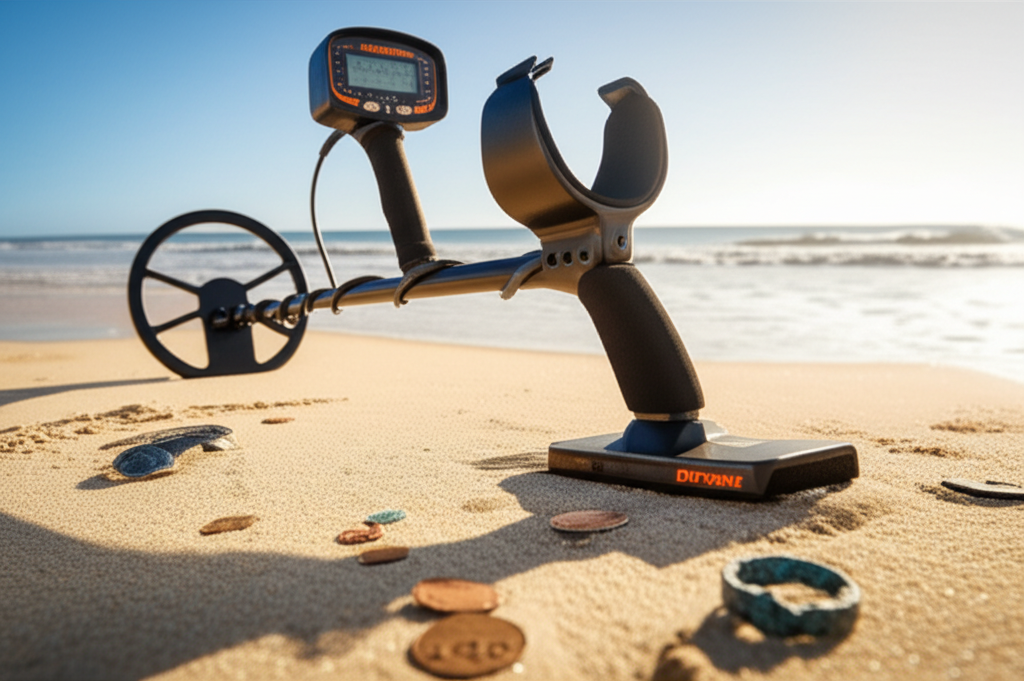
The Daytona Metal Detector is your key to uncovering hidden treasures, from lost coins to historical relics, making every outing an exciting adventure. This guide reveals how this detector can lead you to remarkable finds.
Metal detecting opens up a world of discovery, turning ordinary parks and fields into potential treasure troves. Yet, choosing the right equipment can feel overwhelming, especially with so many options available. Many beginners struggle to find anything significant, leading to frustration and giving up too soon. I understand that feeling all too well. This guide will equip you with the knowledge to make the most of your metal detecting journeys, focusing on how a reliable detector like the Daytona can help you unearth those essential hidden treasures.
Why the Daytona Metal Detector Stands Out for Treasure Hunters
The Daytona Metal Detector offers a compelling blend of user-friendliness and performance, making it a strong contender for both novice and experienced detectorists. Its intuitive design means you can get out detecting quickly without a steep learning curve. This focus on accessibility doesn’t mean sacrificing depth or sensitivity, allowing it to locate a wide range of targets. When you’re looking for a detector that’s ready to find treasures right out of the box, the Daytona is definitely worth a close look.
Unearthing Your First Daytona Finds: A Beginner’s Roadmap
Getting started with your Daytona Metal Detector is straightforward, designed to get you finding targets quickly. The key is understanding its basic functions and practicing in known areas. Start in your backyard or a local park where you can easily verify your finds and learn how the detector responds to different types of metal. Consistent practice with your Daytona will build confidence and hone your skills for more challenging hunts.
Setting Up Your Daytona Detector for Success

Proper setup is crucial for maximizing the performance of your Daytona Metal Detector. Ensure the control box is securely attached and the coil cable is wound neatly to avoid interference. Adjust the shaft length for a comfortable swing, and familiarize yourself with the primary control settings. A well-configured detector will provide clearer signals and more accurate depth readings, paving the way for better finds.
Understanding Your Daytona’s Target Tones and Display
The Daytona Metal Detector uses distinct audio tones and a visual display to help you identify what you’ve found before you dig. Learn to associate each tone with different metal types, such as iron, foil, or valuable targets like coins and jewelry. The target ID number on the display provides an additional layer of information, helping you prioritize your digging efforts. Mastering these indicators is a significant step towards efficient treasure hunting.
Essential Accessories to Enhance Your Daytona Metal Detector Experience
While the Daytona Metal Detector is capable on its own, a few key accessories can significantly improve your detecting and recovery success. These tools are not just helpful; they can make the difference between a successful hunt and a frustrating one. Investing in the right accessories ensures you can properly locate, extract, and identify your finds with ease.
The Indispensable Pinpointer: Locating Targets with Precision
A quality pinpointer is perhaps the most crucial accessory for any detectorist using a Daytona Metal Detector. Once your main detector signals a target, a pinpointer helps you pinpoint its exact location within the plug of soil, drastically reducing digging time and disturbance. This small but mighty tool saves time and helps you recover targets cleanly, which is essential for preserving historical sites.
Digging Tools: From Shovels to Trowels
Choosing the right digging tools is vital for recovering your finds without damaging them or the environment. For general detecting with the Daytona, a sturdy digging trowel or a small shovel is usually sufficient. For more sensitive areas or historical sites, consider a specialized digging tool designed for minimal impact. Always practice responsible digging techniques to ensure you leave no trace.
Headphones: Hearing Every Whisper of a Target
Using headphones with your Daytona Metal Detector can dramatically improve your ability to hear faint signals. They block out ambient noise, allowing you to discern subtle target tones that might otherwise be missed. This enhanced audio perception can lead to finding deeper or smaller targets that you would have overlooked with the speaker alone.
Common Hidden Treasures You Can Find with the Daytona Metal Detector
The Daytona Metal Detector is versatile enough to find a surprising array of hidden treasures. From everyday lost items to historical artifacts, the potential for discovery is vast. Understanding what you’re likely to find can help you focus your searches and appreciate each unique discovery.
Lost Coins: Pocket Change and Numismatic Gems
Coins are among the most common finds for metal detectorists using the Daytona. You’ll likely encounter modern pocket change, but with persistence and in the right locations, you might unearth older, more valuable coins. Parks, schoolyards, and old homestead sites are prime locations for coin hunting. The Daytona’s sensitivity can often detect these metallic discs buried just beneath the surface.
Jewelry and Personal Adornments: Rings, Bracelets, and More
Lost jewelry represents some of the most exciting finds for many users of the Daytona Metal Detector. Rings, earrings, bracelets, and pendants can be found in areas where people have gathered or lost items over time. Beaches, parks, and even old fairgrounds are excellent places to search for these valuable personal treasures. The Daytona’s ability to detect different metal types increases your chances of recovering precious metals.
Relics and Historical Artifacts: Echoes of the Past
For those interested in history, the Daytona Metal Detector can be a gateway to uncovering relics. Old buttons, buckles, tools, and even fragments of pottery can tell fascinating stories about the people who lived in an area long ago. Researching historical sites and using your Daytona responsibly can lead to significant historical discoveries. Always be aware of local regulations regarding artifact recovery.
Where to Hunt: Prime Locations for Daytona Detectorists
The success of your Daytona Metal Detector hinges significantly on where you choose to search. Different environments hold different types of treasures, and understanding these locations is key to maximizing your finds. Always ensure you have permission to detect on private property and are aware of any public land restrictions.
Public Parks and Recreational Areas
Public parks are often overlooked but can be treasure troves, especially older ones. People lose coins, jewelry, and small items regularly while picnicking, playing, or walking. Your Daytona Metal Detector can effectively sweep these open areas and identify targets buried just below the surface. Be mindful of park rules regarding digging.
Beaches: The Ever-Shifting Treasure Ground
Beaches are dynamic environments where the tide constantly uncovers and buries items. The Daytona Metal Detector can find lost jewelry, coins, and other trinkets dropped by beachgoers. Searching near piers, popular swimming areas, and along the waterline can yield exciting results. Remember to rinse your detector thoroughly after beach hunting.
Old Homesteads and Historical Sites
Searching around old homesteads, abandoned farmhouses, and historical sites offers the potential for finding older coins and relics. These locations are rich with the history of past inhabitants. Use your Daytona Metal Detector carefully in these areas, and always respect the historical significance of any artifacts you uncover. Researching local history can guide you to promising spots.
Optimizing Your Daytona Metal Detector Settings for Different Targets
Adjusting the settings on your Daytona Metal Detector is key to filtering out unwanted trash and focusing on potential treasures. These adjustments allow you to tailor the detector’s performance to the specific environment and type of targets you’re seeking. Experimenting with these settings will improve your efficiency and the quality of your finds.
Discrimination: Avoiding Unwanted Trash
Discrimination is a vital setting on the Daytona Metal Detector that allows you to ignore certain types of metal, primarily iron and foil. By carefully adjusting the discrimination level, you can reduce the number of non-valuable targets you dig, saving you time and effort. However, excessive discrimination can sometimes cause you to miss valuable targets that register similarly to trash.
Sensitivity: Pushing for Deeper and Smaller Targets
The sensitivity setting controls how much the Daytona Metal Detector amplifies signals. Increasing sensitivity can help you detect deeper targets or very small items. However, high sensitivity can also make the detector more prone to false signals from ground mineralization or electromagnetic interference. Finding the right balance is crucial for optimal performance.
Ground Balance: Adapting to Soil Conditions
Ground balance is an important feature that helps your Daytona Metal Detector ignore the natural mineralization in the soil. Different soils have varying mineral content, which can interfere with target signals. Automatic or manual ground balancing helps the detector “tune out” the ground, allowing it to focus solely on metallic targets.
Advanced Techniques for Unlocking Your Daytona’s Full Potential
Once you’ve mastered the basics, there are advanced techniques that can elevate your metal detecting game with the Daytona. These methods involve strategic searching, understanding target behavior, and refining your recovery process. Applying these techniques will help you find treasures that others might miss.
The Art of the Sweep: Consistent and Overlapping Passes
How you swing your Daytona Metal Detector coil is critical. Aim for slow, consistent sweeps with a deliberate overlap of each pass. This ensures you cover the ground thoroughly and don’t miss any targets. Maintain a consistent height above the ground for uniform detection depth.
Interpreting Target Signals: Beyond the Beep
Learning to interpret the nuances of your Daytona’s target signals is an advanced skill. Listen for changes in tone, volume, and pitch as you sweep over a target. Sometimes, a faint, choppy signal can indicate a deeper or irregularly shaped object. Advanced users learn to distinguish between different types of signals.
Responsible Digging and Site Preservation
Ethical metal detecting is paramount. Always fill your holes completely, leaving the site as you found it, or even better. When using your Daytona, especially in historical areas, practice minimal impact digging techniques. Educate yourself on local laws and regulations to ensure you’re detecting responsibly.
Troubleshooting Common Issues with Your Daytona Metal Detector
Even the most reliable equipment can encounter issues. Knowing how to troubleshoot common problems with your Daytona Metal Detector will save you frustration and keep you out in the field. Most issues are easily resolved with a little understanding.
False Signals and Chattering
False signals or chattering can occur due to high sensitivity settings, electromagnetic interference, or highly mineralized ground. Try lowering the sensitivity, moving away from power lines or fences, or performing a ground balance. Sometimes, a target might be a piece of junk, like a pull-tab, that sounds similar to a coin.
Difficulty Detecting Deep Targets
If you’re struggling to detect deeper targets with your Daytona Metal Detector, consider a larger or specialized coil. Ensure your sensitivity is set appropriately and that your ground balance is correctly adjusted for the soil conditions. Also, ensure you are performing slow, deliberate sweeps.
Battery Life and Power Issues
Low battery life can significantly shorten your detecting sessions. Always ensure you have fresh batteries or a fully charged rechargeable pack before heading out. If your Daytona Metal Detector seems to be powering off unexpectedly, check the battery contacts for corrosion or ensure the battery is seated correctly.
Comparing the Daytona to Other Popular Metal Detectors
While the Daytona Metal Detector offers excellent value, understanding its position within the broader market can be helpful. Different detectors excel in different areas, and knowing these distinctions can guide your choice or help you appreciate what your Daytona offers.
| Feature | Daytona Metal Detector | Competitor A (e.g., Entry-Level) | Competitor B (e.g., Mid-Range) |
| :————— | :——————— | :——————————- | :—————————– |
| Price Point | Entry to Mid | Entry | Mid |
| Ease of Use | High | Very High | Moderate to High |
| Depth Capability | Good | Moderate | Very Good |
| Target ID | Basic | Basic | Good |
| Waterproof Coil | Often | Sometimes | Usually |
This comparison highlights that the Daytona Metal Detector often strikes a balance, providing features comparable to mid-range detectors at a more accessible price point. It’s an excellent choice for those wanting robust performance without the complexity or cost of high-end models.
Maintaining Your Daytona Metal Detector for Longevity
Proper care and maintenance will ensure your Daytona Metal Detector serves you well for many years. A little effort goes a long way in keeping your equipment in top condition. Treat your detector with respect, and it will reward you with countless successful hunts.
Cleaning Your Detector After Each Use
After each detecting session, especially if you’ve been in wet or dirty conditions, clean your Daytona Metal Detector. Wipe down the control box, shaft, and coil with a damp cloth. Avoid harsh chemicals that could damage the plastic or electronics.
Storing Your Detector Properly
Store your Daytona Metal Detector in a dry, safe place, away from extreme temperatures. If possible, use the original box or a dedicated detector bag for protection. This prevents dust buildup and accidental damage.
Checking and Protecting the Coil
The coil is the most critical part of your metal detector. Inspect it regularly for cracks or damage, especially around the cable connection. Avoid banging it against hard objects. If you detect in water, ensure your coil is waterproof and that the cable connection to the control box is sealed.
Frequently Asked Questions About the Daytona Metal Detector
What is the best beginner metal detector?
Many detectors are great for beginners, but the Daytona Metal Detector is a strong contender due to its user-friendly interface and solid performance. It offers a good balance of features without being overwhelming.
How deep can the Daytona Metal Detector find targets?
The depth capability of the Daytona Metal Detector depends on the target size, ground mineralization, and coil used. Generally, it can detect coins up to 6-8 inches deep, with larger targets found even deeper.
Is the Daytona Metal Detector waterproof?
Typically, the coil on the Daytona Metal Detector is waterproof, allowing you to detect in shallow water or on wet grass. However, the control box is usually not waterproof, so avoid submerging it.
What does the target ID number mean on a Daytona Metal Detector?
The target ID number is a numerical representation of the conductivity of the detected metal. Different numbers correspond to different types of metals, helping you guess the target before digging.
Can I use the Daytona Metal Detector for gold prospecting?
While the Daytona Metal Detector can detect gold, it’s primarily designed for coin and relic hunting. For serious gold prospecting, specialized detectors with higher frequencies and better ground balancing are usually recommended.
Conclusion: Your Treasure Hunting Adventure Starts with the Daytona
The Daytona Metal Detector is a fantastic tool for anyone looking to explore the exciting world of metal detecting and uncover hidden treasures. Its ease of use, combined with capable performance, makes it an ideal companion for beginners and a reliable workhorse for more experienced detectorists. From finding lost coins and jewelry to unearthing historical relics, the Daytona is ready to help you make your own exciting discoveries. Armed with the knowledge from this guide, you’re well-equipped to maximize your finds and enjoy the thrill of the hunt. Happy detecting!
