


Published on: October 7, 2025 | Updated on: October 7, 2025
Unlock hidden treasures with a deep penetrating metal detector, the essential breakthrough for serious detectorists seeking targets missed by standard equipment. Explore deeper, find more, and elevate your detecting game.
Metal detecting can be an incredibly rewarding hobby, but there’s a common frustration that haunts many detectorists: finding targets that just seem out of reach. You sweep over an area, your detector chirps, but the signal is weak, inconsistent, or disappears entirely when you try to pinpoint it. This often means valuable coins, relics, or gold nuggets are lying just beneath the capabilities of your current machine. It’s a common hurdle, but one with a powerful solution. This guide will break down exactly what makes a deep penetrating metal detector so crucial and how it represents an essential breakthrough for anyone serious about their finds. Get ready to understand how to reach those elusive targets.
Why Deeper is Often Better for Metal Detecting
The allure of metal detecting lies in the potential for discovery, the thrill of unearthing something lost to time. Often, the most significant finds – older coins, larger relics, or substantial gold nuggets – are buried deeper than shallower targets. Standard detectors, especially entry-level models, are designed for general-purpose detecting and have limitations on their depth capabilities. This means that even with diligent searching, you might be walking right over prime targets without ever knowing they’re there. Understanding the importance of depth is the first step to truly maximizing your success in the field.
The Limitations of Standard Metal Detectors

Most general-purpose metal detectors are tuned to pick up targets within a certain range, typically a few inches to about a foot for larger items. This is perfectly adequate for modern dropped items like pocket change or jewelry. However, historical sites, old homesteads, and areas where gold has been historically found often hold artifacts that have sunk deeper into the ground over decades or even centuries. Soil mineralization, target size, and target shape all play a role, but fundamentally, a detector’s ability to “see” deeper is a significant advantage. Without this capability, you’re essentially leaving potential treasures in the ground.
What Exactly is a Deep Penetrating Metal Detector?
A deep penetrating metal detector isn’t just a marketing term; it’s a category of detectors engineered with specific technologies to achieve greater depth detection. These machines often utilize advanced circuitry, larger or specialized coils, and sophisticated discrimination features to cut through ground mineralization and noise, allowing them to pick up fainter signals from deeper targets. They are designed to overcome the limitations of standard detectors, offering a distinct advantage for serious relic hunters, gold prospectors, and coin shooters targeting older, deeper sites. This breakthrough technology allows for a more thorough and rewarding detecting experience.
Key Technologies Enabling Deeper Detection
Several technological advancements contribute to a detector’s deep penetrating ability. Pulse induction (PI) detectors, for instance, are renowned for their depth and ability to handle highly mineralized ground, making them a favorite for beach and gold prospecting. Very low frequency (VLF) detectors have also seen significant improvements, with multi-frequency capabilities allowing them to adapt to different ground conditions and target types for enhanced depth. Specialized coil designs, such as larger diameter DD coils, are also crucial for maximizing the search field and signal penetration. These innovations collectively push the boundaries of what’s detectable.
Identifying Your Needs: Are You a Deep Detectorist?
Before investing in a deep penetrating metal detector, it’s essential to assess your detecting habits and goals. Are you primarily hunting in parks for recent coin drops, or are you exploring old farmsteads, historical battlefields, or known gold-bearing areas? If your passion lies in uncovering older coins, historical relics, or prospecting for gold, then a machine with enhanced depth capabilities is not just beneficial – it’s likely essential. Understanding your typical hunting grounds and the types of targets you seek will guide you toward the right type of deep-seeking technology.
Common Detecting Scenarios Requiring Depth
Consider the types of locations you frequent. Old home sites, even those that have been plowed for years, can still hold coins and artifacts buried several inches deep. Historical parks and forgotten public spaces might conceal older currency or jewelry that has settled over time. For gold prospectors, finding small nuggets often requires reaching depths that standard detectors simply cannot achieve. Even in seemingly well-hunted areas, a deep penetrating metal detector can reveal targets that have been overlooked by others using less capable equipment.
Top Features of a Deep Penetrating Metal Detector
When looking for a detector that excels at depth, several key features stand out. High on the list is the coil size and type; larger coils generally offer greater depth, especially when paired with advanced technology. The operating frequency is also critical; lower frequencies tend to penetrate deeper for larger, conductive targets, while higher frequencies are better for smaller, less conductive items. Advanced ground balancing, adjustable sensitivity, and sophisticated target ID systems are also vital for distinguishing valuable signals from ground noise at depth.
Coil Size and Technology Matters
The coil is your detector’s “ear to the ground,” and its size and design significantly impact depth. Larger coils, such as 15-inch or larger, can cover more ground and generally achieve greater depth than smaller coils. However, they can also be heavier and more susceptible to ground mineralization. Technologies like Double-D (DD) coils are often preferred for their ability to handle mineralized soil better than concentric coils, while still offering excellent depth. Some deep penetrating detectors come with interchangeable coils, allowing you to adapt to different hunting conditions.
Frequency and Ground Balancing Explained
Operating frequency dictates how a detector interacts with targets and soil. Lower frequencies (e.g., 5-10 kHz) are ideal for detecting large, conductive targets like old, silver coins and larger relics at significant depths. Higher frequencies (e.g., 15-30 kHz and above) are better for smaller, less conductive targets such as hammered coins or fine gold jewelry, though their depth penetration for larger targets might be less. Effective ground balancing, whether automatic or manual, is crucial for filtering out the “noise” from mineralized soil, allowing the detector to focus on actual metal targets, thus enabling deeper detection.
Pulse Induction (PI) vs. Very Low Frequency (VLF) for Depth
The choice between Pulse Induction (PI) and Very Low Frequency (VLF) technology is often central to achieving maximum depth. PI detectors send out short, powerful pulses and measure the decay of the resulting magnetic field. This makes them exceptionally good at ignoring mineralization and achieving impressive depths, especially for larger targets, making them a top choice for beach hunting and serious gold prospecting. VLF detectors, on the other hand, use continuous waves and are generally better at target identification (discrimination) but can struggle in highly mineralized ground compared to PI machines. Modern multi-frequency VLF detectors, however, have closed the gap considerably.
When to Choose a PI Detector
If your primary goal is to hunt saltwater beaches, areas with extremely high iron or mineral content, or to prospect for gold nuggets, a Pulse Induction detector is often the superior choice. They are designed to cut through interference that would overwhelm a VLF detector, allowing you to achieve depths that are simply unattainable with many other technologies. While they typically offer less discrimination against iron, their sheer depth capability for non-ferrous targets is unmatched in challenging environments.
The Evolution of VLF for Deeper Finds
VLF technology has not stood still. Manufacturers have developed advanced VLF detectors that employ multiple operating frequencies simultaneously or allow users to switch between frequencies. This adaptability enables them to perform exceptionally well in a wider range of soil conditions, from highly mineralized to neutral, while still offering excellent discrimination. These modern multi-frequency VLF machines can achieve remarkable depths, often rivaling PI detectors for certain types of targets and providing a more versatile option for general deep detecting.
Recommended Deep Penetrating Metal Detector Models
Choosing the right deep penetrating metal detector can feel overwhelming with so many options available. Based on years of field testing and user feedback, certain models consistently stand out for their depth capabilities, performance, and reliability. These recommendations cover a range of budgets and target user needs, from the dedicated gold prospector to the serious relic hunter. Remember, the best detector for you depends on your specific requirements and the types of ground you’ll be working.
For the Serious Gold Prospector: Minelab GPX Series
When it comes to gold prospecting, especially for those seeking smaller, deeper nuggets, the Minelab GPX series is legendary. These detectors utilize advanced technologies like “Deep Seeking”(DSS) and “Absolute”(ZVT) for unparalleled depth and sensitivity to gold in challenging ground conditions. While they represent a significant investment, their performance in finding elusive gold is widely considered the benchmark in the industry. Their ability to overcome mineralization is a critical factor in their deep-seeking prowess.
For Relic Hunters and Deep Coin Shooting: Garrett ATX
The Garrett ATX is a robust Pulse Induction detector designed for extreme conditions and deep detection. It’s equally at home in highly mineralized soil, saltwater, and freshwater environments. Its advanced pulse technology allows it to find targets at significant depths, making it an excellent choice for relic hunters targeting old homesteads and historical sites. The ATX also offers good discrimination for a PI detector, further enhancing its appeal for diverse detecting scenarios where depth is paramount.
Versatile Deep Detection: Nokta Makro Anfibio Multi
For those seeking a versatile, multi-frequency option that offers excellent depth without the complexity of some PI machines, the Nokta Makro Anfibio Multi is a compelling choice. This detector can operate on multiple frequencies simultaneously, allowing it to adapt to various soil types and target sizes. It boasts impressive depth capabilities, waterproof construction, and user-friendly operation, making it a fantastic all-around performer for coin and relic hunting in a wide array of conditions. Its balanced approach makes it a truly deep penetrating metal detector for many scenarios.
Essential Accessories for Deep Detecting
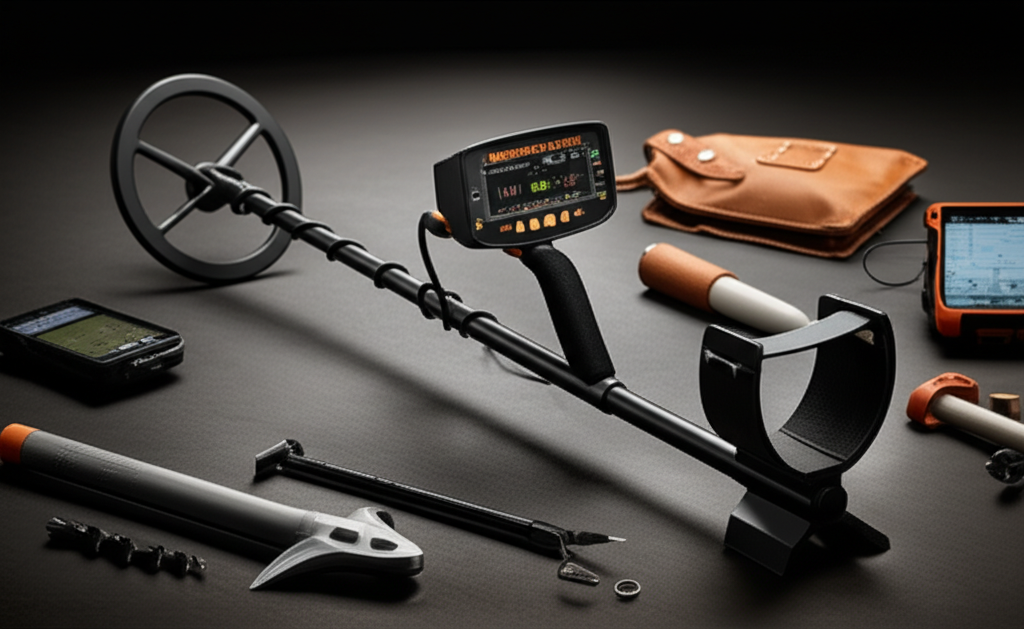
Maximizing the performance of your deep penetrating metal detector often involves pairing it with the right accessories. The coil is the most obvious, but other tools can make a significant difference in your success rate and efficiency when digging deeper targets. Having the right digging tools, a reliable pinpointer, and even a good pair of headphones can enhance your ability to locate, excavate, and recover those elusive deeper finds. Investing in quality accessories is as important as choosing the right detector.
Specialized Coils for Depth
As mentioned, coil size and type are critical. For extreme depth, larger coils (15 inches and above) are often recommended. DD coils are generally preferred for their ability to handle mineralized ground, which is common in areas where older, deeper targets are found. Some manufacturers offer specialized deep-seeking coils designed specifically to push the limits of depth detection for their respective detector models. Always check compatibility when purchasing aftermarket coils for your deep penetrating metal detector.
Pinpointers: Your Best Friend for Deep Targets
When you get a faint signal from a deep target, pinpointing its exact location in the ground can be challenging. A good quality pinpointer is absolutely essential. These small, handheld devices significantly reduce the time and effort needed to locate a target once you’ve dug a plug, minimizing disturbance to the site and preventing damage to potential artifacts. Look for pinpointers with adjustable sensitivity and good depth detection for their size. A reliable pinpointer ensures you don’t miss that deep coin or relic after all your detector’s hard work.
Digging Tools for Deeper Excavations
Excavating deeper targets requires more robust digging tools. Standard trowels might not be sufficient. Consider investing in a sturdy digging spade or a specialized relic digging tool with a long handle and a strong, sharp blade designed to cut through compacted soil. A soil sifter can also be invaluable for carefully sifting through excavated dirt, especially when dealing with small or fragile targets found at depth. Proper digging technique is also crucial to avoid damaging finds.
Techniques for Maximizing Depth Detection
Even with the best deep penetrating metal detector, proper technique is key to unlocking its full potential. This includes understanding how to set up your detector correctly, how to interpret faint signals, and how to approach different types of ground. Mastering these techniques will allow you to consistently achieve greater depths and identify more targets than you would with a more casual approach. It’s about working smarter, not just harder, in the field.
Setting Up Your Detector for Depth
When seeking deeper targets, you’ll often need to adjust your detector’s settings. Increasing sensitivity can help pick up fainter signals, but it also increases the risk of false signals from ground mineralization or electromagnetic interference (EMI). Ground balancing is paramount; ensure it’s set correctly for the specific soil conditions you are hunting in. Experiment with different tones and volume levels to better discern subtle target responses. Sometimes, turning off certain discrimination features can also reveal deeper targets that might otherwise be masked.
Interpreting Faint Signals
Deep targets often produce weaker, more ambiguous signals. Learning to recognize these faint chirps or inconsistent responses is a skill that develops with practice. Don’t dismiss a weak signal too quickly, especially in areas known for older or deeper artifacts. Try sweeping the coil slowly and from different angles to see if the signal strengthens or becomes more consistent. Sometimes, a faint target will sound on the edge of the coil’s sweep, indicating it’s at the very limit of the detector’s depth capability.
Working with Ground Mineralization
Ground mineralization is the enemy of deep detection. Iron oxides and salts in the soil can create signals that mimic metal targets or mask real ones. A deep penetrating metal detector, especially a PI or a multi-frequency VLF, is designed to cope with this. Proper ground balancing is your primary tool. If you’re using a VLF, experiment with different frequencies that might perform better in the specific soil. In extreme cases, a PI detector might be the only option to effectively search mineralized areas.
Common Pitfalls to Avoid When Hunting Deep
While a deep penetrating metal detector opens up new possibilities, there are still common mistakes that can hinder your success. One of the biggest is simply not trusting your machine or giving up too easily on faint signals. Another is using the wrong settings for the conditions, which can lead to missing targets or being overwhelmed by noise. Proper digging technique is also vital to avoid damaging finds or losing them during excavation. Being aware of these pitfalls can save you time and frustration.
Over-Reliance on Discrimination
While discrimination is useful for avoiding junk, relying on it too heavily can cause you to miss valuable deeper targets. Many older coins and relics, especially those with significant corrosion, might register as iron or be weak enough to be filtered out by aggressive discrimination settings. For deep hunting, it’s often advisable to run with minimal or no discrimination and learn to identify target sounds, or use an all-metal mode and then check questionable signals with a pinpointer.
Improper Coil Swinging Technique
The way you swing your coil matters for depth. Sweep the coil slowly and steadily, overlapping each sweep by at least half the coil’s width. Ensure the coil remains as close to the ground as possible without striking it. For deeper targets, a slower sweep speed allows the detector more time to register the faint signal. Avoid jerky movements or lifting the coil too high off the ground, as this drastically reduces detection depth.
Maintaining Your Deep Penetrating Metal Detector
To ensure your deep penetrating metal detector continues to perform at its best, regular maintenance is crucial. This involves cleaning the coil and control box after each use, especially if you’ve been in wet or muddy conditions. Protecting the control box from rain and extreme temperatures is also important. Regularly checking battery levels and ensuring all connections are clean and secure will prevent unexpected issues in the field. Proper care extends the life of your investment and ensures reliable performance.
Cleaning and Storage
After each outing, rinse your coil and detector shaft with fresh water to remove dirt and debris. Use a soft cloth to dry the control box and screen. Avoid using harsh chemicals or abrasive materials that could damage the detector’s finish or electronics. Store your detector in a cool, dry place, preferably in a protective case, to shield it from dust and potential damage.
Battery Care
Most modern detectors use rechargeable batteries. Always ensure batteries are fully charged before heading out. If your detector uses disposable batteries, replace them regularly to avoid signal loss or unexpected shutdowns. For long-term storage, remove batteries to prevent corrosion. Refer to your detector’s manual for specific battery care instructions.
Frequently Asked Questions (FAQ)
What is the deepest a metal detector can go?
The depth a metal detector can reach varies greatly depending on the detector’s technology, coil size, target size, and ground conditions. High-end Pulse Induction (PI) detectors with large coils can sometimes detect targets over 2 feet deep, while typical VLF detectors might achieve 8-12 inches for coins and deeper for larger relics.
Are PI detectors better for depth than VLF detectors?
Generally, Pulse Induction (PI) detectors are known for achieving greater depth, especially in highly mineralized ground or saltwater, and are often favored for gold prospecting. However, advanced multi-frequency VLF detectors have significantly improved their depth capabilities and offer better target discrimination, making them very competitive for many deep detecting scenarios.
Should I use a large coil for deep detection?
Yes, larger coils (15 inches and above) typically offer greater depth penetration because they cover a wider area and generate a larger electromagnetic field. However, they can be heavier and more susceptible to ground noise and EMI, so they are often best suited for open areas with less clutter.
How does ground mineralization affect depth?
Ground mineralization can significantly reduce a metal detector’s depth capability by creating background noise that masks faint target signals. Detectors with advanced ground balancing features, or PI technology, are better equipped to handle mineralized soil and achieve greater depths.
Can I use my regular detector for relic hunting?
While a standard detector can find some relics, a deep penetrating metal detector will significantly improve your chances of finding older and deeper artifacts. If your interest lies in historical sites and older items, upgrading to a machine with enhanced depth capabilities is highly recommended.
What’s the difference between a deep search coil and a standard coil?
Deep search coils are typically larger in diameter and designed with specific winding techniques or electromagnetic field patterns to maximize depth penetration. They are engineered to “see” deeper into the ground than standard-sized coils, often at the expense of some sensitivity to very small targets or faster target acquisition.
Conclusion: Reaching New Depths in Your Detecting Journey
The pursuit of hidden treasures is a journey of discovery, and the advent of the deep penetrating metal detector has marked an essential breakthrough, allowing us to explore previously unreachable depths. By understanding the technologies that enable deeper detection, choosing the right equipment for your specific needs, and employing effective techniques, you can significantly increase your chances of unearthing those elusive coins, relics, and gold nuggets. Don’t let your finds remain buried; embrace the power of a deep penetrating metal detector and elevate your detecting adventures to new, exciting levels. Happy hunting!
