


Published on: October 10, 2025 | Updated on: October 10, 2025
Do Metal Detectors Need Batteries? Essential Power Secrets Revealed
Yes, almost all metal detectors absolutely need batteries to function. These power sources are crucial for operating the detector’s electronics, generating signals, and processing feedback, directly impacting your ability to find treasures.
Welcome, fellow treasure hunters! Ever wondered if your trusty metal detector needs a power-up before hitting the field? It’s a simple question, but the answer is vital for every detectorist. Many beginners scratch their heads, unsure about the electrical heart of their gear. Don’t worry, I’ve been there, and I’m here to share everything I’ve learned about metal detector power. We’ll explore why batteries are so important, what types you’ll find, how to care for them, and how to keep your detector running smoothly on every hunt. Get ready to unlock the secrets to keeping your detector powered up and ready for action!
Why Your Metal Detector Craves Power
Your metal detector is a sophisticated piece of equipment. It uses electrical power to work its magic. This power lets it send out a signal into the ground. It also lets it listen for signals coming back from metal objects. Without batteries, these important jobs simply cannot happen.
The Heart of the Hunt: Understanding Detector Power Needs
Think of batteries as the lifeblood of your metal detector. They fuel the internal electronics. These electronics are responsible for creating the electromagnetic field. They also process the signals that tell you something is buried. A strong battery means a strong, consistent signal. This helps you find targets more reliably.
Batteries: The Essential Power Source for Metal Detectors
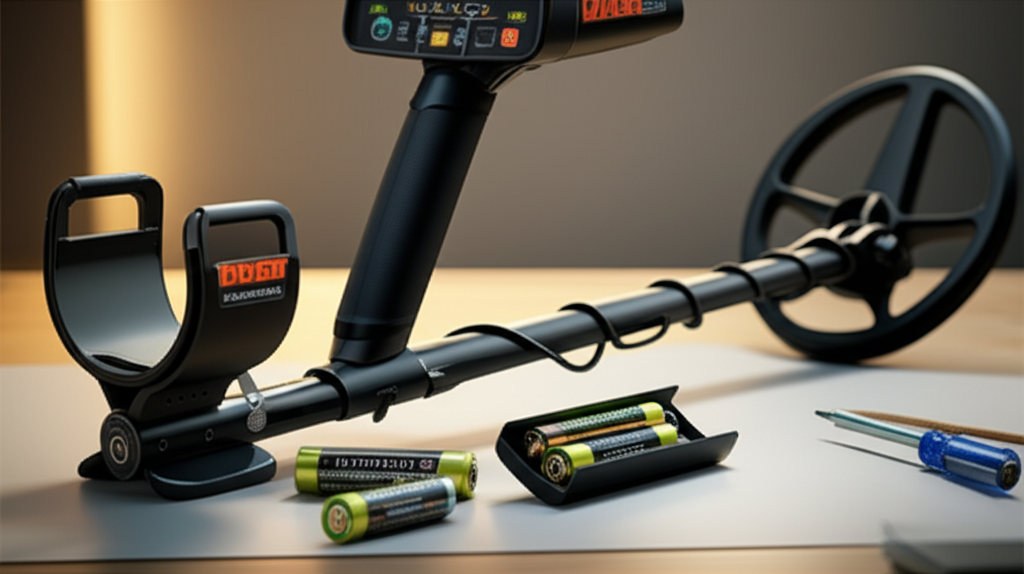
Every single metal detector you buy will need a power source. This is almost always in the form of batteries. Some detectors use common household batteries. Others have special rechargeable battery packs. Understanding your detector’s specific needs is the first step to a successful hunt.
Types of Batteries Used in Metal Detectors
Metal detectors use a few main types of batteries. The most common are alkaline batteries. These are the disposable kind, like AA or 9V. Many modern detectors use rechargeable lithium-ion battery packs. These are great because you can charge them up again and again. Some older or specialized models might use nickel-metal hydride (NiMH) batteries.
Alkaline Batteries: The Classic Choice

Alkaline batteries are widely available and easy to find. They are a good option for many detectors, especially entry-level models. You can buy them at almost any store. The downside is that they are not rechargeable. Once they are dead, you have to replace them. This can add up over time.
Rechargeable Battery Packs: The Modern Solution
Rechargeable battery packs are becoming very popular. They are an eco-friendly and cost-effective choice. You can charge them overnight and be ready for your next outing. While the initial cost might be higher, they save you money in the long run. They also reduce waste.
NiMH Batteries: A Middle Ground
NiMH batteries are rechargeable like lithium-ion. They offer good power but can sometimes be heavier. They were more common before lithium-ion technology became widespread. If your detector uses them, you can often find rechargeable versions.
How Long Do Metal Detector Batteries Last?
Battery life can vary a lot. It depends on the detector model. It also depends on the type of batteries you use. The settings you choose on your detector matter too. Using higher sensitivity or certain features can drain batteries faster. Generally, you can expect anywhere from 8 to 30 hours of use.
Factors Affecting Battery Performance
Several things can influence how long your batteries last. The most important factor is battery quality. Using good brand batteries often yields better results. Temperature also plays a role. Very cold or very hot weather can reduce battery performance. How often you turn your detector on and off also makes a difference.
Maximizing Battery Life in the Field
There are smart ways to make your batteries last longer. Turn your detector off when you are not actively searching. Avoid running it at maximum sensitivity if you don’t need to. Keep your batteries at a moderate temperature. Storing them properly when not in use also helps.
Essential Battery Care and Maintenance
Taking care of your batteries is important. For alkaline batteries, simply replace them when they are low. For rechargeable batteries, follow the manufacturer’s charging instructions. Don’t overcharge them. Store them in a cool, dry place. Clean battery contacts if you see any corrosion.
When to Replace Your Metal Detector Batteries
You’ll know it’s time to replace batteries when your detector’s performance drops. You might notice weaker signals or a shorter detection range. Some detectors have a battery indicator light. If yours does, pay attention to it. Don’t wait until your batteries are completely dead in the field.
Troubleshooting Common Battery Issues
If your detector isn’t turning on, the first thing to check is the batteries. Make sure they are inserted correctly. Try a fresh set of batteries. For rechargeable batteries, ensure they are fully charged. Sometimes, dirty battery contacts can cause problems. Clean them gently with a pencil eraser or a dry cloth.
Frequently Asked Questions About Metal Detector Batteries
Do all metal detectors need batteries?
Yes, virtually all modern metal detectors require batteries to operate their electronic components. Battery power is essential for the detector to function.
Can I use regular AA batteries in any metal detector?
Only if your metal detector is designed to use AA batteries. Always check your detector’s manual to confirm the correct battery type.
How do I know if my metal detector batteries are low?
Many detectors have a battery indicator light. You might also notice reduced performance, such as a weaker signal or shorter detection range.
Are rechargeable batteries better for metal detectors?
Rechargeable batteries are often a better long-term investment. They are more cost-effective and environmentally friendly than disposable alkaline batteries.
What happens if my metal detector batteries die during a hunt?
Your metal detector will stop working. You won’t be able to detect any targets until you replace or recharge the batteries.
How should I store spare batteries for my metal detector?
Store spare batteries in a cool, dry place, away from extreme temperatures. Keep them in their original packaging or a battery case to prevent short circuits.
Conclusion: Powering Your Prospecting Adventures
So, to answer the question, “Do metal detectors need batteries?” the answer is a resounding yes. Batteries are the engine that drives your treasure-hunting expeditions. By understanding the different types of batteries, how to care for them, and how to maximize their life, you’ll ensure your detector is always ready for action. Don’t let a dead battery cut your hunt short. Keep spares on hand or a reliable charger, and you’ll be well-equipped to uncover those hidden treasures. Happy hunting!
