

Close Menu
Tool Guider – Trending Tools
  • Home
  • Tools Blogs Trending Now
  • Write for us
What's Hot

How to Use a Walking Pad While Working: A Practical Guide

Manual vs Automatic Incline Walking Pads: Which Should You Buy?

Walking Pad vs Under-Desk Treadmill: What’s the Difference?

Facebook X (Twitter) Instagram
Tool Guider – Trending ToolsTool Guider – Trending Tools
  • Home
  • Tools Blogs Trending Now

    How to Use a Walking Pad While Working: A Practical Guide

    Manual vs Automatic Incline Walking Pads: Which Should You Buy?

    Walking Pad vs Under-Desk Treadmill: What’s the Difference?

    7 Quiet Walking Pads for Office Use in 2026: Features, Noise Claims and Buying Guide

    4 Best Walking Pads With Incline in 2026: Manual vs. Automatic Models

  • Write for us
Tool Guider – Trending Tools
Home » Do Metal Detectors Only Detect Magnetic Metals? Essential Breakthrough!

Do Metal Detectors Only Detect Magnetic Metals? Essential Breakthrough!

Belayet HossainBy Belayet Hossain Other 6 Mins Read
Share
Facebook Twitter LinkedIn Pinterest WhatsApp Email

Published on: October 10, 2025 | Updated on: October 21, 2026

Do Metal Detectors Only Detect Magnetic Metals? Essential Breakthrough!
No, metal detectors do not only detect magnetic metals. They work by using electromagnetic fields to find all types of metal, magnetic or not. The strength of the signal can vary, but they are designed to find a wide range of metallic objects.

Finding treasure with a metal detector is exciting. But a common question pops up: “Do metal detectors only detect magnetic metals?” It’s a frustrating thought if you’re searching for non-magnetic items like gold or silver coins. This article will clear up that confusion. I’ll explain how metal detectors really work. We’ll cover what they can and can’t find. Get ready to understand your detector better.

Contents

  • 1. Understanding How Metal Detectors Work
  • 2. The Role of Magnetism in Metal Detection
  • 3. Magnetic vs. Non-Magnetic Metals: What Detectors Find
  • 4. Ferrous vs. Non-Ferrous Metals: The Detectorist’s View
  • 5. How Different Metals Affect Detector Signals
  • 6. Advanced Detector Technology: Beyond Simple Magnetism
  • 7. Choosing the Right Detector for Your Needs
  • 8. Common Misconceptions About Metal Detectors
  • 9. Maximizing Your Finds: Tips for All Metals
  • 10. Essential Gear for Every Detectorist
  • 11. Frequently Asked Questions (FAQ)
  • 12. Conclusion
  • 13. Author

Understanding How Metal Detectors Work

Metal detectors don’t just find things that stick to a magnet. They use a clever trick with electricity and magnets. A transmitter coil sends out an invisible magnetic field. When this field hits a metal object, it creates a tiny electric current in that object. This current then makes its own magnetic field. The detector’s receiver coil picks up this second field. It then signals you with a beep or a reading. This process works for all metals, not just magnetic ones.

The Role of Magnetism in Metal Detection

Magnetism plays a part, but it’s not the whole story. Magnetic metals, like iron, are easier for some detectors to pick up. This is because they strongly interact with the detector’s magnetic field. They create a clear signal. Non-magnetic metals, such as silver, copper, and gold, also create a signal. However, this signal might be weaker or different. This is why understanding your detector’s settings is key to finding all types of treasures.

Magnetic vs. Non-Magnetic Metals: What Detectors Find

Magnetic metals include iron and steel. These are often found as old nails, iron relics, or rusty bits. Non-magnetic metals are more diverse. They include precious metals like gold, silver, and platinum. They also include common metals like copper and aluminum. Your metal detector is designed to sense the changes in the electromagnetic field caused by any of these metals. It’s the electrical properties of the metal, not just its magnetism, that makes it detectable.

Ferrous vs. Non-Ferrous Metals: The Detectorist’s View

In metal detecting, we often talk about ferrous and non-ferrous metals. Ferrous metals contain iron and are magnetic. Non-ferrous metals do not contain iron and are not magnetic. Most modern metal detectors can find both. They often have features to help you distinguish between them. This is very useful for sorting out trash from treasure. Knowing the difference helps you decide what to dig.

How Different Metals Affect Detector Signals

Different metals create different signals. Iron (ferrous) often gives a low-frequency or “chunky” tone on many detectors. This can sometimes be mistaken for junk. Highly conductive metals like silver and copper tend to give a clearer, higher-pitched tone. Gold’s conductivity is in between. This is why gold prospecting requires specialized detectors or settings. Your detector’s control panel will often show target IDs. These numbers help you guess what metal you’ve found.

Advanced Detector Technology: Beyond Simple Magnetism

Modern metal detectors are incredibly advanced. They use sophisticated electronics and different frequencies. Multi-frequency detectors can scan for targets at the same time on several frequencies. This allows them to detect a wider range of metals. They can also perform better in tricky ground conditions. These technologies ensure you don’t miss valuable non-magnetic finds. It’s a big leap from older, simpler machines.

Choosing the Right Detector for Your Needs

The best detector depends on what you want to find. If you’re mostly interested in old iron relics, a basic detector might suffice. For coin shooting or finding jewelry, you’ll want a detector with good target ID. If you dream of finding gold nuggets, you need a specialized gold detector. These often operate at higher frequencies. Always check the detector’s specifications for the types of targets it excels at finding.

Common Misconceptions About Metal Detectors

A common myth is that detectors only find iron. This is simply not true. Another mistake is thinking that a strong magnet will find all your targets. While a magnet can help identify iron targets you’ve dug up, it won’t help you locate them underground. Understanding the electromagnetic principles is key. Don’t let these myths hold you back from exploring.

Maximizing Your Finds: Tips for All Metals

To find all types of metal, learn your detector’s settings. Experiment with different sensitivity levels. Ground balancing is crucial for reducing false signals from minerals in the soil. Practice in your yard with known targets. Use a pinpointer when you dig to quickly locate the object in the plug. This saves time and helps you recover small, non-magnetic items.

Essential Gear for Every Detectorist

Besides your metal detector, other tools are vital. A good pinpointer is essential for pinpointing targets in the soil plug. Digging tools, like a sturdy trowel or a sand scoop, are needed to retrieve your finds. A headphones set helps you hear faint signals. A finds pouch keeps your treasures safe. Don’t forget gloves for protection. Having the right gear makes detecting more enjoyable and successful.

Frequently Asked Questions (FAQ)

Can a metal detector find aluminum cans?

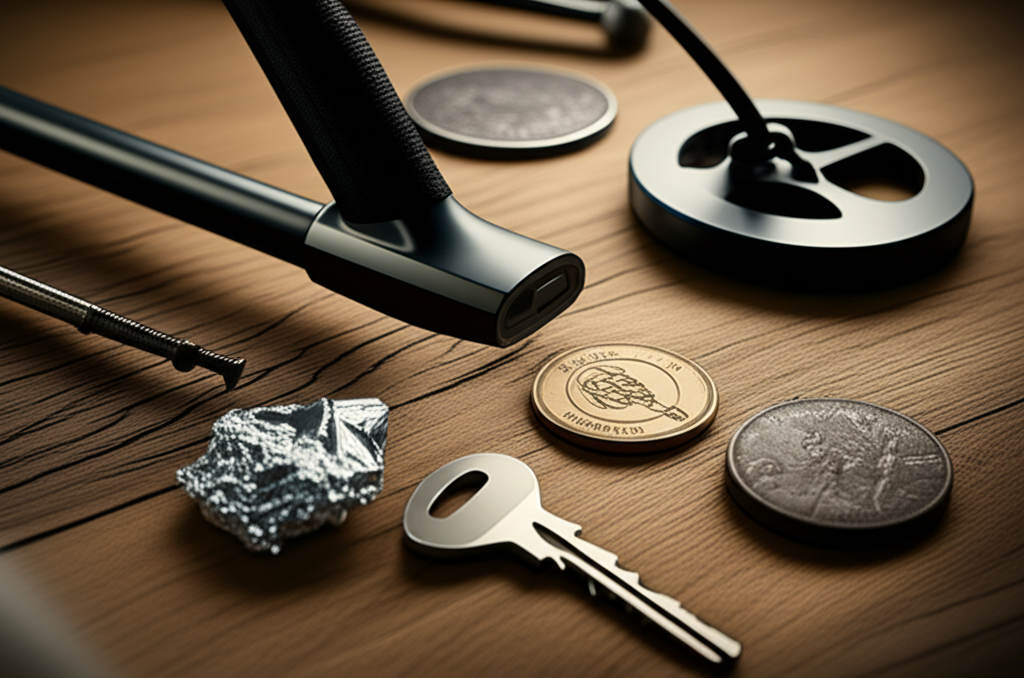
Generate an ultra-luxurious, modern, photorealistic 16:9 featured image for a blog article on the to

Yes, metal detectors can find aluminum. Aluminum is a non-magnetic metal. Detectors sense the electrical currents it creates.

Will my detector find gold jewelry?

Absolutely. Gold jewelry is a common target for metal detectors. Most detectors are sensitive enough to find gold rings and chains.

What about finding old coins made of copper?

Copper coins are also detectable. Copper is a non-ferrous metal. Your detector will signal when it passes over a copper coin.

Are iron targets always bad?

Not necessarily. While iron is often trash, it can also indicate historical sites or old homesteads. Some detectorists specifically search for iron relics.

Do I need a special detector for silver?

Most general-purpose metal detectors can find silver. Silver is a highly conductive metal. It usually gives a strong signal.

How do I know if a target is magnetic?

After digging, you can use a small magnet. If the object sticks to the magnet, it’s magnetic (ferrous). If it doesn’t, it’s non-magnetic (non-ferrous).

Conclusion

So, to answer the big question: do metal detectors only detect magnetic metals? The answer is a resounding no! Metal detectors are designed to detect all types of metal by sensing their electrical properties. While magnetic metals might produce a stronger or more distinct signal on some machines, non-magnetic metals like gold, silver, and copper are certainly within their reach. Understanding how your detector works, its settings, and the types of metals you’re likely to encounter will greatly improve your success. Happy hunting, and may your finds be plentiful!

Author

  • belayet hossain
    Belayet Hossain

    Belayet Hossain is a Tool Analyst and Workspace Optimization Expert with an MSc in Computer Science & Engineering. Augmented by certifications in AI Marketing & Business Strategist, he evaluates home office gear and industrial tools through a lens of technical efficiency and modern utility. Belayet identifies which tools offer true smart value and which are merely passing trends. Connect with Belayet Hossain on Facebook, Twitter, Linkedin, or read my complete biography.

Leave your thoughts here!Cancel reply

OMAIGA Steam Iron for Clothes
Don't Miss Latest Updates

Subscribe to Updates

Get the latest blogs, updates, news and many more from ToolGuider.com!

loader

Email Address*

Don't Miss
Fitness Equipment

How to Use a Walking Pad While Working: A Practical Guide

Fitness Equipment

Manual vs Automatic Incline Walking Pads: Which Should You Buy?

Walking Pad vs Under-Desk Treadmill: What’s the Difference?

7 Quiet Walking Pads for Office Use in 2026: Features, Noise Claims and Buying Guide

4 Best Walking Pads With Incline in 2026: Manual vs. Automatic Models

Best Under-Desk Treadmills for Office Use in 2026

Recommended
Fitness Equipment

Manual vs Automatic Incline Walking Pads: Which Should You Buy?

Fitness Equipment
Fitness Equipment

Walking Pad vs Under-Desk Treadmill: What’s the Difference?

Fitness Equipment
Exercise Equipment

7 Quiet Walking Pads for Office Use in 2026: Features, Noise Claims and Buying Guide

Exercise Equipment
Fitness Equipment

4 Best Walking Pads With Incline in 2026: Manual vs. Automatic Models

Fitness Equipment
Ergonomic Office

Best Under-Desk Treadmills for Office Use in 2026

Ergonomic Office
Fitness Equipment

Best Walking Pads in 2026: Top Picks for Home and Office

Fitness Equipment Updated:November 11, 2026
Power tools

Counterfeit Power Tool Battery Safety and Fire Risks

Power tools
Power tools

How to Spot Fake DeWalt Tools: Batteries, Housings, and Sellers

Power tools
Jump to
  • Other (2,856)
  • Tools Blogs Trending Now (4,542)
    • Air Conditioners (2)
    • Automotive (3)
      • Vehicle Codes & Driving Laws (1)
      • Vehicle Parts & Services (2)
        • Vehicle Parts & Accessories (2)
    • Baby & Childcare (15)
    • Business & Industrial (10)
      • Hospitality Industry (1)
        • Food Service (1)
      • Industrial Materials & Equipment (6)
        • Dust Collection (4)
      • Metals & Mining (1)
      • Shipping & Logistics (1)
        • Packaging (1)
    • Camping (1)
    • Car maintenance (1)
    • Cleaning (4)
      • Metal Cleaning (4)
    • Cleaning – del (829)
      • Metal Cleaning – del (829)
    • Construction & Building (24)
      • Construction Safety (3)
      • Construction Tools (5)
      • Electrical (1)
      • Masonry & Concrete (1)
    • Editors choice (7)
    • Food & Beverage (4)
      • Beverages (1)
      • Cooking & Recipes (1)
      • Cuisines (1)
    • Health & Fitness (7)
      • Exercise Equipment (1)
      • Fitness Equipment (5)
    • Health And Household (6)
    • Hobbies & Collecting (3)
      • Coin Collecting (1)
      • Coin Roll Hunting (1)
      • Collectible Identification & Valuation (1)
    • Home & Garden (3,515)
      • Electrical (4)
      • Gardening (2)
      • Home decor (3,421)
        • Home office decor- del (3,410)
          • Corner Home Office Setup (1)
          • Desk Setup Inspiration (1)
          • Home Office Wellness (1)
          • Minimalist Desk Setup (5)
          • Minimalist Office Decor (1)
          • Modern Home Office Ideas (1)
          • Office Accessories & Decor (5)
            • Chairs (2)
            • Desk (2)
            • Floating Shelves (1)
          • Small Home Office Ideas (2)
          • Tech & Gadget Setup Ideas (1)
          • Under $100 Home Office Setup (1)
      • Home improvement (36)
        • Construction & Power Tools (2)
        • House Painting & Finishing (3)
        • Kitchen Renovation (3)
      • Household Supplies (2)
        • Laundry (2)
      • HVAC & Climate Control (5)
      • Kitchen & Dining (37)
        • Cookware & Diningware (3)
        • Drinkware & Teaware (1)
        • Kitchen Cleaning & Maintenance (3)
          • Dishwashing & Cleaning (3)
        • Kitchen Tools (24)
          • Bowls & Dishes (10)
            • Wooden Bowls (10)
          • Cutting Boards (8)
        • Storage & Shelving (1)
          • Cabinetry (1)
        • Tea & Coffee (9)
          • Brewing Techniques (2)
          • Teaware (8)
            • Teapots (8)
              • Japanese Teapots (3)
      • Lawn & Yard (1)
      • Pest Control (1)
    • Home Office (1)
      • Ergonomic Office (1)
    • Hunting (2)
    • Industrial And Scientific (24)
    • Metal detecting (29)
      • Accessories (1)
      • Finds (2)
      • Gold Prospecting (1)
      • Metal Detectors (6)
      • Reviews & Buying Guides (7)
      • Techniques (2)
    • Outdoor & Recreation (4)
    • Power & Hand Tools (22)
      • Power tools (19)
      • Tool Storage (3)
    • Power Energy (5)
    • Resources (3)
    • Reviews (13)
      • Home Tools (1)
      • Tools & Devices (5)
    • Science (1)
      • Biological Sciences (1)
        • Genetics (1)
    • Shopping (3)
      • Antiques & Collectibles (3)
    • Tools Tips (12)
Stay In Touch
  • Facebook
  • Twitter
  • Pinterest
  • Instagram
  • YouTube
  • Vimeo
Recommended
Latest updates
  • How to Use a Walking Pad While Working: A Practical Guide
  • Manual vs Automatic Incline Walking Pads: Which Should You Buy?
  • Walking Pad vs Under-Desk Treadmill: What’s the Difference?
  • 7 Quiet Walking Pads for Office Use in 2026: Features, Noise Claims and Buying Guide
  • 4 Best Walking Pads With Incline in 2026: Manual vs. Automatic Models
  • Best Under-Desk Treadmills for Office Use in 2026
  • Best Walking Pads in 2026: Top Picks for Home and Office
  • Counterfeit Power Tool Battery Safety and Fire Risks
  • How to Spot Fake DeWalt Tools: Batteries, Housings, and Sellers
  • How to Spot a Fake Milwaukee Impact Driver Before You Buy

Cottagecore Home Office With Plants: Essential & Stunning

5 Best Acrylic Waffle Weave Baby Blanket with Satin Trim

Home Office Standing Desk Makeover: Essential, Genius Tips

Small Home Office Interior Design Ideas: Genius & Essential

Enhance Your Outdoor Setting: Acadia Composite Deck Tiles Costco

Home improvement

uPVC Windows and Doors: Homeowner’s Buying Guide

How to Install Tilt and Turn PVC Windows: A Practical Step‑by‑Step Guide

EV Charger Installation: 7 Key Factors Homeowners Overlook

Maximising Boiler Value: Leeds Homeowners’ Guide to Comparing Boiler Quotes

DIY Tips: The Best Applicator for Varnish on Large Surfaces

Subscribe to Updates

Get the latest Blogs, Updates, News from ToolGuider.com.

loader

Email Address*

Facebook X (Twitter) Pinterest
  • About us
  • Latest Tools Blogs
  • Disclaimer
  • Privacy Policy
  • Write for us
  • Contact us
  • Sitemap
© 2026 Designed by Belayet Hossain.

Type above and press Enter to search. Press Esc to cancel.