


Published on: October 13, 2025 | Updated on: October 13, 2025
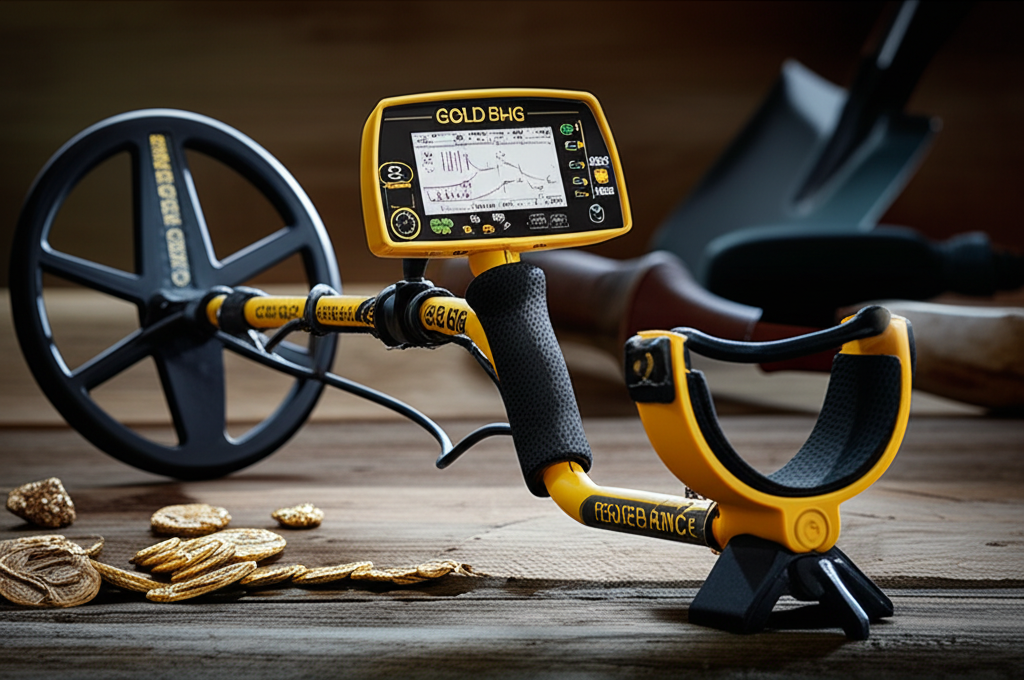
The Fisher Gold Bug metal detector is your key to unlocking valuable finds, from tiny gold specks to historical relics, making it a top choice for prospectors and treasure hunters seeking success.
Welcome, fellow treasure hunters! Are you ready to find more gold and relics than ever before? Many detectorists struggle to get the most out of their gear. They miss valuable targets or get frustrated with confusing settings. This guide is here to help. I’ll share my field-tested tips for the Fisher Gold Bug metal detector. We will explore how to use it effectively to make those essential finds. Get ready to dig deeper and find more!
Contents
- 1 Why the Fisher Gold Bug Metal Detector is a Gold Hunter’s Best Friend
- 2 Understanding Your Fisher Gold Bug: Key Features for Success
- 3 Essential Finds: What the Fisher Gold Bug Excels At
- 4 Setting Up Your Fisher Gold Bug for Maximum Sensitivity
- 5 Choosing the Right Coil for Your Gold Bug
- 6 Where to Hunt: Prime Locations for Fisher Gold Bug Finds
- 7 Techniques for Unearthing Gold with Your Fisher Gold Bug
- 8 Beyond Gold: Finding Relics and Coins
- 9 Essential Accessories for the Serious Gold Bug Hunter
- 10 Maintaining Your Fisher Gold Bug for Longevity
- 11 Frequently Asked Questions About the Fisher Gold Bug Metal Detector
- 12 Conclusion: Your Next Essential Find Awaits with the Fisher Gold Bug
- 13 Author
Why the Fisher Gold Bug Metal Detector is a Gold Hunter’s Best Friend
The Fisher Gold Bug metal detector is a favorite among gold prospectors for good reason. It is designed to find small gold nuggets that other detectors might miss. Its sensitivity and ability to work in mineralized ground make it perfect for gold-rich areas. This makes it a powerful tool for anyone serious about finding gold.
Understanding Your Fisher Gold Bug: Key Features for Success
Knowing your Fisher Gold Bug metal detector inside and out is crucial. Its features are built for finding gold. Understanding these settings helps you tune it for maximum performance. This ensures you don’t overlook those tiny, valuable pieces.
Operating Frequency: The Gold Bug operates at a high frequency. This is key for detecting small gold. It makes it more sensitive to tiny targets.
Ground Balancing: It has excellent ground balancing. This helps it ignore minerals in the soil. This is vital for accurate readings in gold country.
Discrimination: While great for gold, it also offers some discrimination. This lets you ignore trash. It helps you focus on potential targets.
Ergonomics: The detector is lightweight and comfortable. This means you can swing it for hours. Long days in the field become easier.
Essential Finds: What the Fisher Gold Bug Excels At
The Fisher Gold Bug metal detector is specifically tuned for certain types of targets. Knowing what it does best helps you focus your efforts. This increases your chances of making those rewarding finds.
Gold Nuggets: This is its primary strength. It can detect small placer gold. You’ll find nuggets in rivers and dry creek beds.
Small Gold Jewelry: Lost earrings and rings are often small. The Gold Bug’s sensitivity is perfect for these. It can find them even when they are shallow.
Relics: While not its main focus, it can find older metal items. Old coins and small artifacts can be located. This depends on the ground conditions.
Prospecting in Mineralized Ground: Many gold areas have iron-rich soil. The Gold Bug handles this mineralization well. It gives you clear signals where others fail.
Setting Up Your Fisher Gold Bug for Maximum Sensitivity
Proper setup is the first step to making great finds with your Fisher Gold Bug metal detector. Getting the settings right ensures you hear every faint signal. This is especially important when hunting for small gold.
1. Ground Balance: Always ground balance your detector. Do this when you first turn it on. Follow the instructions in your manual. This cancels out ground noise.
2. Sensitivity: Start with the sensitivity at a medium level. Slowly increase it until you hear faint chattering. Then, back it off slightly. This avoids false signals.
3. Discrimination: For pure gold prospecting, set discrimination very low or off. If you are in a trashy area, you might use a small amount. This helps filter out iron.
4. Volume: Adjust the volume to a comfortable level. You need to hear faint signals. But it should not be so loud it causes fatigue.
Choosing the Right Coil for Your Gold Bug
The coil is your detector’s “ear.” The right coil can make a huge difference in what you find. For the Fisher Gold Bug metal detector, different coils suit different situations.
Small Concentric Coils: These are often best for extreme sensitivity. They are excellent for very small gold nuggets. They offer good target separation.
Elliptical Coils: These can cover more ground. They are good for general prospecting. They also tend to handle mineralized ground well.
DD Coils: These coils offer good depth. They also perform well in tough ground conditions. They are a versatile choice for many areas.
Where to Hunt: Prime Locations for Fisher Gold Bug Finds
Knowing where to look is just as important as having the right gear. The Fisher Gold Bug metal detector is your tool, but the earth holds the treasure. Focus your efforts on places likely to yield results.
Old Riverbeds and Placer Deposits: Gold often settles in ancient or current riverbeds. Look for gravel bars and the inside bends of streams. These are classic gold hunting spots.
Mountainous Regions Known for Gold: Research historical gold mining areas. These regions are often still productive. Look for old maps and mining records.
Areas with High Mineralization: Gold often forms in quartz veins. These areas can be heavily mineralized. The Gold Bug is designed to handle these conditions.
Areas Where People Lost Jewelry: Parks, beaches, and picnic areas can hold lost gold jewelry. Use the Gold Bug’s sensitivity to find these smaller items.
Techniques for Unearthing Gold with Your Fisher Gold Bug
Making a find is only part of the process. How you use your detector matters. Smooth, consistent movements lead to better results. This is true for any metal detector, including the Fisher Gold Bug metal detector.
1. Slow and Steady Sweeps: Sweep the coil slowly and evenly. Overlap each sweep by about half the coil’s width. This ensures you cover the ground thoroughly.
2. Listen Carefully: Pay close attention to faint signals. Small gold nuggets often produce subtle tones. Don’t dismiss quiet signals too quickly.
3. Pinpointing: Once you get a signal, pinpoint its exact location. This saves time and effort when digging. Use your pinpointer tool.
4. Analyze Signals: Learn to recognize different tones. The Gold Bug can give you clues about the target. Practice in areas with known targets.
Beyond Gold: Finding Relics and Coins
While famous for gold, the Fisher Gold Bug metal detector can also find other treasures. With careful tuning, it can reveal historical artifacts. This adds another layer of excitement to your detecting adventures.
Coin Hunting: In less mineralized areas, it can find coins. Set discrimination to ignore small iron trash. Focus on the mid-range tones.
Relic Hunting: Old bottle caps and pull tabs can sound like relics. Use your knowledge and practice to differentiate. Look for stable, repeatable signals.
Adjusting for Different Targets: Sometimes, you might adjust settings slightly. Lowering sensitivity can help distinguish deeper targets. Experiment in safe areas.
Essential Accessories for the Serious Gold Bug Hunter
To get the most out of your Fisher Gold Bug metal detector, you need a few key accessories. These tools make detecting easier and more productive. They help you recover your finds safely.
Pinpointer: A good pinpointer is essential. It helps you locate targets in the dug plug. This saves time and reduces the chance of damaging finds.
Digging Tools: A sturdy digging trowel or shovel is a must. Choose one appropriate for the terrain. A sharp edge helps cut through tough soil.
Gold Pans and Sieves: If you’re serious about placer gold, you’ll need these. They help you process material from promising spots.
Headphones: Good headphones block out wind noise. They also let you hear faint signals clearly. This is crucial for small gold.
* Carry Bag: A comfortable bag protects your detector. It also lets you carry your accessories.
Maintaining Your Fisher Gold Bug for Longevity
Taking care of your Fisher Gold Bug metal detector ensures it lasts for years. Proper maintenance keeps it working at its best. This protects your investment and keeps you finding treasures.
1. Cleaning: After each outing, clean your detector. Wipe down the coil, shaft, and control box. Use a damp cloth.
2. Storage: Store your detector in a cool, dry place. Avoid direct sunlight or extreme temperatures. Keep the coil protected.
3. Battery Care: Use fresh, high-quality batteries. Remove batteries if storing the detector for a long time. This prevents corrosion.
4. Manual: Keep your user manual handy. It contains important information. Refer to it for troubleshooting and advanced settings.
Frequently Asked Questions About the Fisher Gold Bug Metal Detector
Q1: Is the Fisher Gold Bug good for beginners?
Yes, the Fisher Gold Bug is quite user-friendly. Its straightforward controls make it easy to learn. Many beginners find success with it.
Q2: Can I find gold nuggets with the Fisher Gold Bug?
Absolutely! The Fisher Gold Bug metal detector is specifically designed for finding gold nuggets. It excels at detecting even very small pieces.
Q3: Does the Fisher Gold Bug work in highly mineralized ground?
Yes, it has excellent ground balancing capabilities. This allows it to perform well in mineralized soil, which is common in gold-bearing areas.
Q4: What is the best coil for the Fisher Gold Bug?
The best coil depends on your target. Small concentric coils are great for tiny gold. Elliptical or DD coils offer more versatility and depth.
Q5: How deep can the Fisher Gold Bug detect targets?
Depth varies by target size, coil used, and ground conditions. However, it offers competitive depth for its class, especially for gold.
Q6: Do I need to use discrimination when hunting gold?
For maximum sensitivity to small gold, it’s often best to use very low or no discrimination. This ensures you don’t miss tiny targets.
Conclusion: Your Next Essential Find Awaits with the Fisher Gold Bug
The Fisher Gold Bug metal detector is a remarkable tool. It empowers treasure hunters and gold prospectors. Its sensitivity, especially for gold, is outstanding. By understanding its features and using the right techniques, you can significantly boost your success rate. From tiny gold specks to historical relics, this detector is your partner in exploration. Keep practicing, keep swinging, and happy hunting with your Fisher Gold Bug metal detector!

