


Published on: November 4, 2025 | Updated on: November 4, 2025
Discovering copper with your metal detector is about finding valuable old coins, plumbing remnants, and historical artifacts. This guide reveals the best ways to find these hidden treasures.
Metal detecting for copper can be incredibly rewarding. Many people dream of finding old coins or valuable artifacts. Copper items are common finds for detectorists. They can range from ancient coins to old plumbing parts. This guide will help you find more copper with your metal detector. We will cover what copper items to look for and how to find them.
Why Copper is a Great Target for Metal Detectors
Copper is a popular target for metal detectorists. It signals well with most detectors. Many old coins are made of copper. You can also find copper pipes and wires. Sometimes, historical artifacts contain copper. These items can be very valuable. Finding copper means you are on the right track. It shows your detector is working well.
Understanding How Metal Detectors Work with Copper
Metal detectors send out a magnetic field. This field goes into the ground. When it hits metal, it creates a signal. Different metals give different signals. Copper usually gives a strong, clear signal. Your detector’s display will show this signal. It might make a specific sound too. Learning these sounds helps you identify targets.
Top Metal Detector Features for Finding Copper
Some metal detector features are best for finding copper. Look for a detector with good discrimination. This helps ignore junk metal. A high operating frequency is also good. It can detect small copper items better. Adjustable sensitivity is important too. It helps you tune the detector to the ground. A waterproof coil is useful for wet areas.
Essential Metal Detector Coils for Copper Hunting
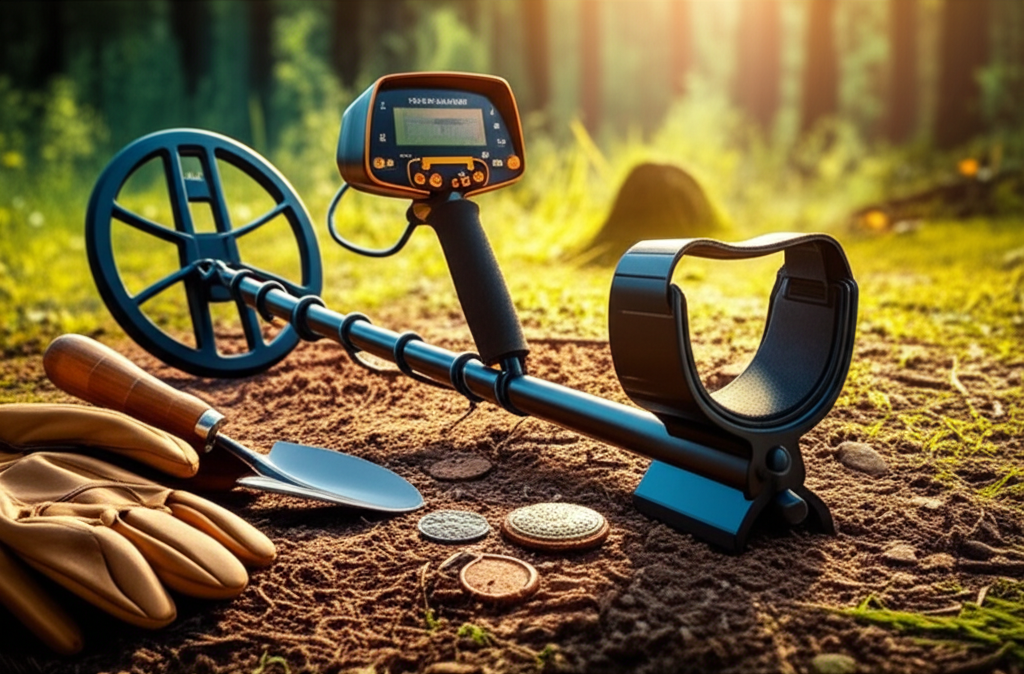
The coil is the part that goes over the ground. Different coils work better for different tasks. A small coil is good for trashy areas. It can pinpoint targets better. A larger coil covers more ground faster. Some coils are designed for deep targets. For copper, a mid-sized coil is often a good choice. It balances depth and pinpointing ability.
Pinpointers: Your Best Friend for Copper Finds
Once your detector signals something, you need a pinpointer. This is a small handheld device. It helps you find the exact spot of the target. You dig a plug of soil. Then, you use the pinpointer to scan the soil. It will beep when it is close to the metal. This saves you time and effort. It also helps you avoid damaging your finds.
Common Copper Treasures You Might Unearth
Many exciting copper items wait underground. Old copper coins are very common. Think of pennies from the 1980s and earlier. You might find older, more valuable coins too. Old plumbing parts are also frequent finds. These can be pipes, fittings, or valves. Sometimes, you can uncover historical artifacts. These might be buckles, buttons, or tools made of brass (which is mostly copper).
Where to Search for Copper Finds
Good places to search are old homesites. People lived there and dropped things. Parks and schoolyards are also good spots. These places have seen a lot of foot traffic. Beaches can hold old coins and jewelry. Old mining areas might have copper ore or equipment. Always get permission before detecting on private land. Respect local laws about detecting.
Techniques for Maximizing Copper Finds
To find more copper, use good techniques. Sweep your coil slowly and evenly. Overlap each sweep slightly. Listen carefully to your detector’s sounds. Learn to distinguish good signals from bad ones. When you get a signal, check it from different directions. This confirms if it’s a solid target. Digging carefully is crucial. Use a good digging tool to get a clean plug.
What to Do After You Find Copper
Once you find a copper item, handle it gently. Don’t scrub it hard right away. Cleaning can damage old items. For coins, research them first. Some collectors prefer them uncleaned. For metal objects, you can clean them slowly. Use mild soap and water. Avoid harsh chemicals. Document your finds. Knowing what you found is part of the fun.
Frequently Asked Questions About Metal Detector Copper
What is the best metal detector for finding copper?

Many detectors can find copper. Look for one with good sensitivity and discrimination. A mid-range frequency is usually good. Brands like Minelab, Garrett, and Nokta Makro make great detectors.
Can I find old copper pennies with a metal detector?
Yes, you can find many old copper pennies. Pennies made before 1982 are mostly copper. Your detector will pick them up easily.
Is copper harder to detect than iron?
Copper usually gives a clearer signal than iron. Iron can be ‘noisy’ and give false signals. Copper signals are often more stable.
Should I dig every signal?
It’s wise to investigate most signals. You might dig some trash. But you could miss a great find if you ignore signals. Learn to tell good signals from bad.
How deep can a metal detector find copper?
Depth depends on the detector and coil. A good detector with a decent coil can find targets a few inches deep. Larger coils can reach deeper. Ground conditions also matter.
What is the difference between copper and brass with a detector?
Brass is an alloy of copper and zinc. Both metals detect similarly. Your detector might show them as close targets. Often, they will sound alike.
Is it legal to metal detect for copper?
It is legal in most places for personal finds. However, laws differ. Always check local regulations. Do not detect on protected historical sites. Get permission for private land.
Conclusion: Unearthing Your Copper Treasures
Metal detecting for copper is a thrilling adventure. It connects you to history and nature. With the right tools and knowledge, you can find amazing things. Learn your detector’s sounds. Use a good pinpointer. Search in promising locations. Dig carefully and clean your finds gently. Happy hunting, and may your detector lead you to many hidden copper treasures!
