


Published on: November 4, 2025 | Updated on: October 21, 2026
Metal Detector DIY Kit: Essential Breakthrough!
Build your own metal detector with a DIY kit for an affordable and rewarding treasure-hunting experience. Learn what makes these kits a breakthrough for hobbyists and beginners.
Metal detecting can be an exciting hobby. Finding old coins or interesting relics is a thrill. But new metal detectors can be expensive. This is where a metal detector DIY kit comes in. It’s a way to build your own device. This guide will show you why these kits are a breakthrough. We will explore what they offer and how they can help you start your detecting journey.
What is a Metal Detector DIY Kit?
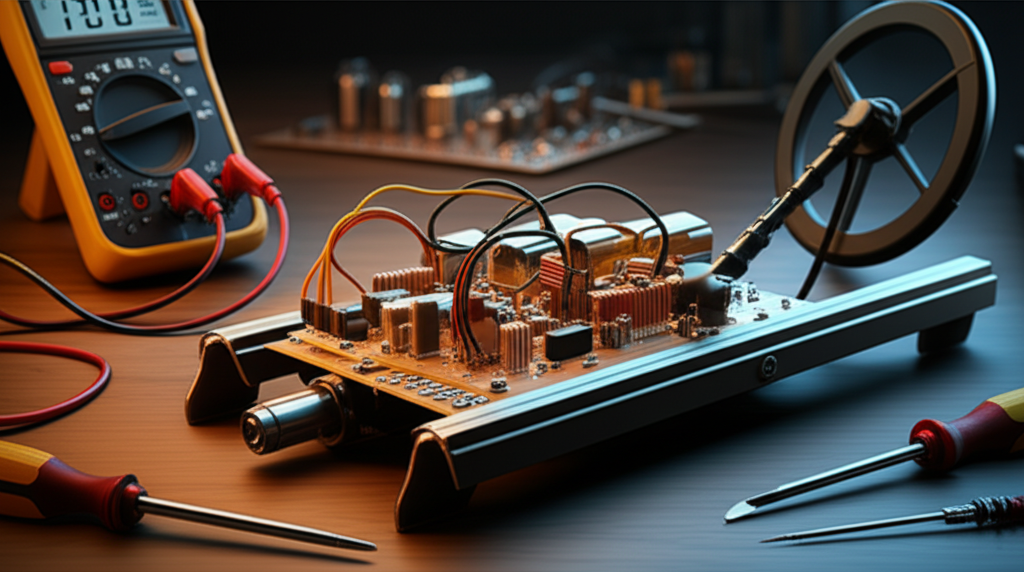
A metal detector DIY kit is a collection of parts. These parts let you build a working metal detector yourself. You get all the necessary components. This includes the coil, control box, shaft, and handle. It’s like a model airplane kit, but for treasure hunting. These kits are designed for people who like to build things. They are also great for those on a budget.
Why Build Your Own Detector?
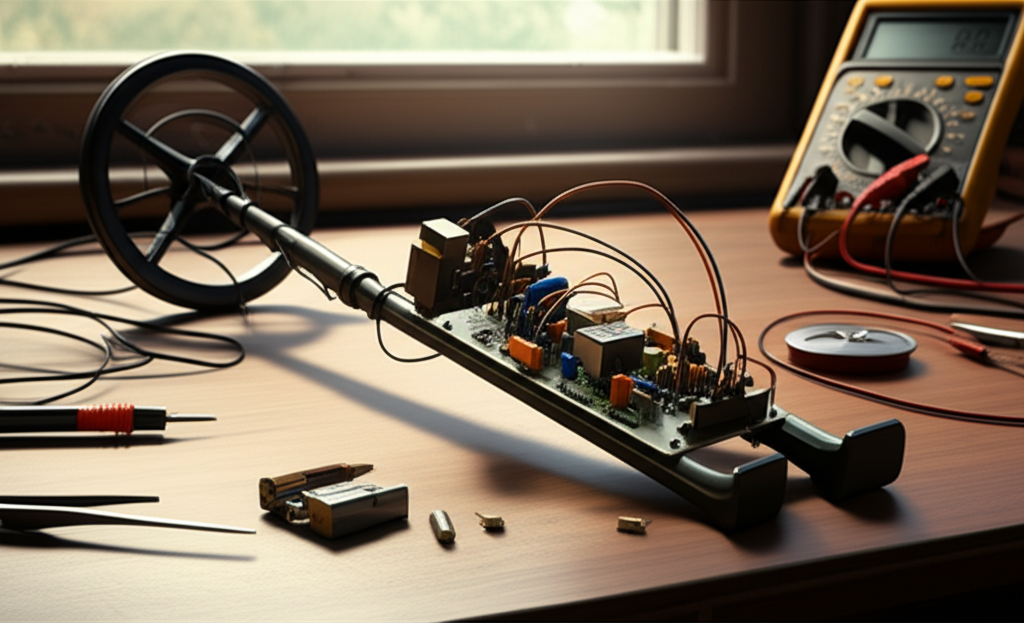
Building your own metal detector offers many benefits. It’s a fantastic learning experience. You understand how the device works. It’s also usually much cheaper than buying a ready-made one. This makes metal detecting more accessible. You can get started without a big investment. Plus, the sense of accomplishment is huge.
The Breakthrough Advantage
The real breakthrough with DIY kits is accessibility. They lower the barrier to entry for this hobby. You don’t need advanced electronics knowledge. Most kits come with clear instructions. They make complex technology simple. This allows anyone to build a functional detector. It opens up the world of treasure hunting to more people.
Components of a Typical Metal Detector DIY Kit
Every metal detector DIY kit includes essential parts. These parts work together to find metal objects. Understanding these components helps with the building process. It also helps you appreciate the technology.
The Search Coil
The search coil is crucial. It’s the part that scans the ground. It sends out an electromagnetic field. When this field hits metal, it sends a signal back. Different coil sizes and types exist. They affect how deep and wide the detector can search. Smaller coils are good for tight spaces. Larger coils cover more ground faster.
The Control Box
The control box is the brain of the detector. It houses the electronics. These electronics process the signals from the coil. They decide if a signal is from metal. The control box usually has knobs or buttons. These let you adjust settings like sensitivity. Some advanced kits might have digital displays.
The Shaft and Handle
The shaft connects the coil to the control box. It’s usually adjustable. This lets you set the detector to your height. The handle provides a comfortable grip. Most kits include an armrest too. This makes swinging the detector easier for long periods.
Power Source
Metal detectors need power to run. Most DIY kits use batteries. The type and number of batteries vary. The instructions will tell you what you need. Keeping fresh batteries is important for good performance.
Choosing the Right Metal Detector DIY Kit
Not all DIY kits are the same. You need to pick one that suits your needs. Consider your budget and what you want to find. Researching different kits is important.
Consider Your Detecting Goals
What do you want to find? Are you interested in coins? Or maybe old relics from history? Some kits are better for certain types of targets. Simple kits are great for general detecting. More advanced kits might offer better discrimination. Discrimination helps ignore junk metal.
Ease of Assembly
If you are new to building things, look for an easy kit. Kits with pre-assembled circuit boards are simpler. Clear, step-by-step instructions are a must. Watch videos if available. This can show you the building process. It helps you choose a kit you can finish.
Budget and Value
DIY kits are cheaper than ready-made detectors. But prices still vary. Determine how much you want to spend. Compare what you get for the price. Look at the quality of components. A slightly more expensive kit might be better value. It could offer better performance.
Reputation of the Manufacturer
Check reviews of the kit manufacturer. Are they known for good quality parts? Do they offer customer support? A reputable brand means a better building experience. It also means a more reliable detector.
The Building Process: Step-by-Step
Building a metal detector from a kit is rewarding. Follow the instructions carefully. Take your time and enjoy the process. It’s like a fun puzzle.
Unpacking and Inventory
Open the box carefully. Lay out all the parts. Check them against the parts list. Make sure you have everything. Contact the manufacturer if anything is missing.
Assembling the Circuit Board
This is often the most technical part. Some kits have pre-made boards. Others require you to solder components. If you need to solder, follow the diagrams closely. Practice soldering on scrap wire first if you’re new.
Connecting the Coil and Electronics
Wire the search coil to the control box. Connect the battery pack as well. Ensure all connections are secure. Loose wires can cause problems.
Putting it All Together
Attach the control box to the shaft. Mount the handle and armrest. Make sure everything is firmly attached. Adjust the shaft to your height.
Testing Your New Detector
Once assembled, it’s time to test. Turn it on in a safe area. Have a few metal objects ready. Test it with a coin, a key, and a piece of iron. See if it detects them. Learn how the controls work.
Performance of DIY Metal Detector Kits
How well do these homemade detectors work? For beginners, they are surprisingly capable. They can find common targets like coins and jewelry. Their performance depends on the kit quality.
What to Expect in the Field
A good DIY kit can find targets several inches deep. This is enough for general treasure hunting. You can find coins in parks or on beaches. You might also find old nails or pull tabs. Learning to identify signals takes practice.
Comparison to Commercial Detectors
High-end commercial detectors offer more features. They have better depth and discrimination. They can pinpoint targets more accurately. However, a well-built DIY kit can compete with entry-level commercial models. It offers great value for its cost.
Limitations to Be Aware Of
DIY kits may have limitations. They might not have advanced features like ground balancing. This feature helps reduce false signals from minerals in the soil. Some kits might be less sensitive to very small targets. They might also struggle in highly mineralized ground.
Essential Accessories for Your DIY Detector
Once you have your detector, you’ll need accessories. These tools make detecting easier and more productive. They help you find and recover your finds.
Pinpointer: Your Best Friend in the Dirt
A pinpointer is a small, handheld detector. It helps you find the exact location of a target. Once you dig a plug of soil, use the pinpointer. It will buzz or vibrate faster as you get closer. This saves a lot of time digging through dirt. Many DIY kits don’t include a pinpointer, so you’ll likely need to buy one separately.
Digging Tools: Trowels and Shovels
You need tools to dig your targets. A sturdy digging trowel is essential. Look for one with a serrated edge. This helps cut through roots. For larger areas, a small shovel might be useful. Always fill your holes when you are done. Leave the site as you found it.
Headphones: Hear Every Signal
Using headphones is highly recommended. They block out background noise. This helps you hear faint signals. It also saves battery power. Many detectors have a headphone jack.
Finds Pouch: Keep Your Treasures Safe
A finds pouch is a bag to store your discoveries. It keeps them separate from trash. Some pouches have multiple compartments. This helps organize your finds.
Troubleshooting Common Issues with DIY Detectors
Sometimes, your homemade detector might not work perfectly. Don’t worry, most issues are fixable. Understanding common problems helps you solve them.
No Power or Weak Signals
Check your batteries first. Are they fresh? Are they inserted correctly? Ensure all wire connections are tight. A loose connection is a common culprit.
False Signals or Chirping
This can happen due to interference. Try moving away from power lines or other electronics. Strong ground minerals can also cause this. Some kits allow sensitivity adjustment. Lowering sensitivity might help.
Coil Issues
Make sure the coil is securely attached. Check its cable connection to the control box. Inspect the coil for any cracks or damage. Damage can affect its performance.
Maximizing Your Finds with a DIY Metal Detector
Building the detector is just the first step. Learning to use it effectively is key. Practice makes perfect.
Understanding Different Signals
Learn to interpret the sounds your detector makes. Different tones often indicate different types of metal. Coins usually give a clear, repeatable tone. Junk metal might give a choppy or irregular sound.
Mastering Your Detector’s Controls
Read the manual for your specific kit. Understand what each setting does. Adjust sensitivity for the conditions. Use discrimination carefully to avoid digging too much trash.
Researching Good Detecting Locations
Old parks, schoolyards, and beaches are often good spots. Research local history. Look for areas where people gathered in the past. Always get permission before detecting on private property.
The Future of DIY Metal Detector Kits
The world of DIY electronics is always advancing. We can expect future metal detector kits to be even better. They might include more sophisticated features. Perhaps more wireless connectivity or app integration.
Advancements in Technology
New sensors and microprocessors are becoming cheaper. This could lead to more capable and affordable DIY kits. Expect better target separation and depth. More intuitive user interfaces are also likely.
The Growing Community
Online communities for DIY detector builders are growing. People share tips, designs, and troubleshooting advice. This collaborative environment helps improve kits. It also helps new builders succeed.
Metal Detector DIY Kit: An Essential Breakthrough
A metal detector DIY kit is a true breakthrough. It makes metal detecting accessible to everyone. You gain a working detector and valuable skills. The satisfaction of building your own tool is immense. It’s a perfect way to start your treasure hunting adventure.
Frequently Asked Questions (FAQ)
What are the basic parts of a metal detector DIY kit?
A basic kit includes a search coil, control box with electronics, shaft, handle, and battery holder. You also get wires and connectors.
Do I need special tools to build a metal detector kit?
Most kits require basic tools like screwdrivers and pliers. Some might need a soldering iron if you’re assembling the circuit board.
How deep can a DIY metal detector find things?
It varies by kit, but many can detect coins and small items up to 6-8 inches deep. Larger items can be found deeper.
Are DIY metal detector kits good for beginners?
Yes, they are excellent for beginners. They offer a low-cost way to learn about metal detecting and electronics.
Where can I buy a good metal detector DIY kit?
You can find them online from electronics suppliers, hobbyist stores, and specialized metal detecting kit websites.
Can I upgrade a DIY metal detector later?
Some kits allow for upgrades, like adding a larger search coil. However, this depends on the specific kit’s design.
Is building a metal detector kit difficult?
It depends on the kit’s complexity. Many are designed for easy assembly with clear instructions, making them manageable for most people.
Conclusion
Embarking on the journey of metal detecting is an exciting prospect. The advent of the metal detector DIY kit marks a significant breakthrough. It democratizes the hobby, making it accessible and affordable. Building your own metal detector is not just about acquiring a tool; it’s about the learning experience, the satisfaction of creation, and the thrill of the hunt. These kits provide a fantastic entry point for beginners and hobbyists alike. With clear instructions and readily available parts, anyone can assemble a functional detector. Remember to choose a kit that aligns with your goals and budget. Equip yourself with essential accessories like a pinpointer and digging tools. Troubleshooting is part of the process, and understanding common issues will help you overcome them. Ultimately, a metal detector DIY kit offers a rewarding and cost-effective way to explore the world of treasure hunting. Your next great find might just be waiting beneath the surface, discovered with a detector you built yourself.
