


Published on: September 17, 2025 | Updated on: September 17, 2025
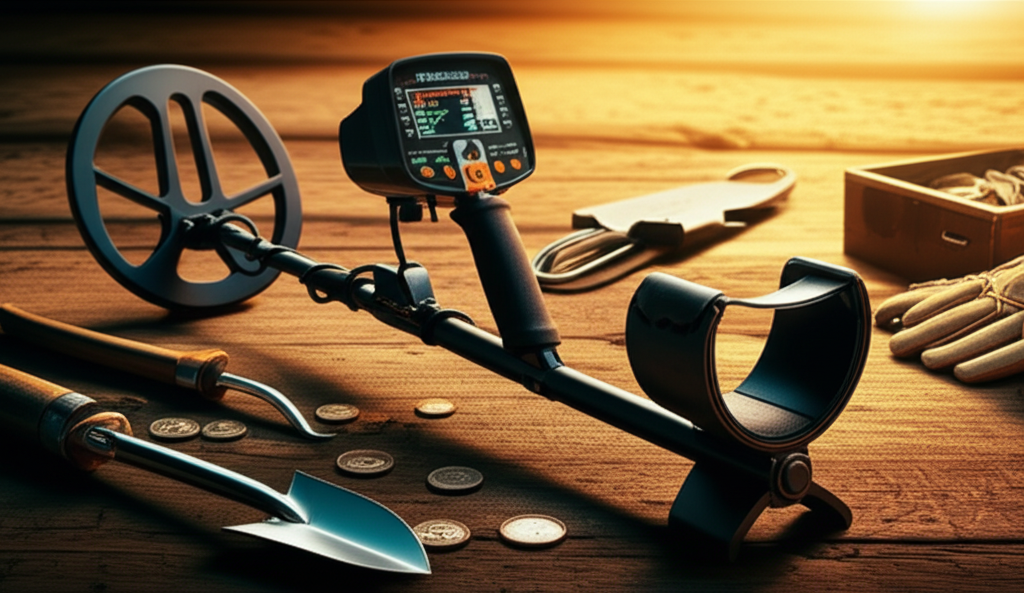
The Best Pro Metal Detector: Unearthing Essential Hidden Treasures
Discover the best pro metal detector to transform your treasure hunting adventures, finding coins, relics, and gold with confidence. This guide equips you with expert knowledge to choose wisely and maximize your finds.
Embarking on the quest for hidden treasures can feel overwhelming, especially when choosing your primary tool. The sheer variety of metal detectors available makes pinpointing the best pro metal detector a significant challenge for many. This guide cuts through the noise, offering clear, field-tested advice to help you select a detector that truly enhances your detecting experience and boosts your success rate. Get ready to uncover what makes a pro detector stand out.
Why Investing in a “Pro” Metal Detector Matters
A “pro” metal detector isn’t just about a higher price tag; it signifies advanced technology and superior performance. These machines offer greater depth, better target separation, enhanced discrimination capabilities, and more user-friendly features for serious detectorists. They are built for enthusiasts who want to maximize their finds in diverse environments, from parks and beaches to fields and forests. Investing in a professional-grade detector means investing in a more rewarding and successful treasure hunting journey.
Key Features That Define the Best Pro Metal Detectors
When evaluating the best pro metal detector, several core features consistently stand out. These are the elements that separate hobbyist machines from those used by seasoned professionals. Understanding these features will empower you to make an informed decision.
Operating Frequency: Higher frequencies are excellent for detecting small gold nuggets and shallow targets, while lower frequencies penetrate deeper for larger objects and relics. Many pro detectors offer multi-frequency capabilities, giving you versatility across different ground conditions and target types.
Ground Balancing: This crucial feature cancels out signals from mineralized soil, allowing the detector to focus on actual metal targets. Automatic and manual ground balancing options are common in pro models, ensuring optimal performance in challenging terrains.
Target ID (Identification): Professional detectors provide numerical target IDs, helping you identify what you’ve found before digging. This saves time and reduces unnecessary digging of junk targets. Different metals produce distinct ID numbers, allowing for nuanced discrimination.
Adjustable Sensitivity and Discrimination: The ability to fine-tune sensitivity and discrimination is vital. High sensitivity allows for greater depth, while precise discrimination lets you ignore common trash items like iron nails or pull tabs.
Coil Options: Interchangeable coils are a hallmark of pro detectors. Different coil sizes and shapes excel in various situations. Smaller coils are great for trashy areas and pinpointing, while larger coils offer wider coverage and deeper detection.
Waterproof Design: For beach hunters or those exploring wet conditions, a fully waterproof detector and coil are essential. This opens up a vast new realm of potential finds.
These features work in synergy to provide the performance and flexibility needed for serious treasure hunting.
Top-Tier Brands and Their Signature Pro Metal Detectors
The metal detecting market is dominated by a few reputable brands known for their innovation and reliability. Exploring their flagship models is a great starting point when searching for the best pro metal detector. I’ve spent countless hours with machines from these manufacturers, and they consistently deliver.
Minelab: Renowned for their Multi-IQ technology, Minelab detectors offer simultaneous multi-frequency operation, providing excellent performance across a wide range of targets and ground conditions. Models like the Equinox series and the higher-end CTX 3030 are incredibly popular.
Garrett: A long-standing leader, Garrett offers robust and user-friendly detectors. Their AT series (like the AT Pro and AT Max) are waterproof and highly capable, while the Apex provides advanced features at a more accessible price point for a pro-level machine.
Nokta Makro: This brand has rapidly gained acclaim for its innovative features and robust build quality. The Legend and the Simplex+ series offer excellent value and performance, making them strong contenders for the best pro metal detector for many users.
XP Detectors: Known for their lightweight, wireless designs, XP detectors like the Deus II are at the cutting edge of technology. They offer exceptional performance, speed, and user customization for experienced detectorists.
Each brand has its strengths, and the “best” often comes down to personal preference and specific detecting needs.
Evaluating Performance: Depth, Separation, and Discrimination
When I’m out in the field, three performance metrics are paramount: depth, target separation, and discrimination. The best pro metal detector excels in all three.
Depth: This refers to how deep the detector can reliably sense a metal object. Pro models generally offer significantly more depth than entry-level machines, crucial for finding older, deeper targets. This is influenced by the coil size, frequency, and the detector’s internal processing power.
Target Separation: In areas with lots of metallic debris (like old homesites or parks), the ability to distinguish between multiple targets close together is vital. A detector with good target separation can identify individual items even when they are mere inches apart, preventing you from missing good finds amidst junk.
Discrimination: This is the detector’s ability to ignore unwanted ferrous (iron) targets while still detecting valuable non-ferrous metals. Advanced discrimination allows for precise control, letting you filter out common trash like bottle caps and nails without accidentally rejecting desirable targets like coins or jewelry.
A detector that scores highly in these areas will dramatically improve your success rate and reduce the frustration of digging endless trash.
Understanding Multi-Frequency vs. Single-Frequency Detectors
The choice between multi-frequency and single-frequency technology is a significant consideration when selecting the best pro metal detector. Each has its advantages.
Single-Frequency Detectors: These operate on one specific frequency. They can be very effective for certain tasks; for example, high-frequency detectors are excellent for small gold nuggets. However, they can struggle in highly mineralized ground or when trying to detect a wide range of target types.
Multi-Frequency Detectors: These use multiple frequencies simultaneously or allow you to switch between them. This offers unparalleled versatility. They perform exceptionally well in various soil conditions (including saltwater beaches) and can detect a wider range of target sizes and types with greater accuracy. Technologies like Minelab’s Multi-IQ and Garrett’s Z-Lynk offer advanced multi-frequency capabilities that are game-changers.
For the most adaptable and high-performing best pro metal detector, multi-frequency technology is often the preferred choice.
Coils: The Eyes of Your Metal Detector
The coil is arguably the most critical component of your metal detector, acting as its “eyes.” The right coil can transform a detector’s capabilities. When seeking the best pro metal detector, pay close attention to its coil system.
Standard Coils: Most pro detectors come with a versatile coil, typically around 10-12 inches, suitable for general detecting.
Smaller Coils (e.g., 6-8 inches): These are ideal for highly trashy sites, allowing for better target separation and pinpointing. They are also great for navigating dense brush or uneven terrain.
Larger Coils (e.g., 15 inches+): These cover more ground and can achieve greater depth, making them excellent for open fields or relic hunting where targets might be deeper.
Specialty Coils: Some detectors offer coils designed for specific tasks, like deep-seeking coils for relic hunting or specialized coils for gold prospecting.
Many pro metal detectors allow for interchangeable coils, giving you the flexibility to adapt to any detecting scenario.
Pinpointers and Digging Tools: Essential Companions
Even with the best pro metal detector, you still need the right accessories to complete the job efficiently and respectfully. A good pinpointer and the proper digging tools make a world of difference.
Pinpointers: These small, handheld devices help you locate the exact position of a target within the plug of soil you’ve removed. They significantly reduce the time spent digging and increase the chances of recovering small or delicate items. I never leave home without mine.
Digging Tools:
Shovels/Trowels: Choose a sturdy digging tool appropriate for the terrain. Stainless steel models are durable and resist rust.
Sand Scoops: Essential for beach detecting, these allow you to sift sand quickly to find targets.
Plugs Cutters: These tools help you remove a clean plug of turf, allowing for a more discreet recovery and easier re-insertion of the soil, minimizing your impact on the environment.
Using these tools properly ensures you recover your finds without damaging the landscape.
Putting the Best Pro Metal Detector to Work: Field Techniques
Owning the best pro metal detector is only half the battle; knowing how to use it effectively is the other. Here are some fundamental techniques I’ve honed over the years.
1. Learn Your Detector’s Sounds: Spend time in your yard learning the audio cues for different targets. Understand what a good coin signal sounds like versus a piece of iron.
2. Master Ground Balancing: Properly balancing your detector to the ground conditions is crucial for optimal depth and reducing false signals.
3. Sweep Technique: Overlap your sweeps by about half the coil’s width to ensure you don’t miss any targets. Swing at a consistent speed.
4. Pinpointing: Once you have a target signal, use your coil to narrow down the location to a small area. Then, use your pinpointer to find the exact spot.
5. Digging Protocol: Remove a neat plug of soil, then sweep your detector over the removed soil. If the target is still present, use your pinpointer to locate it within the soil.
6. Recovery and Restoration: Recover your find carefully. If you’re in a park or public area, always fill your holes neatly, replacing the turf plug.
Consistent practice and attention to detail will significantly improve your results.
Choosing the Best Pro Metal Detector for Your Needs
Selecting the best pro metal detector involves matching its capabilities to your intended use. Consider these factors:
Budget: Pro detectors range from several hundred to over a thousand dollars. Determine what you can comfortably spend.
Target Types: Are you primarily after coins, relics, gold, or a mix? Some detectors excel in specific areas.
Terrain: Will you be detecting in parks, fields, beaches, or heavily mineralized areas? This influences the required technology (e.g., multi-frequency, waterproof).
Experience Level: While these are “pro” detectors, many are designed with user-friendliness in mind, making them accessible to intermediate detectorists as well.
Don’t be afraid to research specific models, watch video reviews, and even try to demo a detector if possible before making your final decision.
Common Mistakes to Avoid When Buying and Using a Pro Detector
Even with the best pro metal detector, beginners often make mistakes that hinder their progress. Being aware of these pitfalls can save you time and frustration.
Not reading the manual: The manual is your best friend. It contains vital information on settings and features specific to your detector.
Setting discrimination too high: Over-discriminating can cause you to miss valuable targets, especially older coins or certain types of jewelry.
Ignoring target ID numbers: Learn what different numbers mean for your specific machine. Don’t just dig every repeatable signal; use the ID to make educated guesses.
Not using a pinpointer: This is a massive time-waster. A pinpointer is an indispensable tool for efficient recovery.
Improper ground balancing: Failing to balance your detector to the soil conditions leads to instability and reduced depth.
Not upgrading coils: Sometimes, a different coil is all you need to unlock a detector’s potential in a specific environment.
Avoiding these common errors will help you get the most out of your investment in the best pro metal detector.
Frequently Asked Questions (FAQ)
Q1: What is the main difference between a hobbyist and a pro metal detector?
Pro metal detectors typically offer greater depth, better target separation, more advanced discrimination, and a wider range of features like multi-frequency operation and interchangeable coils. They are built for performance in challenging conditions.
Q2: Do I really need a pinpointer if I have the best pro metal detector?
Yes, absolutely. Even the most advanced detector will only narrow down a target to a small area. A pinpointer helps you locate the exact object within the soil plug quickly and efficiently.
Q3: Can I use a pro metal detector on the beach in saltwater?
Many modern pro metal detectors, especially those with advanced multi-frequency technology or specific saltwater modes, are designed for beach detecting, including in saltwater. Always check the detector’s specifications for waterproof ratings and saltwater capability.
Q4: How important is the coil size on a pro metal detector?
Coil size significantly impacts performance. Smaller coils offer better separation in trashy areas and pinpointing accuracy, while larger coils provide greater depth and wider coverage. Many pro detectors allow you to swap coils to suit different conditions.
Q5: Is it better to have a detector with lots of features or a simpler one?
For the best pro metal detector experience, a balance is often ideal. While too many complex features can be overwhelming, professional detectors need advanced capabilities like multi-frequency and precise discrimination for optimal performance. Learning to use these features is key.
Q6: How deep can the best pro metal detectors find targets?
Depth capabilities vary greatly depending on the detector, coil size, target size, and ground mineralization. However, high-end pro detectors can often detect coins and relics several inches deeper than basic models, sometimes reaching over 12-18 inches for larger targets.
Conclusion: Your Next Treasure Awaits
Choosing the best pro metal detector is an investment in your passion for discovery. By understanding the key features, reputable brands, and essential techniques, you are well-equipped to make a decision that will bring years of rewarding adventures. Remember, the most advanced machine is only as good as the operator, so dedicate time to learning its nuances. With the right gear and a bit of practice, you’ll be well on your way to unearthing those essential hidden treasures that lie beneath the surface. Happy hunting!

