


Published on: September 18, 2025 | Updated on: September 18, 2025
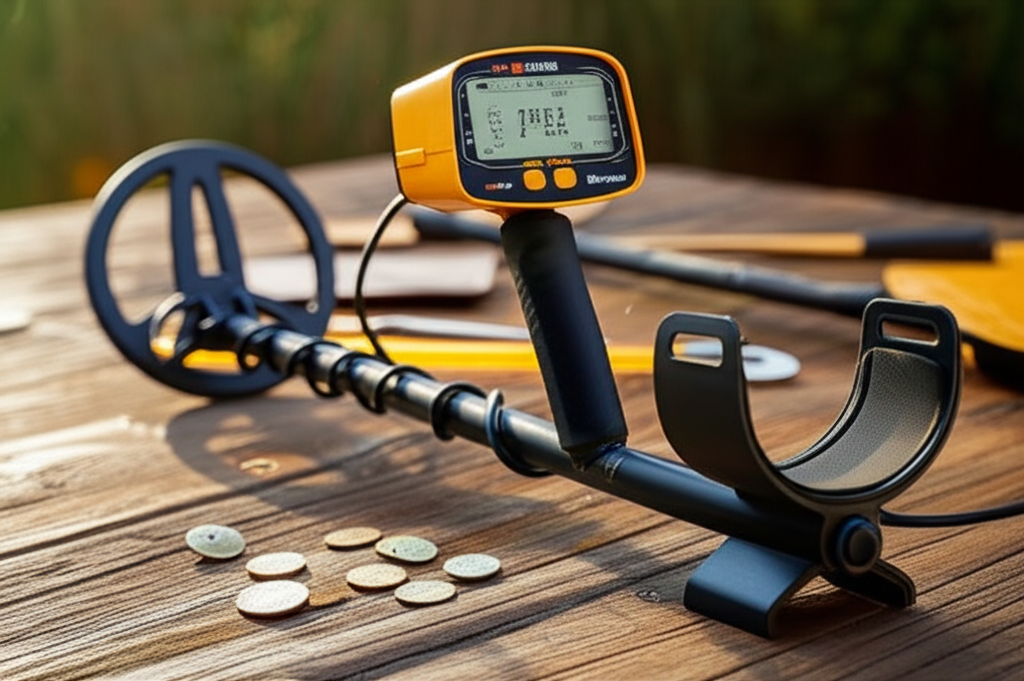
Finding the best value metal detector means getting top performance without breaking the bank. This guide reveals essential finds, from beginner-friendly models to advanced options, ensuring you maximize your treasure hunting success and investment.
Embarking on the thrilling adventure of metal detecting often starts with a burning question: how do I find a quality detector that won’t empty my pockets? It’s a common hurdle for beginners and seasoned pros alike, with a dizzying array of options on the market. Many feel overwhelmed by technical jargon and price tags, fearing they’ll either overspend on features they don’t need or underspend and end up with a detector that can’t find much. But don’t worry, I’m here to guide you through finding that sweet spot – the best value metal detector that truly delivers.
Why “Best Value” Matters in Metal Detecting
The quest for the best value metal detector isn’t just about saving money; it’s about smart investing in your hobby. A detector that offers the right balance of features, performance, and price can dramatically enhance your treasure hunting experience. It means more finds, less frustration, and a greater appreciation for the hobby.
Performance Without the Premium Price Tag

When I talk about value, I mean a detector that performs exceptionally well for its cost. This means it can effectively distinguish between different types of metals, operate reliably in various ground conditions, and offer user-friendly features. It’s about getting the most bang for your buck, allowing you to focus on the thrill of the hunt rather than worrying about your equipment.
Key Features to Look for in a Value Detector
When searching for the best value metal detector, several key features should be on your radar. These elements directly impact how effectively and enjoyably you can detect, ensuring you get the most out of your investment. Understanding these will help you make an informed decision and avoid common pitfalls.
Discrimination and Notch Discrimination
This is crucial for filtering out unwanted junk targets, like iron nails or pull tabs, so you can focus on more desirable finds such as coins or relics. Good discrimination helps you spend less time digging trash and more time uncovering treasures. Notch discrimination takes this a step further, allowing you to exclude specific target IDs within a range.
Target ID (VDI Numbers)
Target Identification numbers, often displayed as VDI (Visual Discrimination Indicator), give you an estimated idea of what metal you’ve detected before you dig. While not always 100% accurate, they are invaluable for making educated decisions about whether to dig or pass on a signal. Higher numbers generally indicate non-ferrous metals like silver and gold, while lower numbers can point to iron or foil.
Adjustable Sensitivity and Ground Balance
Sensitivity controls how deeply your detector can penetrate the ground and how small of a target it can pick up. However, too much sensitivity can lead to false signals in mineralized soil. Ground balance helps the detector ignore the ground’s mineral content, which is essential for stable operation in challenging terrains. Manual or automatic ground balance are both valuable features.
Waterproof Coil and Detector
If you plan to hunt near beaches, in rivers, or even just in wet grass, a waterproof coil is a must. Some detectors are fully submersible, opening up a whole new world of detecting opportunities. This feature significantly expands the types of locations you can explore without worrying about water damage.
Lightweight and Ergonomic Design
You’ll be swinging this detector for hours, so comfort is paramount. A lightweight design with an adjustable shaft and comfortable grip reduces fatigue, allowing for longer and more productive detecting sessions. An ergonomic design ensures that the weight is balanced, making it feel natural to hold and swing.
Top Picks for the Best Value Metal Detector
After countless hours in the field, testing various machines across different terrains, I’ve identified several detectors that consistently offer exceptional value. These aren’t necessarily the cheapest, but they provide a fantastic blend of performance, features, and durability for their price point, making them ideal for a wide range of detectorists.
1. Garrett AT Pro: The All-Terrain Workhorse
The Garrett AT Pro is a long-standing favorite for a reason; it’s built tough and performs brilliantly in almost any environment. Its waterproof design means you can take it from the beach to the creek bed without worry. I’ve found everything from old coins to relics with this machine, and it handles mineralized soil exceptionally well.
Key Features of the Garrett AT Pro:
- Waterproof: Fully submersible up to 10 feet for land and underwater detecting.
- Pro Mode Audio: Offers advanced audio cues for better target identification.
- Digital Target ID: Provides a numerical target ID for better target discrimination.
- Ground Balance: Automatic and manual ground balancing for optimal performance.
- High-Frequency Options: Available in both 15 kHz and 18.75 kHz versions for different target sensitivities.
The AT Pro is a robust choice for anyone serious about finding treasures in diverse conditions, proving its worth time and again.
2. Minelab Equinox 800: Feature-Rich and Versatile
Minelab’s Equinox series revolutionized the market with its Multi-IQ technology, and the 800 model remains a top contender for the best value metal detector for those who want advanced features without a sky-high price. It can simultaneously use multiple frequencies, giving it incredible sensitivity to a wide range of targets in various soil types. I find its performance on the beach and in parks to be outstanding.
Why the Equinox 800 Excels:
- Multi-IQ Technology: Combines multiple frequencies for superior target detection across various metals and ground conditions.
- All-Terrain Capability: Waterproof design for land and underwater use up to 10 feet.
- Multiple Detecting Modes: Pre-set modes for Park, Field, Beach, and Gold modes.
- Wireless Audio: Bluetooth and Wi-Fi audio options for comfortable detecting.
The Equinox 800 is a powerful, versatile machine that offers professional-level performance at a more accessible price point.
3. Nokta Makro Simplex+: The Budget-Friendly Champion
For beginners or those on a tighter budget, the Nokta Makro Simplex+ is an absolute game-changer. It’s incredibly easy to use, waterproof, and performs far better than its price tag suggests. I’ve seen many new detectorists start with this and pull out some amazing finds, proving that you don’t need to spend a fortune to get started.
Highlights of the Nokta Makro Simplex+:
- Waterproof: Submersible up to 10 feet.
- Simple Operation: Intuitive interface perfect for beginners.
- Built-in Wireless Module: Pairs easily with wireless headphones.
- Vibration Mode: Useful for underwater detecting or for those with hearing impairments.
- Affordable Price Point: Offers incredible value for its features.
The Simplex+ is a testament to the fact that great detecting doesn’t have to cost a fortune, making it a standout for value.
4. Fisher F75: A Classic for a Reason
The Fisher F75 is a classic in the detecting world, known for its lightweight design, excellent depth, and clear audio. It’s particularly adept at finding older, deeper targets and performs well in areas with moderate mineralization. While it might not have all the bells and whistles of newer multi-frequency machines, its core performance is undeniable, offering great value for coin and relic hunters.
Why the F75 is a Solid Value:
- Excellent Depth: Known for its ability to detect targets at significant depths.
- Lightweight Design: Comfortable for extended detecting sessions.
- Clear Audio: Provides distinct audio tones for easy target identification.
- Ground Balancing: Features both manual and automatic ground balancing.
The F75 remains a reliable choice for those seeking a no-nonsense, high-performing detector that has stood the test of time.
Essential Accessories to Complement Your Detector
Finding the best value metal detector is only part of the equation; the right accessories can significantly boost your success and enjoyment. These tools help you locate, retrieve, and identify your finds more efficiently, turning more signals into actual treasures. Investing in a few key accessories is often more impactful than upgrading your detector prematurely.
1. Pinpointer: The Crucial Close-Up Tool
Once you get a signal and dig a plug, a pinpointer is indispensable for quickly locating the target within the soil plug or hole. Without one, you’ll be sifting through dirt with your fingers or a trowel, wasting precious time and potentially damaging delicate finds. A good pinpointer is a small investment that pays for itself in saved time and reduced frustration.
Why a Pinpointer is Non-Negotiable:
- Speed: Dramatically reduces the time it takes to pinpoint a target.
- Accuracy: Helps you find targets precisely, minimizing the size of your digging hole.
- Protection: Prevents accidental damage to fragile relics or coins.
- Efficiency: Less time digging means more time detecting.
I consider a quality pinpointer as essential as the detector itself for serious treasure hunting.
2. Digging Tools: Trowels and Shovels
The right digging tools are essential for clean, responsible digging. For general detecting, a sturdy digging trowel with a serrated edge is perfect for cutting plugs in grass or soil. For deeper targets or more challenging ground, a robust digging shovel might be necessary. Always practice responsible digging techniques, and fill your holes!
Choosing Your Digging Gear:
- Trowels: Look for stainless steel with a comfortable grip and a serrated edge for cutting roots and soil.
- Shovels: A strong, sharp shovel is needed for tougher ground and deeper targets.
- Plug Cutters: Specialized tools for creating neat, circular plugs in grassy areas.
Proper tools ensure you can retrieve your finds efficiently while minimizing your impact on the environment.
3. Headphones: Hear What You’re Missing
Detecting headphones are designed to block out ambient noise and deliver clear audio signals directly to your ears. This allows you to hear faint targets that you might otherwise miss, especially in noisy environments like windy beaches or busy parks. Many modern detectors also offer wireless headphone options for added convenience.
Benefits of Using Detecting Headphones:
- Enhanced Audio Clarity: Hear subtle target signals more clearly.
- Noise Isolation: Blocks out distracting background noise.
- Privacy: Detect without disturbing others around you.
- Battery Saving: Some detectors use less battery power when headphones are plugged in.
Don’t underestimate the power of good audio; headphones are a simple upgrade that significantly improves your detecting experience.
Metal Detecting Coils: The Eyes of Your Detector
The coil is arguably the most important part of your metal detector, acting as its “eyes” to scan the ground. While most detectors come with a standard coil, upgrading or changing coils can unlock new capabilities and improve performance in specific scenarios. Understanding coil types can help you find the best value metal detector setup for your needs.
Standard vs. Aftermarket Coils
Most detectors come equipped with a general-purpose coil, often around 8-11 inches in diameter. These are designed for versatility, working well in a variety of conditions. Aftermarket coils offer specialized performance, such as deeper penetration, better target separation in trashy areas, or enhanced sensitivity to small gold nuggets.
Coil Size and Shape Matters
Smaller coils (e.g., 6-inch) are excellent for highly trashy areas, as they offer better target separation and pinpointing. They are also lighter and easier to maneuver. Larger coils (e.g., 15-inch) provide greater ground coverage and depth, making them ideal for open fields and searching for deeper targets. Elliptical coils are often better for maneuvering through brush and around obstacles.
Specialty Coils
Beyond standard sizes, you can find specialized coils like Double-D coils, which offer better performance in mineralized ground and reduced chatter, or concentric coils, which can offer slightly better depth and pinpointing accuracy in less challenging soil. For gold prospecting, very high-frequency coils are often preferred.
Choosing the right coil can make a significant difference in your detecting success, tailoring your detector’s performance to your specific hunting grounds and targets.
Gold Prospecting: A Different Ballgame
While many value detectors can find gold jewelry, true gold prospecting requires specialized equipment and knowledge. Gold is often found in highly mineralized soils, and nuggets can be very small. If your primary interest is gold, you’ll need a detector optimized for this specific task.
High-Frequency Detectors
Detectors with higher operating frequencies (15 kHz and above, often 30 kHz or higher for dedicated gold detectors) are generally more sensitive to the small, low-conductivity targets that gold nuggets represent. The Minelab Equinox 800 has a decent gold mode, but for serious prospecting, dedicated machines like the Minelab GPX series or Garrett AT Gold are superior, though these are not typically considered “best value” in the general sense.
Ground Balancing is Key
Gold is often found in areas with significant soil mineralization. Effective ground balancing, whether manual or automatic, is crucial to filter out these ground signals and clearly hear faint gold responses. Many high-end gold detectors feature advanced ground balancing capabilities.
While the best value metal detector for general use might stumble with serious gold prospecting, understanding these differences helps you choose the right tool for your specific treasure hunting aspirations.
Where to Hunt: Maximizing Your Finds
Even with the best value metal detector, your success hinges on where you choose to hunt. Different locations offer different types of targets and present unique challenges. Understanding these environments can significantly improve your chances of making exciting finds.
Parks and Playgrounds
These are classic spots for coin shooting and finding lost jewelry. Look for areas around benches, picnic tables, and old swing sets. Be aware of local regulations regarding metal detecting in public parks, as rules can vary significantly.
Beaches
Beaches are treasure troves, especially the wet sand near the waterline where people often lose items. The salt water and sand can be challenging, so a waterproof detector and coil are highly recommended. Look for areas where people congregate, near concessions or access points.
Old Home Sites and Farmland
These locations are goldmines for relics and older coins. Detecting on private property requires permission from the landowner, which is always essential. Research historical maps to identify old homesteads or areas where historical events took place.
Woods and Trails
Old trails and wooded areas can yield interesting finds, from lost buttons and buckles to older coins dropped by travelers. Be mindful of the terrain and potential for deeper targets. Always respect nature and leave no trace of your presence.
Choosing the right location, combined with the right detector, is the ultimate recipe for a successful day of detecting.
Responsible Detecting: The Detectorist’s Code
As detectorists, we have a responsibility to protect the sites we hunt and the hobby itself. Adhering to a code of ethics ensures that we can continue to enjoy detecting for years to come and maintain good relationships with landowners and the public.
Obtain Permission
Always seek permission before detecting on private property. For public lands, research and follow local ordinances and regulations. Some areas may prohibit metal detecting entirely.
Dig Responsibly
Cut neat plugs of turf and replace them carefully after retrieving your target. Minimize disturbance to the ground and vegetation. Never dig in sensitive historical or archaeological sites.
Fill Your Holes
Leave the site as you found it, or better. Ensure all holes are filled and any trash you find is removed and disposed of properly. This practice is crucial for maintaining access and public perception.
Take Your Trash With You
Often, you’ll dig up more modern trash than old coins. Carry a pouch or bag to collect and dispose of all litter properly. This shows respect for the environment and the land.
Being a responsible detectorist not only preserves the hobby but also makes you a welcome guest in any hunting location.
Frequently Asked Questions (FAQ)
What is the most important feature for a beginner’s metal detector?
For beginners, ease of use and good target identification (VDI numbers) are most important. A detector that’s simple to operate and clearly indicates potential targets helps build confidence and reduces frustration.
Can I find gold with a general-purpose metal detector?
Most general-purpose detectors can find gold jewelry. However, finding natural gold nuggets typically requires a detector with a higher operating frequency and specialized gold prospecting modes.
How much should I expect to spend on a good value metal detector?
A good value metal detector can range from $200 for excellent entry-level models to $600-$800 for highly capable all-rounders. The “best value” depends on your specific needs and budget.
Are expensive metal detectors always better?
Not necessarily. While high-end detectors offer advanced features and performance, many mid-range and even some entry-level models provide excellent value and are perfectly capable of finding treasures.
How do I know if a target signal is good or bad?
Target ID numbers (VDI) and audio tones are your best indicators. Consistent high-tone signals with high VDI numbers (e.g., 70-90) often indicate coins or jewelry. Low-tone signals and low VDI numbers can suggest iron or foil.
What is the best metal detector for beach hunting?
For beach hunting, a waterproof detector with good saltwater performance and multiple frequencies (like the Minelab Equinox series) is ideal. It needs to handle mineralized wet sand and potentially saltwater interference.
Conclusion: Your Treasure Awaits
Choosing the best value metal detector is about finding a machine that empowers your detecting journey without demanding a king’s ransom. Whether you’re a complete novice drawn to the thrill of finding your first coin or a seasoned detectorist looking for a reliable workhorse, there are fantastic options available. The Garrett AT Pro, Minelab Equinox 800, Nokta Makro Simplex+, and Fisher F75 all represent outstanding value, offering robust performance and essential features.
Remember that a great detector is amplified by the right accessories – a reliable pinpointer, appropriate digging tools, and good headphones can transform your detecting experience. By understanding what to look for, choosing wisely, and practicing responsible detecting, you’re well on your way to uncovering history and making your own exciting finds. Happy hunting!
