


Published on: September 19, 2025 | Updated on: September 19, 2025
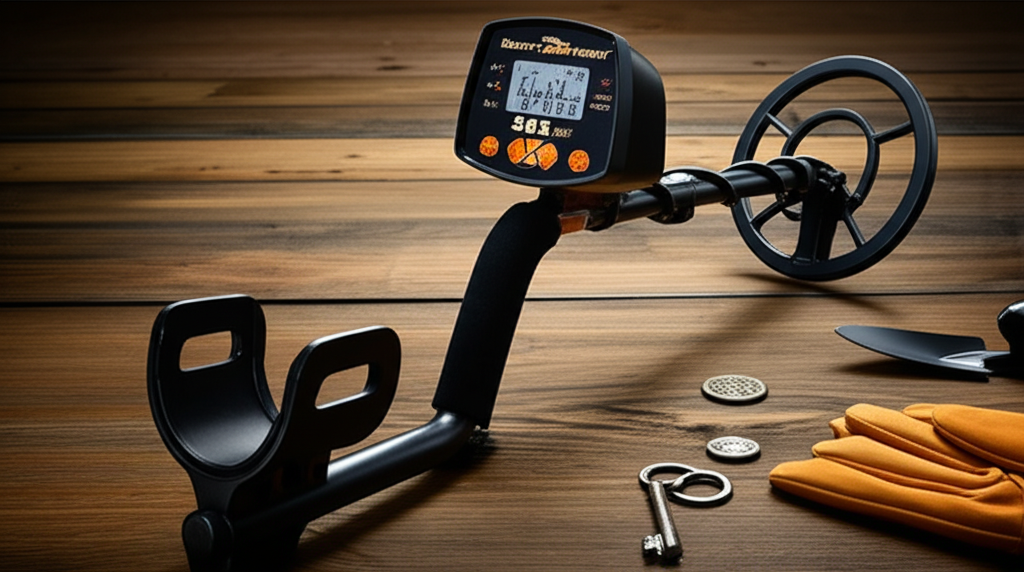
The Bounty Hunter 505 Pioneer Metal Detector is a reliable entry-level machine for uncovering coins, relics, and jewelry. This guide focuses on essential finds you can expect and how to maximize your success with this user-friendly device.
So, you’ve got your hands on a Bounty Hunter 505 Pioneer Metal Detector, or you’re thinking about getting one. It’s a popular choice for those starting out, and for good reason. This machine is designed to be straightforward, helping new detectorists get out there and start finding things without feeling overwhelmed. But what can you really expect to unearth with it? Let’s break down the essential finds that make the Bounty Hunter 505 Pioneer a worthwhile companion for your treasure-hunting adventures. We’ll cover what it’s best at, how to use it effectively, and some tips to boost your success.
Unpacking the Bounty Hunter 505 Pioneer: A Beginner’s Best Friend
The Bounty Hunter 505 Pioneer metal detector is engineered for ease of use, making it an excellent starting point for anyone new to the hobby. Its intuitive controls and lightweight design mean you can spend more time searching and less time fiddling with settings. This detector is designed to be forgiving, helping beginners learn the ropes of metal detecting without frustration.
This detector is a solid choice for beginners looking to get into the hobby without a huge investment. It balances simplicity with capability, offering a good entry point into the exciting world of metal detecting.
What Makes the Bounty Hunter 505 Pioneer Stand Out?

The Bounty Hunter 505 Pioneer shines with its user-friendly interface and straightforward operation. It’s built for accessibility, meaning you won’t be bogged down by complex menus or overwhelming settings. This focus on simplicity allows new users to quickly grasp its functions and start their detecting journey with confidence.
Its design prioritizes getting you out in the field and making finds. This approach is crucial for beginners who need encouragement and tangible results to stay motivated.
Core Features for Essential Finds
At its heart, the Bounty Hunter 505 Pioneer boasts features that are essential for uncovering common targets like coins and jewelry. It includes adjustable sensitivity and discrimination, allowing you to filter out unwanted trash signals and focus on potential treasures. The waterproof coil is another key feature, enabling you to search in shallow water or wet grass without worry.
These practical features are what make the Bounty Hunter 505 Pioneer a capable machine for its price point. They provide the foundational tools needed for a successful detecting experience.
Essential Finds with the Bounty Hunter 505 Pioneer
The Bounty Hunter 505 Pioneer metal detector excels at locating a variety of common and rewarding targets. Its sensitivity and discrimination settings are well-suited for everyday finds that bring a lot of joy to detectorists. Let’s explore the types of treasures you’re most likely to discover.
This detector is your gateway to uncovering the lost history buried just beneath the surface. Prepare to find a range of items that can tell stories of the past.
Coins: The Most Common Treasure
Coins are undoubtedly the most frequent and satisfying finds for Bounty Hunter 505 Pioneer users. This detector is sensitive enough to pick up the distinct signals of various US and international coins, from pennies and nickels to older silver dimes and quarters. Its discrimination capabilities help you ignore iron trash while still alerting you to valuable non-ferrous coins.
You’ll find that many of the most rewarding detecting sessions involve sifting through the ground for forgotten currency. The Bounty Hunter 505 Pioneer makes this process accessible and enjoyable for everyone.
Jewelry: Rings, Bracelets, and More
Beyond coins, the Bounty Hunter 505 Pioneer is adept at locating lost jewelry. Rings, earrings, and bracelets made from gold, silver, and other precious metals will often register as clear, distinct signals. Learning to interpret these signals and distinguishing them from junk is part of the fun and skill development with this detector.
The thrill of finding a lost piece of jewelry, perhaps one that has been missing for years, is immense. This detector can help you achieve that memorable moment.
Relics: Echoes of the Past
While not a specialized relic hunting machine, the Bounty Hunter 505 Pioneer can certainly uncover historical relics. Old buttons, buckles, tools, and even parts of antique machinery can be found. These items offer a tangible connection to the past, making them incredibly valuable to history enthusiasts and collectors.
These finds add a layer of historical discovery to your metal detecting hobby. Each relic tells a story waiting to be unearthed by your Bounty Hunter 505 Pioneer.
Other Metallic Objects: Unexpected Discoveries
Metal detecting is also about the thrill of the unexpected. You might find all sorts of interesting metallic objects with the Bounty Hunter 505 Pioneer, from old keys and fishing lures to small pieces of scrap metal that are nonetheless fascinating. These discoveries add an element of surprise to every outing.
The Bounty Hunter 505 Pioneer is sensitive enough to alert you to a wide range of metallic items. This means every swing could lead to an interesting find, regardless of its monetary value.
Mastering Your Bounty Hunter 505 Pioneer for Optimal Finds
To truly maximize your success with the Bounty Hunter 505 Pioneer metal detector, understanding its basic operation and employing effective techniques is key. This isn’t just about turning it on and swinging; it involves a bit of practice and learning how to interpret the signals.
Getting the most out of your detector involves more than just its features; it’s about how you use it in the field. Let’s delve into some practical tips.
Understanding the Controls: Sensitivity and Discrimination
The Bounty Hunter 505 Pioneer features adjustable sensitivity and discrimination controls. Sensitivity determines how deep the detector can “see” and how small of a target it can detect, but too high can lead to false signals. Discrimination allows you to ignore certain types of metal, like iron, helping you avoid digging junk.
Learning to balance these settings is crucial for efficient detecting. Start with lower discrimination to avoid missing good targets, then gradually increase it if needed.
Coil Control: The Key to Depth and Coverage
How you move the search coil is fundamental to effective metal detecting. Always sweep the coil in a slow, steady arc, overlapping each sweep by about half the coil’s width. This ensures you cover the ground thoroughly and don’t miss any targets.
Keeping the coil parallel to the ground as much as possible is also important for consistent depth detection. Avoid lifting the coil at the ends of your swing.
Interpreting Target Signals: What’s That Sound?
Your Bounty Hunter 505 Pioneer will produce different tones and visual indicators for different types of metal. Generally, a high-pitched tone indicates a non-ferrous target (like coins or jewelry), while a low-pitched tone often signals iron. The digital display can also provide clues about the target’s conductivity.
Practice listening to the various tones and observing the target ID numbers. This will help you learn to distinguish between good targets and trash before you even dig.
Pinpointing Your Target: The Final Step Before Digging
Once you get a strong signal, pinpointing the exact location of the target is essential. Your Bounty Hunter 505 Pioneer likely has a pinpoint mode or a notch discrimination feature that helps narrow down the signal. You can also use an audible method: swing the coil over the target from different directions until the signal is loudest.
Accurate pinpointing saves you time and effort when digging, minimizing the size of the plug you need to excavate. This is a skill that improves with practice.
Essential Accessories for Bounty Hunter 505 Pioneer Users
While the Bounty Hunter 505 Pioneer is a capable detector on its own, a few key accessories can significantly enhance your detecting experience and increase your success rate. These items are not just luxuries; they are practical tools that help you find more and dig smarter.
Investing in a few key accessories can transform your metal detecting hobby. They help you work more efficiently and make the most of every outing.
The Importance of a Pinpointer
A handheld pinpointer is arguably the most crucial accessory for any detectorist, including those using the Bounty Hunter 505 Pioneer. Once you’ve located a target area with your main coil, a pinpointer helps you zero in on the exact spot within the dug plug or hole. This drastically reduces digging time and the likelihood of damaging your find.
A good pinpointer like the Garrett Pro-Pointer AT can save you countless minutes of searching through loose soil, making your digging much more efficient. This is especially helpful for small targets or when digging in tough soil conditions.
Digging Tools: Trowels and Shovels
You can’t recover targets without the right digging tools. For general coin and relic hunting with your Bounty Hunter 505 Pioneer, a sturdy digging trowel is essential. For deeper targets or more challenging terrain, a larger digging shovel might be necessary.
Look for digging tools made of strong steel that can handle being pushed into various soil types. A serrated edge can be particularly useful for cutting through roots.
A Good Pouch or Bag for Your Finds
As you start making finds with your Bounty Hunter 505 Pioneer, you’ll need a convenient way to store them. A dedicated finds pouch that attaches to your belt is ideal. It keeps your hands free and your treasures organized and safe.
Many detectorists also carry a trash pouch or bag to collect any modern litter they dig up. Practicing “leave no trace” ethics is an important part of responsible metal detecting.
Headphones: Enhancing Signal Clarity
Using headphones with your Bounty Hunter 505 Pioneer can make a significant difference in your detecting experience. They block out ambient noise, allowing you to hear faint signals more clearly. This can be especially helpful in noisy environments like parks or busy areas.
Good quality headphones can help you distinguish subtle nuances in the detector’s audio feedback, leading to more accurate target identification.
Where to Hunt with Your Bounty Hunter 505 Pioneer
The Bounty Hunter 505 Pioneer metal detector is versatile enough for various locations, but some spots are historically more productive than others. Understanding where to look can dramatically increase your chances of making exciting finds. Always ensure you have permission to detect on private property.
Choosing the right location is half the battle in metal detecting. Let’s explore some of the best places to swing your Bounty Hunter 505 Pioneer.
Parks and Playgrounds: Hotspots for Lost Items
Public parks and playgrounds are often excellent hunting grounds, especially older ones. People lose coins, jewelry, and small toys constantly in these high-traffic areas. The Bounty Hunter 505 Pioneer is well-suited for the shallow to mid-depth targets typically found here.
Always check local regulations regarding metal detecting in parks. Many have specific rules or require permits.
Old Home Sites and Fields: Uncovering History
Searching around old home sites, abandoned farmsteads, and surrounding fields can yield fascinating relics and older coins. These locations were once centers of activity, and items were naturally dropped or lost over time. The Bounty Hunter 505 Pioneer can help you explore these historical areas.
Be mindful of property boundaries and obtain landowner permission before detecting on private land. Respecting property rights is paramount.
Beaches: A Unique Detecting Environment
Beaches offer a different but rewarding detecting experience. The Bounty Hunter 505 Pioneer’s waterproof coil allows you to search the wet sand near the water’s edge, where many items are lost by beachgoers. The dynamic environment of the beach can shift targets, so regular sweeps are important.
Saltwater can sometimes affect detector performance, so understanding your machine’s capabilities in this environment is helpful.
Schoolyards and Sports Fields
Similar to parks, schoolyards and sports fields are places where people congregate and often lose small items. Coins, jewelry, and even sports equipment can be found. These areas are often well-maintained, meaning targets can be relatively shallow.
Remember that school grounds may have restricted hours or require specific permissions for detecting.
Maintaining Your Bounty Hunter 505 Pioneer for Longevity
Proper care and maintenance will ensure your Bounty Hunter 505 Pioneer metal detector continues to perform reliably for years to come. Treating your equipment well means fewer problems in the field and a more enjoyable hobby. A little effort goes a long way.
Your metal detector is a tool that deserves attention. Keeping it in good condition ensures it’s ready for your next adventure.
Cleaning After Each Use
After each detecting session, it’s important to clean your Bounty Hunter 505 Pioneer. Use a soft, damp cloth to wipe down the control box, shaft, and coil. This removes dirt, sand, and moisture that can degrade the materials or interfere with the electronics.
Pay special attention to the coil, ensuring no dirt or debris is left clinging to it, as this can affect its performance.
Battery Care
The Bounty Hunter 505 Pioneer typically uses standard batteries. Always remove batteries if you plan to store the detector for an extended period to prevent corrosion. Using fresh, high-quality batteries will ensure consistent performance and prevent unexpected shutdowns in the field.
Check your detector’s manual for specific battery recommendations and replacement intervals.
Protecting the Coil
The search coil is the most critical part of your metal detector and can be prone to damage from rocks and rough terrain. While the Bounty Hunter 505 Pioneer’s coil is durable, consider using a coil cover for added protection, especially if you hunt in rocky areas.
A coil cover is a relatively inexpensive accessory that can significantly extend the life of your search coil.
Troubleshooting Common Issues with the Bounty Hunter 505 Pioneer
Even the best metal detectors can encounter occasional issues. Understanding common problems and their solutions with the Bounty Hunter 505 Pioneer can save you frustration and keep you detecting. Most issues are simple to resolve with a bit of knowledge.
Don’t let minor glitches stop your detecting fun. Here are some common issues and how to address them.
False Signals and Chatter
If your Bounty Hunter 505 Pioneer is giving off a lot of false signals or “chatter,” it’s often due to high sensitivity settings, electromagnetic interference, or mineralized ground. Try lowering the sensitivity slightly, moving away from potential sources of interference (like power lines), or adjusting discrimination.
Sometimes, a rapid sweep of the coil can also cause instability. Ensure your sweeps are slow and steady.
No Signals or Weak Signals
If you’re not getting any signals, or they are very weak, check that the batteries are fresh and correctly inserted. Ensure the coil cable is securely connected to the control box. If you’re in an area with highly mineralized soil, you might need to adjust the sensitivity and discrimination settings.
Double-check that you haven’t accidentally engaged a very high discrimination level that is filtering out your target.
Difficulty Pinpointing
If you’re struggling to pinpoint targets accurately, it might be a matter of practice. Ensure you are using the pinpoint function correctly or employing the X-pattern swing method to find the loudest signal. A handheld pinpointer can also greatly simplify this process.
Sometimes, very small or deep targets can be challenging to pinpoint precisely. Patience and practice are key here.
Bounty Hunter 505 Pioneer vs. Other Entry-Level Detectors
When considering the Bounty Hunter 505 Pioneer, it’s helpful to see how it stacks up against other popular entry-level metal detectors. While it offers great value, understanding its strengths and weaknesses in comparison can help solidify your choice.
Each detector has its own nuances. Let’s briefly compare the Bounty Hunter 505 Pioneer to some common alternatives.
Key Differentiating Factors
The Bounty Hunter 505 Pioneer often competes with models from brands like Garrett (e.g., Ace series), Minelab (e.g., Vanquish series), and Teknetics. Its primary advantage is often its simplicity and lower price point, making it highly accessible. More advanced detectors might offer deeper penetration, better target separation, or more specialized features.
However, for basic coin and jewelry hunting, the Bounty Hunter 505 Pioneer provides a robust feature set that is hard to beat for its cost.
Value Proposition
The value proposition of the Bounty Hunter 505 Pioneer is its effectiveness combined with affordability. It delivers the core functionalities needed to enjoy the hobby and make finds without the steep learning curve or financial commitment of higher-end machines. This makes it an excellent choice for beginners and casual detectorists.
Ultimately, the best detector is the one you have with you and know how to use. The Bounty Hunter 505 Pioneer makes it easy to get started and enjoy the thrill of discovery.
Frequently Asked Questions About the Bounty Hunter 505 Pioneer
Here are some common questions beginners have about using the Bounty Hunter 505 Pioneer metal detector.
Can I find gold with the Bounty Hunter 505 Pioneer?
While the Bounty Hunter 505 Pioneer is primarily designed for coins and relics, it can detect larger gold jewelry. However, it’s not optimized for prospecting tiny gold nuggets in mineralized soil, which would require a specialized gold detector.
How deep can the Bounty Hunter 505 Pioneer detect?
The detection depth varies depending on the target size, type, and ground conditions. For a coin-sized target in average soil, you can expect depths of around 6-8 inches. Larger objects will be detected deeper.
Is the Bounty Hunter 505 Pioneer waterproof?
The search coil on the Bounty Hunter 505 Pioneer is waterproof, allowing you to detect in shallow water or wet grass. However, the control box is typically not waterproof, so it should be protected from rain and submersion.
What kind of batteries does it use?
The Bounty Hunter 505 Pioneer typically uses standard AA or 9V batteries. Always check your specific model’s manual for the exact type and quantity required.
Is it difficult to learn how to use?
No, the Bounty Hunter 505 Pioneer is designed for ease of use and is considered one of the more beginner-friendly detectors on the market. Its controls are intuitive and straightforward.
Can I use different coils with the Bounty Hunter 505 Pioneer?
While aftermarket coils are available for some Bounty Hunter models, compatibility can vary. It’s best to check with Bounty Hunter or reputable detector dealers to confirm coil compatibility for the 505 Pioneer.
What is the best setting for finding old coins?
For old coins, start with a low discrimination setting (perhaps around the foil level) and moderate sensitivity. This helps ensure you don’t miss valuable targets that might register close to junk signals. Adjust as needed based on the area you are detecting.
Conclusion: Your Treasure-Hunting Journey Starts Here
The Bounty Hunter 505 Pioneer metal detector is an excellent starting point for anyone eager to explore the world of metal detecting. It’s a reliable, user-friendly machine that consistently delivers on its promise of fun and rewarding finds, from common coins and lost jewelry to intriguing historical relics. By understanding its features, employing effective techniques, and using essential accessories, you’ll be well-equipped to maximize your success and embark on countless exciting treasure-hunting adventures.
With the Bounty Hunter 505 Pioneer metal detector, your journey into uncovering hidden treasures is just beginning. Happy hunting!
