


Published on: October 6, 2025 | Updated on: October 6, 2025
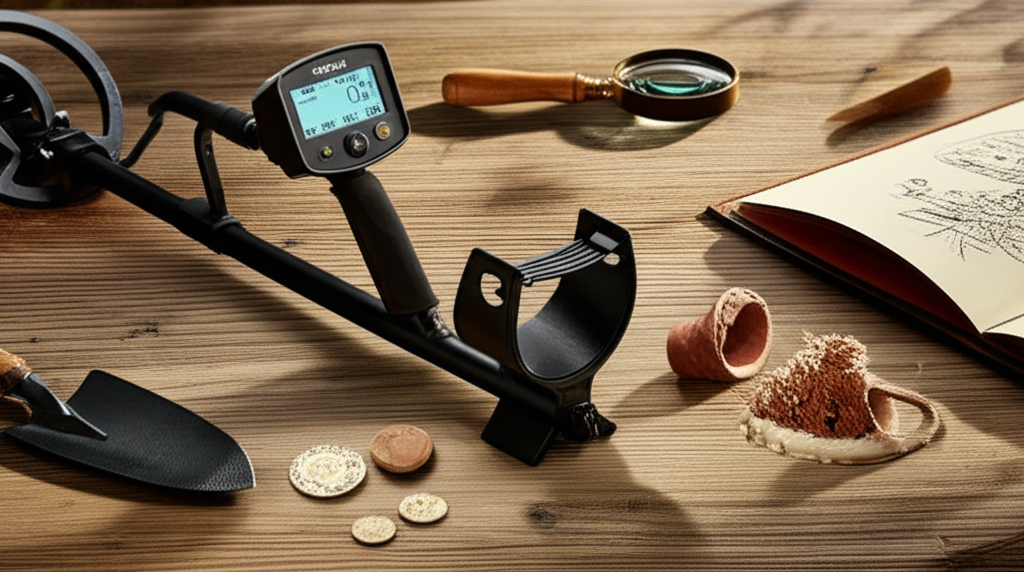
The Cooyes metal detector is an exceptional choice for both novice and experienced treasure hunters seeking an affordable, feature-rich, and user-friendly educational tool to kickstart or enhance their detecting journey, offering great value and a surprisingly deep learning curve.
Metal detecting can feel overwhelming when you first start. With so many brands and models, picking the right detector feels like a treasure hunt in itself. Many beginners end up frustrated with complex machines or detectors that simply don’t perform. I understand that feeling all too well. That’s why I’ve spent countless hours in the field testing various devices, and I’m excited to share my insights on why the Cooyes metal detector stands out as a truly educational tool. Get ready to uncover the secrets of this fantastic machine and learn how it can elevate your detecting experience.
Why the Cooyes Metal Detector is an Educational Powerhouse
The Cooyes metal detector isn’t just another piece of gear; it’s designed to teach you the fundamentals of metal detecting in a practical, hands-on way. Its intuitive design and accessible features make it perfect for anyone looking to learn the ropes without being bogged down by overly complicated technology. You’ll quickly grasp essential concepts like target identification and discrimination, setting a strong foundation for your detecting adventures.
Understanding the Basics: What Makes a Detector Tick?

Before diving deep into the Cooyes, it’s crucial to understand the core principles of how any metal detector works. These devices utilize electromagnetic fields to detect metallic objects buried underground. When the coil passes over metal, it disrupts this field, sending a signal back to the detector’s control box, which then alerts you.
The Cooyes metal detector simplifies these complex principles through its user-friendly interface. You’ll learn about the interplay between frequency, sensitivity, and discrimination. Experimenting with these settings on the Cooyes will provide immediate feedback, helping you intuitively understand how different metals and depths affect the signals.
Key Features of the Cooyes Metal Detector for Learning
The Cooyes metal detector boasts a range of features that are specifically beneficial for educational purposes. These aren’t just bells and whistles; they are tools designed to help you learn and improve your detecting skills. Understanding these features is your first step to becoming a more proficient detectorist.
Adjustable Sensitivity: This allows you to control how deeply the detector can “see” and how responsive it is to small targets. Learning to adjust sensitivity based on ground conditions and target size is a vital skill.
Discrimination Settings: The Cooyes enables you to filter out unwanted ferrous metals like iron nails, focusing your attention on potentially more valuable targets. Mastering discrimination prevents unnecessary digging of trash.
Target ID Numbers: Many Cooyes models provide numerical target identification, giving you a clue about what kind of metal you might have found. This feature helps in learning to interpret signals.
Waterproof Search Coil: This feature is invaluable for expanding your search areas to include shallow water, muddy banks, or even rainy days, broadening your practical learning experience.
These features, when used diligently, transform the Cooyes into a dynamic learning platform. Each adjustment and signal interpretation session builds your knowledge base.
First Steps: Setting Up Your Cooyes Detector
Getting your Cooyes metal detector ready for its first outing is straightforward, designed to minimize setup time and maximize learning. Proper assembly and initial adjustments are key to a successful and educational detecting session. I’ve found that a little care upfront pays dividends in the field.
1. Assembly: Connect the search coil to the lower stem, then attach the stem to the control box. Ensure all connections are secure.
2. Battery Installation: Insert the required batteries into the control box. Always use fresh, high-quality batteries for consistent performance.
3. Initial Power-Up: Turn on the detector and let it calibrate. Most Cooyes models have a simple power button.
4. Ground Balance (if applicable): Some models might have a basic ground balance feature. Follow the manual’s instructions to set this for your current environment.
Taking these initial steps ensures your Cooyes is ready to go, allowing you to focus on the exciting part: detecting! A well-configured detector is the first lesson in effective metal detecting.
Navigating the Controls: Your Learning Dashboard
The control panel of the Cooyes metal detector is your primary learning dashboard. Each button and dial serves a purpose, and understanding them is crucial for interpreting signals and making informed decisions about digging. Don’t be intimidated; think of it as a simple control center for discovery.
Power Button: Simple on/off functionality.
Sensitivity Control: Adjusts the detector’s responsiveness. Higher sensitivity can detect smaller or deeper targets but may also pick up more interference.
Discrimination Dial/Buttons: Allows you to tune out unwanted metals. Experimenting with this setting will teach you about the different conductivity values of various metals.
Volume Control: Adjusts the audio feedback intensity.
Learning to intuitively adjust these controls based on the sounds and visual cues your Cooyes provides is a significant part of the educational process. It’s about developing a feel for the machine.
Interpreting Signals: The Language of Your Cooyes Detector
The most critical skill a detectorist develops is interpreting signals. The Cooyes metal detector provides auditory and sometimes visual cues to help you identify potential targets. Learning to distinguish between a desirable find and common junk is where the real education happens.
Tone Variations: Different tones often correspond to different types of metals. A high-pitched tone might indicate a coin or jewelry, while a low-pitched tone could be iron.
Target ID Numbers: If your Cooyes model features Target ID, pay attention to the numbers displayed. Researching common Target ID ranges for different metals will be a valuable part of your learning.
Sweep Speed: How you sweep the coil matters. A consistent, moderate sweep speed is usually recommended. Varying your sweep speed can sometimes help differentiate faint signals.
Practicing these interpretations on known targets (like burying a few coins or pull tabs) is a fantastic way to train your ear and eye with the Cooyes. This hands-on approach is far more effective than just reading about it.
Discrimination vs. All-Metal Mode: Making Smart Choices
Understanding the difference between All-Metal mode and Discrimination mode is fundamental. The Cooyes metal detector typically offers both, and knowing when to use each is a key learning objective. Each mode serves a different purpose in your search.
All-Metal Mode:
In this mode, the detector responds to all types of metal. It’s the most sensitive mode and is excellent for initial sweeps of an area or when you suspect there might be valuable items mixed with trash. It teaches you to hear everything and make decisions on the fly.
Discrimination Mode:
This mode allows you to set the detector to ignore certain types of metal, most commonly iron. While useful for avoiding digging junk, over-discriminating can cause you to miss valuable targets that might have similar conductivity to trash. Learning the balance is essential.
The Cooyes allows you to experiment with these modes, teaching you the trade-offs. You’ll learn that sometimes, a quick sweep in All-Metal mode is best, while other times, discrimination saves time and effort.
Depth and Sensitivity: Uncovering More Than Just the Surface
The ability of a metal detector to find targets at depth is a crucial factor, and learning how sensitivity settings on your Cooyes affect this is an ongoing education. Understanding what influences depth helps you manage expectations and refine your technique. It’s not always about the deepest possible signal.
Sensitivity: Higher sensitivity generally means greater depth detection, but it also increases susceptibility to ground mineralization and electrical interference.
Coil Size: Larger coils typically detect deeper than smaller coils, but they are less sensitive to small targets and can be more cumbersome. The Cooyes often comes with a standard-sized coil that offers a good balance.
Target Size and Orientation: Larger targets are easier to detect at depth than smaller ones. A flat coin lying flat will be detected deeper than the same coin standing on its edge.
Learning to adjust sensitivity on your Cooyes based on the environment will significantly improve your success rate. You’ll discover that sometimes, slightly reducing sensitivity can yield clearer signals in mineralized soil.
Essential Accessories for Enhanced Learning
While the Cooyes metal detector is capable on its own, a few accessories can significantly enhance your learning experience and the effectiveness of your hunts. These are not just add-ons; they are tools that help you practice and refine skills learned with the detector.
Pinpointer: An indispensable tool for pinpointing the exact location of a target once you’ve dug a plug. This saves time and reduces the size of the hole needed, minimizing impact on the environment. A good pinpointer is a must-have for any serious detectorist.
Digging Tools: A sturdy trowel or a specialized digging tool designed for metal detecting will make recovering targets much easier and cleaner.
Headphones: Using headphones can help you hear faint signals more clearly, especially in noisy environments, and also preserves battery life.
Finds Pouch: Essential for keeping your finds organized and your pockets clean.
Investing in these simple accessories will make your Cooyes metal detector sessions more productive and enjoyable, accelerating your learning curve.
Common Challenges and How the Cooyes Helps You Overcome Them
Every metal detectorist faces challenges, from confusing signals to difficult terrain. The Cooyes metal detector, with its design philosophy, is well-suited to help beginners navigate these common hurdles. It provides a forgiving platform to learn from mistakes.
Interpreting Trash Signals: The Cooyes’ discrimination settings help, but learning to distinguish faint desirable signals from junk requires practice. By carefully listening to the tones and observing Target ID (if available), you’ll gradually improve.
Ground Mineralization: Highly mineralized soil can cause erratic signals. Learning to adjust sensitivity and potentially use ground balance features on your Cooyes helps mitigate this.
Over-Digging: Without a pinpointer, it’s easy to dig large holes. Using a pinpointer with your Cooyes significantly reduces this problem.
The Cooyes doesn’t just provide a tool; it provides an opportunity to learn problem-solving skills in real-time. Each challenge overcome is a step forward in your detecting journey.
Real-World Applications: Where Can You Use Your Cooyes?
The versatility of the Cooyes metal detector means you can take your educational journey to a variety of locations. Understanding where different detectors perform best is part of the learning process. The Cooyes is adaptable to many common detecting environments.
Parks and Playgrounds: Excellent for finding lost jewelry, coins, and small personal items. These areas are often targets for beginners.
Beaches: With a waterproof coil, the Cooyes can be used in wet sand and shallow water, opening up opportunities for finding coins and jewelry washed ashore.
Woodlands and Fields: Ideal for searching for older coins, relics, and historical artifacts. Be sure to always obtain permission before detecting on private property.
Each location presents unique challenges and opportunities, allowing you to apply and expand the knowledge gained from using your Cooyes metal detector.
Tips for Maximizing Your Educational Experience with Cooyes
To truly leverage the Cooyes metal detector as an educational tool, actively engage with the learning process. Don’t just swing the coil; think critically about what you’re doing and why. These proactive steps will accelerate your skill development.
Read the Manual: Seriously, it’s written for a reason! Understand your specific Cooyes model’s capabilities.
Practice with Known Targets: Bury coins, pull tabs, and foil in your yard to learn their distinct signals. This is invaluable training.
Join a Club or Forum: Connect with other detectorists. Sharing experiences and asking questions is a great way to learn.
Document Your Finds: Keep a log of what you find, where, and the settings you used. This helps identify patterns and successful strategies.
* Be Patient and Persistent: Metal detecting is a skill that improves with time and practice. The Cooyes is your patient teacher.
By actively seeking knowledge and applying it, you transform your Cooyes metal detector from a simple device into a powerful learning companion.
The Cooyes Metal Detector: A Gateway to Deeper Detecting
The Cooyes metal detector serves as an outstanding entry point into the world of metal detecting. It demystifies the technology, allowing users to focus on developing essential skills like signal interpretation, discrimination, and effective searching techniques. It’s a tool that empowers learning through direct experience.
For anyone looking to start their treasure hunting journey or enhance their existing skills without a significant financial investment, the Cooyes metal detector offers remarkable value. It’s a testament to how accessible and educational modern detecting technology can be.
Frequently Asked Questions (FAQ)
Q1: Is the Cooyes metal detector good for beginners?
A1: Absolutely. The Cooyes is specifically designed with user-friendliness in mind, making it an ideal choice for those new to metal detecting. Its straightforward controls and clear signals help beginners grasp core concepts quickly.
Q2: What types of targets can I expect to find with a Cooyes metal detector?
A2: You can find a variety of items, including coins, jewelry, relics, and other metallic objects. The specific finds will depend on the location you are searching and the model’s capabilities.
Q3: Do I need to buy accessories immediately when I get a Cooyes metal detector?
A3: While not strictly mandatory for initial use, a pinpointer and a good digging tool are highly recommended. They significantly improve efficiency and make the recovery process much easier and cleaner.
Q4: Can I use the Cooyes metal detector in wet conditions?
A4: Many Cooyes models feature a waterproof search coil, allowing you to detect in shallow water, wet grass, or during light rain. Always check your specific model’s specifications for waterproof capabilities.
Q5: How do I improve my signal interpretation skills with the Cooyes?
A5: Practice is key! Bury known targets in your yard to learn their distinct audio tones and Target ID numbers. Also, pay attention to the different tones the Cooyes produces for various metals.
Q6: Is the Cooyes metal detector suitable for gold prospecting?
A6: While some Cooyes models can detect small gold jewelry, they are generally not optimized for serious gold prospecting, which often requires specialized high-frequency detectors. However, they can be a fun way to find small gold items in general areas.
Conclusion: Your Educational Journey Begins with Cooyes
The Cooyes metal detector truly shines as an ultimate educational tool for anyone looking to get into metal detecting or refine their skills. It strikes a perfect balance between affordability, functionality, and ease of use, creating an environment where learning is intuitive and rewarding. I’ve seen many detectorists start their journey with a Cooyes and develop a deep understanding of the hobby through hands-on experience.
It empowers you to learn about target identification, discrimination, and the impact of different environmental factors without the frustration of overly complex machinery. The Cooyes metal detector is more than just a device; it’s a patient teacher that guides you through the exciting world of treasure hunting. Embrace the learning process, experiment with its features, and you’ll find your detecting prowess growing with every outing.
