


Published on: September 11, 2025 | Updated on: September 11, 2025
Learn how to clean cheap jewelry with baking soda using simple, effective methods to restore its shine and remove tarnish without harsh chemicals.
Have you ever looked at your favorite costume jewelry, only to find it dull, tarnished, or just plain grimy? It’s a common frustration, especially with pieces that aren’t made of precious metals. These beloved accessories can lose their sparkle surprisingly quickly, leaving you wondering if they’re beyond saving. But don’t despair! There’s a surprisingly simple, incredibly effective, and budget-friendly solution hiding in your kitchen pantry: baking soda. Get ready to give your favorite affordable pieces a new lease on life.
Why Baking Soda is Your Go-To for Cleaning Cheap Jewelry
Baking soda, also known as sodium bicarbonate, is a mild alkali and a gentle abrasive, making it ideal for cleaning delicate items like costume jewelry. Its natural properties allow it to lift away dirt, grime, and even light tarnish without scratching or damaging the base metals or faux gemstones commonly found in less expensive pieces. This makes it a superior alternative to harsh chemicals that can cause irreparable harm.
The Gentle Abrasive Power of Baking Soda
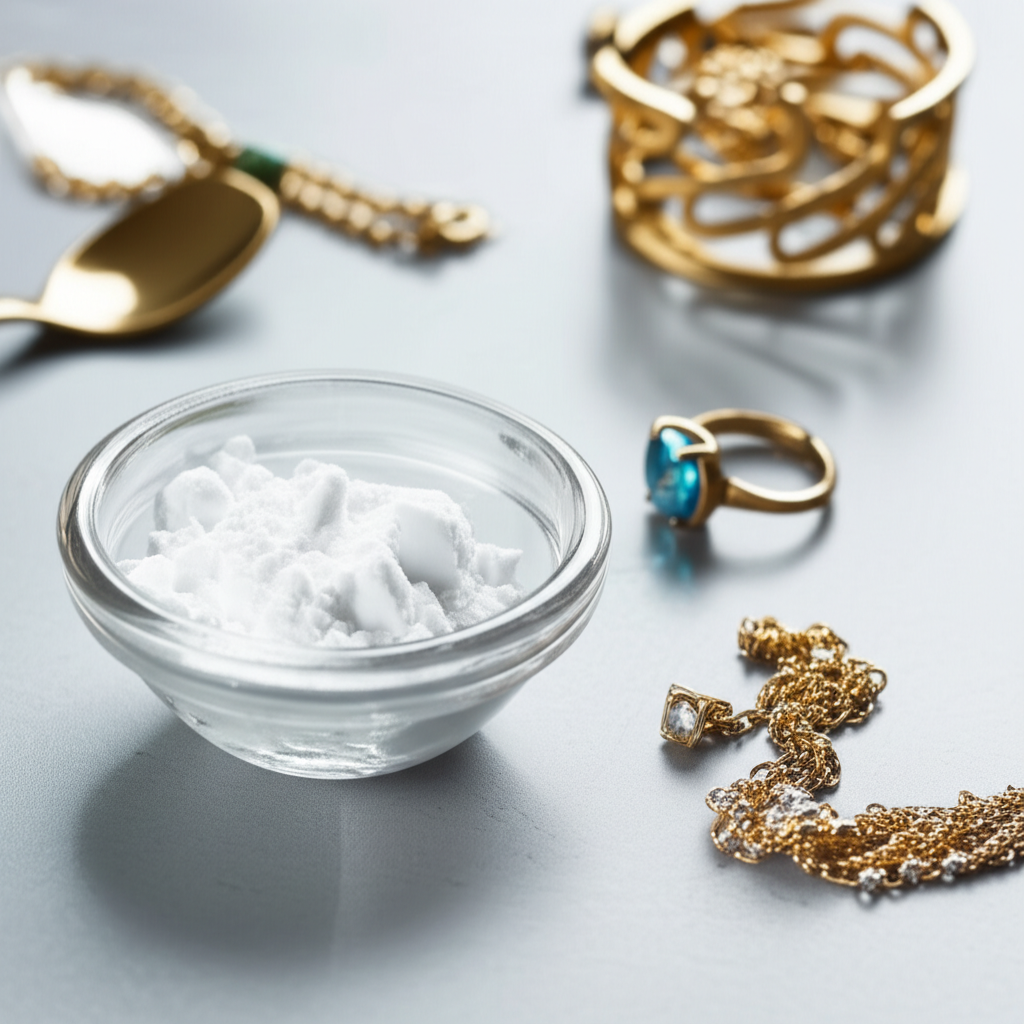
Baking soda’s fine, uniform particles act as a mild exfoliant. When mixed with water to form a paste, these particles can gently scrub away build-up. This is crucial for jewelry where plating might be thin or where intricate details could easily be marred by harsher scrubbing agents.
Natural Odor Neutralization
Beyond just cleaning, baking soda is excellent at neutralizing odors. This is a bonus for jewelry that might have absorbed sweat or perfume over time, leaving them feeling fresh and clean.
Cost-Effective and Readily Available
One of the biggest advantages is its accessibility and low cost. A box of baking soda costs mere pennies and is likely already in your kitchen. This means you can achieve professional-level cleaning results without spending a fortune on specialized jewelry cleaners.
Gathering Your Supplies for Baking Soda Jewelry Cleaning
Before you dive in, ensure you have a few basic items ready. Having everything at hand will make the cleaning process smooth and efficient. This preparation is key to a successful DIY cleaning session.
Essential Items You’ll Need
- Baking Soda
- Warm Water
- A Small Bowl
- A Soft Cloth (microfiber is ideal)
- A Soft-Bristled Brush (like an old toothbrush)
- Optional: Aluminum Foil
- Optional: A Mild Dish Soap
These simple supplies are all you need to tackle most common jewelry cleaning tasks. You won’t need any specialized tools or expensive chemicals for these effective methods.
Choosing the Right Bowl and Brush
Opt for a non-metallic bowl to avoid any potential reactions with the baking soda or jewelry. A glass or ceramic bowl works perfectly. For the brush, an old, clean toothbrush with soft bristles is your best friend. Avoid stiff bristles, which can scratch surfaces.
Method 1: The Baking Soda Paste for Deep Cleaning
This is perhaps the most direct and effective way to tackle dirt and grime. The paste allows for controlled application and gentle scrubbing. It’s a versatile method suitable for most types of affordable jewelry.
Creating the Perfect Baking Soda Paste
In your small bowl, combine about two tablespoons of baking soda with just enough warm water to form a thick paste. It should be spreadable but not runny. Think of the consistency of toothpaste.
Mix thoroughly until you achieve a smooth, lump-free paste. This consistency is key for effective cleaning without being too abrasive or too dilute.
Applying the Paste to Your Jewelry
Gently apply the paste to your jewelry using your fingers or the soft-bristled brush. Focus on areas with visible dirt, tarnish, or grime. Work the paste into crevices and around stones carefully.
Be gentle when applying the paste, especially around delicate settings or plated surfaces. A little goes a long way in lifting away accumulated dirt.
Gentle Scrubbing and Rinsing
Using the soft-bristled brush, gently scrub the jewelry in small, circular motions. Pay attention to intricate details where dirt tends to hide. Once you’ve scrubbed all areas, rinse the jewelry thoroughly under warm running water.
Ensure all baking soda residue is completely washed away. Leftover paste can dry and leave a dull film on your jewelry.
Drying and Buffing for Shine
Pat your jewelry dry with a soft, lint-free cloth. Then, use the cloth to gently buff the pieces until they shine. This final step removes any remaining moisture and brings out the luster.
Proper drying prevents water spots and enhances the restored shine of your cleaned jewelry. A good buff can make a world of difference.
Method 2: The Baking Soda and Foil Soak for Tarnish Removal
This method utilizes a chemical reaction between baking soda, aluminum foil, and the tarnish itself to lift it away. It’s particularly effective for jewelry that has a dull, grayish film of tarnish. This technique is often called an electrochemical reaction.
Preparing the Soaking Container
Line a non-metallic bowl with aluminum foil, shiny side up. Ensure the foil covers the bottom and sides of the bowl. This foil acts as a conductor for the cleaning reaction.
The aluminum foil is crucial for this method as it facilitates the transfer of electrons needed for the tarnish removal process.
Adding Baking Soda and Hot Water
Add one tablespoon of baking soda to the foil-lined bowl. Then, carefully pour in about a cup of very hot (not boiling) water. Stir gently to dissolve the baking soda, creating a fizzy solution.
The hot water helps to speed up the chemical reaction, making the tarnish removal process more efficient and quicker.
Submerging Your Tarnished Jewelry
Place your tarnished jewelry directly onto the aluminum foil in the baking soda solution. Make sure each piece is in contact with the foil. You might notice a slight odor or see the tarnish begin to lift almost immediately.
Ensure good contact between the jewelry and the foil; this direct connection is what allows the magic to happen and lift away the tarnish.
The Waiting Game and Observation
Let the jewelry soak for about 5-10 minutes. The exact time will depend on the severity of the tarnish. You should see the solution become cloudy as the tarnish is transferred from your jewelry to the foil.
Keep an eye on your jewelry during this soak; over-soaking isn’t usually an issue with this method, but it’s good to observe the process.
Rinsing and Drying the Gleaming Pieces
Carefully remove the jewelry from the solution. Rinse each piece thoroughly under cool running water to remove any lingering solution. Pat dry with a soft cloth and then buff to a shine.
A thorough rinse is important to remove any residual baking soda and ensure the jewelry is ready to be worn or stored.
Method 3: The Gentle Scrub with Baking Soda Slurry
This method is a lighter version of the paste, perfect for jewelry that needs a gentle refresh rather than a deep clean. It’s quick, easy, and requires minimal effort. This is ideal for regular maintenance cleaning.
Making a Thin Baking Soda Slurry
In a small dish, mix a tablespoon of baking soda with just a few drops of warm water. You want a thin, milky consistency – much looser than the paste. This allows for easy application with a brush.
This lighter mixture ensures you’re not applying too much abrasive power, making it safe for even the most delicate pieces of jewelry.
Applying and Gently Scrubbing
Dip your soft-bristled brush into the slurry and gently scrub your jewelry. Focus on areas that look dull or have light surface grime. Use light pressure and focus on cleaning the surface.
The key here is gentle friction; you’re aiming to lift surface dirt, not to abrade away any plating.
Thorough Rinsing and Drying
Rinse the jewelry under warm water, ensuring all the baking soda slurry is washed away. Then, gently pat dry with a soft cloth. For an extra sparkle, buff with a dry section of the cloth.
A good rinse and dry are essential to prevent any residue from dulling the finish after cleaning.
Important Considerations and Precautions
While baking soda is gentle, it’s not universally safe for all types of jewelry. Knowing what to avoid will prevent damage and disappointment. Always test on an inconspicuous area if you’re unsure.
What Types of Jewelry to Avoid?
- Pearls and Opals: These are porous and can be easily damaged by abrasives or prolonged moisture.
- Emeralds and Turquoise: These softer gemstones can be scratched or have their color altered by baking soda.
- Antique or Very Delicate Pieces: If a piece is extremely old or has intricate filigree, a professional cleaning might be safer.
- Jewelry with Soft Adhesives: If stones are glued in, avoid soaking, as the adhesive could weaken.
Always err on the side of caution with valuable or sentimental pieces. If in doubt, a professional jeweler is your best bet.
The Risk of Abrasion and Plating Damage
Even though baking soda is a mild abrasive, repeated or aggressive scrubbing can wear down plating over time. Always use the softest brush possible and minimal pressure. For plated items, the foil soak method is generally safer than vigorous scrubbing.
Gentle handling is paramount; the goal is to clean, not to wear down the material of your jewelry.
Testing on an Inconspicuous Area
Before applying any cleaning method to your entire piece, test it on a small, hidden spot. This could be the back of a pendant or the inside of a ring band. This allows you to see how the jewelry reacts without risking visible damage.
This small step can save you a lot of heartache by confirming the safety of your chosen cleaning method for that specific piece.
How Often Can You Clean Jewelry with Baking Soda?
Regular cleaning is good for maintaining your jewelry’s appearance. However, over-cleaning, even with gentle methods, can sometimes lead to wear and tear. For most fashion jewelry, cleaning every few months or when it visibly loses its shine is sufficient.
Frequency for Different Types of Jewelry
- Everyday Wear: If you wear a piece daily, a quick wipe with a dry cloth after each wear and a gentle slurry clean every 1-2 months might be appropriate.
- Occasional Wear: Pieces worn only a few times a year might only need cleaning when tarnish or grime becomes noticeable, perhaps once a year.
- Heavily Tarnished Pieces: If a piece is severely tarnished, the foil soak method can be used more frequently, but still monitor for any adverse reactions.
Listen to your jewelry; if it looks dull or dirty, it’s probably time for a clean.
The Impact of Environmental Factors
Exposure to moisture, perfumes, lotions, and even air pollution can accelerate tarnishing and grime build-up. Storing your jewelry properly in airtight bags or boxes can significantly reduce the need for frequent, intensive cleaning. Proper storage is a key part of jewelry maintenance.
Protecting your jewelry from the elements when not in use is as important as cleaning it when it gets dirty.
Comparing Baking Soda to Other Cleaning Methods
Baking soda offers a fantastic balance of effectiveness, safety, and affordability. However, it’s helpful to know how it stacks up against other common DIY and commercial options. This comparison helps solidify why baking soda is often the best choice for cheap jewelry.
Baking Soda vs. Toothpaste
Toothpaste contains abrasives and chemicals that can be harsher than baking soda. While it can clean, it carries a higher risk of scratching delicate surfaces or removing plating. Baking soda, when used correctly, is much gentler.
Toothpaste might seem like a good idea, but its varied ingredients can be too aggressive for costume jewelry.
Baking Soda vs. Lemon Juice
Lemon juice is acidic and can effectively remove tarnish. However, its acidity can also damage certain metals and gemstones, and prolonged exposure can be detrimental. Baking soda’s mild alkalinity is generally safer for a wider range of materials.
The strong acidity of lemon juice, while effective on some metals, poses a risk to the integrity and finish of costume jewelry.
Baking Soda vs. Commercial Jewelry Cleaners
Many commercial cleaners contain harsh chemicals like ammonia or cyanide, which can be very effective but also very damaging to certain materials, especially plated metals. Baking soda offers a natural, less aggressive alternative that is often sufficient for costume jewelry needs. Always check the label of commercial cleaners for suitability.
While commercial cleaners promise results, they often come with a chemical punch that baking soda wisely avoids for everyday jewelry.
Troubleshooting Common Jewelry Cleaning Issues
Even with the best methods, you might encounter a few hiccups. Knowing how to address them ensures you can still achieve great results. Don’t get discouraged if your first attempt isn’t perfect.
Stubborn Tarnish That Won’t Budge
If the baking soda and foil method doesn’t remove all the tarnish, it might be too deep or a different type of discoloration. For stubborn tarnish on very cheap jewelry, you might consider a very dilute, specialized cleaner (test thoroughly!) or accept that some tarnish is permanent. For slightly more valuable costume pieces, a professional might be able to help.
Persistent tarnish can sometimes be a sign that the metal itself is degrading, and a baking soda soak might be the safest extent of your DIY efforts.
Jewelry Still Looks Dull After Cleaning
This can happen if residue was left behind or if the underlying metal has lost its shine. Ensure you rinse thoroughly and buff well. If it’s still dull, the metal itself might be pitted or heavily worn, and a good buffing might be all you can do.
A final buff with a clean, dry cloth can often revive a dull finish that seems to resist cleaning.
Accidental Scratching During Cleaning
If you notice a scratch, it’s likely due to using too much pressure or a brush with stiff bristles. For minor scratches on plated jewelry, it’s often impossible to remove them without professional refinishing. For future cleanings, always use the softest brush and lightest touch.
Scratches are usually permanent damage; the best strategy is prevention through gentle cleaning techniques.
When to Seek Professional Cleaning or Repair
While baking soda is a fantastic DIY solution, some situations call for expert intervention. Knowing when to hand over your treasured pieces to a professional ensures their longevity and beauty. Don’t hesitate to seek help when needed.
Valuable or Sentimental Pieces
If your jewelry, even if inexpensive, holds significant sentimental value, or if you suspect it might be made of a more precious metal that looks cheap, professional cleaning is the safest route. They have specialized tools and knowledge to handle delicate items without risk.
For pieces that mean the world to you, investing in professional care is often the wisest decision.
Heavily Damaged or Delicate Settings
If stones are loose, settings are bent, or the jewelry is antique and fragile, a DIY approach can cause further damage. Jewelers can often repair these issues while also cleaning the piece safely.
Delicate craftsmanship and potential damage mean a professional touch is required for safe cleaning and restoration.
Unidentified Metal or Stones
If you’re unsure about the materials your jewelry is made from, especially if it looks like it could be real but you’re not sure, it’s best to consult a jeweler. They can identify the materials and recommend the appropriate cleaning methods.
Professional identification of materials ensures that the cleaning process won’t inadvertently harm the piece.
Frequently Asked Questions About Cleaning Cheap Jewelry with Baking Soda
Can I use baking soda on gold-plated jewelry?
Yes, you can use baking soda on gold-plated jewelry, but with extreme caution. Always use the paste or slurry method with a very soft brush and minimal pressure. Avoid the foil soak method, as it can sometimes strip plating. Test on an inconspicuous area first.
Will baking soda damage costume jewelry?
Baking soda is generally safe for most costume jewelry, but it’s not foolproof. Avoid using it on porous stones like pearls or opals, and be cautious with softer gemstones. Always test on a small area if you’re unsure.
How do I make jewelry sparkle after cleaning?
After cleaning and rinsing, pat your jewelry dry with a soft, lint-free cloth. Then, use a dry section of the cloth to gently buff the pieces. This friction helps to bring out the shine and remove any residual moisture that might dull the finish.
Can baking soda remove black tarnish from silver-plated jewelry?
Yes, the baking soda and aluminum foil soak method is very effective at removing black tarnish from silver-plated jewelry. Ensure good contact between the jewelry and the foil for the best results. Always rinse and dry thoroughly afterward.
Is it safe to clean jewelry with a baking soda paste every week?
It’s generally not recommended to clean jewelry with a baking soda paste every week, as even mild abrasion can cause wear over time, especially on plated items. Cleaning every few months, or when visibly needed, is usually sufficient for maintaining shine and cleanliness.
Conclusion: A Sparkling Solution for Your Affordable Treasures
You now have the knowledge to breathe new life into your collection of affordable jewelry. The humble baking soda proves itself to be a powerful, yet gentle, ally in keeping your costume pieces looking their best. From simple pastes to effective tarnish-lifting soaks, these methods are accessible, budget-friendly, and surprisingly effective. Remember to always handle your jewelry with care, test methods when in doubt, and enjoy the renewed sparkle of your favorite accessories. Happy cleaning!
