


Published on: November 7, 2025 | Updated on: November 7, 2025
An adjustable work stool is key to a comfortable and focused home office. It helps you find the perfect height for any task, reducing strain and boosting productivity. This guide explores why it’s essential and how to choose the right one.
Working from home has become common. Many people sit for long hours. This can lead to discomfort and pain. Finding the right seating is very important for your health. An adjustable work stool offers a great solution. It helps you sit better and work smarter. This article will guide you through everything you need to know about adjustable work stools. We will cover their benefits, how to choose one, and where they fit best in your workspace.
Why an Adjustable Work Stool is a Game-Changer for Your Home Office

An adjustable work stool provides dynamic seating that adapts to you and your tasks. Unlike static chairs, it allows for easy height changes, promoting better posture and reducing fatigue throughout the workday. This flexibility is crucial for maintaining energy and focus.
The Problem with Traditional Seating and Long Work Hours
Most standard office chairs weren’t designed for the varied needs of a modern home office. They often lock you into one position. Sitting for too long in a fixed posture can strain your back and neck. It can also lead to poor circulation. This discomfort makes it hard to concentrate on your work.
How an Adjustable Work Stool Solves These Issues
An adjustable work stool lets you change its height with ease. You can find the perfect level for your desk. This allows for a more natural sitting position. It can also encourage small movements. These movements help prevent stiffness and improve blood flow. A comfortable body leads to a more focused mind.
Key Benefits of Using an Adjustable Work Stool
Using an adjustable work stool brings many advantages. It directly impacts your physical well-being and your ability to concentrate. These benefits make it a worthwhile investment for any home office setup.
Enhanced Ergonomics and Posture Support
An adjustable work stool helps you achieve ergonomic perfection. You can set the seat height so your feet are flat on the floor. Your knees should be at a 90-degree angle. Your arms should rest comfortably on your desk. This alignment reduces stress on your spine and joints. Good posture is vital for long-term health.
Increased Comfort and Reduced Fatigue
When you can adjust your seating, you reduce pressure points. This makes sitting for extended periods much more comfortable. Less discomfort means less fatigue. You can stay focused on your tasks for longer. This boosts your overall productivity.
Improved Focus and Productivity
Comfort is directly linked to focus. When you are not distracted by aches or pains, your mind is free. You can concentrate better on the work at hand. An adjustable stool helps create that comfort. This leads to more efficient work sessions.
Versatility for Different Tasks and Desks
Adjustable work stools are incredibly versatile. They work well with standard desks. They are also perfect for standing desks or drafting tables. You can easily adjust the height for different activities. This makes it a flexible piece of furniture.
Encourages Movement and Active Sitting
Many adjustable stools are designed to allow subtle movements. Some might have a slightly flexible base. This encourages you to shift your weight. Small movements can prevent stiffness. They also engage your core muscles slightly. This makes sitting less sedentary.
Types of Adjustable Work Stools
Not all adjustable work stools are the same. They come in various designs to suit different needs and preferences. Understanding these types can help you pick the best one.
Task Stools
These are general-purpose stools. They are good for a variety of tasks. They typically offer basic height adjustment. Some may have a backrest for added support. They are a solid choice for everyday office use.
Drafting Stools
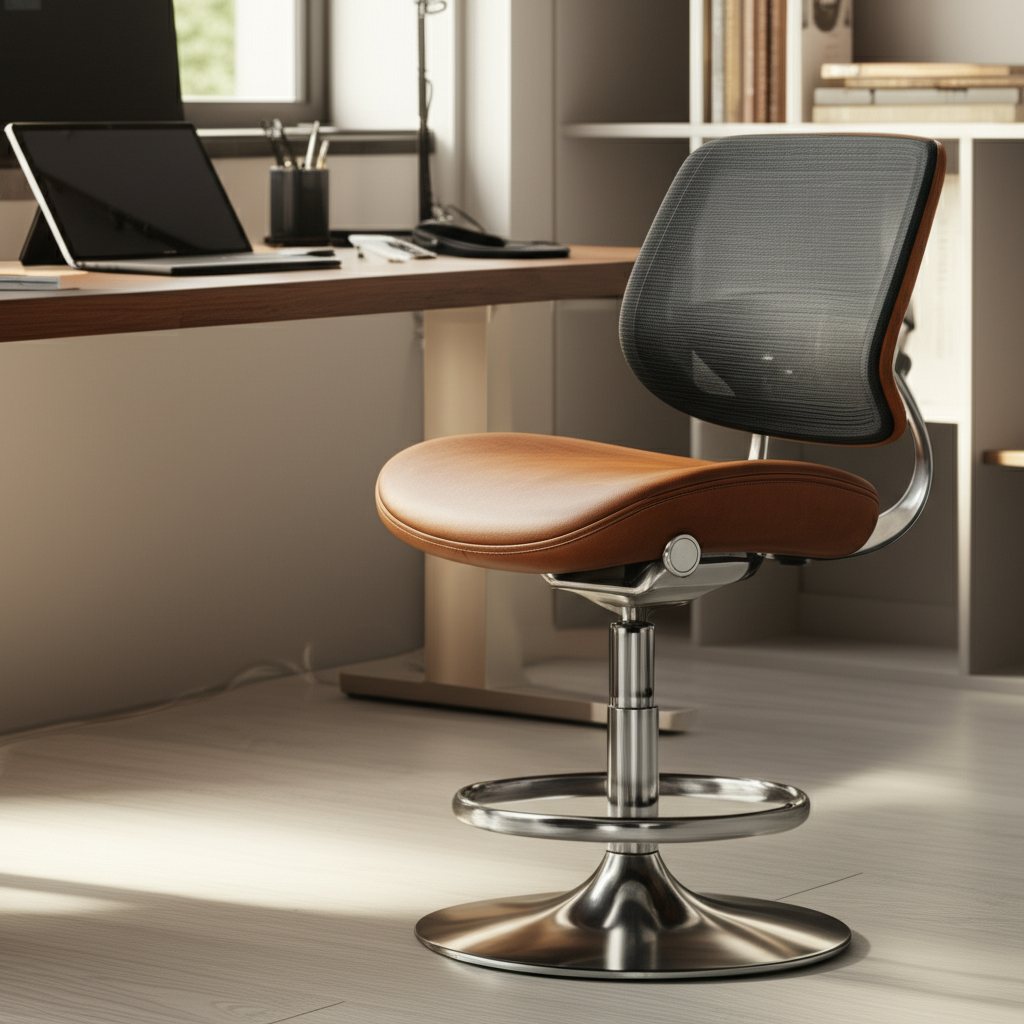
Drafting stools are usually taller. They are designed for use with standing desks or high tables. They often have a footrest ring. This ring provides support for your feet when sitting high. They are excellent for creative work or technical tasks.
Saddle Stools
Saddle stools mimic the shape of a horse’s saddle. This design encourages an open hip angle. It can help improve posture and reduce lower back strain. They are very effective for certain users. They require some adjustment to get used to.
Stools with Back Support
Some adjustable stools include a backrest. This can be a fixed or adjustable lumbar support. It offers extra comfort for longer sitting periods. This type bridges the gap between a stool and a traditional chair.
Stools with Wheels
Many stools have casters (wheels). This allows for easy mobility around your workspace. You can move around without getting up. This can be very convenient for multitasking.
Factors to Consider When Buying an Adjustable Work Stool
Choosing the right adjustable work stool involves looking at several key features. Consider your workspace, your body, and your work habits. This ensures you get a stool that truly meets your needs.
Height Adjustment Range
Check the stool’s minimum and maximum height. Ensure it covers the range you need. You should be able to set it for your desk height. It should also allow comfortable sitting for you. A wider range offers more flexibility.
Seat Size and Comfort
The seat should be comfortable for you. Consider its width and depth. A padded seat offers more cushioning. Some seats are contoured for better support. A wider seat might be better for longer sitting periods.
Back Support (If Needed)
Decide if you need back support. If you have back issues, a stool with a good backrest is wise. Look for lumbar support. Ensure the backrest is adjustable. If you prefer to sit without back support, choose a stool designed for that.
Base Stability and Mobility
A stable base is essential for safety. Stools with five legs (like chairs) are generally more stable. Consider if you need wheels. Wheels add mobility but can make the stool less stable on uneven surfaces.
Material and Durability
Stools are made from various materials. Common options include fabric, leather, mesh, and plastic. Choose a material that is comfortable and easy to clean. Look for a sturdy construction that will last. Check the weight capacity.
Ease of Adjustment
The height adjustment mechanism should be easy to use. Pneumatic (air-powered) levers are common. They allow for smooth adjustments. Ensure you can change the height quickly.
Your Desk Type and Height
Consider your desk. Is it a standard height desk? Is it a standing desk? A drafting stool might be best for a standing desk. A standard task stool works well for regular desks. Measure your desk height to ensure compatibility.
Integrating an Adjustable Work Stool into Your Workspace
An adjustable work stool can be a central part of your home office setup. Its flexibility allows it to fit in various configurations. Think about how it will work with your existing furniture.
With a Standard Desk
Place the stool at your desk. Adjust the height so your forearms are parallel to the desk surface. Your feet should rest flat on the floor. This creates a balanced and comfortable posture.
With a Standing Desk
An adjustable stool is excellent for standing desks. You can alternate between sitting and standing. Set the stool higher to match the standing desk height. This allows you to rest without fully breaking your workflow. Many people find this reduces fatigue from standing.
In Smaller Spaces
Stools often have a smaller footprint than chairs. This makes them ideal for compact home offices. They can be tucked under a desk when not in use. This saves valuable floor space.
For Ergonomic Workstations
An adjustable stool is a key component of an ergonomic setup. It works alongside other ergonomic tools. This includes monitor stands and keyboard trays. Together, they create a workspace that supports your health.
Comparing Adjustable Work Stools: Key Features at a Glance
Here’s a quick look at common features. This helps you compare different models.
| Feature | Standard Task Stool | Drafting Stool | Saddle Stool | Stool with Back |
| :—————— | :—————— | :————- | :————- | :————– |
| Typical Height | Medium | Tall | Medium | Medium |
| Ideal Desk Type | Standard | Standing/High | Standard | Standard |
| Footrest | Optional | Common | Not typical | Optional |
| Back Support | Optional | Rare | Rare | Common |
| Mobility | Often wheeled | Often wheeled | Often wheeled | Often wheeled |
| Best For | General tasks | High work | Posture focus | Extended sit |
Real-World Use Cases and User Experiences
Many professionals have found adjustable work stools transformative. They report significant improvements in comfort and productivity.
“I used to get a sore back by midday,” says Sarah, a freelance graphic designer. “Since getting an adjustable drafting stool for my standing desk, I can switch positions easily. My back pain is gone, and I feel more energetic.”
Another user, Mark, a software developer, shares, “My home office is small. A bulky chair just didn’t fit. The adjustable work stool I bought is compact. It tucks away neatly. Plus, I can adjust it perfectly for my coding sessions.”
These experiences highlight the practical benefits. They show how an adjustable stool can solve common home office problems.
Maintaining Your Adjustable Work Stool
Like any piece of furniture, your stool needs care. Regular maintenance ensures it works well for years.
Cleaning the Upholstery
Wipe down fabric or leather seats regularly. Use a damp cloth and mild soap. Check the manufacturer’s instructions for specific cleaning advice. Mesh can often be cleaned with a soft brush.
Checking Adjustment Mechanisms
Periodically test the height adjustment. Ensure the lever works smoothly. If it feels stiff, check for any debris. Pneumatic cylinders might need occasional checks for leaks, though this is rare.
Tightening Loose Parts
Inspect the stool for any loose screws or bolts. Tighten them as needed. This is especially important for stools with wheels. A secure stool is a safe stool.
The Role of Adjustable Stools in Future Work Environments
As hybrid and remote work continue to grow, ergonomic solutions are becoming more important. Adjustable furniture, like work stools, will play a bigger role. They allow individuals to customize their workspace. This adaptability is key to employee well-being and productivity.
The demand for flexible and health-conscious office furniture is rising. Adjustable work stools fit perfectly into this trend. They offer a compact, versatile, and ergonomic solution. Companies and individuals are recognizing their value.
Frequently Asked Questions about Adjustable Work Stools
What is the ideal height for an adjustable work stool?
The ideal height allows your feet to be flat on the floor. Your knees should form a 90-degree angle. Your forearms should be parallel to your desk surface.
Can an adjustable work stool replace an office chair?
Yes, for many people, an adjustable work stool can replace an office chair. It depends on your personal comfort needs and work style. Some prefer the full support of a chair.
Are saddle stools good for your back?
Saddle stools can be very good for your back. They encourage an open hip angle and better posture. This can reduce strain on the lower back. However, they can take time to get used to.
How do I choose the right stool for a standing desk?
For a standing desk, choose a taller adjustable stool. Ensure it has a wide height range. A footrest ring is also very helpful for comfort. You want to be able to alternate between sitting and standing easily.
What is the difference between a drafting stool and a task stool?
Drafting stools are typically taller and designed for high desks or standing desks. They often include a footrest ring. Task stools are usually shorter and designed for standard desks.
How much weight can an adjustable work stool typically hold?
Most standard adjustable work stools can hold between 200-300 pounds (90-135 kg). Always check the manufacturer’s specifications for the exact weight limit.
Conclusion: Invest in Your Comfort and Focus with an Adjustable Work Stool
An adjustable work stool is more than just a piece of office furniture. It’s an investment in your comfort, health, and productivity. By allowing you to customize your seating position, it helps reduce strain and fatigue. This leads to better focus and more efficient work. Whether you use it with a standard desk or a standing desk, its versatility makes it a valuable addition to any home office. Choosing the right adjustable work stool means considering your needs and your workspace. With the right stool, you can create an ergonomic environment that supports you throughout your workday.
If you found this guide helpful, consider subscribing to ToolGuider for more expert reviews and tips on optimizing your home office.
