


Published on: September 6, 2025 | Updated on: September 6, 2025
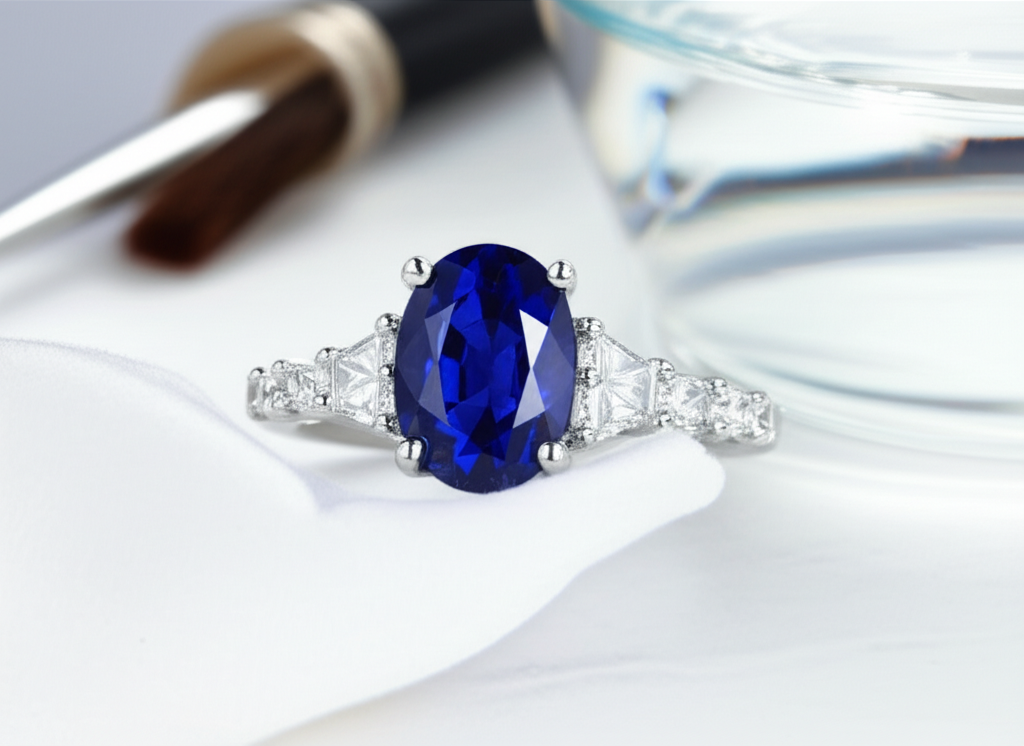
Learn how to clean your sapphire ring safely and effectively at home with this essential guide, preserving its brilliance and value for years to come.
Your sapphire ring is more than just an accessory; it’s a symbol of elegance and perhaps a cherished heirloom. Over time, however, daily wear can dull its sparkle, trapping oils, lotions, and dust. Don’t worry, keeping your sapphire looking its best is surprisingly simple. This guide will walk you through the best methods for how to clean sapphire ring safely, ensuring you can restore its dazzling shine without causing any damage. We’ll cover everything from everyday maintenance to tackling stubborn grime, so you can confidently care for your precious gemstone.
Why Keeping Your Sapphire Ring Clean Matters
A clean sapphire ring truly shines, reflecting light beautifully and showcasing its natural brilliance. Over time, dirt, oils, and residue from everyday products can build up, creating a cloudy film that diminishes the stone’s sparkle. Regular cleaning not only enhances its appearance but also helps maintain the integrity of the metal setting. This essential guide will show you exactly how to clean sapphire ring effectively, protecting your investment and keeping it looking as radiant as the day you got it.
Understanding Your Sapphire Ring: What to Consider Before Cleaning
Before you dive into cleaning, it’s crucial to understand your sapphire ring. Sapphires are durable, but their settings can vary, and some treatments might affect how they should be cleaned. Knowing your ring’s specifics ensures you choose the safest and most effective cleaning method. This section will help you identify potential risks and prepare for a sparkling clean result.
The Durability of Sapphires

Sapphires score a 9 on the Mohs hardness scale, making them incredibly tough and resistant to scratching. This remarkable durability means they can withstand regular wear and many cleaning methods. However, this doesn’t mean they are indestructible; extreme impacts can still cause chips or fractures. Understanding their hardness helps us choose cleaning agents that won’t damage the stone itself.
Common Sapphire Ring Settings and Their Care
The way your sapphire is set significantly impacts cleaning. Prongs, bezels, and channel settings all hold the stone differently and can trap dirt in various ways. For example, a prong setting might allow more debris underneath the stone, while a bezel setting might require more careful cleaning around the edges. Always consider your specific setting to avoid dislodging the stone or scratching the metal.
Sapphire Treatments and Their Implications
Many sapphires are heat-treated to enhance their color and clarity. While this is a common and accepted practice, these treatments can sometimes make the stone more susceptible to damage from harsh chemicals or extreme temperature changes. If you suspect your sapphire has been treated, it’s best to stick to the mildest cleaning solutions. When in doubt, consult a jeweler about your specific stone.
Essential Tools and Supplies for Cleaning Your Sapphire Ring
Gathering the right tools is the first step to a successful cleaning session. You don’t need fancy equipment; most of what you’ll need can be found around your home. Having these items ready ensures a smooth and efficient process for how to clean sapphire ring. Let’s get prepared for a brilliant shine!
The Cleaning Solution: What to Use and What to Avoid
The most effective and safest cleaning solution for most sapphire rings is a mild detergent mixed with warm water. Ammonia-based cleaners or bleach should be strictly avoided, as they can damage certain metals and potentially affect the sapphire’s setting or treatments. A simple, gentle approach is usually best for preserving your ring’s beauty.
Gentle Brushes and Cloths
A soft-bristled toothbrush is your best friend for dislodging dirt from around the sapphire and its setting. Avoid stiff brushes that could scratch the metal. For drying and polishing, a lint-free microfiber cloth is ideal. It’s gentle enough not to cause scratches and effective at removing water spots, leaving your ring gleaming.
Other Helpful Items
You might also find a small bowl for soaking, a pair of tweezers (for retrieving small items if needed), and a colander or fine-mesh sieve useful. These simple items make the cleaning process more organized and prevent accidental loss of your precious ring. Having everything at hand makes learning how to clean sapphire ring a breeze.
The Safest Method: How to Clean Sapphire Ring with Mild Soap and Water
This is the go-to method for most sapphire rings and is exceptionally safe and effective for everyday cleaning. It gently lifts away dirt and oils without risking damage to the stone or its setting. Follow these simple steps to restore your ring’s sparkle.
Step 1: Prepare Your Cleaning Station
Find a clean, well-lit area. Place a soft towel or mat down to prevent your ring from rolling or bouncing if dropped. Fill a small bowl with warm water and add a few drops of mild dish soap, like Dawn or a similar gentle detergent. Stir gently to mix.
Step 2: Soak Your Ring
Carefully place your sapphire ring into the soapy water. Let it soak for about 20 to 40 minutes. This allows the warm water and soap to loosen any accumulated grime, making it easier to remove in the next steps.
Step 3: Gentle Scrubbing
Using a soft-bristled toothbrush, gently scrub around the sapphire and its setting. Pay attention to the nooks and crannies where dirt tends to hide. Be thorough but gentle; you’re aiming to lift dirt, not scrub away the metal.
Step 4: Rinse Thoroughly
Rinse your ring under warm running water. Ensure all soap residue is washed away. You can use a fine-mesh sieve or colander to catch the ring in case it slips from your fingers, preventing it from going down the drain.
Step 5: Dry and Polish
Gently pat your ring dry with a soft, lint-free microfiber cloth. Avoid paper towels, as they can leave lint behind. Buff the metal and stone gently to reveal its full shine. Your sapphire ring should now look noticeably brighter and cleaner.
This simple soap and water method is the cornerstone of how to clean sapphire ring, proving that effective care doesn’t require harsh chemicals. A quick rinse and polish afterward brings back its dazzling luster.
Deep Cleaning Your Sapphire Ring: Tackling Stubborn Grime
For sapphires that haven’t been cleaned in a while or have accumulated tougher buildup, a slightly more intensive approach might be necessary. This method builds upon the basic soap and water technique, incorporating a bit more soaking time or a very mild cleaning agent. Always proceed with caution and prioritize the safety of your stone.
When to Consider Deep Cleaning
If your sapphire looks dull, cloudy, or has visible residue that the basic method doesn’t remove, it’s time for a deep clean. This is especially true if you wear your ring daily, as oils from your skin and products can build up significantly. A deep clean will restore that brilliant sparkle you love.
Using a Mild Ammonia Solution (with Caution)
For sapphires with persistent grime, a solution of one part ammonia to six parts water can be effective. Ammonia is a good degreaser. Soak the ring for about 10-15 minutes, then gently scrub with a soft toothbrush. Rinse thoroughly under running water and dry with a microfiber cloth. Note: Avoid this method if your sapphire has fracture fillings or is treated with oil, as ammonia can damage these treatments.
Alternative: Baking Soda Paste (Use Sparingly and Carefully)
A paste made from baking soda and water can sometimes help lift stubborn dirt. Mix a small amount of baking soda with water to form a paste. Apply it gently to the ring with your finger or a soft cloth, avoiding vigorous scrubbing. Rinse thoroughly and dry. This method is best for metal and less risky for the stone itself, but always test on an inconspicuous area if possible.
Always remember that with deep cleaning, gentleness is key. The goal is to remove grime, not to abrade or damage the sapphire or its setting. A thorough rinse and careful drying are essential after any deep cleaning process.
Cleaning Sapphire Rings with Specific Metal Settings
The metal of your ring’s setting plays a vital role in how you should approach cleaning. Different metals have different sensitivities to cleaning solutions and techniques. Ensuring you cater to your specific metal type will prevent damage and keep your entire ring looking its best.
Gold Settings (Yellow, White, Rose)
Gold is relatively durable but can be scratched. For yellow and rose gold, mild soap and water are usually sufficient. White gold, which is often plated with rhodium, requires extra care. Avoid abrasive cleaners or brushes that could wear away the plating. Stick to soft cloths and very gentle scrubbing.
Platinum Settings
Platinum is a very dense and durable metal, making it resistant to tarnish and corrosion. However, it can still scratch, and these scratches can be more visible than on gold. For platinum settings, mild soap and water are perfectly safe. Use a soft brush and a microfiber cloth for drying and polishing.
Silver Settings
Silver is softer than gold or platinum and can tarnish easily. While mild soap and water can clean the sapphire itself, cleaning the silver requires a different approach. Use a dedicated silver polishing cloth or a mild silver cleaner. Be careful not to get silver polish on the sapphire or its setting, as it can be abrasive.
It’s essential to remember that even though sapphires are hard, their settings might not be. Always prioritize the care of the metal to maintain the overall beauty and integrity of your ring.
What NOT to Do When Cleaning Your Sapphire Ring
Mistakes in cleaning can inadvertently damage your precious sapphire ring. Understanding common pitfalls is as important as knowing the right techniques. Avoid these practices to ensure your ring remains beautiful and unharmed for years to come.
Avoid Harsh Chemicals and Abrasives
Never use bleach, ammonia (unless heavily diluted and for specific cases, as noted), or abrasive cleaners like scouring powders. These can etch the metal, damage certain gemstone treatments, or even dull the sapphire’s surface over time. Stick to gentle, pH-neutral cleaners.
Steer Clear of Ultrasonic and Steam Cleaners (Sometimes)
While jewelers often use these, they can be risky for home users. Ultrasonic cleaners use high-frequency vibrations that can dislodge stones in loose settings or damage sapphires with internal inclusions or treatments. Steam cleaners use high heat and pressure, which can also be problematic for treated stones. If you’re unsure about your stone’s treatment or setting, avoid these methods.
Don’t Use Toothpicks or Sharp Objects
Resist the urge to use toothpicks, needles, or other sharp objects to pick at dirt. These can easily scratch the metal or even chip the gemstone. A soft toothbrush is the safest tool for removing debris.
Limit Exposure to Extreme Temperatures
Sudden or extreme temperature changes can potentially stress a gemstone, especially if it has internal fractures or treatments. Avoid plunging a warm ring into ice-cold water or vice-versa. Gradual temperature changes are always best.
By being mindful of these “don’ts,” you significantly reduce the risk of accidental damage when learning how to clean sapphire ring. Safety and gentleness are paramount.
How Often Should You Clean Your Sapphire Ring?
The frequency of cleaning depends on how often you wear your ring and the types of activities you engage in. Regular cleaning prevents buildup and keeps your sapphire looking its best. Here’s a general guideline to help you decide.
Everyday Wear and Tear
If you wear your sapphire ring daily, it’s exposed to oils, lotions, soaps, and dust. A quick clean with mild soap and water once every two weeks to a month is usually sufficient to maintain its shine. This prevents significant buildup.
Occasional Wear
For rings worn only on special occasions, cleaning might be needed only a few times a year, or even just before you plan to wear it. However, even occasional wear can expose the ring to environmental factors that might warrant a quick wipe-down.
After Specific Activities
It’s a good idea to clean your ring after activities that might expose it to more dirt or chemicals, such as gardening, swimming in chlorinated pools, or applying hand creams and lotions. A gentle rinse can often prevent future buildup.
Consistent, gentle cleaning is key to preserving the beauty of your sapphire ring. It’s far easier to maintain a clean ring than to restore a heavily soiled one.
When to Seek Professional Cleaning or Repair
While home cleaning is effective for maintenance, there are times when professional help is necessary. Jewelers have specialized tools and expertise to handle delicate situations and perform thorough cleanings or repairs. Knowing when to call a professional ensures the best care for your valuable piece.
For Deep-Seated Grime or Damage Assessment
If you notice significant, stubborn buildup that home methods can’t tackle, or if you suspect any damage to the setting or stone, it’s time for a jeweler. They can professionally assess the situation and clean it safely.
Checking Stone Security and Metal Wear
Regular professional check-ups, perhaps once a year, are highly recommended. A jeweler can check if the prongs are still secure, if the metal is worn down, or if the sapphire needs tightening. This is crucial for preventing loss of the stone.
After Exposure to Harsh Substances
If your ring has come into contact with harsh chemicals, beyond what mild soap and water can handle, it’s best to have a professional inspect it. They can identify any potential damage and perform necessary treatments.
Professional cleaning and maintenance are an investment in the longevity and beauty of your sapphire ring. Don’t hesitate to seek expert advice when needed.
Frequently Asked Questions About Cleaning Sapphire Rings
Here are answers to common questions beginner jewelers and ring owners have about how to clean sapphire ring safely and effectively.
Can I use toothpaste to clean my sapphire ring?
No, toothpaste is abrasive and can scratch both the sapphire and its metal setting. It’s best to stick to mild dish soap and a soft brush for cleaning.
Is it safe to clean my sapphire ring in an ultrasonic cleaner?
Ultrasonic cleaners can be risky for home use. They might loosen stones in their settings or damage sapphires with internal fractures or treatments. It’s safer to use mild soap and water or consult a professional jeweler.
How do I clean the metal band of my sapphire ring?
For gold and platinum, mild soap and water with a soft brush will clean the band effectively. For silver, use a dedicated silver polishing cloth or cleaner, being careful to avoid the sapphire.
Can I wear my sapphire ring while showering or swimming?
It’s generally advisable to remove your sapphire ring before showering, swimming, or doing household chores. Soaps, lotions, and chemicals can build up on the stone, and chlorine in pools can potentially damage certain treatments or metals.
What if my sapphire ring has other gemstones or diamonds?
If your ring has other gemstones or diamonds, you’ll need to consider their hardness and durability. Generally, the mild soap and water method is safe for most common gemstones and diamonds, but always research the specific care requirements for any accompanying stones.
Conclusion: Keeping Your Sapphire Ring Sparkling
Mastering how to clean sapphire ring at home is a simple yet invaluable skill for any owner. By using gentle methods like mild dish soap and warm water, coupled with a soft toothbrush and a microfiber cloth, you can effectively remove everyday grime and restore your sapphire’s breathtaking brilliance. Remember to always be mindful of your ring’s specific setting and any potential gemstone treatments, opting for professional cleaning when in doubt or for deeper maintenance. Regular, careful cleaning ensures your sapphire remains a dazzling testament to its beauty and value for years to come.
