


Published on: November 8, 2025 | Updated on: November 8, 2025
An area rug for your office chair is essential for protecting your floors and adding style. It prevents scratches and wear from chair casters, making your workspace look better and last longer.
Are you tired of seeing those ugly scratches on your beautiful hardwood floors? Or maybe your carpet looks worn out in the spot where your office chair always rolls? This is a common problem for anyone who works from home or uses an office chair regularly. Thankfully, there’s a simple and stylish solution: an area rug specifically designed for office chairs. It’s not just about protection; it’s about making your workspace look and feel amazing. We’ll guide you through everything you need to know to choose the perfect rug.
Why You Need an Area Rug for Your Office Chair
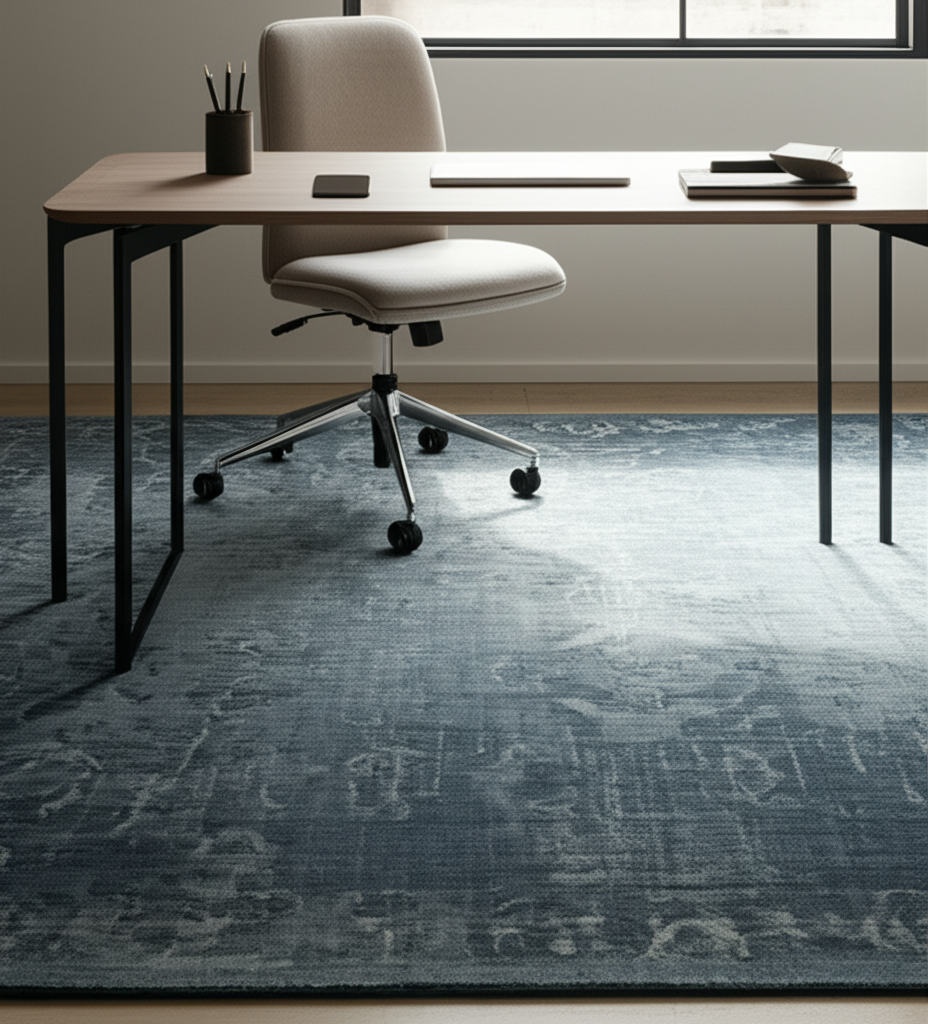
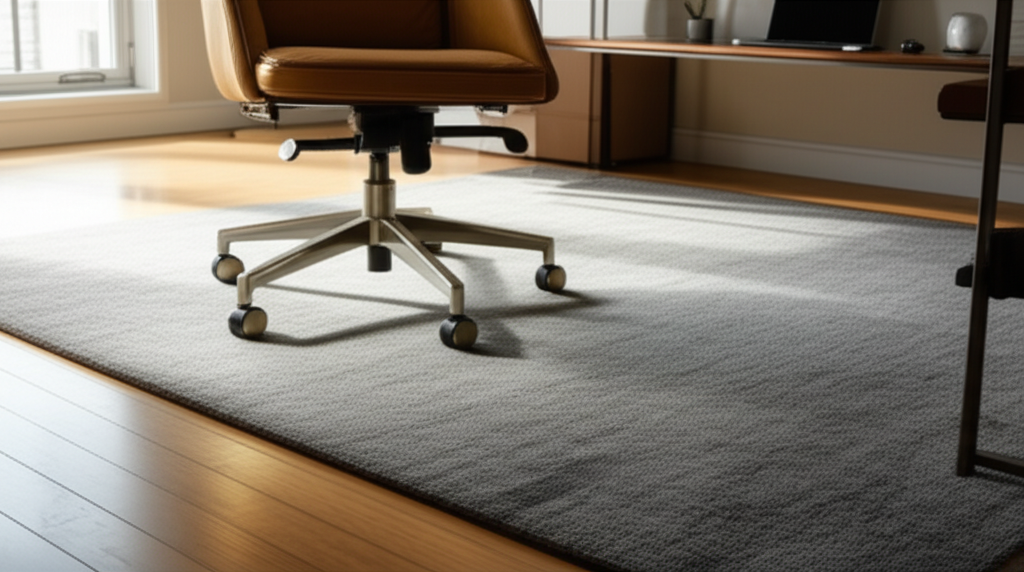
An area rug for your office chair does more than just look nice. It’s a practical necessity for protecting your flooring and ensuring your chair rolls smoothly. Without one, your chair’s casters can easily damage hardwood, laminate, or even carpeted floors. This wear and tear can be costly to repair and makes your home office look less professional.
This rug acts as a shield. It distributes the weight of your chair and you evenly. This prevents concentrated pressure points that can dent or scratch surfaces. It also creates a smoother rolling surface, making it easier to move around your desk.
Understanding the Types of Office Chair Rugs
There are several types of rugs designed to protect your floors from office chairs. Each has its own benefits and is suited for different types of flooring and user needs. Knowing these options helps you pick the best one for your home office setup.
Some rugs are specifically made to sit on carpet. They have grippy backing to stay in place. Others are designed for hard floors like wood or tile. These often have a smoother backing to prevent scratching and allow the chair to roll easily.
Hard Floor Protectors
Rugs for hard floors are usually made from materials like vinyl, polycarbonate, or durable fabric. They are designed to be thin enough for chair casters to roll over easily. They also have a non-slip backing to keep them from sliding around on smooth surfaces.
These protectors are transparent or come in subtle patterns. This lets your existing floor’s beauty show through. They are excellent for preventing scratches, scuffs, and divots that can occur with frequent chair movement.
Carpet Protectors
For carpeted floors, you’ll want a rug with “nippers” or a specially designed backing. These little spikes grip the carpet fibers. This stops the rug from bunching up or sliding. They are thicker than hard floor protectors to provide a stable surface over soft carpet.
These protectors are crucial for preventing matting and excessive wear on your carpet. They ensure your chair rolls smoothly without sinking into the carpet pile. This makes moving around your workspace much easier and less strenuous.
Key Features to Look for in an Office Chair Rug
When selecting an area rug for your office chair, several features are vital. These include material, thickness, size, and backing. Paying attention to these details ensures you get a rug that offers optimal protection and functionality for your specific needs.
The material determines durability and ease of cleaning. Thickness impacts how well it protects and how smoothly your chair rolls. Size ensures it covers the entire area you move in. The backing prevents slips and protects your floor.
Material and Durability
Look for materials known for their resilience and ease of maintenance. Polycarbonate and vinyl are popular choices for hard floor protectors because they are very durable and easy to clean. For carpet, high-density woven fabrics or specialized mats offer good wear resistance.
Consider how much use your office chair gets. If you move around a lot, a more robust material is a wise investment. A durable rug will last longer and continue to protect your floors effectively over time.
Thickness and Chair Movement
The thickness of the rug is critical. For hard floors, thinner is generally better for smooth rolling. For carpets, a bit more thickness is needed to create a stable rolling surface. Check the product specifications for recommended floor types.
Too thick a rug on a hard floor can be a tripping hazard. Too thin a rug on carpet might not prevent chair damage. Finding the right balance ensures comfortable movement and maximum floor protection.
Size and Shape Considerations
Measure the area where your office chair typically moves. You need a rug large enough to accommodate your entire rolling range. This ensures your floors are protected no matter where you move. Common shapes include rectangular, round, or even custom sizes.
Think about your desk setup. Do you move forward and back a lot? Do you spin around? Ensure the rug covers these movements. A rug that’s too small won’t offer complete protection.
Backing Type for Stability
The backing is crucial for preventing the rug from shifting. For hard floors, a non-slip backing like rubber or silicone is ideal. For carpets, a gripper backing with nippers is essential to keep the rug in place.
A rug that slides around is not only annoying but can also be a safety hazard. It can also lead to uneven wear on your floors. The right backing ensures stability and consistent protection.
Top Picks: Best Area Rugs for Office Chairs
Choosing the right rug can be overwhelming with so many options. Here are some of the best area rugs for office chairs, categorized by floor type, to help you make an informed decision. These options are known for their durability, performance, and value.
We’ve researched popular brands and models. We looked at user reviews and expert opinions to curate this list. Our goal is to highlight rugs that offer excellent protection and enhance your workspace aesthetic.
Best for Hardwood Floors
For hardwood, we recommend looking at clear polycarbonate mats. They offer supreme durability and allow your beautiful wood grain to show through. Brands like Lorell offer robust options. These mats are typically 3mm thick, providing a sturdy surface.
These clear mats prevent scratches and scuffs. They also allow for very smooth chair movement. Their transparency means they blend seamlessly with your existing decor.
Best for Carpeted Floors
On carpet, a thicker, textured mat is usually best. Look for options with a strong gripper backing. KILOLUX offers popular chair mats with excellent grip. They are designed to lie flat and prevent chair sinking.
These mats provide a stable surface. They help reduce the effort needed to move your chair. Their durable construction resists wear and tear from constant rolling.
Best Budget-Friendly Option
If you’re on a tighter budget, many affordable options exist. Look for simpler vinyl mats for hard floors or basic fabric mats for carpets. Brands often found on major online retailers offer good value. These might not last as long as premium options but offer solid protection.
These budget-friendly rugs are a great starting point. They fulfill the primary function of floor protection. They are a practical choice for temporary setups or less intensive use.
How to Choose the Right Size and Shape
Selecting the correct size and shape of your office chair rug is crucial. It ensures complete protection for the area where you move the most. A rug that’s too small won’t cover your entire rolling path.
Consider your typical work posture and movements. Do you lean back frequently? Do you shift side to side? The rug should extend beyond these movements.
Measuring Your Workspace
Before buying, measure the space your chair occupies and moves within. Extend your arms and recline your chair to get a good idea of the maximum area. Add a few extra inches on all sides for a safety buffer.
For example, if your chair rolls about 2 feet forward and back and 1.5 feet side to side, you’ll want a rug at least 4 feet by 3 feet. This ensures you are always on the mat.
Common Shapes and Their Uses
Rectangular mats are the most common and versatile. They fit well in most desk setups. Round mats can be a stylish choice, especially for smaller spaces or L-shaped desks. Some companies offer custom shapes for unique office layouts.
Think about the aesthetic you want for your office. A round rug can soften a sharp-edged desk. A large rectangular rug can anchor a more expansive workspace.
Installation and Maintenance Tips
Proper installation and regular maintenance will extend the life of your office chair rug. It also ensures it continues to provide optimal protection and a smooth rolling surface. Following these simple steps will keep your rug in great condition.
Keeping your rug clean is important for both looks and function. Dirt and debris can get ground into the material. This can wear down both the rug and your chair’s casters.
Easy Installation Steps
For hard floor protectors, simply unroll the mat and place it where you want it. Most have a protective film on the backing that you’ll need to peel off before placing. For carpet protectors, position the rug and press down firmly to engage the grippers.
Ensure the rug lies flat. If it has any curling edges, you might need to place heavy objects on it for a day or two. This helps it settle into place.
Cleaning and Care
Regular cleaning is simple. For most rugs, a damp cloth with mild soap is sufficient for hard floors. For carpet mats, vacuum them regularly. If a spill occurs, clean it up immediately with a damp cloth and mild detergent.
Avoid using harsh chemicals or abrasive cleaners, as these can damage the material. For deep cleaning, check the manufacturer’s instructions. Some can be cleaned with a hose and mild soap.
Beyond Protection: Aesthetic Benefits of Office Chair Rugs
An area rug for your office chair isn’t just functional; it’s a fantastic way to enhance your home office’s style. It can add color, texture, and personality to your workspace. It helps define the office area, especially in multi-purpose rooms.
A well-chosen rug can make your office feel more complete and inviting. It transforms a utilitarian space into a comfortable and stylish environment. This can boost your mood and productivity.
Adding Color and Style
Area rugs come in a vast array of colors, patterns, and designs. You can choose a bold pattern to make a statement or a subtle, neutral tone to complement your decor. This is an easy way to inject personality into your home office.
Consider the overall color scheme of your room. The rug can be a focal point or a unifying element. It adds a layer of visual interest that plain flooring cannot.
Defining Your Workspace
In open-plan homes or rooms that serve multiple purposes, a rug can clearly delineate your office zone. It visually separates your work area from living or dining spaces. This helps create a sense of separation and focus.
This visual cue can be very effective. It signals to others (and yourself) that this is your dedicated workspace. This psychological boundary can improve focus and reduce distractions.
Improving Acoustics
Some thicker rugs can help absorb sound. This can be beneficial in reducing echo and overall noise levels in your home office. This is especially true for rugs placed on hard floors.
A quieter environment can lead to better concentration and less stress. It makes your workspace more pleasant and productive.
Environmental and Health Considerations
When choosing an area rug for your office chair, it’s also wise to consider environmental and health impacts. Some materials can off-gas volatile organic compounds (VOCs). Others might be manufactured using unsustainable practices.
Opting for eco-friendly materials can contribute to a healthier home environment. It also supports more responsible manufacturing. Look for certifications that indicate reduced environmental impact.
Eco-Friendly Materials
Consider rugs made from natural fibers like wool or jute. Recycled materials are also a great option. Look for products that are GREENGUARD certified, which means they are tested for harmful chemicals.
These materials often offer excellent durability and a natural aesthetic. They contribute to better indoor air quality.
Low-VOC Options
Volatile Organic Compounds (VOCs) can be released from some synthetic materials. These can affect air quality and your health. Many manufacturers now offer low-VOC or no-VOC options for their rugs and mats.
Choosing a low-VOC rug helps create a healthier workspace. This is especially important if you spend many hours at your desk. Always check product descriptions for these certifications.
Frequently Asked Questions (FAQ)
Q1: Will an office chair rug damage my hardwood floors?
No, a properly chosen office chair rug will protect your hardwood floors. Look for clear, smooth polycarbonate or vinyl mats with a non-damaging backing. These prevent scratches and divots from chair casters.
Q2: How do I stop my office chair rug from sliding on carpet?
Use a carpet chair mat with a gripper backing. These have small spikes that anchor into the carpet fibers. Ensure the rug lies flat and is designed for your specific carpet pile thickness.
Q3: Can I use a regular area rug under my office chair?
While some decorative rugs might offer minimal protection, they are not ideal. Office chair casters can cause significant wear, snagging, or matting on regular rugs. Specialized office chair mats are designed for this specific stress.
Q4: How often should I clean my office chair rug?
Clean your rug regularly, at least weekly, by vacuuming or wiping it down. Address spills immediately. Deeper cleaning might be needed every few months, depending on use and material.
Q5: What is the best size rug for a home office chair?
Measure your chair’s movement range and add several inches for buffer. A common size is around 36×48 inches, but larger may be needed for extensive movement or bigger desks.
Q6: Are clear chair mats safe for all hardwood finishes?
Generally yes, but it’s always best to check the manufacturer’s recommendations. Some very delicate or recently refinished floors might benefit from a test patch or a mat specifically designed for new finishes.
Conclusion: The Smart Investment for Your Workspace
An area rug for your office chair is a smart, practical investment. It goes beyond mere aesthetics to provide essential floor protection. It ensures your workspace remains in good condition, preventing costly repairs and maintaining its appeal.
By understanding the different types, features, and sizes available, you can choose a rug that perfectly suits your needs. Whether you have hardwood, laminate, or carpet, there’s an ideal solution. Make the smart choice for your home office today.
