


Published on: September 22, 2025 | Updated on: September 22, 2025
Yes, you can often get uncirculated coins from the bank, but it requires specific strategies and understanding their policies. This guide reveals the best methods for sourcing these pristine coins, turning everyday bank visits into treasure-hunting opportunities.
The allure of finding a pristine, uncirculated coin is strong for many collectors and treasure hunters. Imagine pulling a coin straight from the mint, untouched by human hands or the wear and tear of circulation. Many wonder if their local bank could be a secret stash of these hidden gems. It’s a question that pops up often among those new to coin collecting and even seasoned enthusiasts looking for a fresh source. Let’s clear the air and explore the real possibilities of obtaining uncirculated coins from your bank. We’ll cover the ins and outs, the best approaches, and what to expect.
Uncirculated Coins: What Are They and Why Do They Matter?
Uncirculated coins, also known as Mint State coins, are those that have never been used in commerce. They leave the mint and go directly to collectors or are stored without ever entering general circulation. These coins retain their original mint luster and show no signs of wear, scratches, or other damage that comes from being handled or passed around. For collectors, their value often lies in their perfect condition, making them highly desirable additions to any coin collection.
The appeal of uncirculated coins is undeniable for anyone passionate about numismatics. Their pristine state offers a direct connection to the coin’s original design and strike, free from the stories that circulated coins carry. Understanding this distinction is the first step in appreciating why people seek them out.
Can You Really Get Uncirculated Coins From The Bank?
The short answer is: sometimes, but it’s not as straightforward as simply asking for them. Banks deal with vast amounts of cash daily, most of which is circulating currency. However, through specific methods like ordering coin rolls or querying specific branches, you might have a chance. It’s not a guaranteed outcome, but with the right approach, it’s certainly possible to find uncirculated coins from the bank.
This process requires patience and a bit of insider knowledge. We’ll break down the most effective ways to try your luck. Don’t get discouraged; many detectorists and collectors have had success with these methods.
The Strategy: Ordering Coin Rolls from Banks
The most common and often successful method for acquiring potential uncirculated coins from a bank is by ordering coin rolls. Most banks can order rolls of coins for you, typically in quantities of $25 or $50 worth. You can request specific denominations like pennies, nickels, dimes, or quarters. This is where the hunt begins, as these rolls may contain newer coins that have not yet entered circulation.
This strategy is favored because it allows you to examine a large number of coins in a controlled environment. You’re essentially bringing the treasure hunt to your home, sifting through potential finds with your own eyes and tools.
How to Order Coin Rolls Effectively
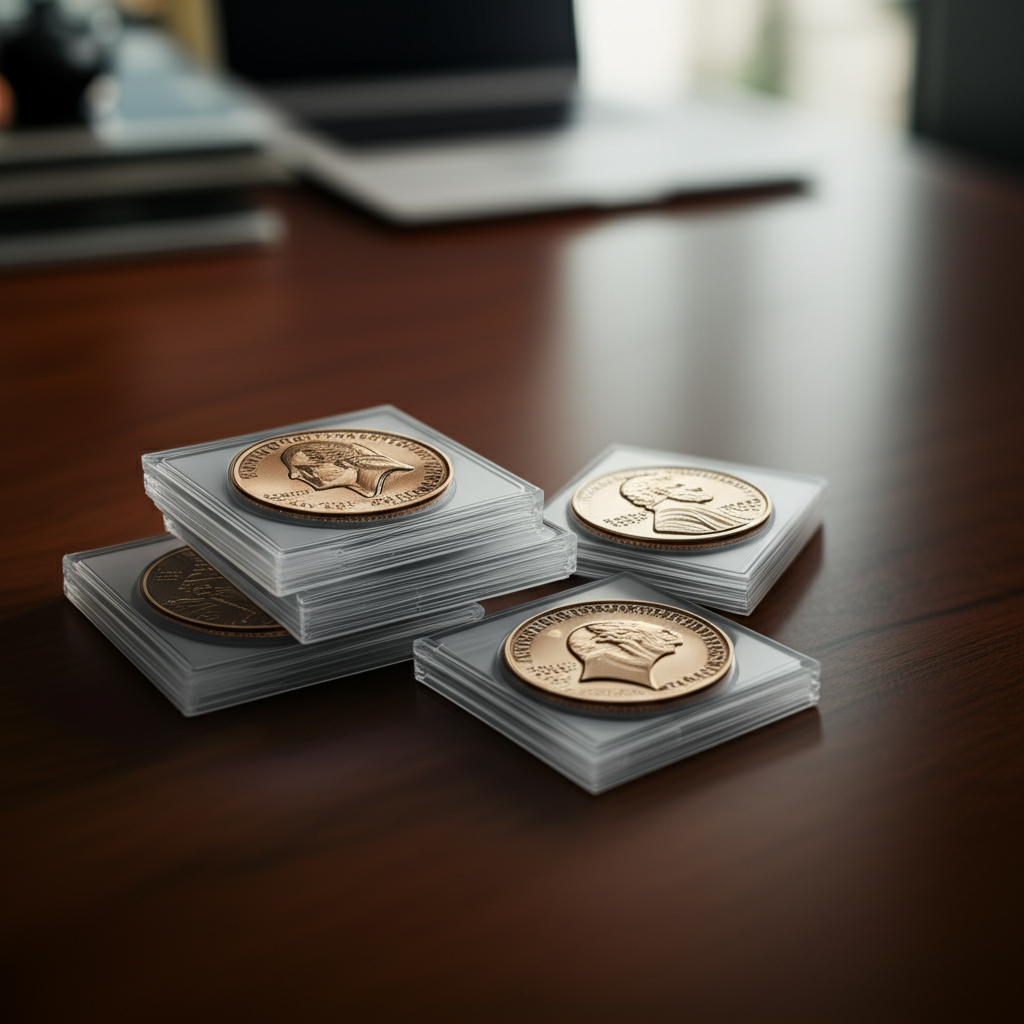
When ordering coin rolls, be polite and clear with your bank teller. Ask if they can order rolls of a specific denomination for you. Some banks might charge a small fee for this service, while others do it as a courtesy. It’s best to call ahead or speak with a bank manager to understand their policy. You might need to place an order a few days in advance.
Building a good relationship with your local bank can also go a long way. Tellers who are accustomed to your requests might be more willing to help you out or even set aside rolls they suspect might contain something interesting.
What to Look For in Bank-Rolled Coins
When you receive your rolls, look for coins that appear unusually bright, shiny, and free from any scratches or rim dings. The date on the coin is also a significant clue; newer dates are more likely to be uncirculated. However, even older coins can sometimes be found in mint condition if they were held back from circulation.
Pay attention to the coin’s surface and edges. A lack of wear, a full mint luster, and sharp details are all indicators of an uncirculated coin. Don’t be afraid to examine them closely under good lighting.
Beyond Rolls: Other Bank-Related Avenues
While coin rolls are the primary method, other less common avenues exist. Sometimes, banks might have bags of older coins from estates or businesses that haven’t been fully processed. Asking if they have any “loose change” or older coin bags might yield surprising results, though this is much rarer and depends heavily on the bank’s procedures.
You can also inquire about coin-sorting machines at larger branches. While these machines primarily sort circulating currency, sometimes uncirculated coins can slip through the cracks or be found in rejected coin batches. This is a long shot, but worth considering if you have a very persistent and friendly relationship with a bank.
Tools for Identifying Uncirculated Coins
Once you have your coins, having the right tools is crucial for identifying potential uncirculated gems. A good magnifying glass or a jeweler’s loupe is essential for examining the fine details of the coin’s surface, checking for mint marks, and spotting any imperfections. A soft cloth or cotton gloves are also important to avoid adding fingerprints or scratches to the coins you handle.
For more serious collectors, a digital microscope can provide incredibly detailed views, helping you assess the coin’s condition with professional accuracy. These tools transform your coin search from a casual pastime into a meticulous examination.
Magnification is Key
A jeweler’s loupe with 5x to 10x magnification is a standard tool for coin collectors. It allows you to see the intricate details of the coin’s design, such as the sharpness of the lettering, the clarity of the relief, and any potential errors or mint marks. Without magnification, it’s easy to miss subtle indicators of a coin’s condition or authenticity.
Good lighting is equally important. A bright, adjustable lamp will help you illuminate the coin’s surface, revealing its true luster and any imperfections that might be hidden in shadow.
Handling Your Finds with Care
It’s critical to handle your potential finds with extreme care. Always use cotton gloves or a soft, lint-free cloth to avoid transferring oils from your skin, which can cause damage over time. Avoid touching the coin’s surface directly, and hold it by its edges whenever possible. This practice is standard in the numismatic community to preserve the coin’s condition.
Proper handling ensures that any uncirculated coin you find retains its value and pristine appearance. It’s a small step that makes a big difference in the long run.
The Role of Mint Marks and Dates
The mint mark (e.g., D for Denver, S for San Francisco, P for Philadelphia) and the date on a coin can significantly impact its collectibility and potential value, especially for uncirculated coins. Certain mints or years might have produced fewer coins, or coins that are known to be rarer in uncirculated condition. Researching coin mintage figures and rarity guides can help you identify which dates and mint marks to pay special attention to.
For example, coins from the San Francisco mint often have a higher chance of being found in uncirculated condition if they were part of proof sets or special mint sets. Knowing these details can guide your search within the rolls.
Common Denominations to Focus On
Quarters and dimes are often popular choices for roll hunting because they are frequently minted and circulated in large quantities, increasing the odds of finding newer, uncirculated examples. Pennies and nickels are also good candidates, especially for newer issues. Older coins, while rarer to find uncirculated from a bank, can also be incredibly valuable if they are in mint condition.
Many collectors focus on specific series of coins, like the State Quarters or the America the Beautiful Quarters, as these often have high mintages and are readily available in rolls. This allows for a more targeted and potentially rewarding hunt.
Potential Challenges and What to Expect
It’s important to manage your expectations. Finding truly rare or valuable uncirculated coins from a bank is not an everyday occurrence. Most rolls will contain standard circulating coins, and you might have to go through hundreds of rolls to find something truly special. Banks are primarily businesses, and their coin supplies are generally mixed and not curated for collectors.
Some banks might also have policies against ordering large quantities of coin rolls, or they may charge significant fees. Be prepared for some disappointment, but also for the excitement of the hunt. The process itself can be a rewarding hobby.
When to Consider Professional Grading
If you believe you’ve found a particularly rare or valuable uncirculated coin, consider professional grading. Services like PCGS (Professional Coin Grading Service) or NGC (Numismatic Guaranty Company) authenticate and grade coins on a standardized scale, encapsulating them in protective holders. This process verifies the coin’s condition and can significantly increase its market value for serious collectors.
Professional grading is an investment that can pay off handsomely for truly exceptional finds. It adds a layer of authenticity and marketability that is hard to replicate otherwise.
Conclusion: Your Bank Could Be a Treasure Trove
So, can I get uncirculated coins from the bank? Absolutely, with the right strategy and a bit of luck. Ordering coin rolls is your best bet for sourcing these pristine pieces of history. While it requires patience and consistent effort, the thrill of potentially finding a hidden gem makes it a worthwhile endeavor for any collector or treasure hunter. Remember to use the right tools, handle your finds with care, and research the dates and mint marks that hold the most promise.
The world of coin collecting is full of accessible adventures, and your local bank might just be the starting point for your next great discovery. Happy hunting!
Frequently Asked Questions
Q1: How many coin rolls can I typically order from a bank?
The number of coin rolls you can order varies by bank and branch. Some may limit you to a few boxes per week, while others might be more accommodating. It’s best to inquire about their specific policies.
Q2: Do banks charge for ordering coin rolls?
Some banks do not charge a fee for ordering coin rolls, especially if you are a customer. Others might impose a small service fee or a fee per box, particularly for larger orders or specific denominations.
Q3: What is the best way to check if a coin is truly uncirculated?
Look for full mint luster, sharp details, and no signs of wear on the high points of the coin. Using magnification and good lighting will help you identify imperfections that indicate circulation.
Q4: Can I get error coins from bank rolls?
Yes, it is possible to find error coins in bank rolls, although it’s not as common as finding uncirculated coins. These are coins that were struck incorrectly at the mint.
Q5: Are older coins found in bank rolls usually circulated?
Generally, older coins found in bank rolls are circulated. However, occasionally, older coins might be found in uncirculated condition if they were held in collections or estates and later deposited.
Q6: Is it worth the time and effort to hunt for uncirculated coins in bank rolls?
For many collectors, the thrill of the hunt and the potential for finding rare or valuable coins make it a rewarding hobby. The cost is relatively low, primarily the cost of the coins themselves and your time.
