


Published on: September 22, 2025 | Updated on: September 22, 2025
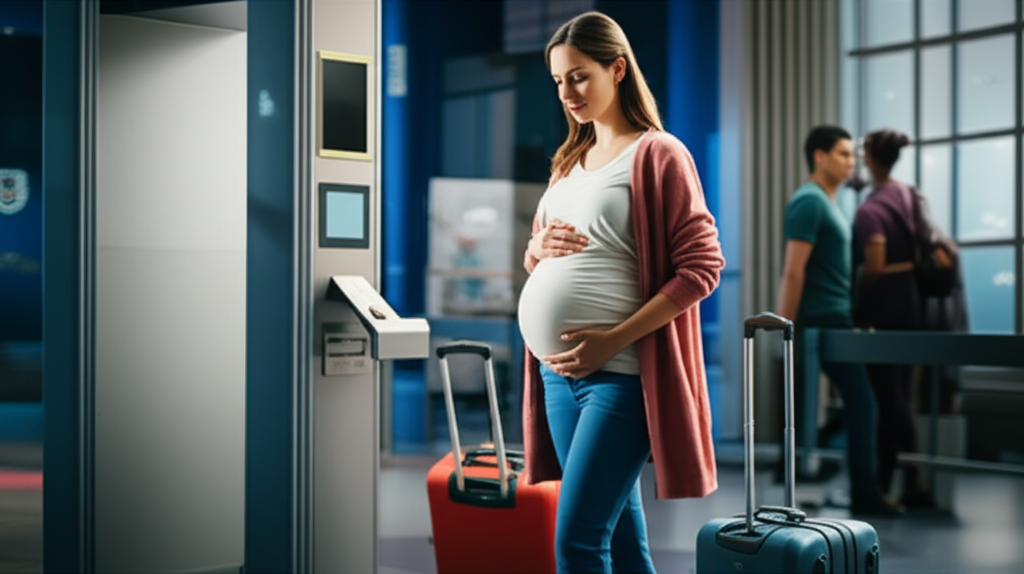
Yes, you can safely go through a metal detector while pregnant. The low-frequency electromagnetic fields used by airport security and building entry detectors are not considered harmful to you or your baby. However, it’s always best to inform security personnel that you are pregnant for personalized screening if you prefer.
Can I Go Through A Metal Detector While Pregnant: Essential Guide
Many expectant mothers find themselves navigating airport security or entering buildings with a growing concern: can I go through a metal detector while pregnant? It’s a question that pops up frequently, often accompanied by a knot of worry. The good news is that these security scanners are designed with safety in mind, and for the most part, they pose no significant risk. This guide aims to alleviate those concerns, providing clear, research-backed information so you can move through security with confidence.
Understanding How Metal Detectors Work
Metal detectors, whether they’re the walk-through arches at the airport or the handheld wands used by security, operate on a simple principle. They generate a low-frequency electromagnetic field. When a metallic object passes through this field, it creates a secondary magnetic field, which is then detected by the machine. This interaction is what triggers the alarm.
The key takeaway here is that these fields are very weak and localized. They do not emit ionizing radiation, which is the type of radiation that can be harmful to cells and DNA. Think of it more like a gentle ripple in a pond rather than a powerful wave.
The Science Behind Metal Detector Safety for Pregnancy
Extensive research has been conducted on the effects of electromagnetic fields (EMFs) on human health, including during pregnancy. The consensus from major health organizations, such as the World Health Organization (WHO) and the U.S. Food and Drug Administration (FDA), is that the EMFs produced by typical metal detectors are well within safe exposure limits. These detectors do not emit the kind of energy that could penetrate deeply or affect fetal development.
The frequencies are too low, and the field strength is too minimal to cause any biological harm. It’s a common misconception that all electromagnetic fields are inherently dangerous, but it’s crucial to distinguish between different types and intensities of EMFs.
Airport Metal Detectors and Pregnancy: What to Expect
When you’re traveling, the walk-through metal detector at airport security is often the primary concern. The electromagnetic fields emitted by these machines are designed to detect metal, not to interact with biological tissues in a harmful way. They are also very short-range, meaning the field dissipates quickly.
If you have any reservations, you always have the option to request a pat-down instead. Most security personnel are understanding and can accommodate this request, especially if you inform them beforehand that you are pregnant. This can offer extra peace of mind.
Handheld Metal Detectors (Wands) and Pregnancy
Handheld metal detectors, often used for a secondary screening after an alarm from the walk-through arch, work similarly. They also generate a low-frequency electromagnetic field. While the wand might be held closer to your body during a pat-down, the duration of exposure is typically very brief, and the field strength remains low.
Again, the scientific consensus is that these devices do not pose a risk to a pregnant individual or their developing baby. If you are concerned about the wand being held near your belly, you can politely ask the security officer to focus the scan on other areas of your body.
Are There Any Specific Concerns for Pregnant Individuals?
For the vast majority of pregnant individuals, there are no specific health concerns directly related to passing through a standard metal detector. The technology has been in use for decades, and no adverse health effects have been definitively linked to its use during pregnancy. The primary “concern” is usually the psychological stress and anxiety it might cause, which is understandable.
However, if you have a medical condition that makes you particularly sensitive to electromagnetic fields, or if you have specific anxieties, communicating with the security personnel is always the best approach. They are trained to handle these situations with care and professionalism.
What About Other Types of Security Scanners?
Beyond walk-through metal detectors, you might encounter other types of security scanners, such as millimeter wave scanners (the full-body scanners). These devices use non-ionizing radio waves to create an image of what’s beneath clothing. According to the Transportation Security Administration (TSA) and similar agencies worldwide, these scanners are also considered safe for pregnant individuals.
They do not use X-rays and the radio waves are non-ionizing. If you are still uncomfortable, you can opt for a pat-down. It’s always your right to choose an alternative screening method if you have concerns.
Maximizing Your Detectorist Hobby During Pregnancy
For those of us who love metal detecting, the question of safety extends beyond security checkpoints. Many detectorists wonder if their own equipment is safe to use while pregnant. Similar to security scanners, hobbyist metal detectors operate using low-frequency electromagnetic fields. The intensity of these fields is generally very low and localized around the search coil.
The consensus among experienced detectorists and manufacturers is that using a standard metal detector for treasure hunting or relic hunting is safe during pregnancy. The depth of the electromagnetic field from your detector is usually only a few inches around the coil.
Choosing the Right Metal Detector for Your Needs
When selecting a metal detector, especially if you’re new to the hobby, consider its features and ease of use. Brands like Garrett, Minelab, and Nokta Makro offer a range of detectors suitable for various budgets and experience levels. For pregnant detectorists, a lightweight and ergonomic model can be particularly beneficial, reducing physical strain during longer detecting sessions.
Look for detectors with adjustable shafts and comfortable grips. Features like target ID (which helps identify what you’ve found before digging) can also make your detecting experience more efficient and enjoyable.
Essential Accessories for a Comfortable Detecting Experience
Beyond the detector itself, a few accessories can enhance your metal detecting adventures, especially when you’re pregnant. A good pinpointer is invaluable, as it helps you pinpoint the exact location of a target once you’ve dug a plug, reducing unnecessary digging and effort.
Comfortable footwear, gloves, and a sturdy digging tool are also important. Consider a backpack or a cart to carry your gear, minimizing the need to haul heavy items. Staying hydrated and taking frequent breaks are also crucial.
Tips for Safe and Enjoyable Metal Detecting While Pregnant
When you’re out in the field, prioritizing your comfort and well-being is paramount. Listen to your body and take breaks as needed. Avoid overly strenuous activities or prolonged periods of standing or bending if they cause discomfort.
It’s also wise to choose detecting locations that are easily accessible and don’t require navigating difficult terrain. Remember to stay hydrated and protect yourself from the sun. Metal detecting is a wonderful way to enjoy the outdoors, and with a few adjustments, it can remain an enjoyable hobby throughout your pregnancy.
Frequently Asked Questions (FAQ)
Q1: Can I go through a metal detector while pregnant without any risk?
A1: Yes, you can safely go through standard walk-through and handheld metal detectors while pregnant. The electromagnetic fields they use are low-frequency and non-ionizing, posing no known risk to you or your baby.
Q2: Should I tell security I’m pregnant when going through a metal detector?
A2: While not strictly necessary for safety, informing security personnel that you are pregnant is a good idea. They can offer a pat-down if you prefer an alternative screening method, providing extra peace of mind.
Q3: Are airport body scanners safe for pregnant women?
A3: Yes, millimeter wave body scanners used at airports are considered safe for pregnant individuals. They use non-ionizing radio waves and do not involve X-rays. You can still opt for a pat-down if you feel more comfortable.
Q4: Is my personal metal detector safe to use while pregnant?
A4: Yes, standard hobbyist metal detectors are safe to use during pregnancy. The electromagnetic fields they emit are low-frequency and localized around the search coil, with no known adverse effects.
Q5: What if I feel uncomfortable with the metal detector wand?
A5: If you are uncomfortable with a handheld metal detector (wand) being used near your belly, you can politely ask the security officer to scan other parts of your body. They are trained to accommodate such requests.
Q6: Can the metal detector’s field harm my baby’s development?
A6: No, there is no scientific evidence to suggest that the low-frequency electromagnetic fields from standard metal detectors can harm a baby’s development. These fields are not powerful enough to penetrate deeply or cause cellular damage.
Q7: What are the best practices for pregnant metal detectorists?
A7: Prioritize comfort by choosing lightweight equipment, taking frequent breaks, staying hydrated, and selecting accessible detecting locations. Listen to your body and avoid strenuous activities.
Conclusion
Navigating pregnancy often brings a host of new considerations, and understanding whether you can go through a metal detector while pregnant is a common one. The reassuring answer, backed by scientific consensus and decades of use, is a resounding yes. Both security screening devices and your personal metal detecting equipment utilize low-frequency electromagnetic fields that are considered safe for pregnant individuals and their developing babies. While the technology is safe, your comfort and peace of mind are paramount. Don’t hesitate to communicate with security personnel if you have any concerns or prefer an alternative screening method. For fellow detectorists, continuing your passion safely is achievable with mindful practices and by prioritizing your well-being in the field. Enjoy your detecting adventures with confidence!

