


Published on: September 22, 2025 | Updated on: October 21, 2026
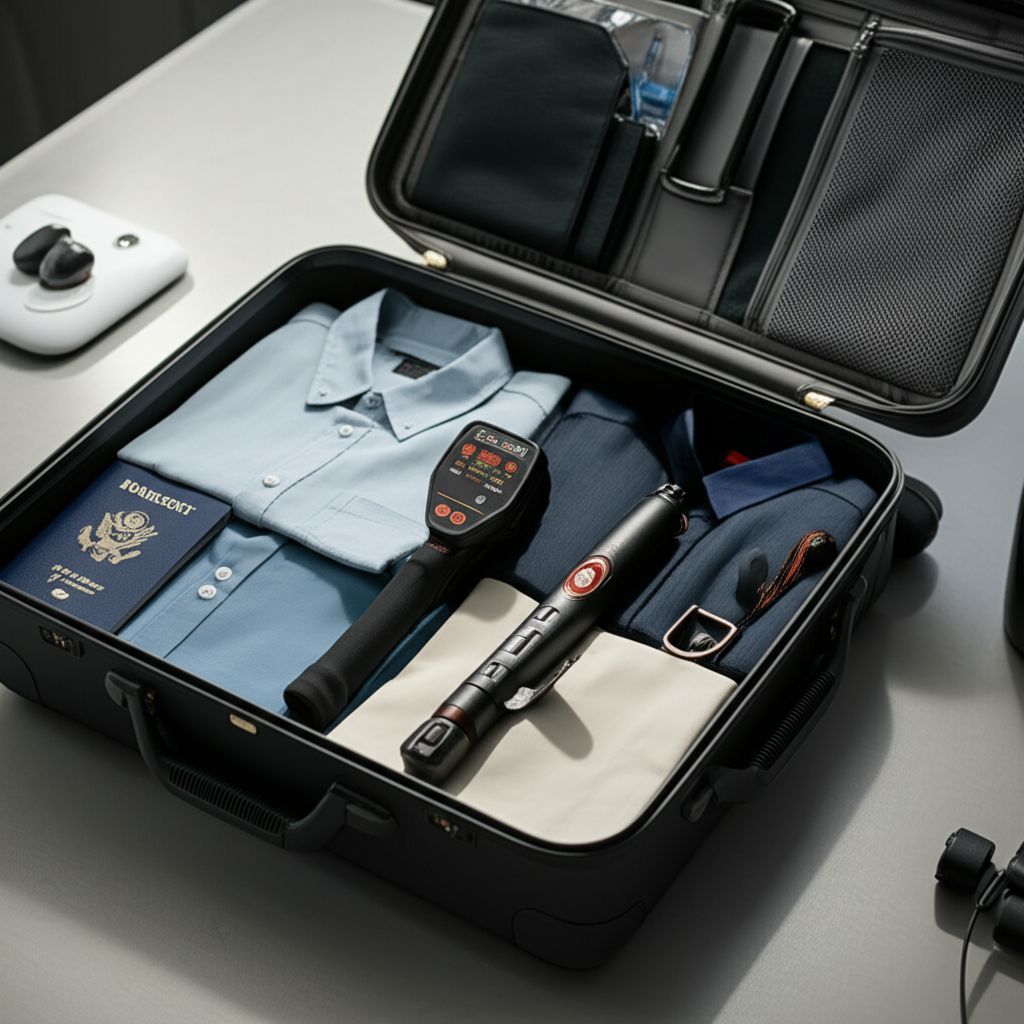
Yes, you can generally bring a metal detector in your luggage, but it’s crucial to understand airline regulations and pack it properly to avoid issues. This guide covers everything you need to know.
Planning a treasure hunting trip or a vacation where you want to explore with your metal detector? A common question that pops up is, “Can I have a metal detector in my luggage?” It’s a valid concern, as you don’t want your valuable gear confiscated or delayed. Many detectorists face this dilemma when flying. Don’t worry; this guide will walk you through everything you need to know, from airline policies to packing tips, ensuring your metal detector travels safely with you.
Most airlines allow metal detectors in checked or carry-on baggage, but there are specific guidelines you must follow. Understanding these rules upfront can save you a lot of hassle at the airport. It’s always best to check directly with your airline before your flight.
Checked Baggage vs. Carry-On: Where Does Your Detector Belong?

When deciding where to pack your metal detector, consider its size, value, and fragility. Checked baggage is often the easiest option for larger detectors, but carry-on provides more security. Many detectorists prefer to keep their detectors with them to ensure they arrive safely.
Checked Baggage Considerations
Placing your metal detector in checked luggage is common for larger items. Ensure it’s well-protected to withstand the rigors of baggage handling. Airlines typically have weight and size restrictions for checked bags, so be mindful of these.
Carry-On Baggage Advantages
For smaller, collapsible detectors, a carry-on bag might be ideal. This keeps your equipment under your direct supervision, reducing the risk of damage or loss. You’ll need to ensure it meets the airline’s carry-on size and weight limits.
Special Items Policies: What Airlines Say About Detectors
Airlines often categorize metal detectors as sporting equipment or general items. Some may have specific policies, while others treat them like any other piece of luggage. Always confirm their stance on sporting goods and unusual items.
Packing Your Metal Detector for Safe Travel
Proper packing is key to ensuring your metal detector arrives in one piece. This involves protecting the sensitive components and securing all parts. Think of it like preparing a delicate instrument for transport.
Disassembly and Protection: The Detectorist’s Approach
Most metal detectors can be partially disassembled for easier packing. Removing the coil and separating the shaft makes the unit more compact and less prone to damage. Investing in a dedicated metal detector carrying case can offer the best protection.
Protecting the Coil
The search coil is often the most vulnerable part. Wrap it in bubble wrap or foam padding to shield it from impacts. Ensure it’s secured so it doesn’t rattle around inside the luggage.
Securing the Control Box and Shaft
The control box houses the electronics and should be handled with care. Pad it well, and if possible, keep it in its original box or a padded case. The shaft sections should also be protected, especially at the connection points.
Choosing the Right Luggage
A durable, padded carrying case designed for metal detectors is your best bet. If you don’t have one, a sturdy suitcase with plenty of internal padding or space for extra packing materials will suffice.
Beyond the Detector: Packing Essential Accessories
Your metal detector isn’t the only item you need for a successful hunt. Don’t forget to pack your pinpointer, digging tools, headphones, and batteries. These accessories also require careful packing.
Pinpointers and Small Tools
These compact devices are essential for pinpointing targets. Pack them securely in a smaller padded pouch or a dedicated compartment within your main luggage. This prevents them from getting lost or damaged.
Digging Tools: Shovels, Trowels, and Sieves
Depending on your destination and expected soil conditions, you might bring various digging tools. Many airlines allow these in checked baggage, but check their regulations on sharp objects. Ensure trowels and small shovels are securely wrapped and perhaps even have their blades covered.
Headphones and Batteries
Pack your headphones in a way that prevents cord damage, perhaps in a small case or wrapped around a sturdy object. Removable batteries, especially lithium-ion ones, might have specific airline regulations. It’s often best to keep spare batteries with you in your carry-on luggage.
Airline-Specific Regulations: What You MUST Know
Airlines operate under different rules, and understanding these is crucial. While many are accommodating, some may have stricter policies than others. Proactive research is your best defense against travel disruptions.
Major Airlines and Their Policies
A quick search on major airline websites usually reveals their policies on sporting equipment. Look for sections on “traveling with sports equipment” or “prohibited items.” If you can’t find information, contacting customer service is the next step. For instance, a quick check on the Delta Airlines baggage policy might provide specific guidance on equipment like this.
International Travel Considerations
Traveling internationally can add another layer of complexity. Customs regulations in your destination country might also apply to metal detectors. Some countries have restrictions on importing certain types of equipment.
Common Pitfalls and How to Avoid Them
Even with the best intentions, mistakes can happen. Knowing the common pitfalls will help you avoid them and ensure a smooth travel experience with your metal detector.
Forgetting to Check Regulations
The most common mistake is assuming all airlines have the same rules. Always verify directly with your chosen airline before you pack. This simple step can save you from unexpected problems at the airport.
Inadequate Packing
Not protecting your metal detector and its components properly can lead to damage. Invest in a good case or use ample padding. A damaged detector means a ruined detecting trip.
Battery Regulations
Lithium-ion batteries, common in modern detectors, can be subject to strict regulations. Ensure you know the airline’s policy on spare batteries, especially regarding their placement in checked versus carry-on luggage. The International Air Transport Association (IATA) provides guidelines that most airlines follow.
Making Your Metal Detector Travel-Friendly
There are ways to make your metal detector even more amenable to air travel. Think about its size, weight, and overall profile.
Collapsible and Lightweight Models
If you’re in the market for a new detector, consider models that are designed for travel. Collapsible shafts and detachable coils make them significantly easier to pack and carry. Brands like Minelab and Garrett offer various models suitable for different travel needs.
Investing in a Dedicated Travel Case
A robust, padded travel case specifically designed for metal detectors is an excellent investment. These cases often have custom compartments for all your gear, providing maximum protection and organization. This not only helps with airline travel but also protects your equipment between detecting sessions.
What About Taking Your Detector Through Airport Security?
Airport security personnel may want to inspect your metal detector. This is standard procedure for many items. Being prepared can make this process quicker and smoother.
The Inspection Process
Security officers might ask you to remove the detector from its bag for a closer look. They may also ask you to power it on or off. Cooperating fully and remaining calm will help expedite the process.
Explaining Your Equipment
Have a brief, clear explanation ready for what your metal detector is and why you’re traveling with it. Mentioning it’s for recreational use or a specific hobby can help. This demystifies the item for security personnel.
Can You Take a Metal Detector on a Cruise Ship?
Cruises often involve visiting various ports, making a metal detector a tempting travel companion. The rules for cruise ships can differ significantly from airlines.
Cruise Line Policies
Similar to airlines, cruise lines have their own policies regarding equipment. Some may restrict metal detectors due to security concerns or the potential for damage to marine environments or archaeological sites. Always check with your specific cruise line before your voyage.
Port Regulations
Even if the cruise line allows your detector, individual ports of call might have restrictions on their use or even their presence. Research the rules for each destination you plan to visit.
Frequently Asked Questions About Metal Detectors in Luggage
Here are some common questions detectorists have about traveling with their gear.
Q1: Can I take my metal detector apart to fit it in my luggage?
A: Yes, most metal detectors are designed to be disassembled into several parts, like the coil, shaft, and control box, making them much easier to pack.
Q2: Are there any specific types of metal detectors that are prohibited by airlines?
A: Generally, no specific types of recreational metal detectors are prohibited. However, it’s always wise to check with the airline, especially for very large or industrial-grade models.
Q3: What should I do if my metal detector gets damaged during travel?
A: If your detector is damaged, document the damage immediately with photos and report it to the airline’s baggage claim department as soon as possible. Keep all your travel documents and receipts.
Q4: Can I bring my metal detecting finds in my luggage?
A: Yes, you can typically bring your finds home in your luggage. However, be aware of any regulations regarding the export or import of historical artifacts or precious metals in your destination or home country.
Q5: Do I need to declare my metal detector to the airline?
A: While not always mandatory, it’s a good practice to inform the airline about your metal detector, especially if it’s a larger or more expensive piece of equipment. This can prevent surprises at the check-in counter.
Q6: Is it safe to put my metal detector in checked baggage?
A: It can be safe if packed properly with adequate padding and protection. However, many prefer carry-on for valuable items to maintain direct control and prevent potential damage or loss.
Conclusion: Travel Smart, Hunt Happy
So, can I have a metal detector in my luggage? The answer is a resounding yes, with the right preparation. By understanding airline regulations, packing your equipment diligently, and being aware of potential pitfalls, you can ensure your metal detector travels safely to your next detecting adventure. Don’t let travel concerns deter you from exploring new grounds and uncovering hidden treasures. A little planning goes a long way in making your metal detecting trips smooth and enjoyable, from the airport to the field.
