


Published on: September 22, 2025 | Updated on: October 21, 2026
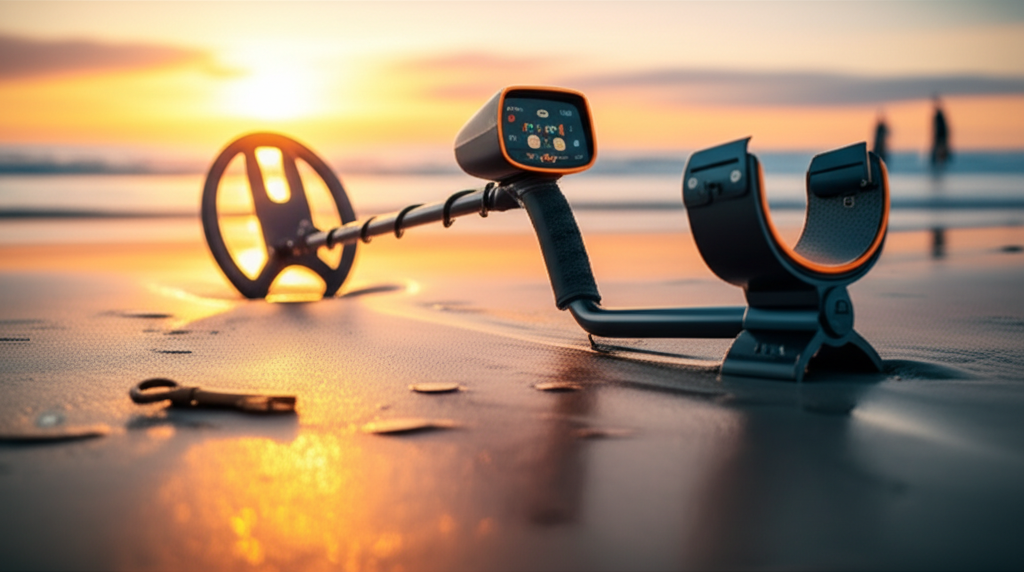
Yes, you absolutely can take a metal detector to the beach! It’s a fantastic place for treasure hunting, but success hinges on using the right equipment and techniques. This guide covers everything you need to know for productive beach detecting.
Heading out to the coast with your metal detector is one of the most exciting ways to explore. The shifting sands constantly reveal lost treasures, from old coins and jewelry to intriguing relics. Many beginners wonder if their detector is suitable for the beach environment, or if there are special considerations. I’ve spent countless hours on sandy shores, and I can tell you that with the right knowledge, the beach can be incredibly rewarding. This article will equip you with everything you need to know to answer the question, “Can I take a metal detector to the beach?” and maximize your finds.
Beach Metal Detecting: A Treasure Trove Awaits
The beach is a prime location for finding lost items because people often lose things while enjoying themselves. Think about dropped rings, forgotten coins, and even historical artifacts washed ashore. The dynamic nature of sand means new targets are constantly being uncovered.
Metal detecting on the beach offers a unique and thrilling experience. It’s a place where history and personal stories meet, waiting to be unearthed.
Is My Metal Detector Beach-Ready?

Not all metal detectors are created equal, especially when it comes to saltwater environments. Water, especially saltwater, can interfere with a detector’s signals, leading to false positives or missed targets. You need a detector that can handle these challenging conditions effectively.
Many modern detectors are designed with beach hunting in mind. Look for features that specifically address saltwater interference and water resistance.
Understanding Saltwater Interference
Saltwater contains dissolved minerals that conduct electricity, creating a conductive “ground” that can confuse a standard metal detector. This mineralized salt causes what’s known as “chatter” or false signals. A detector not equipped to handle this will make beach detecting frustrating.
Choosing a detector with excellent ground balancing capabilities is crucial for minimizing saltwater interference. This feature helps the detector distinguish between the natural mineralization of the beach and actual targets.
Waterproof vs. Water-Resistant Detectors
It’s vital to understand the difference between waterproof and water-resistant. A water-resistant detector might handle a splash or light rain, but it won’t survive submersion. A fully waterproof detector, on the other hand, can be submerged in water, which is ideal for detecting in the surf or shallow water.
For serious beach detecting, especially if you plan to hunt in the wet sand or shallow water, a fully waterproof detector is highly recommended. This opens up more of the beach to exploration.
Essential Metal Detector Features for Beach Hunting
When selecting a detector for beach use, certain features will significantly enhance your success and enjoyment. Prioritizing these will save you time and frustration.
Saltwater Ground Balance: This is paramount. It allows the detector to adjust to the conductive nature of saltwater beaches.
Waterproof Construction: Essential for detecting in wet sand and shallow water.
Discrimination: The ability to ignore junk targets like pull tabs and bottle caps, focusing on more valuable finds.
Adjustable Sensitivity: To fine-tune the detector’s performance and avoid overloads from salt.
Multiple Frequency Options: Some detectors offer different frequencies, allowing you to tune into specific types of targets or penetrate different soil conditions.
These features work together to provide a more stable and productive detecting experience on the beach. Investing in a detector with these capabilities is a wise choice for any aspiring beach hunter.
Can I Take A Metal Detector To The Beach? Legalities and Etiquette
Before you grab your gear and head out, it’s important to be aware of any local rules and regulations regarding metal detecting on beaches. Respecting these laws and practicing good etiquette will ensure you can continue enjoying this hobby.
Always check with local authorities or beach management before detecting. This includes understanding any restrictions on where you can detect, what you can keep, and whether permits are required.
Beach Regulations and Permits
Some beaches may have specific rules about metal detecting, especially in protected areas or historical sites. It’s your responsibility to know and follow these regulations. Ignoring them can lead to fines or confiscation of your equipment.
Many public beaches allow metal detecting without a permit, but it’s always best to verify. For private beaches, you’ll need to obtain permission from the owner.
Respecting Other Beachgoers and the Environment
Metal detecting should never interfere with the enjoyment of others. Avoid detecting in crowded areas where people are sunbathing or swimming. Always fill in any holes you dig, no matter how small, to prevent tripping hazards and preserve the beach.
Proper digging techniques are crucial for minimizing your impact. Use a small shovel or sand scoop and carefully excavate the target, ensuring the sand is returned neatly.
Choosing the Right Metal Detector for the Beach
Selecting the correct metal detector is arguably the most critical step for successful beach detecting. While many detectors can detect on the beach, some are specifically engineered to excel in this challenging environment.
For a truly optimal experience, consider detectors from reputable brands known for their beach performance. These often come with advanced features designed to tackle saltwater.
Top Metal Detector Brands for Beach Hunting
Several manufacturers offer excellent detectors well-suited for beach environments. Brands like Minelab, Garrett, and Nokta Makro are consistently recommended by experienced detectorists for their robust performance.
Minelab Equinox Series: These detectors are renowned for their multi-frequency technology, which is incredibly effective in saltwater. They offer excellent performance on both wet and dry sand.
Garrett AT Gold/ATX: These are robust, waterproof detectors capable of handling challenging ground conditions, including saltwater.
Nokta Makro Simplex+ / Legend: These offer great value with full waterproofing and good saltwater performance at an accessible price point.
Exploring reviews and comparing models within these brands can help you find the perfect fit for your budget and needs.
Budget-Friendly vs. High-End Beach Detectors
You don’t necessarily need the most expensive detector to find treasures on the beach. Many entry-level and mid-range detectors can perform admirably, especially if they have basic saltwater capabilities. However, higher-end models often offer more advanced features, better target separation, and deeper detection depth.
Consider your budget and how serious you are about beach detecting. A good mid-range detector can be a fantastic starting point, allowing you to upgrade later if your passion grows.
Essential Beach Detecting Accessories
Beyond the detector itself, a few key accessories can make your beach detecting trips much more efficient and enjoyable. These tools help you locate, retrieve, and manage your finds.
Having the right gear ensures you’re prepared for various beach conditions and find recovery scenarios. It’s about working smarter, not just harder.
Pinpointers: Your Best Friend on the Beach
A pinpointer is a small, handheld detector that helps you pinpoint the exact location of a target within the excavated plug of sand. This is incredibly useful on the beach, where targets can be small and buried in a large amount of sand.
A good waterproof pinpointer is a must-have for beach hunters. It drastically reduces the time spent sifting through sand and prevents accidental damage to finds.
Sand Scoops and Digging Tools
Traditional shovels can be cumbersome on the beach. Sand scoops are designed to efficiently sift sand and are often made of durable metal or tough plastic. Look for scoops with holes that allow sand to drain quickly.
A robust beach trowel or a sturdy sand scoop will make recovering targets much easier. Ensure it’s made from corrosion-resistant material, as it will be exposed to saltwater.
Headphones and Carry Bags
Waterproof headphones can be a game-changer, allowing you to hear faint signals clearly over the sound of the waves. A comfortable, durable carry bag or backpack is also essential for transporting your detector and accessories.
Protecting your equipment from sand and saltwater is crucial for its longevity. A good bag will keep everything organized and secure.
Detecting Techniques for Sandy Shores
The beach is a dynamic environment, and your detecting technique needs to adapt. The way you sweep your coil, cover ground, and handle targets will impact your success.
Mastering these techniques will help you cover more ground effectively and extract targets with minimal disturbance. It’s about adapting to the unique challenges of the beach.
Coil Control and Sweep Patterns
On the beach, it’s common to use a wider, slower sweep with your coil. Maintain a consistent height above the sand, ideally just an inch or two. Overlapping your sweeps ensures you don’t miss any areas.
Experiment with different coil sizes. Smaller coils are often better for trashier areas or pinpointing, while larger coils offer better depth and coverage.
Wet Sand vs. Dry Sand Detecting
Dry sand is generally easier to detect on, as it’s less mineralized. However, it often contains less historical material as items are blown away or buried deeper over time. Wet sand, especially the damp area just above the waterline, is often where the most interesting finds are located.
This is where your detector’s saltwater capabilities truly shine. Be prepared to work with more mineralized ground in these productive zones.
Dealing with Seaweed and Debris
Seaweed and other beach debris can cause false signals and make digging difficult. Learn to distinguish between a target signal and a “seaweed chatter” signal. Often, a solid, repeatable tone indicates a good target, while erratic signals might be debris.
If you suspect a target is buried in seaweed, try to gently pull the seaweed away with your scoop before digging. This can help isolate the target.
What Can I Find on the Beach? Common Beach Treasures
The variety of items lost on beaches is astounding. From everyday objects to historical artifacts, you never know what might turn up.
The beach is a historical record, with items lost over decades, even centuries, waiting to be rediscovered. Your patience can be rewarded with some truly fascinating finds.
Coins and Jewelry
These are the most sought-after items for many beach detectorists. Rings, necklaces, earrings, bracelets, and various coins from different eras are commonly found. The area around popular swimming spots and boardwalks is often a hotspot.
Keep an eye out for areas where people gather, play, or relax. These are prime locations for lost valuables.
Relics and Historical Artifacts
Depending on the beach’s history, you might uncover more significant relics. Old buttons, buckles, fishing lures, discarded tools, and even remnants of shipwrecks can be found. These finds offer a tangible connection to the past.
Researching the local history of the beach can give you clues about what kind of relics you might encounter. For instance, older beaches might yield items from earlier periods of settlement or activity.
Modern Junk and How to Deal With It
Unfortunately, beaches are also littered with modern trash like pull tabs, bottle caps, foil, and can slaw. Learning to discriminate against these targets is a key skill for efficient beach detecting.
A good detector with adjustable discrimination settings will help you filter out much of this unwanted material. However, some targets might require manual identification.
Advanced Beach Detecting Tips and Tricks
Once you’ve got the basics down, you can refine your approach to become an even more effective beach detectorist. These advanced techniques can help you find targets others might miss.
These tips are born from experience and can significantly boost your success rate on the sand. They focus on maximizing efficiency and understanding the beach environment better.
Tide Lines and Water Levels
The tide is your greatest ally and enemy on the beach. Detecting on an outgoing tide can reveal targets that have been submerged. Conversely, an incoming tide can bring new targets closer to shore.
Understanding tidal patterns and how they affect sand deposition is key to finding productive areas. The “wet sand” area right at the current low tide line is often a treasure trove.
Beachcombing Zones and Target Rich Areas
Focus your efforts on areas where people are likely to lose items. This includes the intertidal zone (where the tide comes in and out), areas near lifeguard stands, picnic spots, and access points to the beach.
Look for subtle changes in the sand, like ripples or areas where the sand is packed down. These can sometimes indicate buried targets.
Using Multiple Frequencies (if applicable)
If your detector has multi-frequency capabilities, experiment with different settings. Higher frequencies are generally better for smaller, shallow targets like gold jewelry, while lower frequencies can offer more depth for larger targets like coins.
Understanding how different frequencies interact with saltwater can help you optimize your detector for specific conditions and target types. This is a powerful advantage for serious detectorists.
Can I Take A Metal Detector To The Beach? Your Next Steps
So, can you take a metal detector to the beach? Absolutely! It’s a fantastic environment for uncovering hidden treasures, provided you have the right approach.
Your journey into beach metal detecting is just beginning, and with the knowledge gained here, you’re well-equipped to start finding your own beach treasures.
Frequently Asked Questions About Beach Metal Detecting
Are all metal detectors good for the beach?
No, not all metal detectors are ideal for beach use, especially in saltwater. Saltwater mineralization can cause interference. Look for detectors with saltwater ground balancing and waterproof capabilities for the best results.
What is the best time of day to metal detect on the beach?
The best time is often during an outgoing tide, as it exposes new areas of sand. Early mornings or late evenings, when beaches are less crowded, are also excellent times.
How deep can metal detectors find things on the beach?
Detection depth varies greatly depending on the detector, coil size, target size, and ground mineralization. On average, a good detector can find targets from a few inches to over a foot deep.
Can I dig anywhere on the beach?
You must always check local regulations first. Some beaches have restrictions on digging, especially in protected dunes or historical areas. Always fill in your holes completely.
What kind of treasures can I expect to find?
You can find a wide variety of items, including coins, rings, necklaces, bracelets, earrings, watches, and historical relics. The specific finds depend on the beach’s location and history.
Should I use a pinpointer on the beach?
Yes, a pinpointer is highly recommended for beach detecting. It significantly speeds up the process of locating small targets within the sand. Waterproof pinpointers are ideal.
Conclusion: Your Beach Metal Detecting Adventure Begins Now
The question, “Can I take a metal detector to the beach?” is met with an enthusiastic “Yes!” The beach offers a unique and exciting frontier for treasure hunters. With the right detector, essential accessories, and a good understanding of beach detecting techniques and etiquette, you’re set for rewarding adventures. Remember to always respect local laws and the environment, and most importantly, enjoy the thrill of discovery. Happy hunting!
