


Published on: September 22, 2025 | Updated on: October 21, 2026
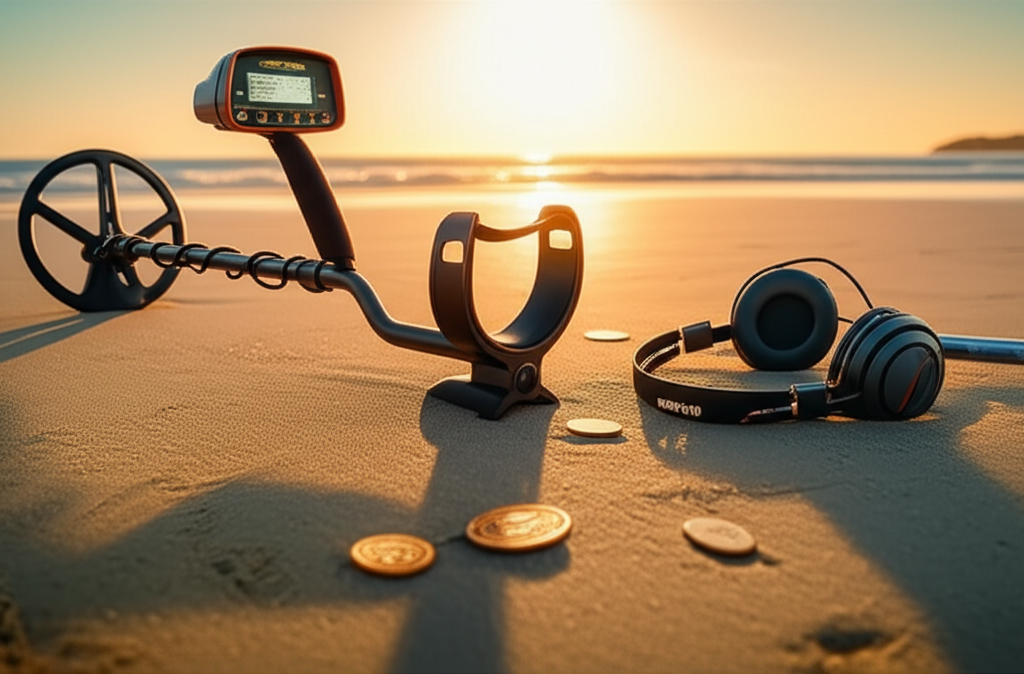
Yes, you can absolutely use a metal detector at the beach! It’s a fantastic place for treasure hunting, with potential finds ranging from lost jewelry and coins to historical relics. This guide covers everything you need to know to get started and maximize your beach finds.
The allure of the beach is undeniable, and for many of us, it conjures images of sun-drenched sands and the tantalizing possibility of unearthing hidden treasures. A common question that pops into the minds of budding detectorists is: “Can I use a metal detector at the beach?” The answer is a resounding yes, and it’s one of the most rewarding environments for metal detecting. I’ve spent countless hours sifting through the sand, and I’m here to share my insights to help you avoid common pitfalls and enjoy successful hunts.
Why the Beach is a Treasure Hunter’s Paradise
The beach is a dynamic environment, constantly reshaped by tides and human activity, making it a magnet for lost items. People lose jewelry, coins, and other personal belongings while swimming, playing, or simply walking along the shore. These items, often dropped unintentionally, become prime targets for metal detectors. The wet, salty conditions, however, present unique challenges that require specific knowledge and equipment.
Essential Beach Metal Detector Features
Not all metal detectors are created equal, especially when it comes to beach detecting. Saltwater can wreak havoc on standard detectors, causing false signals and reducing their effectiveness. Therefore, you need a detector designed for these conditions. Look for features like saltwater modes, adjustable ground balance, and submersible coils.
Waterproofing and Saltwater Capability

The most critical feature for beach detecting is a detector’s ability to handle saltwater. Detectors with Pulse Induction (PI) technology are generally better suited for highly mineralized saltwater environments because they are less susceptible to false signals caused by salt. Many modern Very Low Frequency (VLF) detectors now also offer excellent saltwater performance with advanced ground balancing and discrimination settings. Always check the manufacturer’s specifications to confirm saltwater suitability.
Ground Balance for Mineralized Sands
Beach sands, especially wet saltwater beaches, are heavily mineralized. This mineralization can interfere with your detector’s ability to distinguish between targets and the ground, leading to constant chattering or false signals. A good ground balance feature, whether automatic or manual, is essential. It allows you to tune the detector to ignore the ground’s mineral content, letting you focus on genuine metal targets.
Coil Size and Type
The type and size of your search coil can significantly impact your beach detecting success. Smaller coils offer better maneuverability in tight spots, like around rocks or in shallow water, and can be more sensitive to small targets. Larger coils provide greater depth penetration and wider coverage, which can be advantageous for sweeping larger areas of the beach. Waterproof coils are, of course, a must for submerged hunting.
Best Metal Detectors for Beach Detecting
Choosing the right metal detector can make all the difference. After years of testing, I’ve found that certain models consistently perform well on the sand. These detectors offer the necessary features to overcome the challenges of beach environments and help you find those essential beach treasures.
Top Picks for Saltwater and Wet Sand
When I’m heading to the coast, I often reach for detectors known for their robust saltwater performance. Models from Minelab, Garrett, and Nokta Makro frequently come up in discussions among experienced beach hunters. These brands have developed detectors specifically engineered to handle the harsh conditions of saltwater and wet sand, offering excellent depth and target separation.
Understanding VLF vs. PI for Beach Hunting
Both VLF (Very Low Frequency) and PI (Pulse Induction) detectors have their place on the beach. VLF detectors are generally better at discriminating between different types of metal, which can be helpful for avoiding iron trash. However, they can struggle with heavily mineralized wet sand. PI detectors, on the other hand, excel in these challenging conditions by ignoring ground mineralization, but they typically have less discrimination capability, meaning you’ll dig more targets. Many detectorists opt for a VLF with good saltwater settings for general beach hunting and a PI detector for serious wading and submerged searches.
Essential Accessories for Beach Detecting
Beyond the metal detector itself, a few key accessories can dramatically improve your beach detecting experience and help you secure your finds. These tools are often overlooked by beginners but are invaluable to seasoned detectorists.
Pinpointers: Your Best Friend in the Sand
Once your detector signals a target, the real work begins: pinpointing its exact location in the sand. A good waterproof pinpointer is indispensable. It allows you to quickly narrow down the target’s position without disturbing a large area, saving you time and effort. I never go to the beach without mine; it’s a game-changer for recovering small targets quickly.
Digging Tools for Sandy Terrain
Digging in wet sand requires specific tools. A sturdy beach scoop or sand scoop is essential. These are typically made of perforated stainless steel, allowing water and sand to drain away quickly, making it easier to sift through the material and isolate your target. Ensure the scoop has a comfortable handle and a robust construction.
Keeping Your Finds Safe
You’ll want a way to carry your finds and any trash you recover. A dedicated finds pouch with multiple compartments is ideal. It keeps your valuable items separate from debris and allows for easy sorting. For larger finds or when digging deeper, a small shovel or trowel might also be useful, but focus on scoops for most beach detecting.
Where to Detect on the Beach
The beach isn’t just one uniform expanse of sand; different zones offer different potential finds. Understanding these zones can help you focus your efforts and increase your chances of unearthing something special. I always plan my search areas based on tides and historical activity.
The High Tide Line and Beyond
The high tide line is often a goldmine. This is where the sea deposits items that have washed ashore. Look for debris, seaweed, and anything that has been left behind by the retreating tide. Further out, the areas between the high and low tide lines are also productive, especially after storms or strong currents.
Near Piers, Jetties, and Lifeguard Stands
These areas are high-traffic zones where people tend to congregate, swim, and relax. Consequently, they are prime spots for lost jewelry and coins. Be mindful of any local regulations regarding metal detecting near structures like piers or jetties, as some areas may have restrictions. Always respect private property and designated swimming areas.
Historical Beach Areas
If you’re interested in relics, researching historical beach areas can be incredibly rewarding. Old piers, former resort locations, or areas known for shipwrecks can yield fascinating artifacts. Always obtain permission if detecting on private land and check local regulations for protected historical sites.
Before you even put your detector in the sand, it’s crucial to understand the rules and etiquette of beach detecting. Respecting these guidelines ensures you can continue to enjoy this hobby and that beaches remain open to detectorists. Ignoring them can lead to fines or bans.
Checking Local Ordinances
Regulations for metal detecting vary significantly by location. Some beaches have outright bans, while others have specific rules about where and when you can detect. Always check with the local municipality, park authority, or beach management before you start. A quick online search for “[Beach Name] metal detecting regulations” should provide the information you need.
The Golden Rule: Fill Your Holes
This is perhaps the most important rule of metal detecting etiquette. When you dig a target, always fill the hole neatly afterward. This minimizes the impact on the beach environment and prevents tripping hazards for others. It shows respect for the beach and fellow beachgoers, ensuring a positive public perception of our hobby.
Pack It In, Pack It Out
Metal detecting often means encountering trash along with treasure. Make it a habit to collect any litter you find, even if it’s not metal. Carrying a trash bag and disposing of your finds and any rubbish responsibly is a fundamental part of being a good detectorist.
Common Beach Finds and Their Value
The thrill of metal detecting at the beach comes from the variety of items you can discover. While some finds are purely sentimental, others can hold significant monetary or historical value. Knowing what to look for can enhance your hunting experience.
Coins: From Modern Change to Old Currency
Coins are among the most common finds on beaches. You’ll likely recover modern pocket change, but with persistence, you might unearth older U.S. coins, foreign currency, or even silver dollars. The condition of the coin will greatly affect its value, but any historical coin is a win.
Jewelry: Rings, Necklaces, and Bracelets
Lost jewelry is a frequent and exciting beach find. Rings, especially wedding bands, are often dropped by swimmers or during recreational activities. You might find gold, silver, or costume jewelry. Always handle delicate pieces with care and consider cleaning them gently at home.
Relics and Historical Artifacts
For the history buff, beaches can be a treasure trove of relics. Old buttons, buckles, fishing lures, pieces of pottery, or even parts of old structures can surface. These items offer a tangible link to the past and can be incredibly fascinating to research.
Advanced Beach Detecting Techniques
Once you’ve mastered the basics, there are advanced techniques that can refine your beach detecting skills and help you locate those harder-to-find targets. Experimentation and practice are key to unlocking these methods.
Detecting in the Surf Zone
Wading into the surf zone requires specialized equipment, primarily a fully submersible metal detector and coil. The constant motion of the water can be challenging, but it’s also where many valuable items are lost and can be found. Always prioritize safety and be aware of currents and tides.
Identifying Target Signals
Learning to interpret your detector’s signals is crucial. Different tones and numbers on the display can indicate different types of metal. With practice, you can learn to distinguish between a desirable target like a gold ring and unwanted iron trash, allowing you to dig more efficiently.
Deep Target Recovery
Finding deep targets requires patience and the right equipment. A detector with good depth capability and a larger coil can help. Sometimes, targets are buried deeper than expected due to wave action or shifting sands. Don’t be afraid to dig a little deeper if your detector is giving you a strong signal.
Frequently Asked Questions About Beach Metal Detecting
Here are some common questions I get asked about using metal detectors on the beach.
Can I use any metal detector at the beach?
While technically you can try, most standard metal detectors are not designed for saltwater environments. The salt content in wet sand and seawater can cause numerous false signals, making it difficult to find targets. It’s highly recommended to use a detector specifically designed for or advertised as capable of handling saltwater conditions.
What is the best time of day to metal detect on the beach?
The best time is often during low tide, as this exposes more of the beach that is usually underwater. Searching after storms can also be very productive, as the waves can churn up the sand and uncover buried items. Early mornings or late evenings can offer fewer crowds.
How deep can metal detectors find items on the beach?
The depth a metal detector can reach depends on several factors, including the detector’s power, the coil size, and the target’s size and conductivity. Generally, larger coils and more powerful detectors can find targets deeper, but expect most common finds like rings and coins to be within the top 6-12 inches in typical beach conditions.
What kind of trash do I expect to find on the beach?
You can expect to find a lot of modern trash, such as pull tabs, bottle caps, aluminum foil, and small pieces of metal. Iron trash, like nails and rusted metal, is also common. It’s essential to be prepared to dig many of these items and to always pack them out.
Is it legal to metal detect on all beaches?
No, it is not legal on all beaches. Many local, state, and federal parks have regulations that prohibit or restrict metal detecting. Always check with the local authorities or park service before you detect to avoid fines or confiscation of your equipment.
How do I clean beach finds?
Clean finds gently. For coins and jewelry, a soft brush and plain water are often sufficient. Avoid harsh chemicals or abrasive materials that can damage the item, especially if it’s old or delicate. For historical relics, it’s often best to consult with an expert or museum before attempting any cleaning.
Conclusion: Your Beach Treasure Awaits
So, can I use a metal detector at the beach? Absolutely, and it’s an incredibly rewarding pursuit. With the right detector, essential accessories, and a good understanding of where and how to search, you’re well on your way to discovering lost coins, jewelry, and historical relics. Remember to always respect the beach environment and local regulations. Happy hunting, and may your beach detecting adventures be filled with exciting finds!
