


Published on: September 22, 2025 | Updated on: October 21, 2026
Yes, you can often use a metal detector in a state park, but it’s crucial to understand and follow specific rules and regulations to avoid penalties and ensure responsible detecting. This guide will break down what you need to know before you grab your gear and head out.
Exploring the vastness of state parks with a metal detector can feel like stepping into a treasure hunter’s dream. The allure of uncovering forgotten coins, lost jewelry, or even historical relics is powerful. However, a common question arises for many enthusiasts: “Can I use a metal detector in a state park?” The answer isn’t a simple yes or no; it depends heavily on the specific park’s regulations and the laws governing federal and state lands. Misunderstanding these rules can lead to fines, confiscation of equipment, and a permanently banned status from the park. This article is your comprehensive guide to navigating the complexities of metal detecting in state parks, ensuring your adventures are both rewarding and respectful. We’ll cover everything from where to find official rules to best practices for responsible detecting, so you can explore with confidence.
Understanding State Park Regulations: The First Step
Before you even think about turning on your metal detector, the most critical step is to understand the specific rules of the state park you plan to visit. Regulations can vary significantly from one park to another, and even within different areas of the same park. Some parks may allow detecting with certain restrictions, while others might prohibit it entirely.
The best way to get accurate information is to contact the park directly. You can usually find contact information on the official state park system’s website. Don’t hesitate to call the park office or visit their visitor center.
Look for official documentation, such as park ordinances or interpretive rules, which are often available online or at the park. These documents will detail what is and isn’t permitted, including any permits required, specific areas where detecting is allowed or disallowed, and rules regarding digging and artifact removal. Understanding these nuances is key to a successful and legal detecting outing.
Where to Find Official State Park Rules

Finding the official rules for metal detecting in state parks can sometimes feel like a treasure hunt in itself. However, there are several reliable sources to consult. Your first stop should always be the official website of the state park system you intend to visit. Most states have dedicated departments that manage their parks, and their websites are usually rich with information.
Look for sections titled “Regulations,” “Park Rules,” “Visitor Information,” or “Permits.” These areas often contain downloadable documents or clear statements about prohibited activities. If you can’t find the information online, don’t hesitate to call the park’s administrative office directly. A quick phone call can often save you a lot of time and potential trouble.
Common Restrictions on Metal Detecting in State Parks
While the specifics vary, several common restrictions tend to appear when it comes to metal detecting in state parks. Many parks prohibit detecting in historically or archaeologically sensitive areas. This is to protect potential cultural resources that could be damaged or lost if disturbed by unauthorized digging.
You might also find restrictions on detecting in developed areas, such as picnic grounds, campgrounds, or near historic structures. Some parks may require a permit to detect, even in areas where it is allowed. Always check for any rules about filling in your plugs, removing trash, and what you are allowed to keep if you find something. Adhering to these common restrictions is fundamental to responsible metal detecting.
Federal vs. State Land: A Crucial Distinction
It’s vital to distinguish between state parks and federal lands, as the regulations governing them differ significantly. While this article focuses on state parks, understanding the broader context of land management is helpful. Federal lands, such as National Parks, National Forests, and Bureau of Land Management (BLM) areas, often have their own stringent rules, frequently governed by laws like the Archaeological Resources Protection Act (ARPA).
Generally, metal detecting is heavily restricted or prohibited on most federal lands, especially in National Parks, to preserve archaeological sites and historical artifacts. State parks, while also protective of resources, sometimes offer more flexibility. Always confirm the land ownership and specific governing body before you detect.
Navigating National Park Service (NPS) Rules
National Parks are managed by the National Park Service (NPS), and their regulations are typically very strict regarding metal detecting. In most cases, metal detecting is prohibited within National Parks. This is a deliberate measure to protect the pristine natural and cultural resources found within these protected areas.
The NPS policy aims to prevent the disturbance of archaeological sites, the removal of artifacts, and the alteration of the natural landscape. While there might be very rare exceptions in specific park units under specific conditions (often requiring permits for research purposes), for the average hobbyist, assume that metal detecting is not allowed in National Parks. Always consult the official NPS website or the specific park’s regulations for definitive guidance.
Bureau of Land Management (BLM) Guidelines
The Bureau of Land Management (BLM) manages vast tracts of public land across the United States. Their regulations on metal detecting can be more permissive than those of the NPS, but they still come with important stipulations. Generally, metal detecting for recreational purposes is allowed on BLM lands unless specifically prohibited in certain areas.
However, it is crucial to understand that removing artifacts, especially those of historical or archaeological significance, is strictly forbidden and carries severe penalties. You are typically allowed to keep modern coins and jewelry found on the surface or in shallow, disturbed soil. Always check with the local BLM field office for the most current and specific regulations for the area you plan to explore.
The Importance of Permits and Licenses
In many state parks, especially those that permit metal detecting, you might be required to obtain a permit or license. This requirement isn’t just a bureaucratic hurdle; it’s a way for park authorities to manage detecting activities, ensure compliance with rules, and sometimes even collect data on finds. A permit signifies that you have been informed of the park’s regulations and agree to abide by them.
Applying for a permit usually involves a simple process through the park’s administrative office or website. Be prepared to provide your contact information and details about your detecting equipment. In some cases, there might be a small fee associated with the permit. Always carry your permit with you while detecting in the park.
When is a Permit Required?
The necessity of a permit for metal detecting in state parks is highly variable. Some states or individual parks have a blanket policy requiring permits for all detecting activities, regardless of location within the park. Other parks may only require permits for specific zones or for detecting certain types of items.
There are also instances where detecting is permitted without a permit, provided you adhere to general park rules and digging regulations. The best approach is always to assume a permit might be necessary and actively seek this information from the park authorities. Failing to obtain a required permit can lead to penalties, so due diligence is essential.
How to Obtain a Metal Detecting Permit
Obtaining a metal detecting permit is typically a straightforward process. The first step, as mentioned, is to identify the governing authority for the park you wish to visit—usually the state park system. Navigate to their official website and look for sections related to permits, recreational activities, or specific rules for metal detecting.
You’ll likely find an online application form or instructions on how to apply via mail or in person at a park office. Be ready to provide basic personal information, possibly the make and model of your metal detector, and agree to the park’s terms and conditions. Once approved, you’ll receive your permit, which you should keep with you at all times while detecting.
Digging Responsibly: The Golden Rules
Responsible digging is perhaps the most crucial aspect of metal detecting in any public area, especially state parks. It’s not just about finding treasure; it’s about leaving the environment as you found it, or even better. Proper digging techniques minimize your impact on the landscape and ensure that the park remains a beautiful place for everyone to enjoy.
Always use a sharp, properly sized digging tool that creates a neat plug. When you recover an item, carefully remove the soil, examine your find, and then meticulously replace the soil and the plug. The goal is for the ground to look undisturbed after you leave.
Proper Plug Cutting Techniques
Cutting a proper plug is an art form in responsible metal detecting. The objective is to remove a section of turf or soil that can be easily replaced to leave no trace of your digging. For grassy areas, use a sharp, flat-bladed digging tool or a specialized plug cutter.
Insert the tool vertically into the ground around your target, making three sides of a square or circle. Then, gently lift the plug to expose the soil beneath. Once you’ve recovered your target and any associated soil, carefully replace the plug, ensuring it sits flush with the surrounding ground.
Filling Your Holes and Restoring the Site
Filling your holes properly is non-negotiable for ethical metal detecting. After you’ve recovered your target, carefully return the soil to the hole. Then, replace the turf plug you removed. Step on the plug gently to settle it into place, ensuring it blends seamlessly with the surrounding area.
Your goal is to leave the site looking as if no one has ever dug there. This means no loose soil, no visible holes, and no damaged vegetation. This practice is essential for maintaining good relations with park authorities and the public, and it helps ensure that metal detecting remains a permitted activity in these areas.
What You Can and Cannot Keep
The question of what you can keep after a successful detecting session is often a gray area, and it’s where many detectorists can run into trouble. In state parks, the rules regarding found items are typically tied to historical preservation and ownership of the land. Generally, modern coins, jewelry, and other personal items that are clearly not of historical significance can often be kept, provided you have followed all other park regulations.
However, anything that appears to be an artifact, historical relic, or part of the park’s natural or cultural heritage usually belongs to the state or federal government. It is always better to err on the side of caution and report any potentially significant finds to park authorities rather than keeping them.
Artifacts and Historical Relics
Artifacts and historical relics are typically off-limits for recreational detectorists in state parks. These items are considered part of the public trust and are protected by law. An artifact can be anything made or modified by humans that has historical or archaeological significance, ranging from ancient tools and pottery shards to old coins, buttons, or weaponry from historical periods.
If you believe you’ve found such an item, the best course of action is to document its location precisely (e.g., using GPS coordinates or by marking the spot) and report it to the park officials or relevant historical society. Do not remove it from its context. Unauthorized removal of artifacts can lead to severe legal consequences.
Modern Items: Coins, Jewelry, and Trash
Modern coins, contemporary jewelry, and general trash are usually what detectorists hope to find and are often permitted to keep, provided they are not in restricted areas or found through prohibited means. However, even with these items, responsible etiquette dictates that you should pack out any trash you dig up, regardless of whether it’s from your own digging or something left by others.
Some parks might have specific rules about keeping items even if they are modern. For instance, if you find a lost engagement ring, while it’s a modern item, its sentimental value means you should make every effort to find its owner or turn it into park lost and found. Always prioritize ethical behavior and adherence to park rules.
Prohibited Areas and Sensitive Sites
State parks are often rich in natural beauty and historical significance, and certain areas are designated as off-limits to metal detecting to protect these resources. These prohibited areas are usually clearly marked or defined in park regulations. They often include archaeological sites, historical monuments, protected habitats, or areas undergoing active preservation efforts.
Detecting in these sensitive areas can cause irreparable damage to cultural resources and ecosystems, leading to significant penalties. It’s your responsibility as a detectorist to be aware of and respect these boundaries. Always familiarize yourself with the park map and regulations to identify any such zones.
Archaeological and Historical Sites
Archaeological and historical sites are paramount to protect. These areas can contain invaluable information about past human activities, cultures, and events. Metal detectors, while great for finding targets, can inadvertently damage fragile artifacts or disturb the contextual integrity of a site if used improperly or in restricted zones.
Many state parks have specific designations for areas that are known to contain archaeological remains or historical structures. These are often marked on park maps or mentioned in the park’s rules and regulations. Detecting in these areas is typically strictly prohibited to preserve them for scientific study and future generations.
Developed Areas and Natural Habitats
Developed areas within state parks, such as campgrounds, picnic spots, swimming areas, and hiking trails, often have specific rules regarding metal detecting. While some parks might allow detecting in designated spots within these areas, others may prohibit it entirely. The reasoning behind these restrictions often involves preventing damage to manicured landscapes, avoiding disturbance to other park visitors, or simply for ease of management.
Similarly, natural habitats, especially those with sensitive flora or fauna, might be off-limits to metal detecting. This is to protect the delicate ecological balance and prevent disturbance to wildlife. Always check the park’s specific rules regarding detecting in developed zones and natural areas.
Tools of the Trade: Essential Gear for State Park Detecting
When heading out to a state park, having the right gear can make your detecting experience more enjoyable and successful. While a good metal detector is the core piece of equipment, several accessories can significantly enhance your capabilities and ensure you’re detecting responsibly. These tools help you locate targets more precisely, dig efficiently, and recover finds without causing damage.
A quality metal detector with good discrimination capabilities is essential. Beyond that, a reliable pinpointer is invaluable for pinpointing targets in the plug or soil pile, reducing unnecessary digging. Proper digging tools, like a sturdy trowel or shovel, are also critical for responsible recovery.
Choosing the Right Metal Detector
Selecting the right metal detector depends on your budget, the types of targets you’re seeking (coins, relics, gold), and the typical terrain you’ll be hunting. For state parks, which can have varied soil conditions and a mix of targets, a versatile detector is often best. Look for features like adjustable discrimination to filter out junk targets (like iron nails), ground balance to handle mineralized soil, and different search modes.
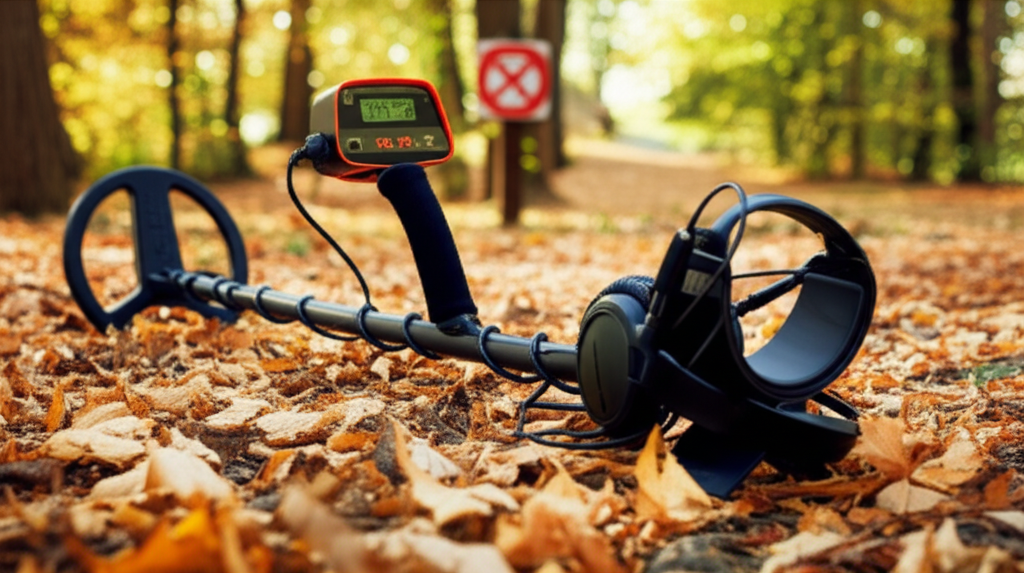
Brands like Garrett, Minelab, Nokta, and Fisher offer a range of detectors suitable for different experience levels and budgets. Many modern detectors are lightweight, waterproof, and user-friendly, making them ideal for extended outings in state parks. Reading reviews and perhaps even trying out a few models at a local detecting club can help you make an informed decision.
Essential Accessories: Pinpointers, Digging Tools, and More
Beyond the detector itself, several accessories are crucial for responsible and effective detecting in state parks. A handheld pinpointer is indispensable. Once you’ve dug a plug and are sifting through the soil, a pinpointer helps you quickly locate the exact position of your target, minimizing the size of your hole and the time spent searching the soil.
Sturdy digging tools are also a must. A robust trowel or a specialized digging shovel designed for metal detecting can help you cut clean plugs and recover targets efficiently. Other useful items include headphones (to hear faint signals and avoid disturbing others), a finds pouch or bag, gloves, and perhaps a small brush for cleaning off finds. Don’t forget a trash pouch to collect any litter you encounter.
Respecting Other Park Visitors and the Environment
Metal detecting in a state park isn’t just about following rules; it’s also about being a good park citizen. Remember that state parks are public spaces used by many people for various activities. Your presence and your hobby should not negatively impact the experience of others.
This means being mindful of noise levels, not digging in high-traffic areas where you might disrupt families or hikers, and always leaving a site cleaner than you found it. Your actions reflect on the entire metal detecting community, so conduct yourself with courtesy and respect for everyone and everything within the park.
Minimizing Disturbance and Noise
When you’re out detecting, try to be as unobtrusive as possible. Use headphones with your metal detector to avoid broadcasting signals that might disturb other visitors. If you’re digging, do so efficiently and quietly. Avoid loud conversations or disruptive behavior, especially in areas where people are relaxing, picnicking, or enjoying nature.
The goal is to blend in and enjoy your hobby without drawing undue attention or causing annoyance. If you encounter other park users, a friendly nod or brief greeting is appropriate, but avoid lengthy interruptions. Remember, you are a guest in their shared space.
Leave No Trace Principles
The “Leave No Trace” principle is fundamental to responsible outdoor recreation, and it applies directly to metal detecting. This means packing out everything you pack in, including all trash you dig up. It also means restoring your digging sites so they appear undisturbed.
Beyond just filling holes, this can extend to avoiding damage to vegetation, not disturbing wildlife, and generally minimizing your footprint on the environment. By adhering to these principles, you help preserve the park’s natural beauty and ensure that future generations can enjoy it, while also demonstrating that metal detecting can be a low-impact, responsible hobby.
Frequently Asked Questions (FAQ)
Q1: Can I use my metal detector on a beach in a state park?
Beach access rules can vary greatly. Some state park beaches may allow metal detecting, while others prohibit it. It’s essential to check the specific park’s regulations regarding beach access and metal detecting activities. Often, rules might differ between wet sand and dry sand areas.
Q2: What should I do if I find something that looks like a historical artifact?
If you suspect you’ve found a historical artifact, do not remove it from the ground. Document its location precisely and report it to the park authorities or a local historical society. They can properly assess, recover, and preserve the item.
Q3: Are there specific times of day when I can metal detect in a state park?
Some parks might have restrictions on operating hours for detecting. Usually, you must adhere to the park’s general operating hours, meaning you can only detect when the park is open to the public. Always verify these details with the park administration.
Q4: Can I metal detect in state park campgrounds or picnic areas?
This is highly dependent on the specific park’s rules. Many parks prohibit detecting in developed areas like campgrounds and picnic sites to avoid disturbing visitors and damaging the grounds. Always consult the park’s official regulations or contact the park office for clarification.
Q5: Do I need a permit to metal detect in every state park?
No, not every state park requires a permit. However, many do, and regulations can vary significantly between states and even between different parks within the same state. It is crucial to research the specific requirements for the park you plan to visit beforehand.
Q6: What are the penalties for violating metal detecting rules in state parks?
Penalties can range from warnings and fines to confiscation of your equipment and being banned from the park. In cases involving the removal of significant artifacts, legal charges could also be filed. Always prioritize understanding and following the rules to avoid any repercussions.
Conclusion: Detecting Responsibly in State Parks
Navigating the rules for metal detecting in state parks requires diligence and respect, but it’s a worthwhile endeavor for any enthusiast. The core principle is always to understand and adhere to the specific regulations of the park you intend to visit. This often involves checking official park websites, contacting park authorities, and potentially obtaining a permit. Responsible digging, filling your holes meticulously, and respecting prohibited areas like archaeological sites are paramount to preserving these beautiful natural and historical locations. Remember that you are a guest in these public spaces, and your actions should reflect a commitment to conservation and courtesy towards other visitors and the environment. By following these essential rules, you can enjoy the thrill of discovery in state parks while ensuring the hobby remains a welcome activity for years to come. So, do your homework, pack your gear responsibly, and happy hunting!
