


Published on: September 24, 2025 | Updated on: September 24, 2025
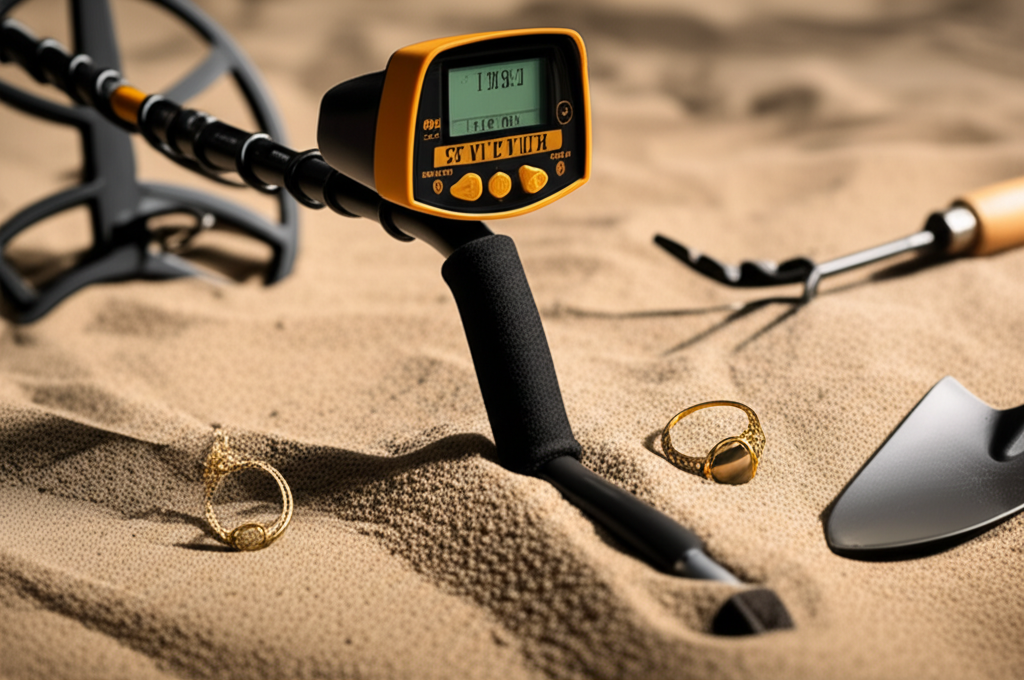
Yes, a metal detector can absolutely find a gold ring, but success depends on the detector’s capabilities, settings, coil, depth, and ground conditions. Understanding these factors is key to maximizing your chances of recovering lost gold jewelry.
Losing a gold ring is a heart-wrenching experience, and the thought of recovering it often leads people to wonder: can a metal detector find a gold ring? The short answer is a resounding yes, but it’s not as simple as just swinging a detector over the last known location. Many factors influence whether your detector will successfully locate that precious piece of jewelry. This guide will walk you through the essential secrets, from choosing the right equipment to employing the best techniques, ensuring you’re well-equipped to find that lost gold ring.
The Science Behind Detecting Gold Rings
Gold rings, especially those made of pure gold, present a unique challenge and opportunity for metal detectorists. Their conductivity plays a crucial role in how they register on a detector’s signal. Understanding this fundamental principle is the first step to successful recovery.
A metal detector works by emitting an electromagnetic field from its coil. When this field encounters a metallic object, it induces a current in that object. The detector then senses the secondary magnetic field created by this induced current and alerts the user. Gold, being a highly conductive metal, responds well to this process, making it detectable.
However, not all gold is created equal when it comes to detection. The purity of the gold, often indicated by karats (e.g., 10k, 14k, 18k, 24k), significantly affects its conductivity. Higher karat gold is purer and more conductive, generally producing a stronger signal.
Gold’s Conductivity and Detector Signals

Pure gold is an excellent conductor of electricity. This high conductivity means it readily reacts to the electromagnetic field emitted by a metal detector, creating a distinct and often strong signal. This is why experienced detectorists often seek out gold prospecting sites.
The karat of a gold ring is a measure of its purity. For instance, 14k gold is 58.3% gold, while 24k is 99.9% pure. While pure gold is the most conductive, alloys in lower karat gold can slightly alter its signal characteristics, sometimes making it harder to distinguish from other metals.
Choosing the Right Metal Detector for Gold Rings
Not all metal detectors are created equal, especially when it comes to finding small, valuable targets like gold rings. The detector’s frequency, discrimination capabilities, and sensitivity are critical factors. Investing in a detector suited for gold can make all the difference.
When searching for gold rings, especially in areas with a lot of iron trash or mineralized ground, a detector with a higher operating frequency (typically 15 kHz and above) is often recommended. Higher frequencies are more sensitive to small, low-conductivity targets like gold.
Discrimination is also key. A good detector will allow you to filter out unwanted ferrous (iron) targets, such as nails and bottle caps, while still picking up desirable non-ferrous metals like gold. Advanced detectors offer customizable discrimination settings to fine-tune this process.
Frequency Matters: High vs. Low Frequency Detectors
High-frequency metal detectors (15 kHz and above) are generally superior for finding small gold nuggets and jewelry like rings. They can detect the subtle signals emitted by gold more effectively than lower-frequency models. This enhanced sensitivity is crucial for recovering delicate gold items.
Lower-frequency detectors (below 10 kHz) are often better for larger targets and deeper penetration in less mineralized soil. While they can find gold, they might miss smaller rings or those buried deeper. For general treasure hunting that includes gold rings, a mid-range frequency (around 10-15 kHz) can offer a good balance.
Sensitivity and Ground Balancing
A detector’s sensitivity determines how well it can pick up faint signals from targets. For gold rings, you want a detector with high sensitivity settings. However, sensitivity needs to be balanced with the ground conditions; too much sensitivity in mineralized soil can lead to false signals.
Ground balancing is a feature that allows the detector to ignore the natural mineralization in the soil, which can otherwise create a constant “noise” or false signals. Manual or automatic ground balancing helps the detector focus on actual metallic targets, making it easier to pinpoint gold rings.
The Crucial Role of the Metal Detector Coil
The coil is essentially the “eyes” of your metal detector. Its size, shape, and type significantly impact its performance, especially when hunting for small, low-conductivity targets like gold rings. Choosing the right coil can dramatically improve your recovery rate.
A smaller coil, often in the 5-8 inch range, is generally more sensitive to small targets and can navigate through trashy areas more easily. It offers better target separation, meaning it can distinguish between closely spaced targets, which is vital when searching for a lost ring among other metallic debris.
Larger coils can detect deeper, but they are often less sensitive to very small items and can be more susceptible to ground mineralization. For finding a lost gold ring, especially if it’s not buried too deeply, a smaller, high-frequency coil is often the preferred choice.
Monoloop vs. Double-D Coils
Both monoloop and double-D coils have their advantages. Monoloop coils are known for their depth and sensitivity, often providing a more precise pinpointing of targets. However, they can be more susceptible to ground mineralization.
Double-D coils are generally better at handling mineralized ground and offer a wider sweep pattern. They are often favored for general-purpose detecting. For specific gold ring searches, the precision of a monoloop coil can be very beneficial, provided the ground conditions are manageable.
Aftermarket Coils for Enhanced Performance
Many detector manufacturers offer a range of interchangeable coils. Additionally, a thriving aftermarket offers specialized coils designed for specific tasks. If you’re serious about finding a gold ring, consider an aftermarket coil designed for small gold targets or high-frequency operation.
These specialized coils can offer superior sensitivity and target separation compared to the standard coil that comes with your detector. Always check for compatibility with your specific metal detector model before purchasing an aftermarket coil.
Understanding Target ID and Tones
Modern metal detectors provide valuable information through Target ID numbers and audible tones. Learning to interpret these signals is essential for distinguishing a potential gold ring from other metallic objects. This skill comes with practice and understanding your detector’s behavior.
Target ID is a numerical representation of a target’s conductivity and ferrous properties. Gold rings typically fall within a specific range of Target ID numbers, though this can vary between detector models and depend on the gold’s purity and the ring’s size and shape.
Audible tones are equally important. Many detectors use different tones to indicate different types of targets. A clear, high-pitched tone often signals a desirable non-ferrous target like gold, while a low, choppy tone might indicate iron.
Interpreting Target ID Numbers for Gold
Each metal detector brand and model assigns Target ID numbers differently. However, gold rings generally register in the mid-range of the non-ferrous spectrum. You’ll need to familiarize yourself with your detector’s manual and conduct test garden experiments to understand what numbers correspond to gold.
It’s crucial to remember that Target ID is not foolproof. Other metals, such as certain alloys or even foil, can sometimes produce similar readings. Therefore, always dig targets that show promise, especially if they are in a likely location for a lost ring.
The Importance of Audio Tones
Audio feedback is often the first indicator of a potential find. A clean, repeatable high-tone signal is usually a good sign for gold rings. Conversely, inconsistent or scratchy tones might indicate iron or trash. Many detectorists rely more on audio cues than on Target ID numbers alone.
Experimenting with different audio settings on your detector can help you become more attuned to the subtle differences between target types. Some detectors allow you to customize audio profiles, which can be very helpful for distinguishing gold signals.
Techniques for Searching Beaches and Parks
Beaches and parks are common places where people lose rings. These environments have unique characteristics that require specific search strategies to maximize your chances of recovery. Patience and methodical searching are key.
On beaches, the wet sand near the water’s edge and areas where people typically sunbathe are prime locations. The tide can also move targets, so consider areas that might have been recently exposed or covered.
In parks, focus on high-traffic areas like picnic spots, playgrounds, and pathways. Always get permission if you are metal detecting on private property or in areas with restrictions.
Beach Hunting Strategies
When hunting in wet sand, a waterproof metal detector and coil are essential. Use a slow, sweeping motion, overlapping your passes to ensure complete coverage. Work your way systematically across the target area, paying close attention to faint signals.
Consider using a mesh scoop or sand scoop to sift through the sand. This makes recovery much easier and helps you sort through the material quickly. Remember to fill in any holes you dig, leaving the area as you found it.
Park Hunting Tactics
In parks, be mindful of underground utilities and sensitive areas. Libraries, community centers, and local detectorist clubs can often provide information on local regulations. Focus your search on areas where the ring might have been dropped or where it could have been kicked.
Use your pinpointer extensively to pinpoint targets within the plug of soil you excavate. This saves time and reduces the amount of dirt you have to sift through, especially in areas with many small metallic objects.
Dealing with Mineralized Ground
Mineralized ground, common in many prospecting areas and some soil types, can be a significant challenge for metal detectorists. The high iron content in the soil can mask desirable targets or create false signals. Proper ground balancing and detector settings are crucial.
If your detector struggles in highly mineralized soil, you might need a detector specifically designed for such conditions, or you may need to adjust your detector’s sensitivity and ground balance settings carefully. Sometimes, using a lower frequency coil can help cut through mineralization better.
Ground Balancing Techniques
Accurate ground balancing is paramount in mineralized soil. Perform the ground balance procedure regularly as you move to different areas, as mineralization levels can change. This recalibrates the detector to ignore the soil’s mineral content.
Some detectors offer an “all-metal mode” with adjustable ground balancing, which can be more sensitive to gold but requires careful management of ground noise. Many modern detectors excel at handling mineralized ground automatically.
Choosing the Right Detector for Mineralized Soil
Detectors with advanced ground balancing capabilities and specialized prospecting modes are often best for mineralized ground. Brands like Minelab, Garrett, and Fisher offer models renowned for their performance in challenging soil conditions.
Consider a detector that offers adjustable ground balancing, allowing you to fine-tune it for optimal performance. Some detectors also feature selectable operating frequencies, giving you flexibility for different ground types and target sizes.
The Indispensable Tool: The Pinpointer
Once your metal detector signals a likely target, a pinpointer becomes your best friend. This handheld device allows you to quickly and accurately locate the exact position of the metallic object within the excavated soil plug. It’s a time-saver and a frustration-reducer, especially when hunting for small items like gold rings.
A pinpointer significantly speeds up the recovery process. Instead of digging large amounts of soil and sifting through it, you can use the pinpointer to zero in on the target within a small excavation. This is particularly useful in public areas where you want to minimize disruption and recover the item quickly.
How to Use a Pinpointer Effectively
After excavating a plug of soil where your detector indicated a target, gently break apart the soil with your hands or a small trowel. Slowly sweep the pinpointer over the soil. The closer you get to the target, the more intense the pinpointer’s signal (vibration or sound) will become.
Once the pinpointer indicates the target’s precise location, carefully extract it. Always be gentle, especially if you suspect you’ve found a delicate item like a gold ring.
Pinpointer Features to Look For
Look for pinpointers that offer both audible and vibrating alerts, as this is helpful in noisy environments. Waterproof models are ideal for beach hunting. Battery life and durability are also important considerations for extended detecting sessions.
Some pinpointers have adjustable sensitivity, allowing you to fine-tune their performance. Features like a built-in LED flashlight can be helpful for searching in low-light conditions.
Essential Digging Tools and Accessories
Beyond the detector and pinpointer, having the right digging tools and accessories can make your search for a gold ring much more efficient and successful. These tools help you excavate targets cleanly and safely.
A good quality digging trowel or shovel is essential for excavating soil plugs. For beach hunting, a durable sand scoop with a comfortable handle is invaluable.
Trowels, Shovels, and Scoops
Choose a sturdy trowel with a serrated edge, which can help cut through roots and compacted soil. For beach detecting, a robust sand scoop with a long handle allows you to sift through sand effectively while standing.
Consider a digging tool that is designed to create clean, manageable plugs of soil. This makes it easier to examine the soil and replace the plug neatly after recovery.
What to Carry in Your Pouch
Your digging pouch should be equipped with essentials: your pinpointer, a small brush for cleaning targets, gloves, a water bottle, and perhaps a small bag for trash. Don’t forget a way to carry your finds safely.
Having everything you need readily accessible in your digging pouch means less time fumbling and more time detecting. This efficiency is crucial when you’re on the hunt for a lost valuable like a gold ring.
Metal detecting is a rewarding hobby, but it’s essential to be aware of and respect local regulations and follow proper etiquette. This ensures the hobby remains accessible and enjoyable for everyone. Always research the rules before you start detecting.
Many public parks, historical sites, and private properties have specific rules regarding metal detecting. Some may prohibit it entirely, while others may require permits or restrict detecting to certain areas. Ignorance of these rules is not a valid excuse.
Understanding Local Laws and Permits
Before heading out, check with local authorities, park rangers, or landowners about their metal detecting policies. Some areas may require a permit, which can often be obtained from the governing body. Always carry your permit with you if required.
Respecting private property is paramount. Never detect on private land without explicit permission from the owner. Building good relationships with landowners can open up new detecting opportunities.
The Detectorist’s Code of Conduct
Responsible metal detecting involves more than just following rules; it’s about respecting the environment and the hobby. Always fill in your holes completely, leaving no trace of your activity. Pack out any trash you find, including modern litter and any targets you don’t wish to keep.
Avoid detecting in sensitive areas like archaeological sites or places where digging could cause damage. Educate yourself about local history and be mindful of what you might unearth. This respect for the past and the environment is what defines a true detectorist.
FAQ: Can a Metal Detector Find a Gold Ring?
Will any metal detector find a gold ring?
Not all metal detectors are equally effective at finding gold rings. Detectors with higher frequencies (15 kHz and above) and good sensitivity are generally better suited for detecting small, low-conductivity targets like gold jewelry. Basic models might struggle to pick up faint signals.
How deep can a metal detector find a gold ring?
The depth a metal detector can find a gold ring depends on the detector’s power, coil size, target size, and ground mineralization. A good detector with a suitable coil might detect a gold ring up to 6-10 inches deep in ideal conditions, but shallower targets are much more common.
Why can’t I find my lost gold ring with my metal detector?
Several reasons could explain this: your detector might not be sensitive enough to the ring’s signal, it might be set to discriminate out gold signals, the ring could be deeper than your detector’s capability, or the ground mineralization might be interfering. It’s also possible the ring was lost in an area you haven’t searched thoroughly.
Does the karat of the gold ring affect detection?
Yes, the karat of the gold ring significantly impacts detection. Pure gold (24k) is highly conductive and produces a strong signal. Lower karat gold (like 10k or 14k) has alloys mixed in, making it less conductive and potentially producing a weaker signal, which can be harder for some detectors to pick up.
What settings should I use on my metal detector to find a gold ring?
Generally, use a high sensitivity setting, moderate discrimination to filter out iron but not gold, and a higher operating frequency if your detector allows it. Ensure the ground balance is properly set for the conditions. Familiarize yourself with your detector’s manual for specific recommendations.
Is it better to use a large or small coil for finding a gold ring?
A smaller coil (around 5-8 inches) is usually better for finding gold rings. Smaller coils are more sensitive to small targets and offer better target separation in trashy areas, making it easier to pinpoint a lost ring.
Conclusion: Your Path to Recovering That Gold Ring
So, can a metal detector find a gold ring? Absolutely. With the right knowledge, equipment, and techniques, your chances of success are significantly boosted. From understanding the unique properties of gold to selecting a high-frequency detector, utilizing specialized coils, and mastering your pinpointer, every step plays a vital role. Remember that patience, persistence, and a methodical approach are your greatest allies in the field. By applying these essential secrets, you’re not just swinging a detector; you’re employing a targeted strategy to recover that precious lost gold ring.
