


Published on: September 24, 2025 | Updated on: October 21, 2026
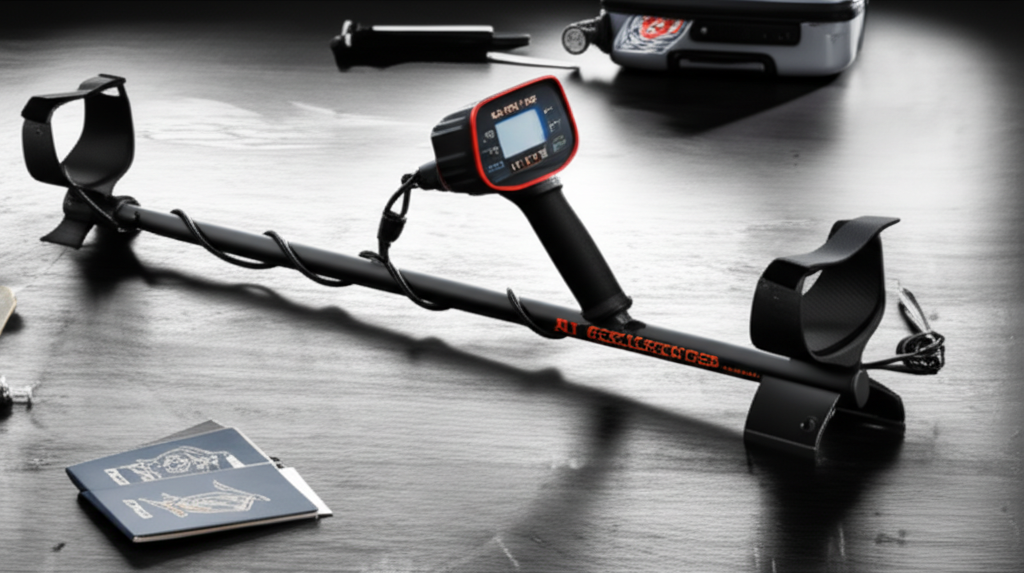
Yes, metal detectors can be taken on planes, but with specific preparation and adherence to airline and TSA regulations. This guide ensures your detecting gear travels safely and smoothly.
Metal detecting is a fantastic hobby, opening up worlds of history and hidden treasures. But when it’s time to take your passion on the road, a common question arises: Can metal detectors be taken on planes? The thought of packing your valuable equipment for a flight can be daunting, with concerns about damage, security checks, and airline policies. Don’t let this worry ground your travel plans! I’ve navigated this many times, and with the right knowledge, you can ensure your metal detector and its accessories arrive safely at your destination, ready for adventure. This guide will walk you through everything you need to know.
Understanding Airline and TSA Policies on Metal Detectors
Airlines and the Transportation Security Administration (TSA) generally permit metal detectors on flights, but there are specific guidelines to follow. Understanding these rules upfront is crucial to avoid delays or issues at security checkpoints. It’s not as simple as just walking through with your detector; preparation is key to a stress-free experience.
Checked Baggage vs. Carry-On: Where Does Your Detector Go?

The decision of whether to pack your metal detector in checked baggage or carry-on luggage depends on several factors. Both options have pros and cons, and the best choice often depends on the size of your detector and your comfort level with risk. I always consider the value and fragility of my equipment when making this choice.
Checked Baggage Considerations
Checking your metal detector might seem like the easiest option, especially for larger or more complex machines. However, this route carries risks of mishandling and damage during transit. It’s essential to pack your detector extremely well if you choose this method.
Protection: Use the original manufacturer’s box or a sturdy, padded case designed for sensitive equipment.
Disassembly: If possible, detach the coil and shaft to make it more compact and less prone to bending or breaking.
Padding: Fill any empty spaces with soft materials like bubble wrap, foam, or even clothing to prevent movement.
Labeling: Clearly label your luggage with your contact information and a “Fragile” sticker.
Carry-On Baggage Advantages
For many detectorists, carrying their metal detector on board is the preferred method. This allows you to keep a close eye on your equipment, significantly reducing the risk of damage or loss. It also means you can have it with you should your checked luggage be delayed.
Security: You maintain direct control over your detector throughout the travel process.
Convenience: No need to wait at baggage claim for your specialized equipment.
Size Limits: Be mindful of airline carry-on size and weight restrictions. Some larger detectors may not fit these requirements.
What About the Detector’s Components?
Beyond the main detector unit, you’ll likely be traveling with accessories like coils, headphones, pinpointers, and digging tools. Each of these needs consideration. My pinpointer and headphones always travel with me in my carry-on.
Coils and Other Accessories
Detachable coils, especially larger ones, can be bulky. Smaller coils might fit into carry-on bags more easily. Pinpointers and headphones are usually small enough for carry-on and are items you’ll want with you.
Pinpointers: These are almost always allowed as carry-on.
Headphones: Similar to pinpointers, they are generally fine for carry-on.
Digging Tools: This is where things get tricky. Shovels and trowels are typically considered prohibited items in carry-on luggage.
The Crucial Role of Disassembly and Packing
Proper disassembly and packing are paramount, regardless of whether you check your detector or carry it on. A well-packed detector is less likely to be flagged and more likely to arrive in working condition. I’ve learned this lesson the hard way after a damaged coil.
Airport security, particularly the TSA in the United States, has specific procedures for items like metal detectors. Understanding these can alleviate anxiety and speed up the screening process. My goal is always to be prepared and cooperative.
The TSA’s Stance on Metal Detectors
The TSA generally allows metal detectors to pass through security screening. However, they are often subject to additional screening or may need to be hand-inspected. It’s rare for a detector to be completely prohibited, but its components might raise questions.
Carry-on: Detectors carried on may need to be removed from their bags for X-ray screening.
Checked: Detectors in checked baggage will undergo screening, and the airline might request you be present if they have questions.
Preparing Your Detector for the Security Checkpoint
To make the security process smoother, prepare your detector beforehand. This means ensuring it’s powered off and, ideally, partially disassembled if you’re concerned about its size or shape.
Power Off: Always ensure your metal detector is completely powered off. Remove the batteries if possible, especially if you’re checking it.
Coil Removal: Detaching the coil can make the detector more manageable for screening and less intimidating to security personnel.
Clear Packaging: Avoid wrapping your detector in foil or other metallic materials, which could trigger alarms.
What About Batteries?
Lithium-ion batteries, common in many modern metal detectors, have specific regulations. It’s generally safer to carry these spare batteries with you in your carry-on luggage rather than checking them. Always check the specific airline’s policy on battery transport.
Can Digging Tools Be Taken On Planes?
This is often the most challenging aspect of traveling with metal detecting gear. Most airlines and security agencies classify digging tools like shovels, trowels, and spades as prohibited items in carry-on baggage. They can be perceived as weapons.
Carry-On Restrictions for Digging Tools
Expect your trowel, spade, or any digging implement to be confiscated if you attempt to bring it through a carry-on security checkpoint. The TSA views these as potential weapons, regardless of their intended use for treasure hunting.
Prohibited: Shovels, trowels, spades, and similar tools are generally not allowed in carry-on.
Exceptions: Small, foldable gardening trowels might be allowed at the discretion of the security officer, but it’s a significant risk.
Packing Digging Tools in Checked Baggage
The safest way to transport your digging tools is within your checked luggage. Ensure they are packed securely and away from items that could be damaged by sharp edges.
Secure Packing: Wrap sharp edges and pack them snugly to prevent movement.
Consider Size: Very large shovels might be subject to oversized baggage fees.
Alternative: If your destination has local shops, consider purchasing a basic digging tool upon arrival.
Traveling with Your Metal Detector’s Coil
The coil is often the most sensitive and expensive part of a metal detector. Protecting it during travel is a top priority. Its size and shape can sometimes cause it to be flagged for additional screening.
Coil Protection Strategies
Whether in checked or carry-on luggage, adequate protection is essential. The original box or a dedicated padded case is highly recommended.
Padded Cases: Many manufacturers offer specialized padded bags for coils.
DIY Protection: Wrap the coil in bubble wrap or foam, paying extra attention to the cable connection.
Secure Fit: Ensure the coil doesn’t rattle around in its packaging.
Screening of Detector Coils
Security personnel may want to inspect coils more closely due to their size and shape. Be prepared for this and have your coil readily accessible if it’s in your carry-on.
The Pinpointer Dilemma: Carry-On or Checked?
Pinpointers are small, essential tools for any detectorist. They are typically small enough and not considered a threat, making them ideal for carry-on.
Why Pinpointers Belong in Carry-On
I always keep my pinpointer in my carry-on bag. It’s small, valuable, and I need it as soon as I can detect. It’s also less likely to be lost or damaged this way.
Compact Size: Easily fits into a backpack or personal item.
Essential Tool: You’ll want it readily available.
Low Risk: Generally poses no security threat.
Avoiding Issues with Pinpointers
Ensure your pinpointer is powered off. While unlikely to cause issues, it’s always best practice to have all electronic devices switched off during screening.
Packing Your Metal Detector for International Travel
Traveling internationally with your metal detector adds another layer of complexity. You need to consider not only airline and TSA rules but also the customs regulations of your destination country.
Researching Destination Country Regulations
Some countries have restrictions or outright bans on importing metal detecting equipment. It is your responsibility to research these rules before you travel. Ignorance is not an excuse and can lead to confiscation.
Government Websites: Check the official government or tourism websites of your destination.
Embassy/Consulate: Contacting the country’s embassy or consulate in your home country can provide definitive answers.
Online Forums: Detectorist forums can offer anecdotal evidence, but always verify information with official sources.
Declaring Your Equipment
In some cases, you may need to declare your metal detector upon arrival to avoid issues with customs. This is especially true if you intend to sell or leave the equipment behind.
Tips for a Smooth Travel Experience
Having traveled extensively with my detecting gear, I’ve developed a few tried-and-true tips to make the process as smooth as possible. These small steps can make a big difference.
Pre-Flight Preparations
Charge Everything: Ensure all batteries are charged, but remember to power devices off.
Check Airline Policy: Reconfirm the specific airline’s policies on electronics and batteries.
Pack Smart: Disassemble as needed and use protective padding.
At the Airport
Be Prepared: Have your detector and its components easily accessible for screening.
Be Polite: A cooperative attitude with security personnel goes a long way.
Inform Security: If you have a particularly large or unusual detector, you can politely inform the security officer before it goes through the scanner.
Post-Flight
Inspect Your Gear: Once you’ve collected your luggage, inspect your metal detector for any signs of damage before heading out to detect.
Common Pitfalls to Avoid
Even with the best intentions, some mistakes can lead to travel disruptions. Knowing these common pitfalls can help you steer clear of them.
The “Just Toss It In” Mentality
Throwing your detector into a bag without proper packing is a recipe for disaster. It’s an investment, and it deserves care.
Ignoring Battery Rules
Lithium-ion batteries, especially larger ones, are subject to strict regulations. Failing to comply can lead to your bag being offloaded or the batteries confiscated.
Forgetting About Digging Tools
Treating digging tools like any other accessory can lead to their confiscation. They are almost always a carry-on no-go.
Can Metal Detectors Be Taken On Planes: Final Preparations Checklist
To ensure you’re fully prepared for your journey, use this checklist before heading to the airport. This will help confirm you’ve covered all the bases for taking your metal detector on a plane.
[ ] Detector: Powered off, batteries removed or accounted for, coiled detached if necessary.
[ ] Coil: Protected in a padded case or sufficient wrapping.
[ ] Pinpointer: Powered off, in carry-on.
[ ] Headphones: In carry-on.
[ ] Digging Tools: Packed securely in checked baggage.
[ ] Batteries (Spare): In carry-on, adhering to airline limits.
[ ] Documentation: Checked destination country’s import/customs rules.
[ ] Airline Policy: Confirmed specific airline rules.
Frequently Asked Questions (FAQ)
Q1: Can I bring my metal detector on a plane if it’s assembled?
A: Generally, yes, but it might be subject to additional screening or require a hand inspection. Detaching the coil can make it easier to manage and screen.
Q2: Are metal detector batteries allowed on planes?
A: Yes, but spare lithium-ion batteries must typically be carried in your carry-on luggage, not checked. Always check specific airline regulations regarding battery size and quantity.
Q3: Will TSA confiscate my metal detector?
A: It’s highly unlikely that TSA will confiscate the metal detector itself. However, prohibited items packed with it, like certain digging tools, could be taken.
Q4: What’s the best way to pack a metal detector for a flight?
A: For carry-on, ensure it fits size restrictions and is packed protectively. For checked baggage, use a sturdy case, disassemble as needed, and add ample padding.
Q5: Can I take my pinpointer on a plane?
A: Absolutely. Pinpointers are small, essential tools that are generally permitted in carry-on luggage without issue.
Q6: Are there any metal detector brands that are harder to fly with?
A: No specific brands are inherently more difficult. It’s the size, components (like detachable coils), and accessories that matter most for travel regulations.
Q7: What if my metal detector is too big for carry-on?
A: If your detector exceeds carry-on dimensions, it must be checked. Ensure it’s packed in a robust protective case to prevent damage during transit.
Conclusion
Navigating air travel with your metal detecting gear doesn’t have to be a hurdle. By understanding airline policies, preparing your equipment meticulously, and knowing the rules for components like digging tools and batteries, you can confidently fly with your detector. Can metal detectors be taken on planes? The answer is a resounding yes, provided you pack smart and stay informed. A little preparation ensures your detector arrives safely, ready to uncover the secrets waiting at your destination. Happy hunting!
