


Published on: September 24, 2025 | Updated on: September 24, 2025
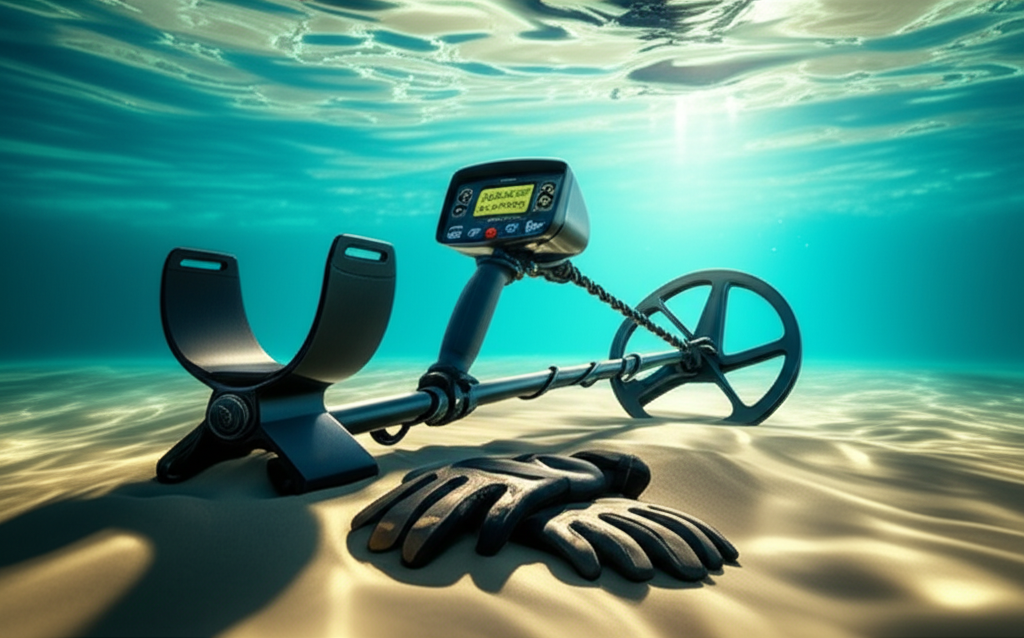
Yes, metal detectors can be used underwater, but not all of them. You need specialized waterproof models designed for submersion, with specific features to handle the aquatic environment effectively. This guide will show you how to find the right gear and techniques for underwater detecting.
Have you ever wondered if that shiny object glinting beneath the waves is just a rock, or maybe something more? The allure of submerged treasure is powerful, and many detectorists find themselves gazing longingly at lakes, rivers, and shorelines. It’s a common question: can metal detectors be used underwater? The answer is a resounding yes, but with important caveats. Not every detector is built for a dunking, and using the wrong one can lead to disappointment or damage. Don’t worry, though. By the end of this guide, you’ll know exactly what you need to dive into underwater detecting with confidence.
Understanding Underwater Metal Detecting
The dream of finding lost coins, jewelry, or historical artifacts beneath the surface is incredibly exciting. Many detectorists start on land and eventually get curious about what lies hidden in the water. This exploration opens up a whole new world of potential finds. However, the underwater environment presents unique challenges that land-based detecting doesn’t.
What Makes Underwater Detecting Different?

Water acts differently than air when it comes to metal detection. Saltwater, in particular, can interfere with signals, making it harder for a detector to pinpoint targets. The pressure at depth, the potential for corrosion, and the need for buoyancy are all factors to consider. You’re not just looking for a detector that can get wet; you need one that’s designed to perform in these conditions.
Can Metal Detectors Be Used Underwater? The Short Answer
Yes, but only if they are specifically designed and advertised as waterproof or submersible. Standard metal detectors are generally not safe to use underwater. Attempting to submerge a non-waterproof detector will likely result in irreparable damage.
Types of Waterproof Metal Detectors
When we talk about using metal detectors underwater, we’re referring to detectors that are built to withstand submersion. These aren’t just “rain-resistant” models; they are fully sealed units. There are a few main categories that cover most of what you’ll find on the market.
Submersible Detectors
These are the workhorses for underwater detecting. They are designed to be fully submerged, often to significant depths. Many are rated for depths of 10, 20, or even 100 feet. They feature waterproof housings for the control box, shaft, and coil.
Waterproof Coils and Shafts
Some detectors might have a waterproof coil and shaft but a non-waterproof control box. These are typically suitable for wading in shallow water or detecting in wet sand, but not for full submersion. Always check the manufacturer’s specifications carefully.
Pulse Induction (PI) vs. Very Low Frequency (VLF) Underwater
Both VLF and PI technology can be adapted for underwater use. VLF detectors are generally better at discriminating between different types of metal, which can be helpful in areas with lots of junk. PI detectors are often less affected by saltwater mineralization and can offer greater depth, making them popular for beach and saltwater detecting.
Key Features for Underwater Metal Detectors
Choosing the right detector for underwater use involves looking at specific features that ensure performance and durability. These features are crucial for success and longevity in aquatic environments.
Waterproof Ratings and Depth Limits
This is the most critical factor. Look for IP ratings (like IP68) or specific depth ratings (e.g., “waterproof to 100 feet”). A detector rated for 10 feet won’t survive a dive to 20 feet. Always adhere to the manufacturer’s stated limits to avoid damage.
Corrosion Resistance
Saltwater is highly corrosive. Underwater detectors are made with materials and coatings that resist salt and water damage. Stainless steel components, durable plastics, and sealed connectors are common.
Adjustable Sensitivity and Ground Balance
Water, especially saltwater, can cause false signals. The ability to adjust sensitivity helps manage this. Ground balance is crucial for tuning out mineralized soil or sand, which is often prevalent underwater.
Ergonomics and Weight
Detecting underwater can be tiring. A well-balanced detector that isn’t too heavy is important for extended searches. Some detectors offer wireless headphones, which can be a great convenience when you’re submerged.
Target ID and Audio Tones
Clear target identification helps you decide whether to dig. Underwater, visual cues are limited, so good audio feedback is essential. Some advanced waterproof detectors offer visual displays as well.
Can Metal Detectors Be Used Underwater: How to Choose the Right One
Selecting a metal detector for underwater exploration isn’t just about picking the most expensive model. It’s about finding the best tool for your specific needs and budget. Consider where you’ll be detecting and what you hope to find.
Consider Your Detecting Environment
Will you be detecting in freshwater lakes, slow-moving rivers, or the harsh saltwater of the ocean? Freshwater environments are generally easier on detectors. Saltwater requires robust corrosion resistance and often detectors that handle mineralization well. For beach detecting where you might encounter wet sand and surf, a detector rated for submersion is ideal.
Budget and Features
Entry-level waterproof detectors offer basic functionality for casual users. Mid-range options provide better discrimination, depth, and features like wireless connectivity. High-end models boast advanced technology, extreme depth ratings, and specialized modes. Determine what features are essential for your treasure hunting goals.
Brand Reputation and Reviews
Reputable brands like Minelab, Garrett, Nokta, and Fisher offer dedicated waterproof models. Reading reviews from other detectorists who use these machines in similar conditions can provide invaluable insight. Look for real-world performance feedback.
Common Brands and Models for Underwater Use
Minelab Equinox Series: Highly popular for its multi-frequency technology, waterproof to 5 meters (16 feet), and excellent performance in various conditions.
Nokta Makro PulseDive: A dedicated pulse induction pinpointer that can also function as a dive detector, waterproof to 60 meters (200 feet).
Garrett AT Pro/AT Max: Waterproof to 10 feet, these are workhorses for many detectorists venturing into wet conditions.
Garrett Sea Hunter Mark II: A dedicated pulse induction dive detector, waterproof to 200 feet.
Essential Accessories for Underwater Detecting
Beyond the detector itself, a few key accessories can significantly enhance your underwater detecting experience. These items are designed to complement your waterproof detector and make the process safer and more efficient.
Waterproof Headphones
While some detectors have built-in speakers, waterproof headphones are essential for hearing faint signals underwater. They help you isolate sounds and identify targets more accurately. Ensure they are designed for submersion or at least for heavy splashing and wading.
Dive Knife or Cutting Tool
You’ll inevitably encounter fishing line, nets, or other debris underwater. A sturdy dive knife or a specialized cutting tool can safely free your detector or retrieve targets without damaging them. Always carry one for safety and efficiency.
Sand Scoops and Sieves
Retrieving targets from sand or mud requires specialized tools. Waterproof sand scoops with holes allow water to drain, making it easier to sift through the sediment. A small sieve can be helpful for examining your finds in the water.
Dive Flag and Float System
If you are diving or detecting in areas where boats might be present, a dive flag is crucial for safety. It alerts boaters to your presence. A float system keeps your detector and finds tethered to you.
Techniques for Effective Underwater Detecting
Using a metal detector underwater requires a slightly different approach than on land. The movement of water, reduced visibility, and the need for controlled movements all play a role. Mastering these techniques will help you find more targets and enjoy the process.
Slow and Steady Sweep
Water resistance makes sweeping a detector feel different. Move the coil slowly and deliberately through the search area. Overlapping your sweeps ensures you don’t miss any spots. Think of it as a methodical grid pattern.
Proper Coil Angle
Keep the coil as parallel to the ground as possible. This maximizes the detector’s sensitivity across the entire target area. Avoid tilting the coil, which can lead to inaccurate signals or missed targets.
Dealing with Water Currents and Visibility
Strong currents can make controlling the detector difficult. Try to detect on calmer days or in sheltered areas. If visibility is poor, rely heavily on your audio cues and pinpointer.
Pinpointing Underwater Targets
Once you get a signal, pinpointing the exact location is key. Use a waterproof pinpointer for this. These small, handheld devices are invaluable for narrowing down the target’s position before you start digging.
Troubleshooting Common Underwater Detecting Issues
Even with the best gear, you might encounter challenges when detecting underwater. Understanding these common problems and their solutions will save you frustration and help you get back to finding treasure.
False Signals from Saltwater
Saltwater is conductive and can cause a detector to give false signals. If your detector is struggling, try reducing the sensitivity slightly or adjusting the ground balance. Some detectors have specific saltwater modes.
Mineralized Sand and Mud
Many underwater environments contain minerals that can interfere with detection. Proper ground balancing is your best friend here. If your detector allows, experiment with different ground balance settings.
Target Masking
A large target or a dense cluster of metal can mask smaller targets nearby. If you suspect masking, try approaching the target from different angles or using a different coil if possible. A good pinpointer is also essential for isolating individual targets.
Battery Life and Maintenance
Waterproof detectors require careful battery management. Ensure battery compartments are sealed correctly. Rinse your detector thoroughly with fresh water after each use, especially in saltwater, to prevent corrosion.
Can Metal Detectors Be Used Underwater: Safety First!
Exploring underwater environments carries inherent risks. Safety should always be your top priority. Never compromise your well-being for the sake of a potential find.
Know Your Limits and Dive Safely
Only submerge yourself and your detector to the depth rating specified by the manufacturer. If you are diving to greater depths, ensure you have the proper training, equipment, and buddy system. Never detect alone in remote water bodies.
Be Aware of Your Surroundings
Look out for underwater hazards like sharp objects, strong currents, or marine life. Understand the water conditions before you enter. If you’re in a river, be mindful of the current’s strength.
Secure Your Gear
Use a lanyard or wrist strap to keep your detector and pinpointer tethered to you. This prevents them from being lost if dropped. A float system can also be helpful.
Inform Someone of Your Plans
Always let someone know where you are going, when you expect to return, and who to contact if you don’t check in. This is a crucial safety measure for any outdoor activity.
Maintaining Your Waterproof Detector
Proper care ensures your waterproof metal detector lasts for years. Saltwater, sand, and mud can be harsh. A little maintenance goes a long way.
Rinse After Every Use
This is non-negotiable, especially after detecting in saltwater or muddy conditions. Use a hose or a bucket of fresh water to thoroughly rinse the entire detector, including the coil and shaft. Pay attention to crevices and control box seams.
Dry Thoroughly
After rinsing, allow the detector to air dry completely. Wipe down any excess water with a soft cloth. Ensure all ports and battery compartments are dry before storing or charging.
Check Seals and O-rings
Periodically inspect the rubber seals and O-rings on battery compartments and connectors. If they appear cracked, brittle, or worn, replace them immediately. These seals are vital for maintaining waterproofing.
Store Properly
Store your detector in a cool, dry place away from direct sunlight. A padded bag or its original box can offer protection. Avoid storing it in extreme temperatures.
FAQ: Your Underwater Detecting Questions Answered
Here are some common questions beginners have about using metal detectors underwater.
Q1: Can I use my regular land metal detector in shallow water or rain?
Most standard metal detectors are not waterproof. While some might be “water-resistant” and can handle light rain or splashes, submerging them is a risky proposition. Always check the manufacturer’s specifications; if it doesn’t explicitly state it’s waterproof for submersion, don’t risk it.
Q2: How deep can waterproof metal detectors go?
The depth varies significantly by model. Some are rated for just a few feet (like the Garrett AT Pro/Max, up to 10 feet), while specialized dive detectors can go down to 200 feet or more. Always check the specific depth rating for your detector.
Q3: Is saltwater harder to detect in than freshwater?
Yes, saltwater is more conductive and mineralized, which can cause more false signals and reduce detector performance. Many waterproof detectors designed for beach or underwater use have specific settings or technologies (like Pulse Induction) to combat saltwater interference.
Q4: Do I need special headphones for underwater detecting?
Yes, if you want to hear targets clearly underwater. Standard headphones won’t work. You’ll need waterproof headphones specifically designed to be submerged or at least to handle significant water exposure and transmit sound effectively underwater.
Q5: What is the most important feature in an underwater metal detector?
The most crucial feature is its waterproof rating and depth capability. Without this, the detector is useless underwater. After that, good performance in saltwater conditions, corrosion resistance, and clear audio feedback are highly important.
Q6: Can I use a pinpointer underwater?
Yes, many pinpointers are now waterproof and are incredibly useful for precisely locating targets once you’ve received a signal from your main detector. They help you dig more efficiently and with less disturbance to the environment.
Conclusion: Dive In and Discover What Lies Beneath
So, can metal detectors be used underwater? Absolutely, and it opens up a thrilling dimension to the hobby. By selecting a detector specifically built for submersion, understanding its features, and employing the right techniques, you can unlock a world of hidden treasures. Remember to prioritize safety, maintain your gear diligently, and enjoy the process of discovery. The underwater realm is vast and full of potential finds, waiting for a curious detectorist to explore. Happy hunting beneath the waves!
