


Published on: September 23, 2025 | Updated on: October 21, 2026
Metal detectors are designed to find metal, not drugs. While they can’t directly detect illegal substances, understanding their limitations and potential indirect applications is crucial for certain scenarios.
Have you ever wondered if your trusty metal detector, the one that helps you unearth buried coins and relics, could also sniff out something more illicit, like drugs? It’s a question that pops up more often than you might think, especially when you consider the diverse applications of technology in various fields. Many of us have spent countless hours scanning parks, beaches, and fields, dreaming of that exciting signal. But what happens when the signal could indicate something other than treasure? This article aims to demystify the capabilities and limitations of metal detectors when it comes to detecting drugs, providing you with clear, field-tested insights. We’ll break down exactly what these devices can and cannot do, and explore any potential indirect ways they might be relevant.
What Exactly Can Metal Detectors Detect?
Metal detectors are precisely engineered to locate metallic objects buried beneath the surface. They work by generating an electromagnetic field from a coil and then detecting disturbances in that field caused by conductive materials. This means they excel at finding items made of iron, gold, silver, copper, and other metals.
Their sensitivity varies greatly depending on the detector’s design, the coil size, and the target’s conductivity and depth. Higher-frequency detectors are generally better at finding small, low-conductivity targets like gold nuggets, while lower-frequency detectors often perform better on larger, more conductive targets like ancient coins. Understanding these principles is key to appreciating why their function is inherently limited to metal.
Can Metal Detectors Detect Drugs Directly?
The straightforward answer is no, standard metal detectors cannot directly detect drugs. Drugs are organic compounds, and they do not possess the metallic properties that metal detectors are designed to identify. A bag of cannabis, a pill, or a packet of cocaine will not trigger a signal on a typical metal detector.
This is because the underlying technology relies on the principles of electromagnetism interacting with conductive materials. Unless the drugs are concealed within a metallic container or object, they remain invisible to the electromagnetic waves emitted by the detector. Therefore, you won’t find illegal substances simply by sweeping your detector over an area.
Why the Misconception About Metal Detectors and Drugs?
The confusion often stems from fictional portrayals in movies or television shows, where advanced technology is sometimes depicted with capabilities beyond its real-world limits. Additionally, there might be instances where drugs are found incidentally during a metal detecting search for metallic items. For example, if drugs are hidden inside a metal box, the detector would signal the box, not the drugs themselves.
This indirect discovery can lead people to believe the detector itself found the drugs. However, it’s crucial to remember that the detector’s response is always to the metallic component of the find. The actual substance is only identified once the object is excavated and examined.
The Role of Specialized Detection Equipment
While standard metal detectors are not designed for drug detection, specialized security and law enforcement agencies use sophisticated equipment for this purpose. These tools employ different technologies, such as chemical trace detection or advanced imaging systems, which are specifically engineered to identify the molecular composition of various substances. These are far removed from the hobbyist metal detectors you might use for treasure hunting.
These advanced systems can detect minute particles of illegal substances left behind on surfaces or within packaging. They are highly sensitive and require trained personnel to operate and interpret the results. It’s a completely different ballgame compared to finding a buried silver coin.
Can Metal Detectors Detect Drug Paraphernalia?
This is where things get a bit more nuanced. Metal detectors can detect metallic drug paraphernalia. This includes items like pipes, needles, small metal containers, or even metallic components within larger items that might be used for drug consumption or concealment.
If a metal pipe, a used syringe with a metal needle, or a small metal tin containing residue is buried, a metal detector will indeed signal its presence. The detector is reacting to the metal, not any residual drug material. So, while it’s not detecting the drug itself, it can potentially flag items associated with drug use.
How Metal Detectors Signal Metallic Paraphernalia
When you sweep your metal detector over an area, it emits a signal. If that signal encounters a metallic object, such as a metal pipe or a needle, it creates a disturbance in the electromagnetic field. This disturbance is then translated into an audible tone or a visual reading on the detector’s display.
The nature of the signal (tone, depth indicator, target ID) will depend on the detector’s settings and the specific metallic item. A small, thin item like a needle might produce a faint signal, while a larger pipe could yield a stronger response. It’s a clear indication of metal, and further investigation would be needed to identify the object.
Indirect Detection Scenarios and Limitations
Consider a scenario where drugs are hidden inside a metal container. A metal detector would undoubtedly pick up the container, leading to its discovery. However, the detector isn’t “detecting drugs”; it’s detecting the metal box.
Similarly, if a discarded syringe with a metal needle is found, the detector will signal the needle. The presence of drug residue on the needle is not what the detector is sensing. These are indirect findings, where the metal detector acts as a catalyst for discovery by revealing the metallic element, not the substance itself.
Legal and Ethical Considerations
It’s important to address the legal and ethical implications of using metal detectors in relation to potential drug finds. If you are a hobbyist detectorist and stumble upon what you suspect to be illegal drugs or paraphernalia, your responsibility is to report it to the authorities immediately. Do not touch or disturb the items further.
Tampering with evidence or attempting to handle suspected illegal substances yourself can lead to serious legal trouble. Always prioritize safety and adhere to the law by contacting law enforcement. Your role as a detectorist is to find historical items, not to enforce drug laws.
Choosing the Right Detector for General Searching (Not Drugs)
For those interested in the rewarding hobby of metal detecting, choosing the right equipment is paramount. The best detectors for general treasure hunting, coin shooting, and relic hunting are designed for versatility and ease of use. Brands like Garrett, Minelab, Nokta Makro, and Fisher offer excellent options for beginners and experienced detectorists alike.
When selecting a detector, consider factors like the types of targets you want to find (coins, relics, gold), the ground conditions you’ll be searching in (mineralized soil, trashy parks), and your budget. A good all-around detector will offer multiple search modes, discrimination capabilities to ignore trash, and comfortable ergonomics for long detecting sessions. This ensures you maximize your chances of finding actual treasure.
Frequently Asked Questions (FAQ)
Can a metal detector find a hidden stash of drugs?
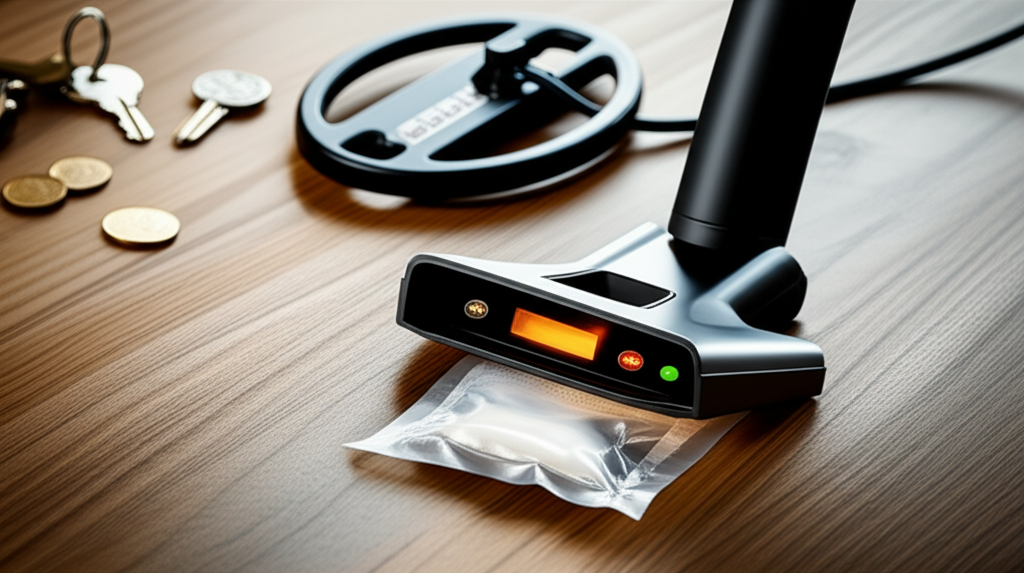
No, a standard metal detector cannot directly find a hidden stash of drugs because drugs are not metallic. It can only detect the metallic container or object the drugs might be hidden within.
Will a metal detector detect a metal pipe used for smoking drugs?
Yes, a metal detector will detect a metal pipe because it is made of metal. It will signal the presence of the pipe itself, not any residue from drug use.
Can I use a metal detector to search for illegal substances at a festival?
Using a metal detector for the purpose of searching for illegal substances is generally outside its intended use and may have legal implications depending on local regulations and permissions. It is not designed for this function.
Are there any specialized metal detectors that can detect drugs?
No, standard metal detectors are not designed to detect drugs. Specialized security equipment, not metal detectors, is used by law enforcement to detect illicit substances.
What happens if my metal detector signals on something that turns out to be drug-related?
If your metal detector signals on an item and you suspect it is drug-related or illegal, do not touch it. Secure the area and contact local law enforcement or relevant authorities immediately.
How do metal detectors differentiate between a coin and a metal pipe?
Metal detectors often use target ID numbers or tones to help differentiate between types of metal. While a coin and a pipe are both metal, their conductivity and shape can produce different signals that an experienced detectorist can learn to interpret.
Conclusion: The Real Breakthrough for Detectorists
So, to answer the burning question: can metal detectors detect drugs? The definitive answer for any standard metal detector is a clear no. They are engineered to find metal, plain and simple. The real breakthrough for detectorists isn’t about finding illicit substances, but about mastering the art of locating historical treasures, forgotten coins, and valuable relics.
Understanding the capabilities and limitations of your metal detector is crucial. While it might indirectly lead to the discovery of metallic drug paraphernalia, its core function remains the detection of metal. For those passionate about treasure hunting and outdoor exploration, focusing on learning the best techniques for using your detector to find actual historical finds is where the true excitement lies. Keep those coils sweeping for the glint of history, not for something that should be left to the professionals.
