


Published on: September 27, 2025 | Updated on: September 27, 2025
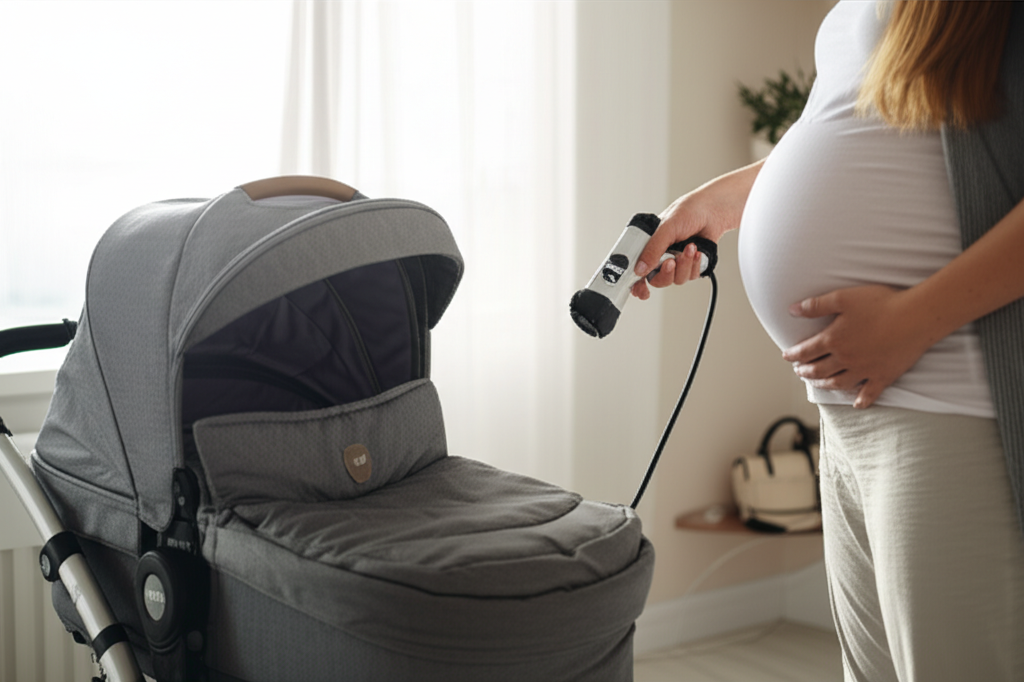
Yes, you can generally go metal detecting while pregnant, but it’s crucial to prioritize safety and listen to your body. This guide covers essential precautions and considerations for expectant mothers to enjoy their hobby responsibly.
Metal detecting is a fantastic way to get outdoors, get some gentle exercise, and potentially unearth some fascinating finds. Many expectant mothers wonder if they need to hang up their detector for the duration of their pregnancy. The good news is that for most pregnancies, metal detecting can continue safely with a few sensible adjustments. This article will walk you through everything you need to know, from understanding potential concerns to practical tips for a comfortable and safe detecting experience. We’ll cover the science behind any risks, recommended gear modifications, and how to listen to your body.
Is Metal Detecting Safe During Pregnancy?
Metal detecting is widely considered safe for pregnant individuals. The electromagnetic fields emitted by typical hobbyist metal detectors are very weak and localized, posing no known significant risk to a developing fetus. The primary concerns revolve around the physical demands of the activity and environmental factors rather than the detector itself. Understanding these nuances will allow you to continue your passion with peace of mind.
Understanding Potential Risks and Concerns
While the detectors themselves are generally safe, several factors related to metal detecting can pose risks during pregnancy. These include physical exertion, exposure to certain environments, and the use of specific equipment. Being aware of these potential issues allows for proactive mitigation.
Physical Exertion and Strain

Bending, digging, and carrying detector equipment can become more challenging as your pregnancy progresses. Your body undergoes significant changes, including shifts in balance and increased fatigue. It’s vital to pace yourself and avoid overexertion to prevent strain and discomfort.
Environmental Hazards
Detecting in remote or uneven terrain can increase the risk of falls, especially as your center of gravity changes. Exposure to extreme weather conditions, such as excessive heat or cold, should also be avoided. Always be mindful of your surroundings and potential hazards.
Electromagnetic Field (EMF) Exposure
Modern hobbyist metal detectors operate at low frequencies and produce very low-level electromagnetic fields. These fields are far below the levels generally considered harmful to human health, including during pregnancy. Extensive research has not shown a link between typical metal detector use and adverse pregnancy outcomes.
Essential Safety Precautions for Pregnant Detectorists
Prioritizing your well-being and that of your baby is paramount. Implementing these safety measures will ensure your detecting adventures remain enjoyable and risk-free. These are practical steps you can take to adapt your detecting routine.
Listen to Your Body: The Golden Rule
Your body will give you signals. Fatigue, dizziness, or any discomfort are signs to stop and rest. Pushing yourself too hard can lead to complications, so never ignore these cues. It’s better to cut a detecting session short than to risk your health.
Hydration and Nutrition
Staying well-hydrated is crucial, especially when detecting in warmer weather. Carry plenty of water and take frequent sips. Ensure you have healthy snacks readily available to maintain energy levels. Dehydration and low blood sugar can exacerbate fatigue and dizziness.
Pacing and Breaks
Incorporate regular breaks into your detecting sessions. Sit down, stretch, and relax. Avoid prolonged standing or strenuous digging. Gradually reduce the duration and intensity of your outings as your pregnancy advances.
Avoiding Uneven Terrain and Hazardous Areas
Stick to flatter, more stable ground whenever possible. Be cautious around steep inclines, slippery surfaces, or areas known for uneven footing. Avoid hunting in areas with poison ivy, ticks, or other environmental irritants.
Weather Considerations
Detecting in extreme heat or humidity can lead to overheating and dehydration, which are particularly risky during pregnancy. Similarly, extreme cold can be dangerous. Choose milder weather conditions for your detecting excursions.
Adapting Your Metal Detecting Gear
You don’t necessarily need a whole new setup, but a few simple modifications can make a big difference in comfort and safety. These adjustments focus on reducing physical strain and enhancing your overall detecting experience.
Lighter Detector and Coil Choices
Consider using a lighter detector model or a smaller, lighter coil. This reduces the weight you have to swing and manage, lessening fatigue. Smaller coils are also excellent for pinpointing in tight spots, requiring less digging.
Ergonomic Accessories
Invest in accessories that reduce physical strain. A comfortable, padded harness can help distribute the weight of the detector. Ensure your digging tools are lightweight and easy to handle.
Pinpointer Use
A good pinpointer is invaluable for reducing excessive digging. It helps you locate targets precisely within the plug, minimizing the effort and time spent excavating. This is a simple tool that greatly enhances efficiency and reduces physical exertion.
Comfortable Clothing and Footwear
Wear loose, breathable clothing that allows for easy movement and temperature regulation. Supportive, comfortable footwear with good traction is essential for stability and preventing slips.
Specialized Detectors for Expectant Mothers?
While no detectors are specifically designed for pregnancy, certain types are inherently easier to use. Lightweight, well-balanced detectors with user-friendly controls are ideal. Brands like Minelab, Garrett, and Nokta Makro offer models that are generally considered ergonomic and well-suited for extended use.
Lightweight and Balanced Models
Detectors with good weight distribution and adjustable shafts are easier to handle for longer periods. These models reduce the strain on your arms and back. Examples include some of the newer entry-level to mid-range detectors that prioritize user comfort.
User-Friendly Controls
Opting for a detector with simple, intuitive controls can reduce mental fatigue. Less fiddling with settings means more time enjoying the hunt and less stress. Many modern detectors offer straightforward operation.
Digging Techniques and Tools for Comfort
How you dig is as important as where you dig. Adapting your digging strategy can prevent back strain and make the process more manageable. Using the right tools is key to this adaptation.
The Gentle Plug Method
Instead of aggressively cutting large plugs, focus on a more controlled, gentle approach. Cut a shallow, neat plug, lift it carefully, and use your pinpointer to find the target within the soil. This minimizes the force required.
Lightweight Digging Tools
A sturdy but lightweight digging trowel or spade is essential. Avoid heavy, cumbersome tools that require more effort to wield. Many detectorists find specialized digging tools designed for sensitive areas are perfect.
Using a Stabilizing Mat
When you cut a plug, place it on a small, lightweight mat. This keeps the grass and soil neat and prevents it from spreading, making it easier to replace later. It also means less bending down to handle the soil.
When to Take a Break from Metal Detecting
There will be times during your pregnancy when it’s best to step away from detecting altogether. Listening to your doctor and your body are the most important factors.
High-Risk Pregnancies
If you have a high-risk pregnancy or have been advised by your doctor to limit physical activity, it’s best to avoid metal detecting. Your health and the baby’s health are the absolute priority.
Later Stages of Pregnancy
As you enter the third trimester, balance and mobility can become significantly impaired. The physical demands of digging and walking may become too strenuous. It’s often wise to pause detecting during this period.
Feeling Unwell
Anytime you feel unwell, dizzy, nauseous, or excessively fatigued, it’s a clear sign to stop detecting. Rest is crucial for a healthy pregnancy. Don’t hesitate to call it a day if you’re not feeling 100%.
Seeking Professional Advice
Always consult with your healthcare provider before continuing any physically demanding hobby during pregnancy. They can offer personalized advice based on your specific health and pregnancy status. Your doctor’s guidance is the most authoritative source.
Frequently Asked Questions About Metal Detecting While Pregnant
Q1: Are the electromagnetic fields from metal detectors harmful to a fetus?
A1: No, typical hobbyist metal detectors emit very low-level electromagnetic fields that are not considered harmful to a developing fetus. Regulatory bodies set safety limits, and these detectors operate well within safe parameters.
Q2: Can I still swing a metal detector if I’m in my third trimester?
A2: It depends on how you feel. Many women find the physical strain too much in the third trimester due to changes in balance and fatigue. Listen to your body and your doctor; it might be time for a break.
Q3: What are the biggest safety concerns for pregnant detectorists?
A3: The main concerns are physical exertion, risk of falls on uneven terrain, dehydration, overheating, and fatigue, rather than the detector itself. Adapting your approach to mitigate these risks is key.
Q4: Should I use a lighter metal detector when pregnant?
A4: Yes, using a lighter detector and coil can significantly reduce fatigue and strain on your arms and back, making the activity more comfortable and safer.
Q5: How much digging is too much when I’m pregnant?
A5: Any digging that causes you pain, strain, or excessive fatigue is too much. Focus on gentle digging techniques and minimize the number of plugs you cut. A pinpointer is your best friend here.
Q6: Can I go metal detecting alone when pregnant?
A6: It’s generally safer to detect with a companion, especially as your pregnancy progresses. This ensures you have someone to assist if you feel unwell or have a fall.
Conclusion: Enjoy Your Detecting Safely While Expecting
Metal detecting can absolutely remain a rewarding and enjoyable hobby during pregnancy. By understanding the minor risks and implementing sensible safety precautions, you can continue your treasure hunts with confidence. Prioritize listening to your body, adapting your gear and techniques, and always consulting with your healthcare provider. With a little care and awareness, you can safely embrace the thrill of discovery throughout your pregnancy journey. Happy hunting!
