


Published on: September 27, 2025 | Updated on: September 27, 2025
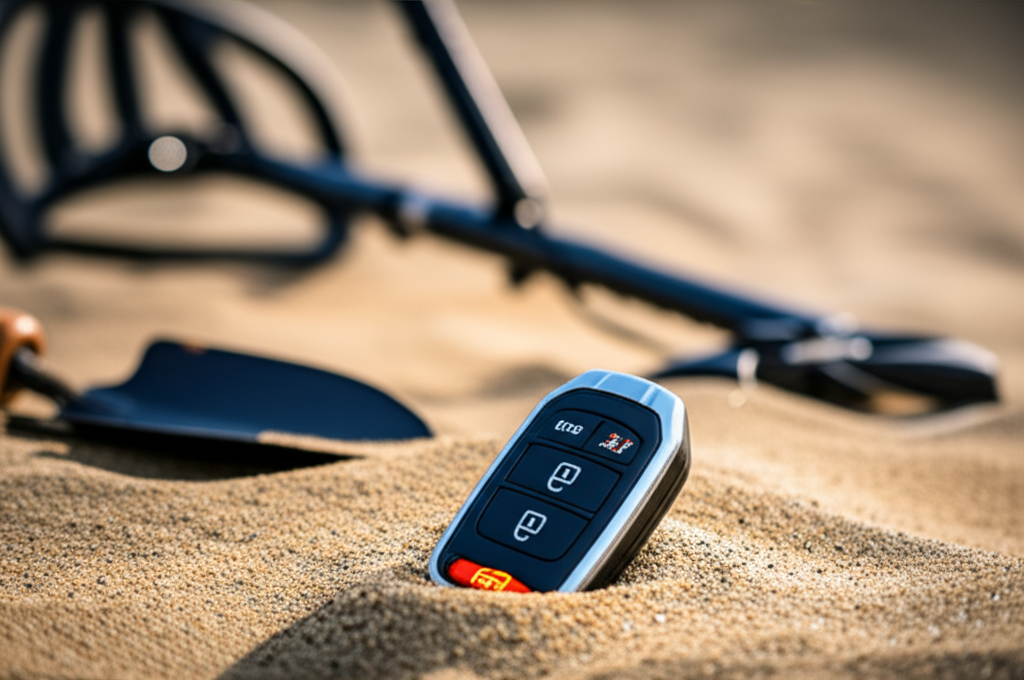
Yes, you can find a lost key fob with a metal detector, especially if it contains metal components. This guide will walk you through the best detectors, settings, and techniques to maximize your chances of recovery and get you back on the road sooner.
Finding a lost key fob can be incredibly frustrating, leaving you stranded and stressed. The good news is that with the right approach and tools, you can significantly increase your odds of locating that elusive piece of plastic and metal. This guide will equip you with the knowledge to use a metal detector effectively for this common problem. We’ll cover everything from choosing the right equipment to the best search strategies.
Why a Metal Detector Can Find Your Key Fob
Metal detectors work by emitting an electromagnetic field and detecting disturbances caused by metallic objects. While key fobs are largely plastic, they almost always contain internal metal components like battery contacts, circuit board traces, and sometimes even a small metal chip or transponder. These metallic elements are precisely what a metal detector is designed to find. The sensitivity and discrimination settings on your detector play a crucial role in isolating the fob from other metal trash.
Choosing the Right Metal Detector for Key Fobs
Not all metal detectors are created equal when it comes to finding small, often buried, items like key fobs. For this specific task, I’ve found that detectors with higher frequencies and good discrimination capabilities perform best. Higher frequencies allow the detector to pick up on smaller metallic targets more effectively. A detector with adjustable discrimination is also key, allowing you to filter out common junk like pull tabs and foil while still detecting the fob.
Recommended Detector Types and Features

High-Frequency Detectors: Models operating in the 15 kHz and above range are excellent for small targets. These frequencies are more sensitive to the tiny metal components within a key fob.
Adjustable Discrimination: The ability to tune out unwanted metals is vital. You don’t want to dig dozens of bottle caps to find your fob.
Pinpointer Compatibility: While not the primary detector, a good pinpointer is essential for pinpointing the exact location once your main detector signals.
Lightweight and Maneuverable: You’ll likely be searching in areas where the fob was dropped, which might be uneven or cluttered. A lighter detector is easier to swing for extended periods.
Brands like Minelab, Garrett, and Nokta Makro offer models that fit these criteria. For instance, a Garrett AT Pro or Minelab Equinox series can be quite effective, though even a simpler, higher-frequency beginner detector can do the job if used correctly.
Understanding Your Metal Detector’s Settings
Properly configuring your metal detector is half the battle. Incorrect settings can lead you to miss the fob entirely or get overwhelmed by signals from other metal objects. I always start by setting my detector to its most sensitive setting for small targets. Then, I begin to adjust the discrimination.
Key Settings to Focus On
Discrimination: Start with minimal discrimination. If you’re getting too many false signals from iron or foil, gradually increase discrimination until those signals disappear. However, be cautious not to discriminate out the fob itself.
Sensitivity: While tempting to crank this to maximum, sometimes too much sensitivity can lead to “chattering” or false signals from ground mineralization. Find a balance where you get clear signals without excessive noise.
Ground Balance: If your detector has manual or automatic ground balance, ensure it’s set correctly for the soil conditions. This helps the detector ignore signals from minerals in the ground.
Notch Filter: Some detectors allow you to “notch out” specific signal ranges. You might use this to eliminate common trash signals if you’ve identified their target IDs.
It’s crucial to ground balance your detector in the area where you are searching. This recalibrates the device to the specific soil, improving its accuracy and reducing false signals.
The Importance of a Pinpointer
Once your main metal detector indicates a potential target, a pinpointer is your best friend. These small, handheld devices are incredibly sensitive and help you narrow down the exact location of the metallic object within the soil plug or debris. Without a pinpointer, you could spend a lot of time carefully sifting through dirt with your digging tool.
How to Use a Pinpointer Effectively
1. Mark the Target Area: After getting a signal on your main detector, carefully mark a small area around where the signal was strongest.
2. Excavate Carefully: Use your digging tool to carefully remove a soil plug or debris from the marked area. Place it nearby, ensuring you don’t accidentally bury the target.
3. Scan the Area: Use your pinpointer to sweep over the excavated soil plug and the hole you dug.
4. Narrow Down the Signal: The pinpointer will beep faster and louder as you get closer to the metallic object. Move the pinpointer slowly and systematically.
5. Locate the Fob: Continue until the pinpointer is giving a continuous, strong signal, indicating the fob is directly beneath or within the pinpointer’s tip.
A good pinpointer can save you immense time and frustration, especially when dealing with small, easily misplaced items. Many modern pinpointers are also waterproof, which is a huge plus if you’re searching near water or in wet grass.
Step-by-Step Search Strategy
Finding a lost key fob requires a systematic approach. You can’t just randomly swing your detector; you need a plan. I usually start by retracing my steps as precisely as possible, covering the area where I last remember having the fob.
Your Action Plan for Recovery
1. Identify the Search Area: Pinpoint the most likely locations where the fob could have been dropped. This might be your driveway, a park path, or near your car.
2. Divide and Conquer: Mentally or physically divide the search area into manageable grids or sections. This ensures you cover every inch without overlap or missing spots.
3. Start with the Main Detector: Begin sweeping your metal detector slowly and deliberately over the first section. Overlap your sweeps to avoid gaps.
4. Listen for Signals: Pay close attention to any repeatable, consistent signals that aren’t clearly iron. Note the direction and intensity of the signal.
5. Use the Pinpointer: Once you have a signal, mark the spot and use your pinpointer to locate the exact target.
6. Excavate and Recover: Carefully dig up the target. Be gentle if you suspect it’s the fob, as they can be delicate.
7. Repeat: Move to the next section and repeat the process until the fob is found or the area is thoroughly searched.
Remember to be patient. It might take time, and you might encounter other interesting finds along the way.
Dealing with Common False Signals and Trash
The world of metal detecting is often filled with unwanted targets, commonly referred to as “trash.” This can include pull tabs, bottle caps, foil wrappers, nails, and even small pieces of scrap metal. These items can produce signals that mimic a key fob, leading to frustrating digs.
Tips for Identifying and Ignoring Trash
Target ID Numbers: Most modern detectors provide a target identification (TID) number. Learn what TID numbers are typically associated with common trash items in your area. For example, aluminum foil and pull tabs often fall within a certain range.
Sound Characteristics: Different metals produce distinct sounds. Iron often gives a low-pitched, dull thud, while other metals might have a sharper, higher-pitched tone. Practice listening to the nuances of your detector’s audio.
Digging Strategy: If you get a signal that is erratic, faint, or sounds like typical trash, it’s often best to skip it, especially when you’re primarily looking for a key fob. Focus on strong, repeatable signals.
Pinpointing Trash: Even if you decide to dig a questionable signal, a pinpointer will quickly reveal if it’s just a nail or a piece of foil, saving you from digging deep.
If your key fob has a very small metal component, it might register in a similar TID range as foil. This is where your ear and experience come into play, distinguishing between a faint foil signal and a slightly more robust fob signal.
What If Your Key Fob Has No Metal?
This is a less common scenario, but it’s worth addressing. Some newer key fobs are designed with minimal metal to reduce interference with car electronics or for aesthetic reasons. If your key fob is almost entirely plastic and contains no detectable metal components, then unfortunately, a standard metal detector will not be able to find it.
Alternatives for All-Plastic Fobs
Visual Search: If you suspect the fob is entirely plastic, your best bet is a thorough visual search. Get down low, use a bright flashlight, and meticulously scan the area.
Tile/Drainage Search: If you suspect it fell into a drain or grate, you might need specialized tools like a magnetic retrieval tool (if any tiny metal part exists) or a grabber tool.
Bluetooth Trackers: For future peace of mind, consider attaching a small Bluetooth tracker (like an Apple AirTag or Tile) to your key fob. These can be located via your smartphone, even without metal.
Before you start searching, try to identify if your specific key fob model has any discernible metal parts. A quick look at the battery compartment or a gentle tap might give you clues.
Searching Different Terrains: Grass, Gravel, and More
The environment where you lost your key fob significantly impacts your search. Soft grass is generally easier to search than hard-packed gravel or sandy areas. Each terrain presents unique challenges and requires slight adjustments to your technique.
Terrain-Specific Tips
Grass: The most common scenario. Use a sharp digging tool to cut clean plugs, making it easier to replace the turf afterward. A pinpointer is essential here to locate the fob within the grass blades or shallow soil.
Gravel/Dirt: These areas can be tougher. The ground might be harder, and signals can be masked by the variety of metallic debris often found in driveways or paths. A good detector with adjustable discrimination is crucial. You might need a more robust digging tool.
Sand: If the fob was lost near a beach or sandy area, be aware that sand can shift, burying the item deeper or exposing it. A detector with good sensitivity to small targets is paramount. Be mindful of waterlogged sand, which can affect detector performance.
Under Vehicles: If you suspect it fell while getting into or out of your car, search the ground directly beneath the doors and around the tires. This is often a cluttered area with lots of metal bits.
Always remember to fill your holes neatly and leave the area as you found it. This is crucial for responsible metal detecting and maintaining good relations with property owners.
Essential Tools for Key Fob Recovery
Beyond the metal detector and pinpointer, a few other tools can make the process smoother and more successful. Having the right gear on hand means you’re prepared for various situations you might encounter while searching.
Must-Have Gear
Digging Tool: A sturdy trowel, shovel, or specialized digging tool is necessary to excavate targets. Choose one appropriate for the terrain.
Gloves: Protect your hands while digging and handling potentially sharp objects.
Small Bag or Pouch: To collect any trash you dig up, keeping your search area clean.
Flashlight: Essential for visual searches, especially in low light conditions or under vehicles.
Knee Pads: If you’ll be doing a lot of digging or searching on your hands and knees, these are a lifesaver.
* Small Brush: To gently clear dirt from the key fob once found.
Having these items readily accessible in a small backpack or belt pouch will streamline your search and make the experience more enjoyable.
Can You Find a Key Fob With A Metal Detector? The Verdict
Yes, you can find a key fob with a metal detector, provided it contains detectable metal components. Success hinges on using a suitable detector with appropriate settings, employing a systematic search strategy, and utilizing a pinpointer for precise location. While not every fob is detectable, the vast majority contain enough metal to be found.
The key is patience and the right equipment. I’ve personally recovered lost key fobs for friends using a mid-range detector and a good pinpointer, often within minutes of starting the search in the suspected area. Don’t get discouraged if your first attempt doesn’t yield results; retrace your steps, adjust your settings, and try again.
Frequently Asked Questions
What is the best metal detector for finding lost items like key fobs?
For key fobs, a high-frequency metal detector (15 kHz or higher) with adjustable discrimination is ideal. Brands like Garrett, Minelab, and Nokta Makro offer models suitable for this task.
How deep can a metal detector find a key fob?
This depends heavily on the detector’s power, coil size, target size, and ground conditions. Generally, a key fob lost on the surface or just a few inches deep is well within range for most modern detectors.
What if my key fob is mostly plastic?
If your key fob has minimal to no metal components, a standard metal detector won’t work. In such cases, a thorough visual search or a Bluetooth tracker would be more effective.
Should I dig up every signal when looking for a key fob?
No, it’s best to focus on strong, repeatable signals that don’t sound like typical trash (like iron or foil). Learn your detector’s target ID numbers and audio cues to differentiate.
How do I avoid damaging the key fob when digging?
Excavate carefully around the target signal. Use a pinpointer to pinpoint the exact location before digging, and then use a small brush or your fingers to gently clear away dirt once the fob is exposed.
Is it okay to metal detect in public parks or my yard?
In your own yard, you can detect freely. For public parks, check local ordinances, as metal detecting is prohibited in some areas. Always get permission if searching on private property.
Final Words on Key Fob Recovery
Losing a key fob is a modern-day hassle, but it’s not a lost cause. By understanding how metal detectors work and applying the techniques outlined in this guide, you can turn a stressful situation into a successful recovery mission. Remember to choose a detector with good sensitivity to small targets, master your settings, and always have a reliable pinpointer by your side. With a bit of practice and patience, you’ll be back to starting your car and unlocking your doors in no time. Happy hunting!
