


Published on: September 27, 2025 | Updated on: September 27, 2025
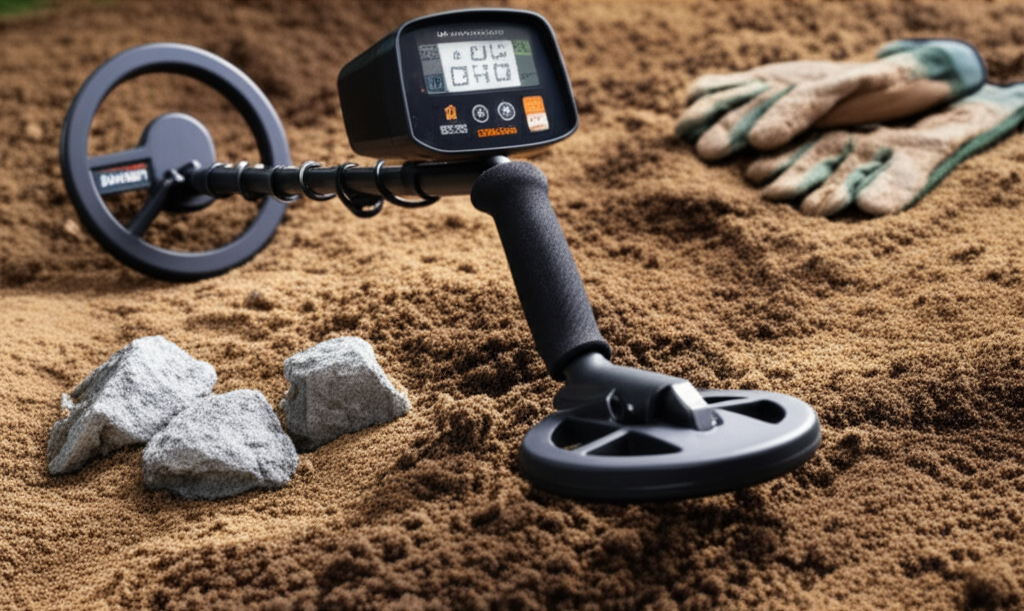
Yes, you absolutely can find lead with a metal detector! This guide breaks down how different detectors handle lead, what factors influence detection, and essential tips for success, turning a common frustration into a rewarding breakthrough for detectorists.
Have you ever dug up a promising target only to find it’s just a piece of scrap lead? It’s a common experience for many metal detectorists, especially when starting out. Lead, in various forms, can be frustratingly abundant and sometimes mimic the signals of more desirable finds. But understanding how your metal detector interacts with lead is key to improving your success rate. This article will guide you through the nuances of detecting lead, helping you distinguish it from other targets and ultimately, turn those lead signals into exciting discoveries. We’ll cover everything from signal characteristics to practical tips for success.
Contents
- 1 Understanding Lead’s Metallic Properties and Metal Detectors
- 2 How Metal Detectors “See” Lead
- 3 The Signal Characteristics of Lead Targets
- 4 Factors Influencing Lead Detection Success
- 5 Can You Discriminate Against Lead?
- 6 Different Detector Types and Their Lead Performance
- 7 Essential Tools for Finding Lead (and What’s Beyond It)
- 8 Practical Tips for Detecting Lead
- 9 Case Study: Distinguishing Lead from a Silver Dime
- 10 The Breakthrough: Turning Lead Signals into Opportunities
- 11 Frequently Asked Questions (FAQ)
- 12 Conclusion
- 13 Author
Understanding Lead’s Metallic Properties and Metal Detectors
Lead is a dense, soft metal with unique conductive properties that affect how it interacts with the electromagnetic field generated by a metal detector. Its high conductivity means it can generate a strong signal, but its low magnetic permeability can sometimes make it tricky to pinpoint, especially compared to iron. Different metal detectors, especially those with various operating frequencies and discrimination capabilities, will respond differently to lead targets.
Most modern metal detectors are capable of detecting lead, but the clarity and type of signal can vary significantly. Understanding these variations is the first step in learning to identify lead signals effectively. This knowledge empowers you to make better decisions in the field about whether to dig or not.
How Metal Detectors “See” Lead
Metal detectors work by transmitting an electromagnetic field into the ground. When this field encounters a metallic object, it induces eddy currents within that object. These eddy currents then generate their own magnetic field, which is detected by the metal detector’s receiver coil. Lead, being a conductor, readily induces these eddy currents, producing a signal.
The strength and nature of this signal depend on the size, depth, shape, and composition of the lead object, as well as the specific settings and technology of your metal detector. Higher frequency detectors often offer better sensitivity to smaller, conductive targets like thin lead pieces or jewelry.
The Signal Characteristics of Lead Targets
Lead typically produces a strong, clear, and often repeatable signal on most metal detectors. It usually falls within the range of non-ferrous metals, meaning it’s often grouped with targets like copper, silver, and brass. However, its exact numerical reading (often displayed as a Target ID number) can vary greatly.
On many detectors, lead might register in the mid-range, sometimes overlapping with signals from zinc or even some coins. This overlap is where the challenge lies, as a lead signal might sound very similar to a desirable coin. Learning your detector’s specific responses to known lead targets is crucial for improving identification.
Factors Influencing Lead Detection Success
Several factors influence your ability to detect lead with a metal detector. The size and shape of the lead object are paramount; larger, solid pieces will produce a stronger signal than small fragments or thin sheeting. Depth is another critical factor; the deeper the lead object, the weaker the signal will be, making it harder for your detector to pick up.
The type of soil and the presence of other metallic trash in the area also play a significant role. Mineralized soil can mask signals, while a high concentration of iron or other junk can create confusing overlapping signals. Your detector’s settings, such as sensitivity, discrimination, and ground balance, must be optimized for the specific conditions.
Can You Discriminate Against Lead?
Discrimination is a feature on metal detectors that allows you to filter out unwanted targets, typically iron and foil. While most detectors allow you to discriminate against iron, completely discriminating against lead is often not possible or advisable. This is because lead’s conductivity often places it in the same target range as valuable non-ferrous metals like coins.
Attempting to discriminate out lead might also cause you to miss other desirable targets that produce similar signals. It’s generally better to learn to identify lead by its signal characteristics and use pinpointing tools rather than relying solely on discrimination. This approach maximizes your chances of finding good targets while minimizing digging junk.
Different Detector Types and Their Lead Performance
The type of metal detector you use can significantly impact your success in finding lead and differentiating it from other targets.
VLF (Very Low Frequency) Detectors: These are the most common type of detectors for hobbyists. They offer good all-around performance and can certainly detect lead. Their ability to discriminate against iron is usually effective, but distinguishing lead from other non-ferrous targets often requires careful listening and pinpointing.
PI (Pulse Induction) Detectors: PI detectors are excellent for highly mineralized ground and saltwater beaches. They tend to give a strong, deep signal on all metals, including lead, and have very limited discrimination capabilities. This means you’ll likely dig more junk, but you might also find deeper targets.
Multi-Frequency Detectors: These advanced detectors transmit multiple frequencies simultaneously, allowing them to adapt to different ground conditions and target types. They often provide more detailed target information and can sometimes offer better separation between lead and other non-ferrous targets due to their sophisticated processing.
Choosing the right detector for your target hunting goals is essential. For general relic hunting or coin shooting where lead might be present, a good VLF detector with solid discrimination and audio options is often ideal.
Essential Tools for Finding Lead (and What’s Beyond It)
While your metal detector is the primary tool, other gear significantly enhances your ability to find and identify lead targets, and more importantly, to find what’s underneath or around them.
Pinpointer: This handheld device is invaluable for precisely locating targets in the plug of soil you’ve dug. It helps you quickly confirm if a target is lead and avoids unnecessary digging in the hole. A good pinpointer can save you a lot of time and effort.
Digging Tools: A sturdy shovel or trowel is essential for excavating targets. For relic hunting, a digging spade with a serrated edge can be useful for cutting through roots and compacted soil.
Sieve or Sifting Screen: For areas with a lot of small trash, a sieve can help you sift through the soil you’ve dug, allowing you to identify small targets like lead shot or fragments without having to pick through the dirt by hand.
Reference Materials: Understanding common lead items in your area (e.g., old roofing lead, fishing weights, musket balls) can help you anticipate signals.
These tools work in conjunction with your detector to improve your efficiency and success rate.
Practical Tips for Detecting Lead
Here are some field-tested tips to help you navigate lead targets and maximize your finds:
1. Learn Your Detector’s Audio: Spend time in your yard or a known trash area with pieces of lead and other targets. Listen carefully to how your detector signals for each. Pay attention to the tone, pitch, and stability of the signal.
2. Dig “Bad” Signals Strategically: Don’t automatically dismiss every mid-range target. Sometimes, a good coin or relic can be buried very close to or even under a piece of lead. If the signal is repeatable and sounds promising despite being in the lead range, consider digging it.
3. Use Your Pinpointer Diligently: Once you’ve dug your plug, use your pinpointer to scan the soil plug and the hole. This will tell you exactly where the target is and help you differentiate between multiple targets in one spot.
4. Consider Ground Conditions: In heavily mineralized soil, signals can be erratic. Ensure your detector is properly ground balanced, and consider using a lower frequency detector or a PI detector if VLF performance is poor.
5. Experiment with Settings: While you don’t want to over-discriminate lead, you can sometimes adjust notch filters or accept/reject settings to fine-tune your detector’s response. Be cautious, as this can also filter out good targets.
6. Identify Common Lead Items: Familiarize yourself with common lead items found in your hunting locations. This could include fishing weights, musket balls, roofing lead, lead shot, or even parts of old plumbing. Knowing what you’re likely to find can help you interpret signals.
7. Dig Deep Targets with Caution: Lead, being dense, can be found at depth. However, very deep targets will produce faint signals that can be easily masked. If you suspect a deep target that sounds like lead, ensure you are using the appropriate coil and settings for depth.
Mastering these techniques will refine your ability to make informed decisions in the field.
Case Study: Distinguishing Lead from a Silver Dime
Imagine you’re hunting in a park known for old coins and relics. Your detector gives a strong, repeatable mid-range signal. On many detectors, a silver dime and a piece of lead fishing weight might produce very similar target ID numbers. Here’s how you might differentiate:
Audio Nuance: Listen closely. A clean silver dime might have a slightly sharper, more distinct “ring” compared to the duller, more solid tone of a lead fishing weight. This takes practice and knowing your detector’s specific audio characteristics.
Pinpointing Consistency: Dig the target. Use your pinpointer. If the signal is consistently strong across a round, flat object, it might be a dime. If the signal is strong but seems to emanate from a more irregular shape or a specific point within the soil, it could be a lead weight.
Target ID Fluctuation: Sometimes, a coin might show a slight fluctuation in its target ID as you sweep the coil from different angles, whereas a solid piece of lead might be more consistent. This is a subtle indicator and not always reliable.
Context: If you’re in an area where fishing is common, lead weights are more likely. If the area is known for historical events, musket balls (lead) are a possibility.
Ultimately, the best approach is often to dig promising mid-range signals and confirm with a pinpointer.
The Breakthrough: Turning Lead Signals into Opportunities
The “essential breakthrough” in finding lead with a metal detector isn’t about avoiding it, but about understanding it. It’s about recognizing that a lead signal isn’t always a “dig no further” moment. Instead, it can be an opportunity to:
Practice Your Skills: Digging lead targets helps you refine your digging technique, pinpointing accuracy, and understanding of your detector’s audio cues.
Uncover Deeper Treasures: Sometimes, valuable items are buried beneath or alongside lead junk. By digging the lead, you gain access to these deeper targets.
Learn About the Site: The types of lead objects you find can tell you a lot about the history of the location you are detecting. Old roofing lead might indicate a historic building, while musket balls point to a battlefield.
By embracing the challenge of lead, you transform potential frustration into a learning experience that enhances your overall detecting prowess.
Frequently Asked Questions (FAQ)
Q1: Will my metal detector find old lead pipes?
A: Yes, old lead pipes are large and dense pieces of lead, which typically produce a very strong and clear signal on most metal detectors. Their size and conductivity make them easy targets.
Q2: Can I use a metal detector to find lead fishing weights?
A: Absolutely. Lead fishing weights are very common finds for detectorists, especially near lakes, rivers, and coastlines. They produce a strong, usually mid-range non-ferrous signal.
Q3: Is it possible to distinguish lead from gold with a metal detector?
A: While both are non-ferrous, gold is much more conductive and typically produces a higher target ID number than most lead items. However, very small gold nuggets can sometimes produce signals similar to small lead fragments, so careful analysis and pinpointing are key.
Q4: Why does my detector sometimes give a good signal for lead?
A: Lead is a highly conductive metal, meaning it generates a strong eddy current when hit by your detector’s electromagnetic field. This strong current creates a clear signal that can sometimes mimic the signals of other valuable non-ferrous metals like copper or silver.
Q5: Should I dig every lead signal I get?
A: It’s generally not advisable to dig every lead signal, especially if you’re in a heavily trashed area and your goal is coins or jewelry. However, if the signal is strong and repeatable, and you’re in a relic-rich area, it might be worth digging to see what else is in the vicinity or if it’s an interesting lead artifact itself.
Q6: How do I avoid digging so much lead?
A: Learn your detector’s specific target ID numbers for lead in your area. While complete discrimination is difficult, you can learn to recognize the typical range for lead and use that information, along with audio cues and pinpointing, to make more informed digging decisions. Practice is key to improving this skill.
Conclusion
So, can you find lead with a metal detector? The answer is a resounding yes, and it’s a common occurrence for detectorists of all levels. While lead can sometimes be a frustrating target due to its tendency to mimic other signals, understanding its properties and how your detector responds is the key to mastering it. By learning to interpret the audio cues, utilizing your pinpointer effectively, and strategically deciding which signals to investigate, you can turn those lead finds into valuable learning experiences and even uncover hidden treasures nearby. The journey of a detectorist is one of continuous learning, and understanding lead is an essential part of that process, paving the way for more successful hunts.

