


Published on: September 27, 2025 | Updated on: September 27, 2025
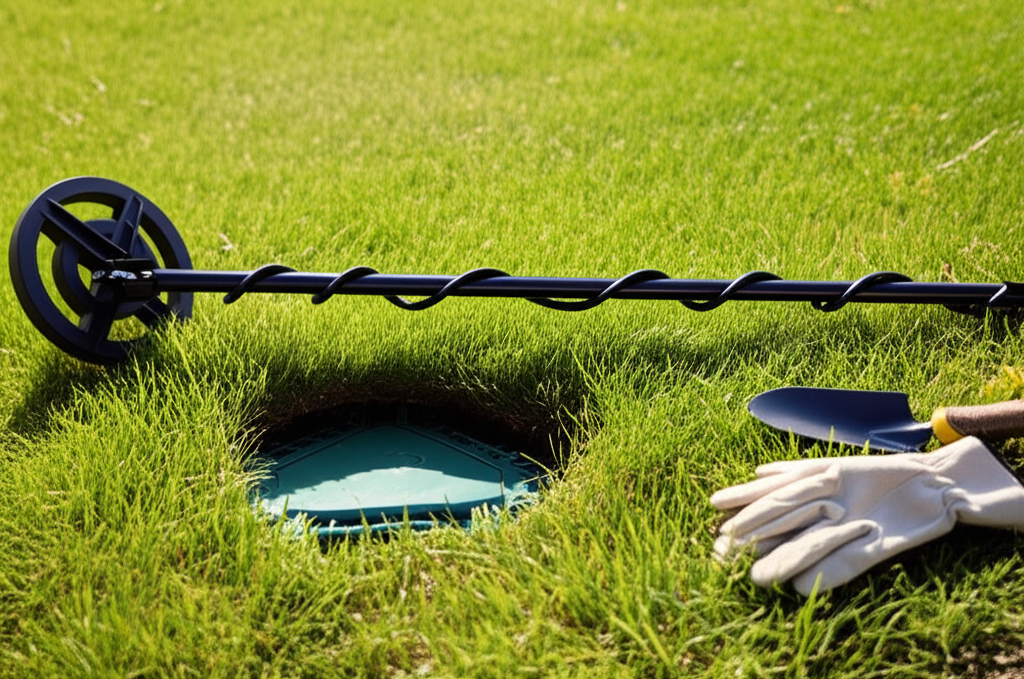
Yes, you absolutely can find sprinkler valves with a metal detector, and it’s often easier than you might think. This guide will show you exactly why and how, helping you locate those buried treasures without endless digging.
Have you ever been digging for coins or relics, only to hit something large and metallic that turns out to be a buried sprinkler valve? It’s a common frustration for many detectorists. These plastic-encased, yet metal-cored, components are often hidden just below the surface, sometimes right in prime hunting spots. But what if you could turn this annoyance into an advantage? This article will demystify the process of locating sprinkler valves with your metal detector, making them easier to find and avoid, or even to intentionally seek out for specific reasons.
Why Metal Detectors Can Locate Sprinkler Valves
Sprinkler valves, though often housed in plastic, contain essential metal components that make them detectable. The solenoid, the internal mechanism, and sometimes even the pipe fittings are all made of brass, steel, or other ferrous and non-ferrous metals. These metal parts create a distinct signal that most general-purpose metal detectors can pick up. The depth and size of the valve will influence the strength of the signal, but they are generally well within the detection range of most hobbyist machines.
Understanding Sprinkler Valve Construction and Metal Content
To effectively detect sprinkler valves, it helps to understand what’s inside them. A typical automatic sprinkler valve consists of a plastic or metal body, a diaphragm, and a solenoid. The solenoid is the key component for detection; it’s an electromagnetic coil made of copper wire wrapped around a metal core. This metal core, often steel or brass, is what your metal detector will be responding to. Even plastic-bodied valves will have these metal internals, making them targets for your detector.
Choosing the Right Metal Detector Settings
When you’re out hunting, different settings on your metal detector can help you distinguish between a valuable target and a sprinkler valve. While many detectors will signal on a valve, adjusting sensitivity and discrimination can refine your search. Lowering discrimination slightly can help you pick up on the valve’s signal, especially if it’s in a heavily mineralized area. Conversely, if you’re specifically trying to avoid them, understanding the typical target ID numbers for valves can be useful.
The Role of Different Metal Detector Coils
The type of coil you use can significantly impact your ability to locate buried objects like sprinkler valves. Smaller, high-frequency coils are excellent for pinpointing smaller targets and can sometimes differentiate between closely spaced objects. Larger coils, on the other hand, offer greater depth penetration, which is useful if the valve is buried deeper than usual. For general searching, a medium-sized, all-purpose coil (like an 8-11 inch elliptical or round coil) is often a good balance.
Interpreting Signals: What Does a Sprinkler Valve Sound Like?
Learning to identify the typical signals of a sprinkler valve is crucial. While they can vary, you’ll often hear a choppy, inconsistent, or a solid, mid-range tone. If you’re using a detector with a target ID display, sprinkler valves often fall into a predictable range, though this can depend heavily on the detector model and the specific valve. Experienced detectorists learn to recognize these patterns through practice.
Techniques for Pinpointing Sprinkler Valves
Once your detector signals a potential valve, pinpointing its exact location is the next step. This involves carefully sweeping your coil over the target area and listening for the loudest signal. Using a pinpointer once you’ve excavated a plug of soil is essential. A good pinpointer will quickly narrow down the precise location of the metal within the plug or the hole.
Digging Tools: Essential for Valve Recovery
If you’re intentionally looking for sprinkler valves, or need to carefully excavate around one, having the right digging tools is paramount. A sturdy shovel is good for initial digging, but a specialized digging tool, like a Lesche or Radius digger, is better for carefully slicing plugs of soil. This minimizes damage to the surrounding area and allows for easier re-turfing or soil replacement. A hand trowel and a brush are also useful for carefully brushing away dirt to reveal the valve.
Can You Find Sprinkler Valves With A Metal Detector: Practical Scenarios
There are several reasons why you might want to find sprinkler valves with a metal detector. Perhaps you’re a landscaper needing to locate existing valves before digging or installing new ones. Or maybe you’re a detectorist who keeps hitting them and wants to avoid them. Some detectorists even use them as practice targets to hone their skills. Regardless of your goal, knowing how to find them is a valuable skill.
Distinguishing Valves from Other Targets
The real art of metal detecting often lies in distinguishing between different types of targets. While a sprinkler valve is a common “trash” target for many, it’s still a metallic object. You’ll learn to associate certain audio tones and target ID numbers with specific items. For instance, a very high-pitched, sharp signal might indicate a small gold ring, while a duller, mid-range signal could be a pull-tab or, indeed, a sprinkler valve. Understanding this nuance comes with experience.
FAQ: Your Sprinkler Valve Detection Questions Answered
Can any metal detector find sprinkler valves?

Yes, most modern metal detectors, even entry-level models, are capable of detecting the metal components within sprinkler valves.
Are sprinkler valves deep underground?
Typically, sprinkler valves are buried between 6 to 18 inches below the surface, making them detectable by most standard metal detectors.
What kind of metal are sprinkler valves made of?
The internal components, particularly the solenoid, are usually made of brass or steel, both of which are easily detected by metal detectors.
How can I avoid hitting sprinkler valves when detecting?
Learning the typical audio tones and target IDs associated with valves on your specific detector, and practicing careful sweeping, can help you identify and avoid them.
Can I find old, corroded sprinkler valves?
Yes, even old and corroded valves contain enough metal to be detected. Corrosion can sometimes alter the signal slightly, but they remain detectable.
Are there specific metal detector settings for finding sprinkler valves?
While there aren’t specific “sprinkler valve settings,” adjusting discrimination to a lower level might increase your chances of detecting them, especially if you’re trying to locate them intentionally.
Conclusion: Mastering the Art of Valve Detection
So, can you find sprinkler valves with a metal detector? Absolutely. With a bit of knowledge about their construction and how your detector works, these common buried objects become surprisingly easy to locate. Whether you’re trying to avoid them to get to more valuable targets, or you need to find them for a specific purpose, understanding their metallic nature is key. By practicing with your detector, learning the signals, and using the right tools, you can confidently identify and manage sprinkler valves in your detecting adventures. Happy hunting!
