


Published on: September 27, 2025 | Updated on: October 21, 2026
Yes, you can fly with a metal detector, but it requires careful preparation. This guide covers airline policies, packing tips, and essential steps to ensure your detector arrives safely and legally for your treasure-hunting adventures abroad.
When the urge to hunt for buried treasure strikes, it often extends beyond our local stomping grounds. The dream of finding ancient coins on a foreign beach or relics from a historical battlefield can be incredibly alluring. But before you book that ticket, a crucial question arises: “Can you fly with a metal detector?” This is a common concern for many detectorists, and the good news is, generally, yes! However, navigating airline regulations and ensuring your sensitive equipment arrives safely requires a bit of know-how. I’ve personally faced this dilemma countless times, and I’m here to share the field-tested strategies that make flying with your metal detector a breeze.
Airlines generally permit metal detectors as checked or carry-on luggage, but specific rules vary. Understanding these policies upfront is key to a smooth travel experience. Many airlines consider them sporting goods or oversized items, so checking their baggage guidelines is your first step.
Checked Baggage vs. Carry-On: Which is Best?
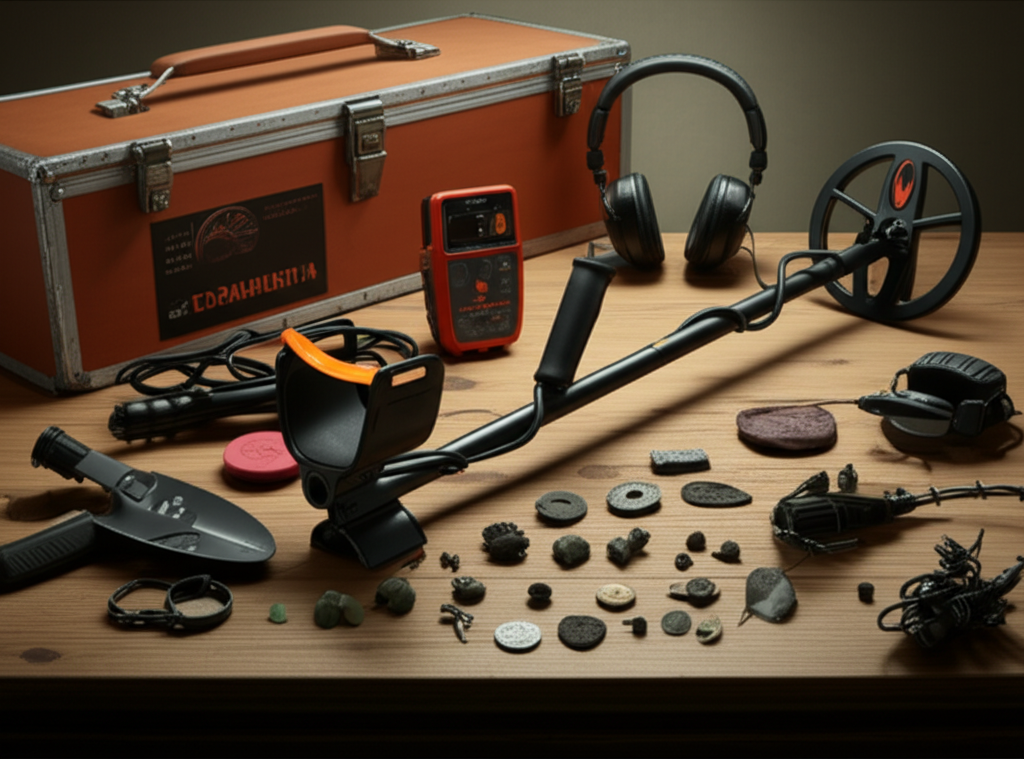
Your metal detector’s journey through the airport can take two paths: checked baggage or carry-on. While both are often permissible, each has its own set of advantages and disadvantages for your valuable equipment.
Checked Baggage Considerations
Packing your metal detector in checked luggage means it’s out of your hands for most of the journey. This can be convenient, but it also exposes your detector to the rough handling common in baggage systems. If you choose this route, robust protection is paramount.
Carry-On Luggage Benefits
Carrying your metal detector on board offers superior security and peace of mind. You can keep an eye on your gear, minimizing the risk of damage or loss. However, this option can be more challenging due to size and weight restrictions on many airlines.
Key Airline Regulations to Know
Before you pack, it’s essential to research the specific policies of the airline you’ll be flying with. Don’t assume all airlines have the same rules; a quick check can save you a lot of hassle at the airport.
Size and Weight Limits: Most airlines have strict limits for both checked and carry-on baggage. Oversized items may incur extra fees or be prohibited.
Prohibited Items: While metal detectors are generally allowed, always verify if there are any specific restrictions on electronic equipment or items deemed potentially dangerous.
Disassembly Requirements: Some airlines may require you to disassemble your metal detector for easier storage and handling. This is especially common for larger or more complex models.
Battery Policies: Lithium-ion batteries, often found in higher-end detectors, have specific regulations, especially when it comes to spare batteries. These usually need to be in your carry-on.
I always recommend printing out the relevant baggage policy from the airline’s website and carrying it with you. This can be a lifesaver if you encounter any confusion or resistance from airline staff.
Packing Your Metal Detector for Flight: A Step-by-Step Approach
Proper packing is non-negotiable when flying with a metal detector. It’s not just about fitting it in a case; it’s about safeguarding your investment and ensuring it arrives in working order. I’ve learned this the hard way, so you don’t have to.
Step 1: Disassemble with Care
If your metal detector can be disassembled, do so. This typically involves separating the coil from the shaft and detaching the control box. This makes it more compact and less prone to damage.
Coil: Carefully detach the search coil. Ensure any cables are gently disconnected.
Shaft: Loosen any clamps and separate the shaft sections.
Control Box: Remove the control box from the shaft.
Step 2: Protect Each Component
Each disassembled part needs individual protection. Use bubble wrap, foam padding, or even soft clothing to cushion them. Pay special attention to the coil, which is often the most vulnerable part.
Coil Protection: Wrap the coil in bubble wrap or place it in a padded bag. Avoid placing heavy items directly on it.
Control Box: The control box houses sensitive electronics. Ensure it’s well-padded and protected from impacts.
Shaft Sections: Bundle shaft sections together and wrap them to prevent scratching.
Step 3: Choose the Right Case
The type of case you use significantly impacts your detector’s safety. A dedicated metal detector case or a sturdy, padded equipment bag is ideal. Avoid flimsy luggage that offers little protection.
Hard-Shell Cases: The Ultimate Protection
For maximum security, especially for checked baggage, a hard-shell case is your best bet. These cases are designed to withstand significant impact and protect your equipment from crushing. Look for models with TSA-approved locks if you plan to check your detector.
Soft-Sided Padded Bags: A Lighter Option
If you opt for carry-on or have a particularly sturdy detector, a well-padded soft-sided bag can work. Ensure it has ample padding and reinforced handles. These are often lighter and easier to manage.
Step 4: Secure Everything Inside the Case
Once your components are packed, arrange them snugly within the case. Fill any empty spaces with packing material to prevent shifting during transit.
No Loose Parts: Ensure nothing can rattle around inside the case.
Cable Management: Secure any loose cables to prevent tangling or damage.
Accessories: Pack pinpointers, digging tools, and headphones separately, ensuring they are also well-protected.
Airport security can be a point of anxiety for many travelers, and flying with specialized equipment like a metal detector adds another layer. Knowing what to expect can help alleviate stress and ensure a smooth passage through security.
Metal Detectors in Carry-On Security
If you opt to carry your metal detector on board, it will likely need to go through the X-ray scanner. Due to its size and composition, it might be subject to additional screening. Be prepared for the possibility of it being hand-inspected by TSA agents.
Metal Detectors in Checked Baggage Security
When your detector is checked, it goes through a different screening process. While you won’t be present, the case itself will be scanned. If anything appears unusual, the case may be opened for inspection. This is where TSA-approved locks become beneficial, as they can often be opened and re-locked by security personnel without damaging the case.
Informing Security Personnel
It’s always a good practice to politely inform the security personnel that you have a metal detector. This transparency can prevent misunderstandings. You can simply say, “I have a metal detector in my bag, and I’m happy to have it screened separately if needed.”
I’ve found that a calm and cooperative approach with security staff goes a long way. They are there to ensure safety, and a little communication makes their job easier and yours smoother.
Battery Regulations: A Crucial Consideration
The batteries powering your metal detector, especially rechargeable lithium-ion ones, are subject to strict regulations by aviation authorities worldwide. These rules are in place to prevent potential fire hazards.
Lithium-Ion Battery Rules
Most airlines require lithium-ion batteries to be carried on board, not checked in with your luggage. This applies to both spare batteries and batteries installed in devices if they can be easily removed.
Capacity Limits: There are often limits on the Watt-hour (Wh) rating for lithium-ion batteries allowed in carry-on baggage. Most detector batteries fall within these limits, but it’s wise to check your specific battery’s Wh rating.
Protection: Spare batteries must be individually protected against short circuits, for example, by being placed in their original retail packaging, a separate battery pouch, or by taping over exposed terminals.
Other Battery Types
If your detector uses alkaline batteries, they are generally less restricted and can often be packed in either checked or carry-on luggage. However, it’s still best practice to ensure they are protected against accidental discharge.
International Travel: Local Laws and Regulations
When you’re flying with your metal detector to a foreign land, you’re not just dealing with airline rules; you also need to consider the laws of your destination country. What’s legal and acceptable in one country might be prohibited in another.
Researching Destination Country Laws
Before you travel, thoroughly research the regulations regarding metal detectors in your destination country. Some countries have outright bans, while others require permits or licenses for their use. Ignorance of the law is not a valid defense.
Permits and Licenses: In some countries, you may need to apply for a permit or license to own or operate a metal detector. This process can take time, so start early.
Restricted Areas: Even if metal detecting is legal, there might be specific areas, such as historical sites, archaeological zones, or private property, where it is strictly forbidden.
Importing Your Detector
You should also consider the import regulations for your metal detector. While most personal equipment is allowed, it’s wise to check if there are any duties or specific declaration requirements for electronic devices.
I found a fantastic resource in the U.S. Department of State’s country-specific information pages, which often detail local laws and customs. Many other countries have similar government travel advisory sites.
Traveling with Metal Detector Accessories
Your metal detector is just one part of your treasure-hunting kit. You’ll likely want to bring other essential accessories, and these also require careful packing and consideration.
Pinpointers and Smaller Devices
Pinpointers are invaluable for locating targets quickly. They are usually small enough to fit in your carry-on bag, often in a small pouch. Like the main detector, check specific airline policies if you have any doubts.
Digging Tools: A Common Hurdle
This is where things can get tricky. Most digging tools—shovels, trowels, and even some robust digging sticks—are considered potential weapons and are prohibited in carry-on baggage.
Checked Baggage: Your digging tools will almost certainly need to be packed in your checked luggage. Ensure they are clean and well-protected to avoid damaging other items.
Alternative Tools: Consider purchasing local digging tools upon arrival if you prefer not to check them or if your destination has strict regulations on sharp objects.
Headphones and Chargers
Headphones and chargers are generally fine for both carry-on and checked baggage. However, remember the battery rules mentioned earlier if your headphones have integrated rechargeable batteries.
Preparing for Your Treasure Hunt Abroad: A Checklist
To ensure a smooth journey, having a checklist is invaluable. It helps you stay organized and prevents last-minute panic.
Pre-Flight Checklist:
Airline Policy: Verified and printed airline baggage rules.
Destination Laws: Researched and understood local metal detecting laws and permit requirements.
Disassembly: Metal detector disassembled for optimal packing.
Protection: All components (coil, shaft, control box) well-padded.
Case: Appropriate hard-shell or padded bag selected.
Batteries: Lithium-ion batteries secured and ready for carry-on.
Digging Tools: Packed securely in checked baggage.
Identification: Luggage tagged with your contact information.
TSA Locks: If using checked luggage, ensure locks are TSA-approved if applicable.
At the Airport:
Inform Staff: Politely inform security personnel about your metal detector.
Cooperate: Be cooperative with any additional screening requests.
Carry-On Batteries: Keep spare lithium-ion batteries in your carry-on.
By following this checklist, you significantly reduce the chances of encountering unexpected problems. This preparation allows you to focus on the exciting prospect of your upcoming hunt.
Common Pitfalls to Avoid
Even with the best intentions, detectorists can fall into common traps when flying with their equipment. Being aware of these can save you time, money, and frustration.
Pitfall 1: Assuming All Airlines are the Same
As I’ve stressed, airline policies differ. Don’t assume what worked for your last flight will apply to your current one. Always check current regulations for the specific airline and flight route.
Pitfall 2: Insufficient Packing Protection
A flimsy bag or inadequate padding is an invitation for disaster. Your metal detector is a precision instrument; treat it as such during transit. Damage to the coil or electronics can be costly to repair.
Pitfall 3: Ignoring Battery Regulations
This is a critical safety issue and a common reason for items being confiscated or flights delayed. Always adhere strictly to lithium-ion battery rules for carry-on baggage.
Pitfall 4: Not Researching Local Laws
This is perhaps the most significant pitfall. You could face fines, confiscation of your equipment, or even legal trouble if you detect in a prohibited area or without the required permits.
Pitfall 5: Packing Prohibited Items in Carry-On
Remember that digging tools and other sharp objects are typically not allowed in carry-on bags. Double-check the TSA (or equivalent) list of prohibited items for carry-on luggage.
The Best Metal Detectors for Travel
While most detectors can be flown with, some are inherently more travel-friendly due to their design and portability. If you’re in the market for a new detector or looking to upgrade for travel, consider these features:
Lightweight: A lighter detector is easier to carry and manage as hand luggage.
Collapsible: Detectors that fold down compactly are ideal for fitting into smaller cases or overhead compartments.
Wireless Headphones: Eliminates tangled wires and offers more freedom of movement.
Durable Construction: A robust build ensures it can withstand the rigors of travel.
Rechargeable Battery: Convenient for frequent use, but remember the battery transport rules.
Brands like Minelab, Garrett, Nokta Makro, and Fisher all offer models that are excellent for travel. For instance, the Garrett AT Pro is a popular choice known for its durability and performance, and it disassembles easily. Similarly, Nokta Makro’s Simplex+ series is praised for its affordability and robust, waterproof design, making it a great travel companion.
Frequently Asked Questions (FAQ)
Q1: Can I take my metal detector apart to fit it in my luggage?
Yes, most metal detectors are designed to be disassembled into several parts (coil, shaft, control box) for easier transport. This is often recommended by airlines and is crucial for protecting your equipment.
Q2: What if my metal detector is too big for carry-on?
If your detector exceeds the airline’s size and weight limits for carry-on baggage, you will need to check it. In this case, investing in a high-quality, hard-shell protective case is essential to prevent damage.
Q3: Do I need to declare my metal detector at the airport?
While you don’t typically need to declare it in the same way as customs goods, it’s good practice to inform security personnel about your metal detector, especially if it’s large or unusual. This transparency can prevent misunderstandings.
Q4: Are spare batteries for my metal detector allowed in checked luggage?
No, spare lithium-ion batteries are almost universally prohibited in checked baggage. They must be carried on board, properly protected against short circuits, and comply with airline capacity limits.
Q5: Can I bring my digging tools in my carry-on bag?
Generally, no. Digging tools like shovels, trowels, and spades are often classified as prohibited items in carry-on baggage due to their potential to be used as weapons. They must be packed in checked luggage.
Q6: What if my metal detector gets damaged during the flight?
If your detector was checked and arrived damaged, contact the airline immediately to file a claim. Keep your baggage tags and any receipts for the detector. If it was in a protective case, this can significantly strengthen your claim.
Conclusion: Fly Confidently, Hunt Freely
So, can you fly with a metal detector? Absolutely! With the right preparation, knowledge, and careful packing, your metal detector can be a faithful travel companion on your treasure-hunting adventures. By understanding airline policies, respecting battery regulations, and researching your destination’s laws, you can ensure your journey is as smooth as the finds you hope to unearth. Remember, a little foresight goes a long way in protecting your gear and avoiding unnecessary airport hassles. Pack smart, fly safe, and happy hunting!
