


Published on: September 28, 2025 | Updated on: September 28, 2025
Yes, you can metal detect in Scotland, but understanding the laws, permissions, and ethical practices is crucial for finding hidden treasures legally and responsibly. This guide will equip you with the essential knowledge for your Scottish detecting adventures.
Scotland, with its rich history spanning millennia, is a treasure trove waiting to be explored by metal detectorists. The allure of unearthing Roman artifacts, Viking relics, or even lost Jacobite treasures is powerful. However, the question that often arises for enthusiasts is: “Can you metal detect in Scotland?” The answer is a resounding yes, but with important caveats. Navigating the legal landscape and understanding the best practices are paramount to a successful and ethical detecting experience. This article will guide you through everything you need to know to start your treasure-hunting journey in this historic land.
Understanding Scotland’s Metal Detecting Laws
The legality of metal detecting in Scotland is primarily governed by the Treasure Trove system and land ownership rights. It’s essential to know that not all land is open for detecting, and certain finds have specific reporting requirements. Understanding these regulations ensures you stay on the right side of the law and contribute positively to the archaeological record.
The Treasure Trove System

Scotland’s Treasure Trove system is a vital framework for reporting and managing significant archaeological finds. Any item considered potentially treasure, such as gold or silver objects, coins dating before a certain period, or prehistoric artifacts, must be reported to the National Museum of Scotland. This system ensures that valuable historical items are preserved and made accessible for public study and enjoyment. Ignoring this process can lead to legal repercussions.
Land Ownership and Permissions
When metal detecting in Scotland, always seek explicit permission from the landowner before setting foot on their property. Unauthorised detecting is considered trespassing and can lead to legal trouble. Many farmers, estate owners, and private property holders are open to detectorists, especially if you demonstrate respect for their land and a commitment to responsible detecting practices.
What Constitutes “Treasure”?
In Scotland, the definition of “treasure” for reporting purposes is broad and includes items of potential archaeological or historical significance. This goes beyond just gold and silver; it can encompass items of historical interest, even if not made of precious metals, that are over 50 years old. Understanding this distinction is key to fulfilling your legal obligations.
Essential Gear for Detecting in Scotland
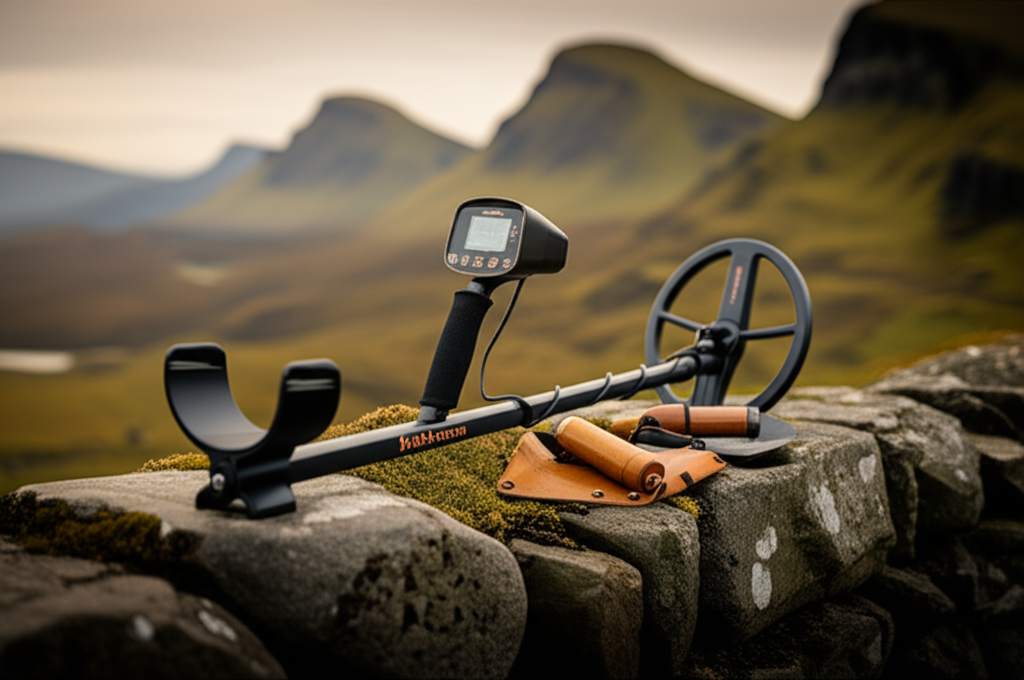
Choosing the right metal detector and accessories can significantly enhance your success and enjoyment when searching for hidden treasures in Scotland. The diverse terrain and historical depth of Scotland demand reliable and versatile equipment. Investing in quality gear ensures you can handle various conditions and pinpoint those elusive finds.
Choosing Your Metal Detector
The best metal detector for Scotland depends on your budget and target types. For general detecting, a multi-frequency detector can offer versatility across different ground conditions and target metals. If you’re specifically after coins and relics, a detector with good discrimination capabilities is essential. For those dreaming of gold, a dedicated gold prospecting detector might be necessary, though gold finds are rarer in Scotland compared to other regions.
Essential Accessories
Beyond the detector itself, several accessories are indispensable for a productive detecting trip in Scotland. A good quality pinpointer is crucial for accurately locating targets in the plug of soil you’ve dug. A robust digging tool, such as a trowel or spade designed for metal detecting, will help you recover finds efficiently and with minimal ground disturbance. Waterproof headphones are also highly recommended for noisy environments and to hear faint signals.
Coil Selection
The coil is often called the “eyes” of your metal detector. For Scotland’s varied landscapes, from open fields to potentially rocky or marshy areas, having a selection of coils can be beneficial. A larger coil offers greater depth and coverage, ideal for open spaces, while a smaller coil provides better maneuverability in cluttered areas and can detect smaller targets.
Where to Detect in Scotland: Prime Locations and Considerations
Scotland’s landscape is dotted with historical sites, ancient settlements, and areas where history has unfolded over centuries. Identifying potential detecting spots requires research and a keen understanding of local history. Always remember that access and permissions are paramount, regardless of how promising a location might seem.
Historical Sites and Ancient Landscapes
Areas with a rich historical past, such as old farmsteads, former village sites, battlegrounds, and ancient routes, are prime candidates for finding historical artifacts. Roman camps, Viking settlements, and medieval ruins offer incredible potential for uncovering significant relics. However, many of these sites are protected, and detecting on or near them may be illegal or require special permits.
Beaches and Coastal Areas
Scotland’s extensive coastline offers exciting detecting opportunities. Beaches can yield lost jewellery, coins, and other items dropped by beachgoers. Tidal zones are particularly interesting, as the movement of sand can reveal items that have been buried for years. Always check local regulations for beach detecting, as some may have restrictions.
Farmland and Open Fields
Vast expanses of farmland, particularly those with a long history of cultivation, can be exceptionally rewarding. Ploughing can bring buried items to the surface over time. Obtaining permission from the farmer is absolutely essential, and demonstrating that you will leave the land in good condition is key to building a positive relationship.
Securing permission to detect on private land is not just a courtesy; it’s a legal requirement and a cornerstone of ethical detecting. Building trust with landowners is crucial for long-term access and for the hobby’s reputation. Approaching landowners with respect and a clear plan will significantly increase your chances of getting a ‘yes’.
How to Approach Landowners
When seeking permission, be polite, professional, and prepared. Introduce yourself, explain your hobby, and clearly state where you wish to detect. Offer to show them your equipment and explain your methods, emphasizing your commitment to responsible detecting and leaving no trace. Offering a share of any non-archaeological finds or a small finder’s fee can sometimes be appreciated, but always gauge the situation.
Understanding Different Land Types
Access rules can vary depending on the land type. National Parks, Forestry Commission land, and sites managed by Historic Environment Scotland have specific regulations. It’s crucial to research the managing body for any area you plan to detect on, as permission might be granted by the landowner but still prohibited by the governing authority.
The Importance of a Detecting Club
Joining a local metal detecting club can be incredibly beneficial. Clubs often have established relationships with landowners and can provide guidance on permissions and local laws. They also offer a community of experienced detectorists who can share knowledge and tips specific to detecting in Scotland.
Ethical Detecting Practices: Leaving No Trace
Responsible metal detecting is about more than just finding treasure; it’s about preserving the landscape and respecting the historical context of your finds. Adhering to ethical practices ensures the hobby remains sustainable and doesn’t negatively impact the environment or the archaeological record.
Proper Digging Techniques
The golden rule of ethical detecting is to fill your plugs neatly and completely. Always dig a neat, three-sided plug and carefully place the soil to one side. Recover your target, then replace the plug, ensuring the grass or turf is seated correctly. Avoid excessive digging or creating large holes.
Identifying and Reporting Finds
As mentioned, all finds of potential archaeological significance must be reported under the Treasure Trove system. Even if you’re unsure, it’s better to err on the side of caution and report it. Documenting your finds with photographs and location details can also be invaluable for historical research.
Respecting the Environment
Never leave any litter behind, including discarded foil or food wrappers. Be mindful of livestock and wildlife, and avoid disturbing nesting birds or sensitive habitats. The goal is to leave the land exactly as you found it, or even better.
Common Finds and Hidden Treasures in Scotland
Scotland’s history is incredibly rich, offering a diverse range of potential finds for the diligent detectorist. From ancient coins to personal items lost through the ages, the possibilities are vast. Understanding what you might find can fuel your enthusiasm and guide your search efforts.
Coins Through the Ages
Scotland has a long history of coinage, from early hammered coins to more modern currency. You might unearth silver pennies, copper groats, or even rare gold coins from different historical periods. Identifying these coins can provide valuable insights into the economic and political history of the region.
Relics of Daily Life
Beyond coins, everyday objects offer a tangible connection to the past. Personal items like buttons, buckles, brooches, and tools can be found, each telling a story of the people who once lived and worked the land. These relics often provide a more intimate glimpse into historical life than more significant monetary finds.
Military Memorabilia
Given Scotland’s historical involvement in various conflicts, military relics are also a possibility. You might find musket balls, sword fragments, uniform buttons, or even parts of weaponry. These finds are often poignant reminders of past battles and the lives of soldiers.
Tools for the Job: Digging and Recovery
Having the right digging tools is as important as having a good metal detector. Efficient and careful excavation is key to recovering your targets without damaging them or the surrounding environment. Investing in quality digging tools will make your detecting experience smoother and more successful.
Essential Digging Tools
A sturdy metal detecting trowel or spade is a must. Look for one with a sharp, serrated edge that can cut through turf and roots easily. A robust digging stick can also be useful for probing and testing the soil before you dig.
The Indispensable Pinpointer
A handheld pinpointer is non-negotiable for any serious detectorist. Once you’ve dug your plug, the pinpointer helps you zero in on the exact location of the target within the excavated soil or the hole, saving you time and reducing the risk of damaging the find.
Sieving and Sorting
For very small targets or in areas with a lot of iron trash, a small sieve can be incredibly useful for sorting through the soil. This helps you find tiny coins or fragments that might otherwise be missed or accidentally discarded.
Researching Potential Detecting Spots
Effective research is the bedrock of successful metal detecting. Knowing where to look, and understanding the historical context of a location, dramatically increases your chances of making a significant find. This proactive approach saves you time and ensures you are detecting in areas with genuine potential.
Using Historical Maps and Records
Old maps, historical surveys, and local archives can reveal the locations of former settlements, roads, and significant historical events. These resources are invaluable for identifying areas that might have yielded artifacts over centuries.
Online Resources and Databases
Numerous online platforms offer historical information, from old parish records to archaeological surveys. Websites dedicated to local history or heritage can provide clues about areas that have been inhabited or used over long periods.
Local Knowledge and Community
Talking to local historians, long-time residents, or fellow detectorists can provide insights that are not readily available through written records. Local knowledge often points to areas with a forgotten history or specific stories of lost items.
Frequently Asked Questions About Metal Detecting in Scotland
Here are answers to some common questions beginners have about metal detecting in Scotland.
Can I metal detect on public land in Scotland?
Generally, detecting on most public land requires permission from the relevant authority managing that land. For example, detecting on common land or in certain parks might require specific permits. It’s always best to check with the local council or the managing body.
Do I need a license to metal detect in Scotland?
There isn’t a universal license required for hobbyist metal detecting on private land where you have landowner permission. However, if you intend to detect on land managed by Historic Environment Scotland or in areas of archaeological significance, special permits or licenses may be necessary, and detecting might be prohibited altogether.
What should I do if I find something historically significant?
If you find an item that might be considered treasure under the Treasure Trove system (gold/silver objects, coins pre-1700, or prehistoric items), you are legally obligated to report it to the National Museum of Scotland. They will assess the find and determine its significance.
Is it illegal to detect near ancient monuments?
Yes, it is generally illegal to detect on or near scheduled ancient monuments or other protected archaeological sites without express permission from Historic Environment Scotland. These sites are legally protected to preserve their integrity.
Can I keep everything I find metal detecting in Scotland?
You can generally keep finds that are not deemed treasure under the Treasure Trove system, provided you have landowner permission and are not violating any specific site regulations. However, items of archaeological significance must be reported.
Conclusion: Your Scottish Treasure Hunting Adventure Awaits
Metal detecting in Scotland is a rewarding hobby that offers a unique connection to the country’s immense history. By understanding and adhering to the laws, obtaining necessary permissions, and practicing ethical detecting, you can embark on a fulfilling journey to uncover Scotland’s hidden treasures responsibly. Remember that preparation, research, and respect for the land and its history are your most valuable tools. So, gear up, get your permissions, and start exploring the rich tapestry of history that Scotland holds beneath its soil.
