


Published on: September 28, 2025 | Updated on: October 21, 2026
Yes, you can often metal detect in state parks, but regulations vary significantly by state and park. Understanding these rules is crucial to avoid fines and enjoy uncovering hidden treasures responsibly. This guide will help you navigate the nuances and maximize your success.
Metal detecting in state parks is a question that sparks curiosity among many treasure hunters. It’s a natural thought – these vast, often historic areas are prime locations for forgotten coins, lost jewelry, and intriguing relics. However, the rules can be confusing, leading to frustration and missed opportunities. I’ve spent years combing through different terrains and dealing with park regulations myself, and I’m here to share what I’ve learned. We’ll break down exactly what you need to know to metal detect in state parks legally and successfully, ensuring you find those hidden treasures without a hitch.
The most critical aspect of metal detecting in state parks revolves around understanding and adhering to specific regulations. These rules are not universal; they differ dramatically from state to state and even from park to park within a single state. Ignoring them can lead to fines, confiscation of equipment, and a ban from park grounds. My approach has always been to research thoroughly before I even pack my detector.
The General Rule: It Depends on the State
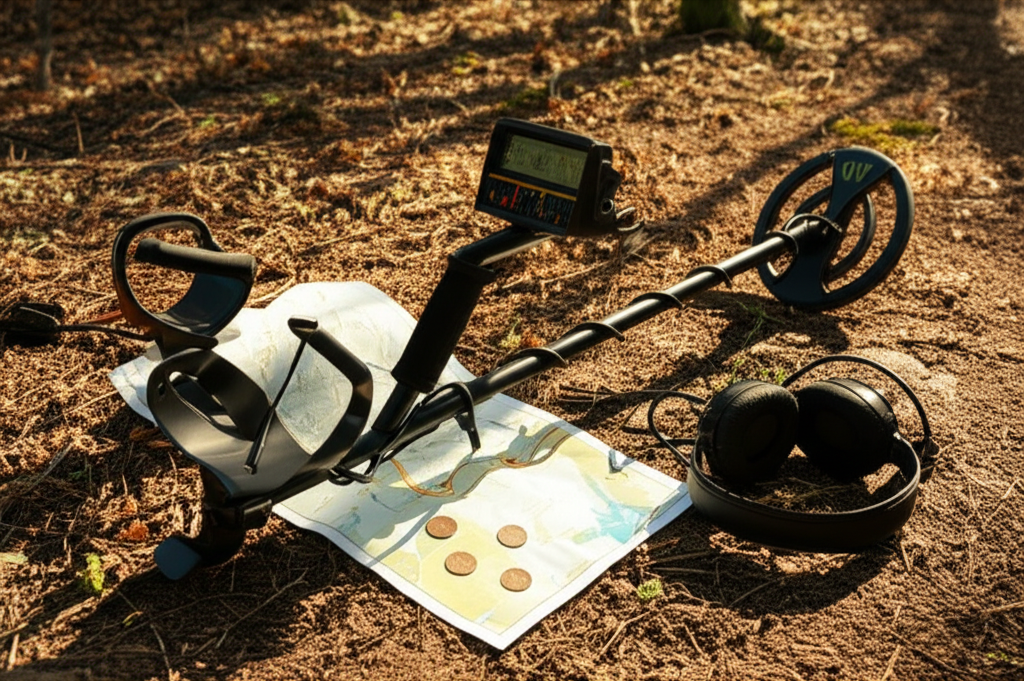
In many states, metal detecting is prohibited in state parks to preserve historical sites and natural landscapes. However, some states allow it under specific conditions, often excluding historical or archaeological zones. Always verify with the specific state’s park authority.
Federal vs. State Lands: A Crucial Distinction
It’s important to differentiate between federal and state lands. While federal lands like National Parks generally have strict prohibitions against metal detecting, state park rules are set by individual state agencies. This distinction is key to understanding where you can and cannot swing your coil.
Where to Find Official Information
The best place to find the official rules is the website of the state’s Department of Natural Resources or State Parks. Look for sections on permitted activities, rules, and regulations. If you can’t find the information online, a phone call to the park office or the state parks department is your next best step.
Understanding Different Types of State Park Areas
Not all areas within a state park are treated the same when it comes to metal detecting. Understanding these distinctions will help you focus your efforts and respect the park’s preservation goals. I’ve learned that concentrating on modern recreational areas is often the most fruitful and least problematic approach.
Modern Recreational Areas: Often Permitted
Many state parks allow metal detecting in areas designated for modern recreation, such as picnic grounds, beaches, and campgrounds. These are typically areas where historical artifacts are less likely to be found, and the focus is on lost personal items. These spots can yield modern coins, jewelry, and other interesting finds.
Historical and Archaeological Sites: Usually Prohibited
Areas with known historical significance, archaeological sites, or battlefields are almost always off-limits for metal detecting. These locations are protected to preserve their integrity, and disturbing them can lead to severe penalties. It’s vital to respect these boundaries.
Natural Resource Areas and Trails: Varies Widely
Rules for natural resource areas and hiking trails can vary. Some parks may allow detecting along established trails, while others may prohibit it to protect the natural environment. Always check the specific park’s policy before venturing into these zones.
Essential Metal Detecting Gear for State Parks
When you can metal detect in state parks, having the right gear makes all the difference. My go-to setup focuses on versatility, portability, and effectiveness across different ground conditions. Investing in quality equipment ensures you’re prepared for whatever you might find.
Choosing the Right Metal Detector
For general state park detecting, especially in areas with modern recreational use, a versatile, multi-purpose detector is ideal. Look for models that can discriminate well between iron and desirable targets, and that offer good depth. Brands like Garrett, Minelab, and Nokta Makro offer excellent options for hobbyists.
Essential Accessories: Pinpointer, Digging Tools, and More
A good pinpointer is non-negotiable; it drastically speeds up recovery and minimizes disturbance. For digging, a sturdy trowel or a specialized digging tool is necessary. Always carry a finds pouch and headphones to enhance your experience and protect your privacy.
Coil Selection for Different Terrains
The coil size and type can impact your success. Smaller coils are great for trashy areas or navigating tight spaces, while larger coils offer greater depth and coverage on open ground. Consider a waterproof coil if you plan on detecting near water bodies.
Legal and Ethical Considerations: Beyond the Rules
Metal detecting is not just about following rules; it’s also about being a responsible steward of the land. My reputation as a detectorist has always been built on respecting the environment and the park’s purpose. This ethical approach ensures that metal detecting remains a welcome activity.
The Principle of “Leave No Trace”
This is paramount. Always fill your holes completely, taking care to replace the sod neatly. Minimize your impact on the environment. A well-made plug is the mark of a professional detectorist.
Respecting Park Visitors and Rules
Be mindful of other park visitors. Avoid detecting in crowded areas where you might disturb others. Always follow posted signs and any instructions from park staff.
Understanding “Lost and Found” vs. “Treasure Hunting”
In many permitted areas, the focus is on finding items lost by modern park-goers. Historical artifacts or items of significant archaeological value should generally be reported to park authorities, not kept. Your state’s laws will dictate what constitutes a reportable find.
Finding the Best Spots in State Parks
Identifying promising locations within state parks requires a blend of research and observation. I often look for areas that have seen consistent human activity over the years. Thinking like a park visitor from the past can unlock many possibilities.
Old Picnic Areas and Campgrounds
These are often goldmines for lost coins and jewelry. Look for older, less-maintained areas that might have been popular decades ago. The ground here has likely been turned over many times by nature, but also by careless feet.
Beaches and Shorelines
Sandy beaches are fantastic for metal detecting, especially after storms or high tides. People often lose items while swimming or relaxing. Waterproof detectors and coils are a huge advantage here.
Around Old Park Structures or Facilities
Look for areas near former park buildings, old concession stands, or forgotten picnic shelters. These spots were hubs of activity and are prone to dropped items. Always check park maps for historical context.
State-Specific Regulations: A Deeper Dive
Since regulations vary so much, it’s worth reiterating the importance of state-specific research. I’ve seen detectorists get into trouble simply because they assumed the rules were the same as in a neighboring state. Don’t make that mistake.
Example: California State Parks
California generally prohibits metal detecting in most state parks, with exceptions for certain beaches managed by the Department of Parks and Recreation, where a permit might be required. Always check the specific beach or park rules.
Example: Texas State Parks
Texas Parks and Wildlife Department regulations typically prohibit metal detecting in state parks to protect cultural resources. However, specific exceptions can sometimes be made, usually requiring permits and strict adherence to guidelines. It’s best to assume it’s prohibited unless explicitly stated otherwise.
Example: Florida State Parks
Florida state parks generally prohibit metal detecting. The focus is on preserving the natural and cultural resources. Exceptions are rare and usually involve specific research permits or designated areas.
The Role of Permits and Licenses
In states or parks where metal detecting is permitted, a permit or license might be required. These documents often outline specific rules, areas where you can detect, and what you can keep. Obtaining the correct permit is as important as having the right detector.
When Are Permits Necessary?
Permits are typically required for any metal detecting activity in state parks where it is allowed. This ensures that the parks department has a record of who is detecting and where, and that you’ve acknowledged and agreed to the terms and conditions.
How to Obtain a Permit
Permits are usually obtained directly from the state park authority or the Department of Natural Resources. The application process can involve filling out forms, sometimes paying a small fee, and agreeing to abide by all regulations.
Understanding Permit Restrictions
Permits often come with specific restrictions. These can include limitations on the types of areas you can detect (e.g., no digging in historical zones), what you can remove from the park, and requirements for reporting significant finds. Always read the permit carefully.
What to Do If You Find Something Significant
Discovering a historically significant item can be exciting, but it also comes with responsibilities. My rule of thumb is: when in doubt, report it. Preserving history is more important than personal gain.
Reporting Potential Artifacts
If you find an item that you suspect is of historical or archaeological importance (e.g., old pottery shards, projectile points, old tools, human remains), do not remove it from its context if possible. Document its location and report it to the park rangers or relevant historical society immediately.
Understanding Laws on Found Property
Laws regarding found property vary. In most public lands, especially those with historical significance, items found are considered property of the state or federal government. Keeping such items can be considered theft or illegal excavation.
The Value of Collaboration with Park Authorities
Working with park authorities can be a rewarding experience. By reporting finds and following their guidelines, you contribute to the understanding and preservation of the park’s heritage. This builds goodwill and can even lead to opportunities for future detecting.
Troubleshooting Common Metal Detecting Challenges in Parks
Even when permitted, state parks can present unique challenges. Dealing with trash, navigating varied terrains, and managing battery life are all part of the game. I’ve learned to anticipate these issues and come prepared.
Dealing with Trash and False Signals
Parks, especially popular ones, can be littered with modern trash. A good detector with excellent discrimination and a careful approach to target identification are key. Learning to interpret signals is a skill that comes with practice.
Navigating Different Terrains
From sandy beaches to wooded trails, state parks offer diverse environments. Adjusting your detector settings, using different coils, and employing appropriate digging tools for each terrain are crucial for success and ease of use.
Maximizing Battery Life
Longer detecting sessions mean more chances for finds. Always carry spare batteries or a portable charger. Some detectors have rechargeable batteries that can be topped up with a power bank.
Frequently Asked Questions About Metal Detecting in State Parks
Q1: Can I metal detect in any state park?
No, you cannot metal detect in every state park. Regulations vary by state and even by individual park. Many prohibit it entirely, while others allow it in specific areas with certain conditions or permits.
Q2: What is the most common rule about metal detecting in state parks?
The most common rule is that metal detecting is prohibited in state parks, especially in areas of historical or archaeological significance, to protect cultural resources.
Q3: Where can I usually find information about state park metal detecting rules?
You can find this information on the official website of the state’s Department of Natural Resources or State Parks. You can also call the specific park office for details.
Q4: Do I need a permit to metal detect in a state park?
If metal detecting is allowed in a particular state park, you will often need a permit. These permits outline specific rules, allowed areas, and reporting requirements.
Q5: What should I do if I find something that looks like an artifact?
If you find something that appears to be an artifact or of historical value, it’s best not to remove it. Document its location and report it to park authorities or a local historical society immediately.
Q6: Are beaches in state parks always okay for metal detecting?
Not necessarily. While some park beaches may permit metal detecting, others may have restrictions. Always check the specific rules for that beach or park.
Conclusion: Treasure Awaits When You Detect Responsibly
So, can you metal detect in state parks? The answer is a qualified yes, but it hinges entirely on diligent research and strict adherence to local regulations. My experience has shown that by understanding which parks permit detecting, familiarizing yourself with the specific rules, obtaining any necessary permits, and always practicing ethical detecting, you can unlock a world of hidden treasures. State parks, when accessible, offer unique opportunities for finding lost coins, jewelry, and even historical fragments, provided you tread lightly and respectfully. Always prioritize preservation and legality; the thrill of the find is amplified when you know you’ve done it right. Happy hunting!
