


Published on: September 29, 2025 | Updated on: September 29, 2025
Yes, you can take a metal detector to Mexico, but there are specific regulations and considerations you must follow to avoid issues at customs and during your detecting adventures. This guide breaks down everything you need to know.
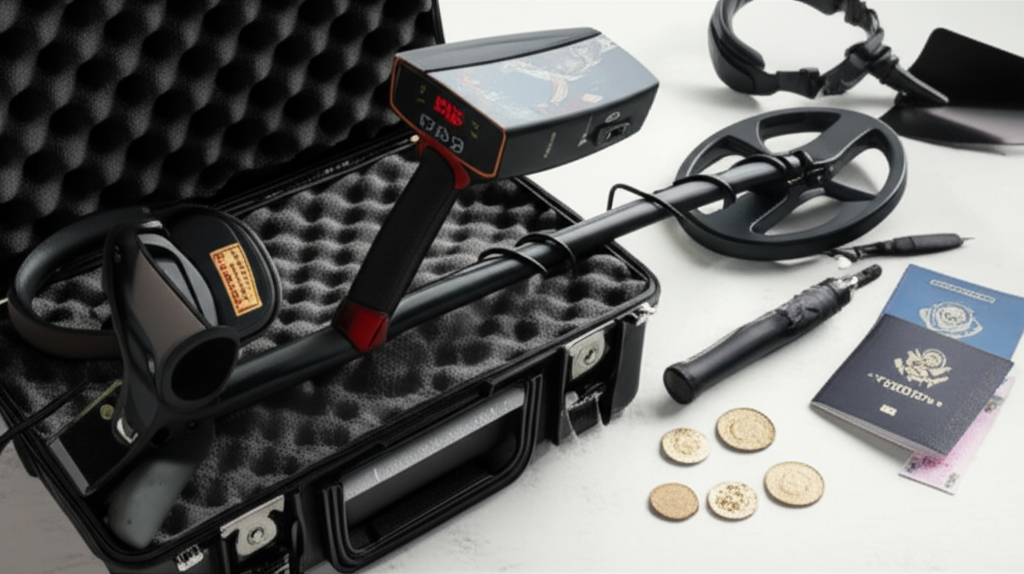
Heading south for some treasure hunting? Many detectorists dream of the beaches and historical sites Mexico offers. But a common question pops up: “Can you take a metal detector to Mexico?” The short answer is yes, but it’s crucial to be prepared. Ignoring the rules can lead to confiscations or fines. This guide will walk you through everything you need to know to bring your metal detector to Mexico smoothly and legally, ensuring your detecting trip is a success.
Understanding Mexican Regulations for Metal Detectors
Mexico has specific laws regarding the importation and use of metal detectors. It’s not as simple as just packing it in your suitcase. The key is understanding that metal detectors are considered specialized equipment, and there are protocols to follow. These regulations are in place to prevent unauthorized excavation of archaeological sites and the removal of historical artifacts.
The Legal Framework: What You Need to Know

Mexican law views metal detectors as tools that could potentially be used for illegal archaeological excavation. Therefore, they are subject to declaration and specific permits, especially if you plan to detect on or near historical sites. While recreational detecting on beaches is often tolerated, official declaration is always the safest route. This proactive step ensures you’re operating within the law and avoids any potential misunderstandings with authorities.
Declaration at Customs: A Crucial Step
When arriving in Mexico, you must declare your metal detector to customs officials. This usually involves filling out a form and potentially paying a small fee or providing a temporary import permit. Failing to declare can result in your equipment being confiscated. It’s always better to be upfront and transparent about your intentions.
Essential Documentation for Your Metal Detector
Having the right paperwork is non-negotiable when bringing your metal detector to Mexico. This documentation serves as proof that you are importing the equipment legally for personal use. Without it, you risk your detector being seized.
Temporary Import Permit (TIP)
For longer stays or if you anticipate encountering stricter scrutiny, obtaining a Temporary Import Permit (TIP) for your metal detector might be advisable. This permit allows you to bring your equipment into the country for a specified period without paying full import duties. You can often arrange this through Mexican consulates or customs agencies before your trip.
Proof of Ownership and Intent
Carry a copy of your detector’s purchase receipt or any documentation showing proof of ownership. Also, have a written statement detailing your intent to use the detector for recreational purposes, such as beachcombing or detecting on private property with permission. This can help clarify your intentions if questioned by officials.
Which Types of Metal Detectors Are Permitted?
Generally, most common hobbyist metal detectors are permitted. The concern for Mexican authorities lies more with the use of the detectors, particularly in protected areas, rather than the detectors themselves. However, some highly specialized or industrial-grade detectors might face more scrutiny.
Hobbyist vs. Professional Detectors
Standard hobbyist metal detectors, designed for finding coins, jewelry, and relics, are typically allowed. These are the types most commonly used for beach hunting or park detecting. Professional or industrial-grade detectors, often used for mining or security, may have different import regulations and require more extensive paperwork.
Archaeological Detectors
Detectors specifically designed for archaeological research or with features that could facilitate the removal of artifacts from sensitive sites might be subject to stricter controls or outright prohibition without proper permits. Stick to recreational models to avoid complications.
Where Can You Legally Metal Detect in Mexico?
Understanding where you can and cannot detect is as important as knowing how to bring your detector. Mexico has protected archaeological zones, and detecting in these areas is strictly forbidden. Always respect local signage and private property rights.
Beaches and Public Areas
Most beaches and public parks are generally acceptable for recreational metal detecting, provided you adhere to local ordinances. Always check for any posted signs that might prohibit detecting. A good rule of thumb is to leave no trace and fill any holes you dig.
Archaeological Sites and Protected Zones
Metal detecting is strictly prohibited in and around any archaeological sites or protected historical zones. These areas are preserved for their cultural significance, and unauthorized excavation carries severe penalties. Ignorance is not a valid defense.
Private Property
Detecting on private property requires explicit permission from the landowner. Always seek and obtain consent before searching. This respects property rights and can lead to more successful and less confrontational detecting sessions.
Best Practices for Bringing Your Detector on a Plane
Traveling with your metal detector requires some planning. You’ll need to consider how to pack it safely and what airline policies might apply. Proper packing ensures your detector arrives undamaged.
Packing Your Detector for Air Travel
Disassemble your metal detector if possible. Place the control box and coil in padded cases or wrap them securely in bubble wrap. The shaft can be placed in a protective bag or case. Consider a dedicated metal detector travel case for maximum protection.
Airline Policies and Restrictions
Check with your specific airline regarding their policies on carrying metal detectors. Some may require them to be checked as baggage, while others might allow them as carry-on if disassembled and within size limits. Informing the airline in advance can prevent last-minute issues at the gate.
Alternatives and Considerations for Detecting in Mexico
If the paperwork or regulations seem daunting, there are alternatives to bringing your own detector. You might also consider what types of treasures are most commonly found. This foresight can enhance your detecting experience.
Renting Detectors in Mexico
In some popular tourist areas, it might be possible to rent metal detectors. This can be a viable option if you’re only planning a short trip or want to try detecting without the hassle of international travel regulations. Research rental options in your destination beforehand.
What to Expect to Find
Mexico offers a rich history, meaning you might find old coins, jewelry, and historical artifacts. Beaches are often good for modern jewelry and coins dropped by tourists. Inland historical areas, where legally permitted, could yield older relics.
Tools and Accessories to Bring Along
Beyond your metal detector, several accessories can enhance your detecting experience in Mexico. These tools are essential for efficient and responsible detecting. Having the right gear makes all the difference in the field.
Essential Detecting Gear
Pinpointer: Crucial for locating targets accurately in the plug, reducing digging time and disturbance.
Digging Tools: A sturdy trowel or small shovel is necessary for carefully excavating targets. Ensure they are suitable for beach or soil conditions.
Sand Scoop: Essential for beach detecting, allowing you to sift through sand quickly to find targets.
Headphones: Help you hear faint signals and keep your finds discreet.
Bags for Finds: Separate bags for trash and treasure are a must for responsible detecting.
What NOT to Bring
Avoid bringing any items that could be misconstrued as archaeological excavation tools or weapons. Keep your gear strictly related to recreational metal detecting. This minimizes any potential red flags at customs.
Respecting Local Laws and Culture
Responsible detecting is paramount. This involves not only following legal requirements but also respecting the local environment and culture. Being a good ambassador for the metal detecting community is crucial for future access.
Responsible Detecting Etiquette
Always fill your holes completely, leaving no trace of your activity. Never remove artifacts from archaeological sites. Be courteous to others, and always seek permission before detecting on private land.
Cultural Sensitivity
Be mindful of the cultural significance of any items you might find. If you uncover something that appears to be of historical or archaeological importance, it’s often best to report it to local authorities or a museum rather than keeping it. This ensures its preservation for future generations.
FAQ: Your Top Questions Answered
Q1: Is it legal to metal detect on Mexican beaches?
Generally, yes, recreational metal detecting on public beaches is often permitted. However, it’s always wise to check for local ordinances or posted signs that might prohibit it, and always practice responsible detecting by filling your holes.
Q2: Do I need a permit to bring my metal detector to Mexico?
While not always strictly enforced for recreational detectors, it is highly recommended to declare your metal detector at customs. Some situations might require a Temporary Import Permit (TIP), especially for longer stays or professional equipment.
Q3: What happens if I don’t declare my metal detector?
If you fail to declare your metal detector, it could be confiscated by customs officials. You might also face fines or other penalties. Transparency is key to avoiding these issues.
Q4: Can I take my metal detector as carry-on luggage?
This depends on the airline and the size of your detector. It’s best to check your airline’s specific policy. Disassembling the detector can often make it easier to fit into carry-on dimensions.
Q5: What should I do if I find an artifact in Mexico?
If you find something that appears to be an artifact of historical or archaeological significance, it is best to leave it in place and report it to local authorities or a cultural heritage office. Unauthorized removal can have serious legal consequences.
Q6: Are there specific brands of metal detectors that are banned in Mexico?
No specific brands are generally banned. The concern is more about the type* of detector and its potential use in sensitive areas, rather than the brand name. Recreational detectors from major brands are usually fine.
Conclusion: Detect Responsibly and Enjoy Your Mexican Adventure
So, can you take a metal detector to Mexico? Absolutely. By understanding and adhering to the regulations, declaring your equipment, and practicing responsible detecting, you can have an incredible treasure-hunting experience. Remember to always research local laws, obtain necessary permits if required, and respect the cultural heritage of Mexico. With the right preparation and a responsible approach, your detecting trip to Mexico promises exciting finds and unforgettable adventures. Happy hunting!
