


Published on: September 30, 2025 | Updated on: September 30, 2025
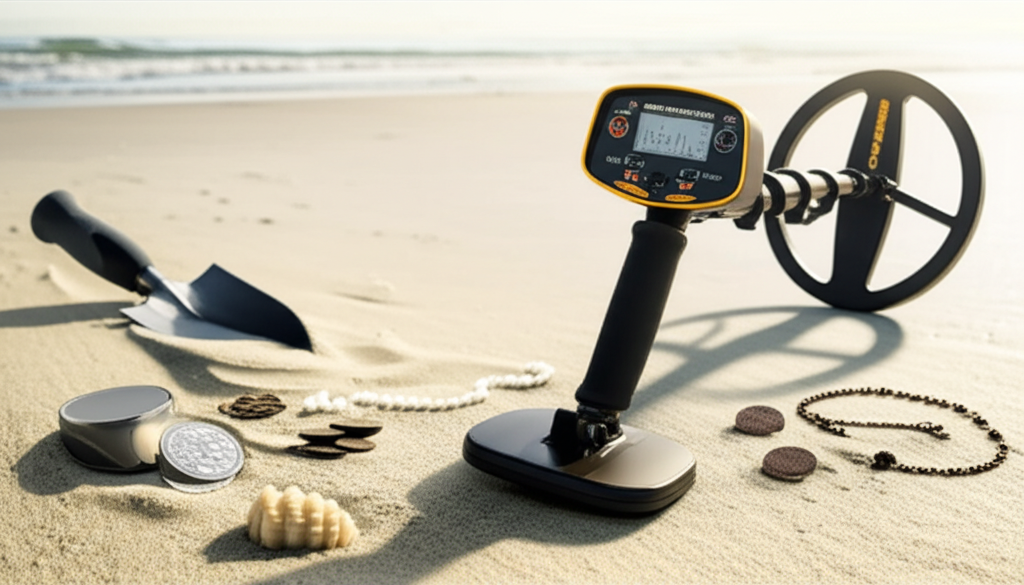
Yes, you can absolutely use a metal detector on South Padre Island! This guide covers the best spots, what to look for, and essential gear for a rewarding treasure hunting experience on this beautiful Texas coast.
South Padre Island is a treasure hunter’s dream, but knowing where to start can be a real puzzle. Many detectorists wonder if their hobby is even permitted on this popular vacation destination. I’ve spent countless hours exploring beaches, and I can tell you that with the right knowledge, you’ll find more than just sand. This guide will walk you through everything you need to know to successfully hunt for treasures on South Padre Island.
Contents
- 1 Unlocking South Padre Island’s Metal Detecting Potential
- 2 Navigating South Padre Island’s Regulations for Detectorists
- 3 Essential Metal Detecting Gear for Coastal Hunts
- 4 Prime Metal Detecting Spots on South Padre Island
- 5 What to Expect: Essential Finds on South Padre Island
- 6 Techniques for Maximizing Your Beach Finds
- 7 Troubleshooting Common Metal Detecting Issues
- 8 Responsible Metal Detecting Practices
- 9 Metal Detecting South Padre Island: A Rewarding Pursuit
- 10 Frequently Asked Questions About Metal Detecting on South Padre Island
- 11 Conclusion
- 12 Author
Unlocking South Padre Island’s Metal Detecting Potential
This island paradise offers a unique blend of history and modern activity, creating fertile ground for detecting. Its long stretches of public beach, coupled with a rich past, mean there are plenty of forgotten items just waiting to be unearthed. Understanding the island’s appeal to both locals and visitors is key to finding those essential finds.
Before you even think about swinging your coil, it’s crucial to understand the rules. Most public beaches on South Padre Island permit metal detecting, but there are specific areas and regulations to be aware of. Private property is a no-go without explicit permission, and always check with local authorities for any temporary restrictions.
Beach Access and Permitting

The primary areas for metal detecting on South Padre Island are its public beaches. Generally, you won’t need a special permit to detect on the sand, but it’s always wise to confirm. Some city ordinances or park rules might have specific guidelines about digging or filling holes.
Areas to Avoid
Certain zones might be off-limits for metal detecting. This often includes protected wildlife areas, historical sites, or private resort property. Always respect posted signs and be mindful of the environment and other beachgoers.
Essential Metal Detecting Gear for Coastal Hunts
Choosing the right equipment makes a world of difference when hunting on sandy terrain. Moisture, saltwater, and the sheer size of beach areas demand specific tools. I’ve found that a waterproof detector with a good beach mode is paramount for success.
Top Metal Detector Recommendations
For South Padre Island’s salty environment, a detector with excellent saltwater performance is a must. Models designed for beach hunting often have features like ground balancing for wet sand and discrimination to filter out junk. Brands like Minelab, Garrett, and Nokta Makro offer fantastic options.
Crucial Accessories for Beach Detecting
Beyond the detector itself, a few accessories are indispensable. A durable scoop for digging in wet sand, a reliable pinpointer to locate small targets quickly, and a mesh bag for collecting your finds are essential. Don’t forget a comfortable hat and sunscreen for those long sunny days.
Prime Metal Detecting Spots on South Padre Island
South Padre Island boasts several locations where treasure hunting can be particularly fruitful. These spots often have a history of high visitor traffic or unique geological features that can concentrate finds. My personal favorites combine accessibility with a good track record.
The Main Public Beaches
The most accessible and popular areas are the main public beaches. These stretches are where most visitors spend their time, meaning lost items like jewelry and coins are more common. Detecting near popular access points and lifeguard stations can be especially productive.
Less Crowded Shorelines
For a quieter experience and potentially undisturbed targets, explore the less crowded shorelines. Heading further down the beach, away from main parking areas, can yield older finds that haven’t been churned up by countless other detectorists. These areas often require a bit more walking but can be well worth the effort.
Near Piers and Jetties
Piers and jetties are natural gathering spots for people, and consequently, for dropped items. The currents around these structures can also concentrate targets. Be mindful of any specific rules regarding metal detecting on or immediately around the structures themselves.
What to Expect: Essential Finds on South Padre Island
The types of treasures you’ll uncover on South Padre Island are as varied as the island’s visitors. From common modern currency to potentially older relics, there’s always something exciting to discover. I’ve seen everything from modern silver rings to antique coins in my beach digs.
Modern Coins and Jewelry
The most frequent finds will likely be modern coins and lost jewelry. Rings, earrings, bracelets, and necklaces are frequently dropped by beachgoers. Keeping your detector tuned for these common targets can lead to many rewarding finds.
Older Relics and Artifacts
With the island’s history, there’s a chance to find older relics. These could include antique coins, buttons, fishing lures, or even fragments of historical items. Researching the island’s past can give you clues about what historical eras might be represented in the sand.
Interesting Natural Finds
While not strictly “treasure,” South Padre Island is also a haven for interesting natural finds. Shark teeth, unique shells, and even fossilized fragments can be fascinating discoveries. These add another layer of enjoyment to your detecting excursions.
Techniques for Maximizing Your Beach Finds
Effective techniques are just as important as the right gear when metal detecting on the beach. Understanding how to work the sand, especially wet and dry conditions, is key. I’ve learned that patience and a systematic approach yield the best results.
Working Wet Sand vs. Dry Sand
Wet sand, especially below the high tide line, often requires different settings on your detector than dry sand. Saltwater can interfere with signals, so a detector with good saltwater modes or a waterproof coil is beneficial. In dry sand, focus on covering ground efficiently.
The Sweep Pattern
A consistent sweep pattern ensures you don’t miss any areas. Overlapping your sweeps by about half the coil’s width is a good practice. Move slowly and deliberately, especially when you hear a signal.
Digging and Recovery
Proper digging technique is crucial for both efficient recovery and responsible detecting. Use a good beach scoop to carefully excavate the target area, keeping the sand in the scoop as much as possible. Always fill your holes completely when you’re done.
Troubleshooting Common Metal Detecting Issues
Even with the best gear, you might encounter some challenges. Understanding how to troubleshoot common problems will save you frustration and keep you detecting. I’ve faced my share of tricky signals and environmental interference.
Dealing with Saltwater Interference
Saltwater is notorious for causing false signals. If your detector is constantly chirping or giving erratic readings, you might need to adjust your ground balance or sensitivity settings. Some detectors have specific “beach” or “saltwater” modes that can help immensely.
Identifying Junk Signals
Discrimination is your friend, but it’s not foolproof. Learning to interpret different tones and signals can help you distinguish between valuable targets and trash. Sometimes, digging a questionable signal is the only way to be sure.
Battery Life and Maintenance
Keeping your detector powered and in good condition is vital. Always carry spare batteries or ensure your rechargeable ones are fully charged. After a day at the beach, rinse your detector with fresh water to remove salt and sand.
Responsible Metal Detecting Practices
Being a responsible detectorist is not just about finding treasure; it’s about preserving the environment and respecting others. This is especially important on a popular tourist destination like South Padre Island. Adhering to these principles ensures the hobby remains welcome.
Leave No Trace
The golden rule of outdoor recreation applies here: leave no trace. This means filling all holes you dig, packing out everything you pack in, and never disturbing wildlife or vegetation. Your goal is to leave the beach as you found it, or even better.
Respecting Property and People
Always detect on public land unless you have explicit permission for private property. Be mindful of other beachgoers, avoid digging too close to them, and never trespass. A friendly attitude goes a long way.
Proper Disposal of Trash
You will dig up trash; it’s part of the hobby. Make sure you have a bag to collect all your finds, including pull tabs, bottle caps, and other refuse. Properly disposing of this trash helps keep the beaches clean for everyone.
Metal Detecting South Padre Island: A Rewarding Pursuit
Metal detecting on South Padre Island can be an incredibly rewarding experience, offering a unique way to connect with the coast and its history. The thrill of uncovering a lost piece of jewelry or a historical artifact is hard to beat. It’s a hobby that combines outdoor exploration with the excitement of discovery.
The Joy of the Hunt
The primary reward is, of course, the hunt itself. The anticipation with every swing, the excitement of a solid signal, and the satisfaction of unearthing a target make for an engaging pastime. It’s a chance to slow down and appreciate the simple act of discovery.
Contributing to Beach Cleanliness
While you’re searching for treasures, you’re also actively cleaning the beach. Removing discarded metal items, even if they aren’t valuable, contributes to a safer and more pleasant environment for everyone. This aspect adds a layer of purpose to your detecting sessions.
Frequently Asked Questions About Metal Detecting on South Padre Island
Q1: Is metal detecting allowed on South Padre Island beaches?
A: Yes, metal detecting is generally permitted on most public beaches on South Padre Island. Always check local signage for any specific restrictions or designated off-limit areas.
Q2: Do I need a permit to metal detect on South Padre Island?
A: Typically, no special permit is required for metal detecting on the public beaches. However, it’s always best to verify with the local city or county parks department for the most current regulations.
Q3: What are the best times of day to metal detect on South Padre Island?
A: Early mornings and late afternoons are often the best times. These periods usually have fewer crowds, and the cooler temperatures make for a more comfortable detecting experience.
Q4: What kind of finds can I expect to make on South Padre Island?
A: You can expect to find modern coins, lost jewelry (rings, necklaces, earrings), pull tabs, bottle caps, and potentially older relics or artifacts depending on the location and historical significance.
Q5: Are there specific beaches on South Padre Island that are better for metal detecting?
A: Beaches with higher visitor traffic, such as those near popular access points and hotels, tend to yield more modern finds. Less crowded areas might offer older targets. Exploring near piers and jetties can also be productive.
Q6: What equipment is essential for metal detecting on the beach?
A: Essential equipment includes a waterproof metal detector with good saltwater performance, a sand scoop, a pinpointer, a mesh collection bag, and sunscreen.
Conclusion
So, can you use a metal detector on South Padre Island? The answer is a resounding yes! With its beautiful public beaches and rich potential for finds, it’s an excellent destination for any detectorist. By understanding the local regulations, equipping yourself with the right gear like a reliable beach metal detector, and employing effective techniques, you’re set for a fantastic treasure hunting adventure. Remember to always practice responsible detecting, fill your holes, and pack out your trash. Happy hunting on South Padre Island!
