

Close Menu
Tool Guider – Trending Tools
  • Home
  • Tools Blogs Trending Now
  • Write for us
What's Hot

Scaffold Rental Requirements: OSHA Safety Checklist

Trench Safety Equipment Rental: OSHA Rules and Checklist

Construction Equipment Rental Guide: Costs, Types, and Tips

Facebook X (Twitter) Instagram
Tool Guider – Trending ToolsTool Guider – Trending Tools
  • Home
  • Tools Blogs Trending Now

    Scaffold Rental Requirements: OSHA Safety Checklist

    Trench Safety Equipment Rental: OSHA Rules and Checklist

    Construction Equipment Rental Guide: Costs, Types, and Tips

    Electric Mini Excavator Runtime: Battery Life and Charging Guide

    Compact Excavator Comparison: 5 Mini Excavators for Small Projects

  • Write for us
Tool Guider – Trending Tools
Home » Can You Use A Metal Detector With ICD: Essential Guide

Can You Use A Metal Detector With ICD: Essential Guide

Belayet HossainBy Belayet Hossain Metal detecting 7 Mins Read
Share
Facebook Twitter LinkedIn Pinterest WhatsApp Email

Published on: September 30, 2025 | Updated on: September 30, 2025

Can You Use A Metal Detector With ICD? An Essential Guide for Safety & Success

Yes, you can use a metal detector with an ICD (Implantable Cardioverter-Defibrillator), but with crucial precautions and understanding potential interference. This guide offers essential advice for safe and successful detecting experiences.

Welcome, fellow detectorists! If you’re living with an ICD and have a passion for uncovering hidden treasures, you’ve likely wondered about the safety of wielding a metal detector. It’s a valid concern, and one we’ll tackle head-on. Many people with ICDs enjoy a full life, and that can absolutely include the thrill of metal detecting. We’ll walk through the potential risks, essential safety measures, and how to ensure your detecting adventures are both rewarding and secure. Let’s get you back in the field with confidence!

Contents

  • 1. Understanding ICDs and Metal Detectors: The Basics
  • 2. The Potential for Interference: What You Need to Know
  • 3. Expert Recommendations for Safe Metal Detecting with an ICD
  • 4. Choosing the Right Metal Detector: Technology Matters
  • 5. Essential Safety Protocols for ICD Users
  • 6. Communicating with Your Cardiologist: A Vital Step
  • 7. Field Testing and Monitoring Your ICD
  • 8. Alternatives and Modifications for Safer Detecting
  • 9. Navigating Different Detecting Environments
  • 10. Legal and Ethical Considerations for Detectorists
  • 11. Frequently Asked Questions (FAQ)
  • 12. Conclusion: Detecting with Confidence and Caution
  • 13. Author

Understanding ICDs and Metal Detectors: The Basics

An Implantable Cardioverter-Defibrillator (ICD) is a small device implanted in the chest to monitor and correct dangerous heart rhythms. It can deliver an electrical shock if a life-threatening arrhythmia is detected. Metal detectors, on the other hand, work by generating an electromagnetic field. This field interacts with metal objects in the ground, causing a signal that the detector interprets.

The Potential for Interference: What You Need to Know

The primary concern when using a metal detector with an ICD is electromagnetic interference (EMI). The electromagnetic field produced by a metal detector coil could potentially interfere with the ICD’s ability to monitor your heart rhythm or even trigger an inappropriate shock or pacing. This interference is usually temporary and depends on the strength of the detector’s field and its proximity to the ICD.

Expert Recommendations for Safe Metal Detecting with an ICD

Medical professionals and detector manufacturers have established guidelines to minimize risks. The key is to maintain a safe distance between the metal detector coil and your ICD. This distance, often referred to as the “safe zone,” is crucial for preventing interference. Always consult your cardiologist for personalized advice.

Choosing the Right Metal Detector: Technology Matters

Not all metal detectors are created equal when it comes to EMI. Newer, technologically advanced detectors often have better shielding and adjustable sensitivity settings. These features can help reduce the electromagnetic field strength, making them potentially safer for individuals with ICDs. Looking for detectors with lower operating frequencies can also be beneficial.

Low-Frequency vs. High-Frequency Detectors

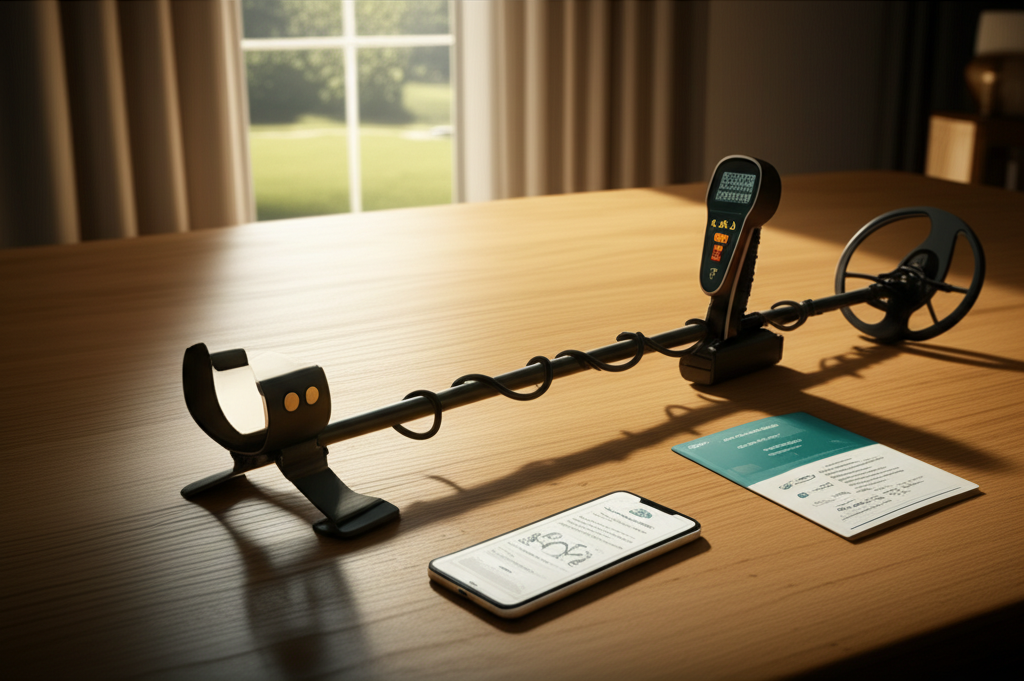
Generate an ultra-luxurious, modern, photorealistic 16:9 featured image for a blog article on the to

Low-frequency detectors (typically below 10 kHz) generally produce a weaker electromagnetic field compared to high-frequency detectors. This weaker field might translate to a lower risk of interference. However, high-frequency detectors are often better for finding smaller targets like gold nuggets. It’s a trade-off to consider based on your detecting goals and medical advice.

Essential Safety Protocols for ICD Users

Adhering to strict safety protocols is non-negotiable. The most critical rule is to maintain a minimum distance between the detector’s coil and your ICD. This distance is typically recommended to be at least 6 to 12 inches, but always verify this with your doctor. It’s wise to keep the detector’s coil further away from your chest at all times.

Maintaining the Safe Zone: Practical Tips

When swinging the detector, always keep the coil parallel to the ground and away from your chest. Avoid holding the detector directly over your ICD. If you feel any unusual sensations or your ICD alerts you, immediately move the detector away and consult your physician.

Communicating with Your Cardiologist: A Vital Step

Before you even think about hitting the field, a thorough discussion with your cardiologist is paramount. They can provide specific guidance based on your ICD model, settings, and overall health. They may also be able to perform tests to assess your ICD’s response to electromagnetic fields, giving you peace of mind.

What to Ask Your Doctor

Prepare a list of questions for your cardiologist. Ask about the specific safe distance for your device, what types of metal detectors might be safer, and what symptoms you should watch out for. Understanding your ICD’s behavior is key to safe detecting.

Field Testing and Monitoring Your ICD

Once cleared by your doctor, it’s wise to conduct some initial field tests in a controlled environment. Start by holding the detector at a safe distance and gradually bringing it closer, paying close attention to any feedback from your ICD or unusual physical sensations. Some ICDs have data logging capabilities that your doctor can review to see if any interference occurred.

Recognizing Signs of Interference

Symptoms of potential interference can include dizziness, lightheadedness, palpitations, or a feeling of your ICD activating. If you experience any of these, stop detecting immediately and move the detector away from your body.

Alternatives and Modifications for Safer Detecting

If you’re concerned about using a standard metal detector, there are alternatives. Some users opt for detectors with very low emissions or those designed with advanced EMI suppression. Another approach is to have a non-ICD user operate the detector while you assist with pinpointing or digging.

Pinpointers: A Closer Look

Pinpointers are handheld devices used to locate targets once they’ve been roughly identified by the main detector. While they also emit electromagnetic fields, they are typically much weaker than those of a full-sized detector. However, it’s still essential to use them cautiously and at a safe distance from your ICD.

Navigating Different Detecting Environments

The environment you’re detecting in can also play a role. Areas with high levels of ambient EMI, such as near power lines or substations, might exacerbate potential issues. It’s generally advisable to avoid such locations or be extra vigilant about maintaining safe distances.

Legal and Ethical Considerations for Detectorists

While not directly related to ICD safety, remember to always detect responsibly. Obtain permission before searching on private property and familiarize yourself with local laws regarding metal detecting. Respect historical sites and avoid damaging the environment.

Frequently Asked Questions (FAQ)

Can I use any metal detector with an ICD?

It’s not a simple yes or no. While many ICDs are well-shielded, the electromagnetic field from a metal detector can cause interference. Always consult your doctor and follow safety guidelines, maintaining a safe distance between the detector coil and your ICD.

What is the safe distance between a metal detector and an ICD?

Medical recommendations typically suggest a minimum of 6 to 12 inches, but this can vary depending on your specific ICD model and settings. Your cardiologist is the best source for this crucial information.

What are the risks of using a metal detector with an ICD?

The primary risk is electromagnetic interference (EMI), which could potentially disrupt the ICD’s function, leading to inappropriate pacing, a shock, or failure to detect a true cardiac event.

Are some metal detectors safer than others for ICD users?

Yes, detectors with advanced EMI suppression, lower operating frequencies, and adjustable sensitivity settings may pose less risk. Newer technologies are often better designed to minimize electromagnetic output.

What should I do if I suspect my metal detector is interfering with my ICD?

Immediately move the metal detector away from your body. If you experience any unusual symptoms like dizziness or palpitations, cease detecting and contact your physician.

Can a pinpointer interfere with an ICD?

Pinpointers emit weaker electromagnetic fields than full-sized detectors, but interference is still possible. Use them cautiously and maintain a safe distance from your ICD, just as you would with a larger detector.

Should I inform my doctor about my metal detecting hobby?

Absolutely. A detailed discussion with your cardiologist is the most important first step before resuming or starting metal detecting with an ICD. They can provide personalized safety advice.

Conclusion: Detecting with Confidence and Caution

Navigating the world of metal detecting with an ICD requires a proactive and informed approach. By understanding the potential for interference, consulting with your medical team, choosing appropriate equipment, and strictly adhering to safety protocols, you can continue to enjoy your passion. The key takeaway is to always prioritize your health and safety, ensuring that the thrill of discovery never comes at the expense of your well-being. Happy and safe detecting!

Author

  • belayet hossain
    Belayet Hossain

    Belayet Hossain is a Tool Analyst and Workspace Optimization Expert with an MSc in Computer Science & Engineering. Augmented by certifications in AI Marketing & Business Strategist, he evaluates home office gear and industrial tools through a lens of technical efficiency and modern utility. Belayet identifies which tools offer true smart value and which are merely passing trends. Connect with Belayet Hossain on Facebook, Twitter, Linkedin, or read my complete biography.

Leave your thoughts here!Cancel reply

OMAIGA Steam Iron for Clothes
Don't Miss Latest Updates

Subscribe to Updates

Get the latest blogs, updates, news and many more from ToolGuider.com!

loader

Email Address*

Don't Miss
Tools Blogs Trending Now

Scaffold Rental Requirements: OSHA Safety Checklist

Tools Blogs Trending Now

Trench Safety Equipment Rental: OSHA Rules and Checklist

Construction Equipment Rental Guide: Costs, Types, and Tips

Electric Mini Excavator Runtime: Battery Life and Charging Guide

Compact Excavator Comparison: 5 Mini Excavators for Small Projects

Electric Construction Equipment Charging: Jobsite Costs and Power Requirements

Recommended
Tools Blogs Trending Now

Trench Safety Equipment Rental: OSHA Rules and Checklist

Tools Blogs Trending Now Updated:October 14, 2026
Construction & Building

Construction Equipment Rental Guide: Costs, Types, and Tips

Construction & Building Updated:October 14, 2026
Construction Tools

Electric Mini Excavator Runtime: Battery Life and Charging Guide

Construction Tools
Construction Tools

Compact Excavator Comparison: 5 Mini Excavators for Small Projects

Construction Tools Updated:October 12, 2026
Electrical

Electric Construction Equipment Charging: Jobsite Costs and Power Requirements

Electrical Updated:October 11, 2026
Construction Tools

Electric Mini Excavator vs Diesel: Cost, Runtime, and Performance

Construction Tools Updated:October 11, 2026
Construction Tools

Electric Mini Excavator Buying Guide 2026: Runtime, Charging, and Total Cost

Construction Tools Updated:October 11, 2026
Construction Safety

OSHA Lithium-Ion Battery Charging for Construction: What Employers Need to Know

Construction Safety
Jump to
  • Tools Blogs Trending Now (7,406)
    • Air Conditioners (2)
    • Automotive (3)
      • Vehicle Codes & Driving Laws (1)
      • Vehicle Parts & Services (2)
        • Vehicle Parts & Accessories (2)
    • Baby & Childcare (15)
    • Business & Industrial (8)
      • Hospitality Industry (1)
        • Food Service (1)
      • Industrial Materials & Equipment (3)
        • Dust Collection (1)
      • Metals & Mining (2)
        • Precious Metals (1)
      • Shipping & Logistics (1)
        • Packaging (1)
    • Camping (1)
    • Car maintenance (1)
    • Cleaning (836)
      • Metal Cleaning (836)
    • Construction & Building (21)
      • Construction Safety (2)
      • Construction Tools (4)
      • Electrical (1)
    • Consumer Electronics (2)
    • Editors choice (18)
    • Food & Beverage (4)
      • Beverages (1)
      • Cooking & Recipes (1)
      • Cuisines (1)
    • Health & Fitness (1)
    • Health And Household (6)
    • Hobbies & Leisure (3)
    • Home & Garden (58)
      • Electrical (4)
      • Gardening (2)
      • Household Supplies (2)
        • Laundry (2)
      • Kitchen & Dining (37)
        • Cookware & Diningware (3)
        • Drinkware & Teaware (1)
        • Kitchen Cleaning & Maintenance (3)
          • Dishwashing & Cleaning (3)
        • Kitchen Tools (24)
          • Bowls & Dishes (10)
            • Wooden Bowls (10)
          • Cutting Boards (8)
        • Storage & Shelving (1)
          • Cabinetry (1)
        • Tea & Coffee (9)
          • Brewing Techniques (2)
          • Teaware (8)
            • Teapots (8)
              • Japanese Teapots (3)
      • Pest Control (1)
    • Home decor (3,421)
      • Home office decor (3,410)
        • Corner Home Office Setup (1)
        • Desk Setup Inspiration (1)
        • Home Office Wellness (1)
        • Minimalist Desk Setup (5)
        • Minimalist Office Decor (1)
        • Modern Home Office Ideas (1)
        • Office Accessories & Decor (5)
          • Chairs (2)
          • Desk (2)
          • Floating Shelves (1)
        • Small Home Office Ideas (2)
        • Tech & Gadget Setup Ideas (1)
        • Under $100 Home Office Setup (1)
    • Home improvement (35)
      • Construction & Power Tools (2)
      • House Painting & Finishing (3)
      • Kitchen Renovation (3)
    • Hunting (3)
    • HVAC & Climate Control (2)
    • Industrial And Scientific (24)
    • Metal detecting (2,865)
    • Outdoor & Recreation (5)
      • Hunting & Shooting (1)
    • Power & Hand Tools (14)
      • Power tools (14)
    • Power Energy (5)
    • Resources (3)
    • Reviews (32)
      • Home Tools (1)
      • Metal Detector (19)
      • Tools & Devices (5)
    • Science (1)
      • Biological Sciences (1)
        • Genetics (1)
    • Shopping (7)
      • Antiques & Collectibles (6)
      • Other (1)
    • Tools Tips (12)
Stay In Touch
  • Facebook
  • Twitter
  • Pinterest
  • Instagram
  • YouTube
  • Vimeo
Recommended
Latest updates
  • Scaffold Rental Requirements: OSHA Safety Checklist
  • Trench Safety Equipment Rental: OSHA Rules and Checklist
  • Construction Equipment Rental Guide: Costs, Types, and Tips
  • Electric Mini Excavator Runtime: Battery Life and Charging Guide
  • Compact Excavator Comparison: 5 Mini Excavators for Small Projects
  • Electric Construction Equipment Charging: Jobsite Costs and Power Requirements
  • Electric Mini Excavator vs Diesel: Cost, Runtime, and Performance
  • Electric Mini Excavator Buying Guide 2026: Runtime, Charging, and Total Cost
  • OSHA Lithium-Ion Battery Charging for Construction: What Employers Need to Know
  • Why Power Tool Batteries Catch Fire – Causes, Thermal Runaway & Prevention
Tools & Devices

Top 3 Best Hybrid Table Saw Under $1000 in 2024 [Expert’s Review]

Minimalist Home Office for Couples: Essential, Genius Design

Minimalist Home Office Desk: Ultimate Essential Design

Metal Detector Platinum: Essential Breakthroughs

Luxury Dark Wood Office Ideas: Essential, Stunning Design

Home improvement

uPVC Windows and Doors: Homeowner’s Buying Guide

How to Install Tilt and Turn PVC Windows: A Practical Step‑by‑Step Guide

EV Charger Installation: 7 Key Factors Homeowners Overlook

Maximising Boiler Value: Leeds Homeowners’ Guide to Comparing Boiler Quotes

DIY Tips: The Best Applicator for Varnish on Large Surfaces

Subscribe to Updates

Get the latest Blogs, Updates, News from ToolGuider.com.

loader

Email Address*

Facebook X (Twitter) Pinterest
  • About us
  • Latest Tools Blogs
  • Disclaimer
  • Privacy Policy
  • Write for us
  • Contact us
  • Sitemap
© 2026 Designed by Belayet Hossain.

Type above and press Enter to search. Press Esc to cancel.