


Published on: October 1, 2025 | Updated on: October 1, 2025
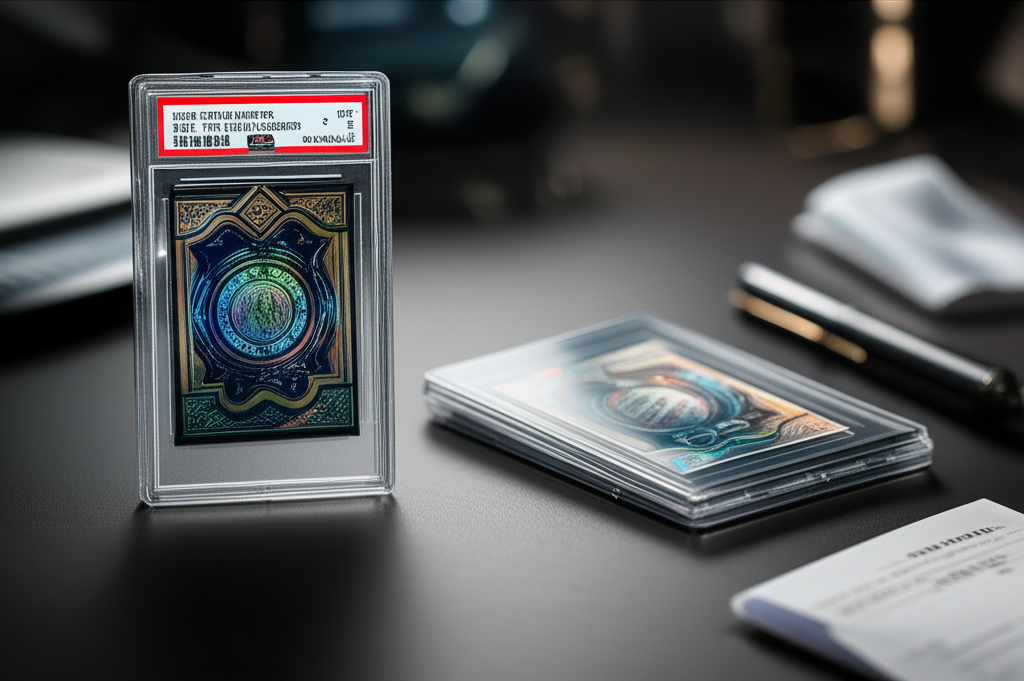
Card savers or top loaders? Both offer essential protection for your valuable trading cards, but understanding their differences is key to choosing the best option for your collection.
The thrill of unearthing a rare coin, a historical relic, or a perfectly preserved piece of history with your metal detector is unmatched. But what happens after the find? For many detectorists, the excitement extends to collecting not just physical treasures, but also valuable trading cards, be it vintage sports cards, rare gaming cards, or even unique numismatic items. Protecting these paper-based treasures is just as crucial as safeguarding your detecting gear. Many folks ask me, “What’s the best way to store my cards?” It often boils down to a choice between card savers and top loaders. This can feel like a confusing decision, but don’t worry. I’ve got years of experience handling delicate finds, and I’m here to guide you through the world of card protection. We’ll break down exactly what card savers and top loaders are, their pros and cons, and help you decide which is the right fit for your valuable collection.
Contents
- 1 Card Savers vs. Top Loaders: Understanding the Basics
- 2 The Case for Card Savers: Flexibility and Affordability
- 3 The Strength of Top Loaders: Unwavering Rigidity
- 4 Card Savers vs. Top Loaders: When to Use Which
- 5 Beyond the Basics: Soft Sleeves and Other Protectors
- 6 Making the Right Choice for Your Collection
- 7 Protecting Your Finds: A Real-World Detectorist’s Perspective
- 8 Frequently Asked Questions (FAQ)
- 9 Conclusion: Securing Your Collectible Treasures
- 10 Author
Card Savers vs. Top Loaders: Understanding the Basics
When it comes to protecting your prized trading cards, two common accessories immediately come to mind: card savers and top loaders. These aren’t just fancy plastic sleeves; they are engineered to provide a barrier against damage, ensuring your cards retain their condition and value over time. Think of them as the protective cases for your unearthed paper treasures, much like a sturdy padded case protects your sensitive metal detector in the field.
Card savers are generally made of a slightly more flexible, semi-rigid plastic. They are designed to snugly hold a card, offering a good balance between protection and affordability. They are particularly popular for cards that are being submitted for professional grading. Top loaders, on the other hand, are typically made of a thicker, more rigid plastic. They offer a higher level of protection against bending and creasing.
What Exactly is a Card Saver?

A card saver is a type of semi-rigid card holder. They are usually made from PVC-free plastic and are designed to provide a protective sleeve for individual trading cards. The primary purpose of a card saver is to prevent surface scratches, dirt, and minor edge wear, especially when a card is being transported or handled. They are often used as an intermediate step before submitting cards for professional grading.
Card savers offer a good level of protection without being overly bulky. Their semi-rigid nature allows them to conform slightly to the card, keeping it secure within the holder. They are a popular choice for collectors who want to ensure their cards remain in excellent condition during storage and transit.
What is a Top Loader?
A top loader is a much more rigid plastic holder for trading cards. They are significantly thicker and sturdier than card savers. The card is typically inserted from the top into the open-ended sleeve. Top loaders provide excellent protection against bending, creasing, and significant impact.
These are often the go-to for collectors who want maximum physical protection for their cards. They are especially useful for valuable cards that you want to display or store long-term without worrying about accidental damage. Top loaders are a staple in most serious trading card collections.
The Case for Card Savers: Flexibility and Affordability
Card savers offer a compelling combination of flexibility and affordability, making them a popular choice for many collectors. Their semi-rigid construction provides a good balance of protection and ease of use, particularly for cards that might be destined for grading services. I’ve found them incredibly useful when I’m handling a batch of potentially valuable cards after a long day out detecting.
Their slightly softer material means they can accommodate cards with very minor imperfections, and they are less prone to cracking than some older, more brittle plastic holders. For collectors on a budget, or those submitting multiple cards for grading, card savers present a cost-effective solution without sacrificing essential protection.
Pros of Using Card Savers
Card savers shine in several key areas, making them a valuable part of any collector’s toolkit. Their accessibility and effectiveness for specific purposes are undeniable.
Cost-Effective: Card savers are generally less expensive than top loaders, making them a budget-friendly option for protecting large collections or cards being submitted for grading.
Ideal for Grading: Many professional grading companies recommend or even require cards to be placed in card savers before submission. This helps protect the card during the grading process.
Good Surface Protection: They effectively shield cards from surface scratches, dust, and fingerprints. This is crucial for maintaining the visual appeal of your cards.
Easier Insertion: The slightly more flexible material can make inserting cards a bit easier, especially for beginners.
Space Saving: They are typically thinner than top loaders, meaning they take up less space when storing large quantities of cards.
Cons of Using Card Savers
While card savers are excellent for many situations, they do have limitations that potential users should be aware of. Understanding these drawbacks ensures you choose the right protection for your specific needs.
Less Rigid Protection: Compared to top loaders, card savers offer less protection against bending and creasing. A significant impact could still damage a card within a card saver.
Not Ideal for Display: Their semi-rigid nature means they aren’t as robust for displaying cards on shelves or in binders where they might experience more handling.
Potential for Edge Wear: While they protect surfaces well, repeated handling or very tight fitting can sometimes lead to minor edge wear over extended periods.
The Strength of Top Loaders: Unwavering Rigidity
When it comes to robust, unwavering protection, top loaders are the undisputed champions. Their thick, rigid construction provides a formidable shield against bending, creasing, and other physical damage. If you’ve ever worried about a valuable card getting accidentally bent in your bag or during transit, a top loader is your best friend. They offer that extra peace of mind that only a truly sturdy protector can provide.
I often use top loaders for my most prized finds, especially if they are cards I plan to keep long-term or display. They feel substantial and secure, giving me confidence that the card inside is as safe as can be from external pressures. For rare coins or historical documents unearthed with a metal detector, we’d use similar protective enclosures; top loaders serve that same purpose for cards.
Pros of Using Top Loaders
Top loaders bring a level of security and durability that is hard to match. Their strengths are particularly appealing for collectors who prioritize the physical integrity of their cards.
Superior Bending Protection: The rigid plastic offers excellent defense against bending and creasing, safeguarding your cards from significant physical damage.
Excellent for Display: Their sturdiness makes them ideal for displaying cards in binders, stands, or cases without fear of them flopping or bending.
Durable for Handling: If you plan to handle your cards frequently, top loaders provide a robust barrier against wear and tear.
Long-Term Storage: For cards you intend to keep for many years, the enhanced protection of top loaders ensures their condition is maintained.
Professional Appearance: Many collectors find that top loaders give cards a more professional and finished look.
Cons of Using Top Loaders
Despite their impressive protective qualities, top loaders aren’t without their drawbacks. Awareness of these limitations helps in making informed decisions about card storage.
Higher Cost: Top loaders are typically more expensive than card savers, which can add up for collectors with extensive card inventories.
Bulkier: Their thickness means they take up more space, which can be a consideration for storage and shipping.
Not Ideal for Grading Submissions: Most grading services prefer or require cards to be in card savers, not top loaders, for the submission process.
Can Scratch if Dirty: If dirt or grit gets inside a top loader, the rigid nature can potentially cause more scratching than a softer material. Always ensure cards are clean before insertion.
Card Savers vs. Top Loaders: When to Use Which
Deciding between card savers and top loaders isn’t a one-size-fits-all answer. The best choice depends on the card’s value, its intended purpose, and your personal collecting goals. Think of it like choosing the right digging tool for a specific type of soil or target – you wouldn’t use a trowel to dig through solid clay.
For most detectorists who dabble in collecting interesting paper items or vintage cards, understanding these nuances will save you from potential regret down the line. I’ve seen collectors make the mistake of putting a potentially valuable card into a flimsy sleeve only to find it creased later. Let’s break down the scenarios where each shines brightest.
When Card Savers are the Better Choice
Card savers are your go-to for specific situations where their unique benefits are most impactful. They are often the first line of defense for cards that are in circulation or being prepared for a more formal evaluation.
Submitting for Grading: This is arguably the most common and important use case for card savers. Grading companies like PSA, BGS, and SGC often require cards to be in card savers for safe transport and handling during their inspection process. Using a top loader instead could lead to rejection or additional fees.
Protecting Bulk Commons: If you have a large number of less valuable cards that you want to protect from basic wear and tear, card savers offer an affordable and effective solution. They prevent surface scratches and dirt without the higher cost of top loaders.
Intermediate Protection: They serve as an excellent intermediate step. You might put a card in a soft sleeve, then a card saver, before deciding on its ultimate fate (grading, long-term storage, or sale).
Cards Being Traded or Sold: When exchanging cards with other collectors, card savers offer sufficient protection for transit without adding excessive bulk or cost.
When Top Loaders are the Superior Option
Top loaders excel when the primary concern is physical protection against bending and impact. They are the heavy-duty option for your most treasured pieces.
Protecting High-Value Cards: For cards that are rare, expensive, or have significant sentimental value, top loaders provide the highest level of physical protection against accidental damage.
Displaying Cards: If you plan to display your cards in binders, display cases, or on shelves, top loaders are essential. They keep the cards rigid and prevent them from bending or creasing due to gravity or handling.
Long-Term Storage: When storing cards for many years, the superior rigidity of top loaders ensures they remain protected from environmental pressures and accidental impacts.
Cards You Handle Frequently: If you’re someone who likes to take cards out and admire them often, a top loader offers a much better defense against wear and tear from repeated handling.
Shipping Valuable Cards: When shipping valuable cards, using a top loader (often inside a penny sleeve) provides a critical layer of defense against damage during transit.
Beyond the Basics: Soft Sleeves and Other Protectors
While card savers and top loaders are the main contenders for rigid protection, they are often used in conjunction with other accessories to create a comprehensive protection system. Think of these as the complementary tools in your detecting kit – a pinpointer alongside your main detector, or a sturdy shovel with a good digging trowel. Soft sleeves, often called “penny sleeves,” are almost always the first layer of defense.
These thin, flexible plastic sleeves are designed to protect the card’s surface from scratches and fingerprints. They are incredibly inexpensive and are a fundamental part of protecting any trading card. Many collectors will place a card in a soft sleeve before inserting it into a card saver or top loader. This two-layer approach offers the best of both worlds: surface protection from the soft sleeve and rigidity/impact protection from the card saver or top loader.
The Role of Soft Sleeves (Penny Sleeves)
Soft sleeves are the unsung heroes of card protection. They are thin, clear, and flexible, offering a basic but essential layer of defense against common hazards.
Surface Protection: Their primary function is to prevent scratches, scuffs, and fingerprints from damaging the card’s surface.
Affordability: They are extremely cheap, making them accessible for protecting even the most common cards.
Compatibility: They fit easily inside both card savers and top loaders, adding an extra layer of defense without significant bulk.
Essential First Step: Most collectors consider soft sleeves a mandatory first step for any card they wish to protect.
Other Protective Accessories
Beyond soft sleeves, card savers, and top loaders, there are other accessories that cater to specific needs, much like specialized coils for different metal detecting scenarios.
Card Holder Stands: These small stands allow you to display your cards (usually in top loaders) upright on a desk or shelf.
Card Display Cases: For showcasing multiple valuable cards, these cases offer a more integrated and protective display solution.
Storage Boxes: Specialized boxes designed to hold graded cards or cards in top loaders, keeping them organized and protected from light and dust.
Magnetic Card Holders: These are a premium option, offering a two-piece rigid holder with magnets for a secure closure. They provide excellent protection and a sleek look but are more expensive.
Making the Right Choice for Your Collection
Choosing between card savers and top loaders boils down to understanding the specific needs of each card and your overall collecting strategy. It’s a bit like deciding whether to use a simple brush to clean a delicate coin find or a more robust cleaning solution for stubborn grime. For my own finds, I always assess the item first before deciding on the best preservation method.
Consider the value of the card, whether it’s destined for grading, how you plan to store or display it, and your budget. Often, a combination of soft sleeves, card savers, and top loaders will be part of a comprehensive protection plan for a diverse collection.
A Quick Decision Guide
To simplify the process, here’s a quick guide to help you decide:
| Feature | Card Saver | Top Loader |
| :——————- | :—————————————- | :——————————————– |
| Primary Use | Grading submissions, bulk protection | High-value card protection, display, shipping |
| Rigidity | Semi-rigid | Very rigid |
| Bending Protection | Moderate | Excellent |
| Surface Protection | Good (best with soft sleeve) | Good (best with soft sleeve) |
| Cost | Lower | Higher |
| Bulk | Less | More |
| Display Suitability| Moderate | Excellent |
| Grading Submission | Recommended/Required | Generally not recommended |
This table should give you a clear visual of the key differences and help you pinpoint the right tool for the job. Remember, for the ultimate protection, using a soft sleeve inside either a card saver or a top loader is always a good practice.
Protecting Your Finds: A Real-World Detectorist’s Perspective
As someone who spends a lot of time out in the field, whether I’m searching for old coins, historical relics, or even prospecting for gold, I’ve learned the importance of protecting valuable finds. This principle extends directly to the cards I might encounter or collect. Imagine finding a pristine, rare coin – you wouldn’t just toss it in your pocket. You’d carefully place it in a protective holder. The same logic applies to trading cards.
I’ve seen collectors make costly mistakes by not properly protecting their cards, much like a detectorist might damage a delicate artifact with improper digging techniques. For me, the decision between card savers and top loaders is about risk assessment and the intended future of the card. If a card has the potential to be graded and significantly increase in value, I’ll opt for the card saver for submission. If it’s a card I want to keep safe in my personal collection for years to come, and I might occasionally show it to friends, the top loader offers that superior peace of mind.
My Personal Strategy
Here’s how I typically approach card protection:
1. Initial Assessment: Upon acquiring a card, I first assess its condition and potential value. Is it a common card, a key player card, or something rare?
2. Soft Sleeve First: Every card I intend to keep gets a soft sleeve. This is non-negotiable for surface protection.
3. Grading Prospects: If the card looks like it could fetch a high grade (e.g., a near-perfect condition modern sports card), it goes into a card saver. From there, it’s ready for submission.
4. Valuable Keepers: For cards that are valuable but not necessarily for grading, or for older cards I want to preserve, they go into a top loader after the soft sleeve. This provides robust protection for display or long-term storage.
5. Bulk Protection: For large numbers of less valuable cards that I want to keep organized and protected from basic wear, I might use card savers for a more cost-effective solution.
This layered approach ensures that each card receives the appropriate level of protection based on its individual characteristics and my collecting goals.
Frequently Asked Questions (FAQ)
Here are some common questions I hear from fellow collectors about card savers and top loaders:
Do I really need to use a soft sleeve with a card saver or top loader?
Yes, it’s highly recommended. A soft sleeve provides an initial layer of protection against surface scratches and fingerprints. While card savers and top loaders offer rigidity, they can sometimes pick up dust or grit that can scratch the card if there’s no soft sleeve barrier.
Can I ship cards in card savers?
Yes, card savers are commonly used for shipping, especially when submitting cards for grading. However, for high-value cards being shipped to a buyer, it’s often best to use a top loader inside a padded envelope or box for maximum protection against bending.
Are card savers or top loaders bad for cards over time?
Generally, no. When made from archival-quality, PVC-free plastic, both card savers and top loaders are safe for long-term card storage. It’s important to use products specifically designed for trading cards to avoid potential chemical damage.
How do I insert a card into a card saver or top loader without damaging it?
Always handle cards by their edges. For soft sleeves, gently slide the card in. For card savers, hold the card by its edges and carefully slide it into the opening. For top loaders, hold the card by its edges and slide it in from the top. Avoid forcing the card, which can cause edge damage.
Which is better for vintage cards?
For vintage cards, especially those in excellent condition, top loaders usually offer better protection against bending and physical damage due to their age and often more delicate nature. However, if you plan to grade a vintage card, you’ll need to use a card saver for submission.
Where can I buy card savers and top loaders?
You can find card savers and top loaders at most hobby shops that sell trading cards, online retailers like Amazon and eBay, and specialized collector supply websites. Look for brands that are known for quality and PVC-free materials.
Conclusion: Securing Your Collectible Treasures
Protecting your valuable trading cards is an essential part of collecting, just as safeguarding your metal detecting finds is crucial for preserving history. Whether you’re drawn to the affordability and grading-readiness of card savers or the robust, unwavering protection of top loaders, understanding their distinct roles is key. For most collectors, a combination of soft sleeves, card savers, and top loaders creates a comprehensive defense system.
My advice, honed by years of fieldwork and collecting, is to always err on the side of caution. Use soft sleeves as a base layer, then choose between card savers for grading submissions and bulk protection, or top loaders for maximum physical security and display. By making informed choices about card protection, you ensure that your treasured finds, whether unearthed from the ground or acquired through trading, remain in pristine condition for years to come.
