


Published on: October 8, 2025 | Updated on: October 8, 2025
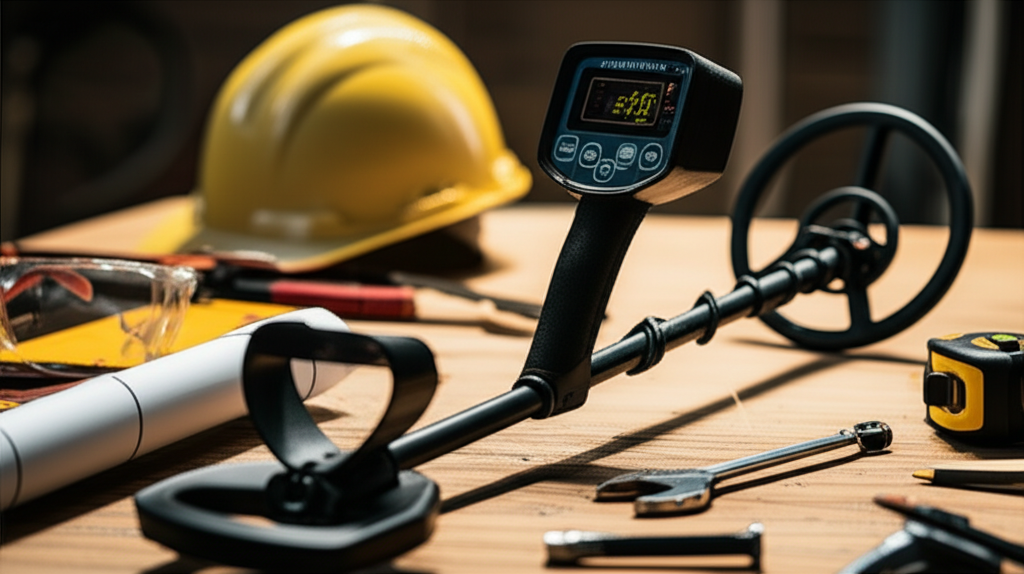
A construction metal detector is a vital tool for professionals and DIYers, quickly locating buried pipes, rebar, utility lines, and other metallic hazards on job sites, preventing dangerous accidents and costly damage.
The hum of heavy machinery, the scent of fresh concrete, the organized chaos of a building site – it’s a familiar scene. But beneath the surface, a hidden world of metallic hazards can lurk, posing significant risks to both workers and the project itself. Identifying these buried dangers before they cause an accident or derail progress is paramount. This is where the construction metal detector steps in, transforming from a niche gadget into an essential breakthrough tool for any serious builder or renovator.
The Unseen Dangers Beneath Our Feet
Construction sites are inherently dynamic environments where the earth is constantly being disturbed. Old structures are demolished, foundations are dug, and new utilities are laid. It’s not uncommon for forgotten pipes, electrical conduits, rebar remnants, or even buried debris to lie just inches below the surface. Hitting one of these with excavation equipment can lead to anything from a minor inconvenience to a major disaster, including power outages, gas leaks, or severe equipment damage.
Why a Standard Metal Detector Isn’t Enough
Many people associate metal detectors with treasure hunting or finding lost jewelry. While those are popular hobbies, the requirements for a construction environment are vastly different. Standard hobbyist detectors are often designed to pinpoint small, specific metal objects like coins or relics. They might struggle with the larger, deeper, or more varied metallic targets found on a construction site, such as thick rebar or buried steel pipes.
Introducing the Construction Metal Detector: A Specialized Solution
A construction metal detector is purpose-built for the unique challenges of the building industry. These devices are engineered to detect a wider range of metallic objects, often with greater depth capabilities and the ability to differentiate between various types of metal. They are robust, designed to withstand harsh site conditions, and crucial for safety and efficiency.
Key Features That Make Construction Metal Detectors Essential
The effectiveness of a construction metal detector hinges on a few key technological advancements and design considerations. These features set them apart and make them indispensable for site professionals. Understanding these elements will help you appreciate their value and choose the right tool for your needs.
Enhanced Depth Penetration

One of the most critical features of a construction metal detector is its ability to “see” deeper into the ground. Unlike hobby detectors that might focus on targets a few inches down, construction models are calibrated to find metallic objects that could be several feet below the surface. This is vital for identifying deep-set utility lines or buried structural elements.
Superior Target Discrimination
Construction sites often have a lot of metallic “noise” from nails, scrap metal, and other debris. A good construction metal detector can discriminate between these unwanted targets and the critical ones you need to locate, like pipes or rebar. This prevents unnecessary digging and saves valuable time.
Robust and Durable Design
The typical construction site is a tough environment. Metal detectors designed for this purpose are built to be rugged, often featuring waterproof coils and durable housings that can withstand dust, moisture, impacts, and general wear and tear. This ensures reliability even in challenging conditions.
Ease of Use and Portability
While powerful, these detectors are designed for practical application. They are typically lightweight, easily portable, and feature straightforward controls. This allows any worker, not just a specialized technician, to operate them effectively and quickly scan an area before commencing work.
How Construction Metal Detectors Work: The Science Behind the Scan
At their core, most metal detectors, including those for construction, operate on the principle of electromagnetic induction. A coil in the detector head generates an electromagnetic field. When this field encounters a metallic object, it induces eddy currents in the metal. These eddy currents, in turn, generate their own magnetic field, which is then detected by a second coil in the detector.
Different Technologies for Different Needs
There are several types of metal detection technologies, but Pulse Induction (PI) and Very Low Frequency (VLF) are most common. VLF detectors are excellent for discrimination, helping to identify different metal types. Pulse Induction detectors are generally better at depth and less affected by mineralized ground, making them suitable for challenging soil conditions often found on construction sites.
Interpreting the Signals
Modern construction metal detectors provide audible and visual cues to indicate the presence and approximate location of metal. Some have digital displays showing target depth and metal type, while others use a series of tones that change in pitch or volume. Learning to interpret these signals is key to efficient use.
Applications of Construction Metal Detectors on Site
The utility of a construction metal detector extends across numerous phases of a building project. Its ability to proactively identify hazards makes it an invaluable part of the safety and planning process.
Locating Buried Utilities
This is perhaps the most critical application. Before any digging commences, a construction metal detector can help locate buried electrical cables, gas lines, water mains, sewer pipes, and communication conduits. This prevents catastrophic damage and potential harm to workers.
Identifying Rebar and Structural Elements
In concrete work, identifying the precise location and depth of rebar or other structural steel is essential for proper reinforcement and structural integrity. A metal detector can help workers avoid accidentally cutting or damaging these crucial components.
Finding Buried Debris and Old Foundations
Demolition sites can hide remnants of previous structures, including old pipes, metal sheeting, or forgotten foundations. Detecting these before new construction begins prevents costly delays and complications.
Safety Surveys Before Drilling or Excavation
Any activity involving penetration of the ground should ideally be preceded by a metal detection survey. This is a proactive safety measure that significantly reduces the risk of accidents.
Choosing the Right Construction Metal Detector: A Field Guide
With various models on the market, selecting the best construction metal detector for your specific needs requires careful consideration. It’s not just about brand; it’s about features, intended use, and your budget.
Understanding Your Site Conditions
Are you working on a site with highly mineralized soil? Is there a lot of ferrous junk metal present? Do you need to detect targets at extreme depths? Answering these questions will help narrow down the technology and features you need.
Key Features to Look For
Depth Capability: Ensure the detector can reach the depths you anticipate needing.
Discrimination: The ability to ignore small, unwanted ferrous targets is crucial.
Waterproof Coil: Essential for working in wet conditions or near water sources.
Battery Life: Long-lasting batteries are vital for a full workday.
Ergonomics and Weight: A comfortable, lightweight design reduces fatigue during prolonged use.
Ease of Operation: Simple controls are beneficial for quick deployment by various team members.
Reputable Brands to Consider
Several manufacturers are known for producing reliable construction and utility locating equipment. Brands like Minelab, Garrett, and Fisher Research Labs offer models that are well-regarded in the industry. Exploring their specific product lines for utility locating or construction-specific detectors is a good starting point.
Budgetary Considerations
Construction metal detectors can range from a few hundred to several thousand dollars. While the initial investment might seem significant, the cost of avoiding a single major accident or repair can far outweigh the detector’s price. Prioritize safety and functionality over the lowest price tag.
Best Practices for Using Your Construction Metal Detector
Owning a construction metal detector is only half the battle; knowing how to use it effectively is the other. Following best practices will maximize its utility and ensure accurate results.
Pre-Operation Checks
Before heading to the site, ensure the detector is fully charged, the coil is securely attached, and all settings are appropriate for the expected conditions. Familiarize yourself with the manual and any specific operational quirks of your chosen model.
Systematic Scanning Patterns
To ensure comprehensive coverage, employ systematic scanning patterns. Overlapping your sweeps by about half the coil’s width is generally recommended. Move the coil at a consistent height and speed, parallel to the ground.
Understanding Signal Interpretation
Take the time to learn what different signals mean for your specific detector. Practice with known metallic objects buried at various depths and orientations to build your understanding of how the detector responds.
Verification and Marking
When a target is detected, don’t just mark it and move on. Verify the signal by sweeping from different directions and at different angles. Once confirmed, clearly mark the location and approximate size/depth of the metallic object for the excavation crew.
Collaboration with Site Crews
Effective communication between the person operating the detector and the excavation crew is vital. Ensure the crew understands the markings and the importance of the detected targets.
Beyond the Basics: Advanced Techniques and Accessories
For those who need even more precise or specialized detection capabilities, there are advanced techniques and accessories available. These can further enhance the performance of your construction metal detector.
Ground Balancing
Most VLF metal detectors allow for ground balancing. This process tunes the detector to ignore the mineral content of the soil, improving sensitivity to metallic targets. For construction sites with varying soil types, learning to ground balance effectively is key.
Different Coil Sizes and Shapes
While detectors often come with a standard coil, different sizes and shapes can be advantageous. Larger coils generally offer greater depth but can be less sensitive to small targets. Smaller coils are more sensitive but have less depth. Specialized coils might be available for extreme depth or pinpointing.
Pinpointers for Precision
Once a large target area is identified, a handheld pinpointer is invaluable for precisely locating the edges of the buried metal. These small, highly sensitive detectors help avoid unnecessary digging and damage to the target.
The Legal and Safety Imperative of Using Metal Detectors
In many jurisdictions, regulations require utility locating before any excavation begins. Using a construction metal detector is not just a good practice; it’s often a legal requirement. Failure to do so can result in significant fines, liability for damages, and even criminal charges in severe cases.
Preventing “Strike” Incidents
A “strike” occurs when excavation equipment accidentally hits an underground utility line. These incidents can cause widespread service disruptions, environmental damage, and severe injuries or fatalities. A construction metal detector is a primary tool in preventing such events.
Insurance and Liability
Many insurance policies for construction projects may require evidence of due diligence in hazard identification. Using a metal detector demonstrates a commitment to safety that can be crucial in the event of an incident.
The Future of Construction Metal Detection
The technology behind metal detection is continuously advancing. We can expect future construction metal detectors to offer even greater depth, more sophisticated discrimination capabilities, and improved integration with other site surveying technologies like GPS and ground-penetrating radar (GPR).
AI and Machine Learning Integration
Artificial intelligence could play a role in interpreting complex signals, automatically differentiating between various types of buried metallic infrastructure, and predicting potential hazards with higher accuracy.
Enhanced Connectivity and Data Logging
Future devices might offer seamless data logging and integration with Building Information Modeling (BIM) systems, providing a comprehensive digital record of buried metallic assets.
Frequently Asked Questions About Construction Metal Detectors
Q1: Can I use my hobby metal detector for construction site work?
While some hobby detectors might detect shallow targets, they are generally not designed for the depth and discrimination needed for construction sites. Specialized construction metal detectors are far more effective and safer for professional use.
Q2: How deep can a construction metal detector find metal?
Depth capabilities vary significantly by model and technology. High-end professional units can detect metallic objects several feet below the surface, which is crucial for locating buried utility lines.
Q3: What is the difference between VLF and Pulse Induction (PI) detectors for construction?
VLF detectors are generally better at discriminating between different types of metal and ignoring ferrous junk. PI detectors typically offer greater depth and are less affected by mineralized soil, making them ideal for challenging environments.
Q4: Do I need special training to operate a construction metal detector?
While many are user-friendly, understanding the specific signals and limitations of your model is important. Basic training on systematic scanning and signal interpretation is highly recommended for optimal results and safety.
Q5: How do I mark the location of a detected utility line?
Once a target is confirmed, use spray paint, flags, or stakes to clearly mark the location and indicate the approximate size and depth of the metallic object. Always follow your site’s specific marking protocols.
Q6: What if I detect multiple signals in one area?
This often indicates a cluster of metallic objects, such as a junction box or multiple pipes. Careful sweeping from different directions and using a pinpointer will help delineate individual targets.
Q7: Are construction metal detectors waterproof?
The coils on most construction metal detectors are waterproof, allowing them to be used in wet conditions or even submerged. However, the control box is usually water-resistant rather than fully waterproof, so care should be taken to protect it from heavy rain or submersion.
Conclusion: The Indispensable Tool for a Safer Site
In the demanding world of construction, overlooking potential hazards beneath the surface can lead to disastrous consequences. The construction metal detector has emerged not just as a useful gadget, but as an essential breakthrough tool that prioritizes safety, efficiency, and project integrity. Its ability to accurately locate buried metallic objects before excavation begins is a critical step in preventing accidents, avoiding costly repairs, and ensuring compliance with safety regulations. Investing in a quality construction metal detector is an investment in peace of mind and the success of your project.
