


Published on: October 6, 2025 | Updated on: October 6, 2025
The cost of security metal detectors varies widely, from a few hundred dollars for basic models to several thousand for advanced systems, but the investment often proves essential and offers a proven return on investment (ROI) through enhanced safety and loss prevention.
This guide will break down the real costs associated with security metal detectors and demonstrate why they are a crucial investment for various settings. Many business owners and security managers grapple with the initial outlay for these devices, wondering if they truly justify the expense. I’ve spent years in the field, not just with treasure hunting detectors, but understanding the critical role security metal detection plays in safeguarding people and assets. We’ll explore the factors influencing the price, the tangible benefits, and how to ensure you get the best value for your money, ultimately proving their essential nature and proven ROI.
Understanding the True Cost of Security Metal Detectors
When we talk about the “cost of security metal detectors,” it’s not just about the sticker price. It’s a comprehensive look at the financial commitment, including initial purchase, installation, maintenance, and potential training. Security metal detectors are designed to detect metallic threats, ranging from concealed weapons to stolen goods, making them vital for protecting public spaces, private businesses, and sensitive areas. The investment you make directly correlates with the level of security you achieve and the potential losses you prevent.
Factors Influencing Security Metal Detector Prices

The price tag on a security metal detector isn’t arbitrary; several key factors contribute to its final cost. Understanding these will help you budget effectively and choose a system that fits your specific needs and financial constraints. These detectors are engineered with varying levels of sophistication and durability.
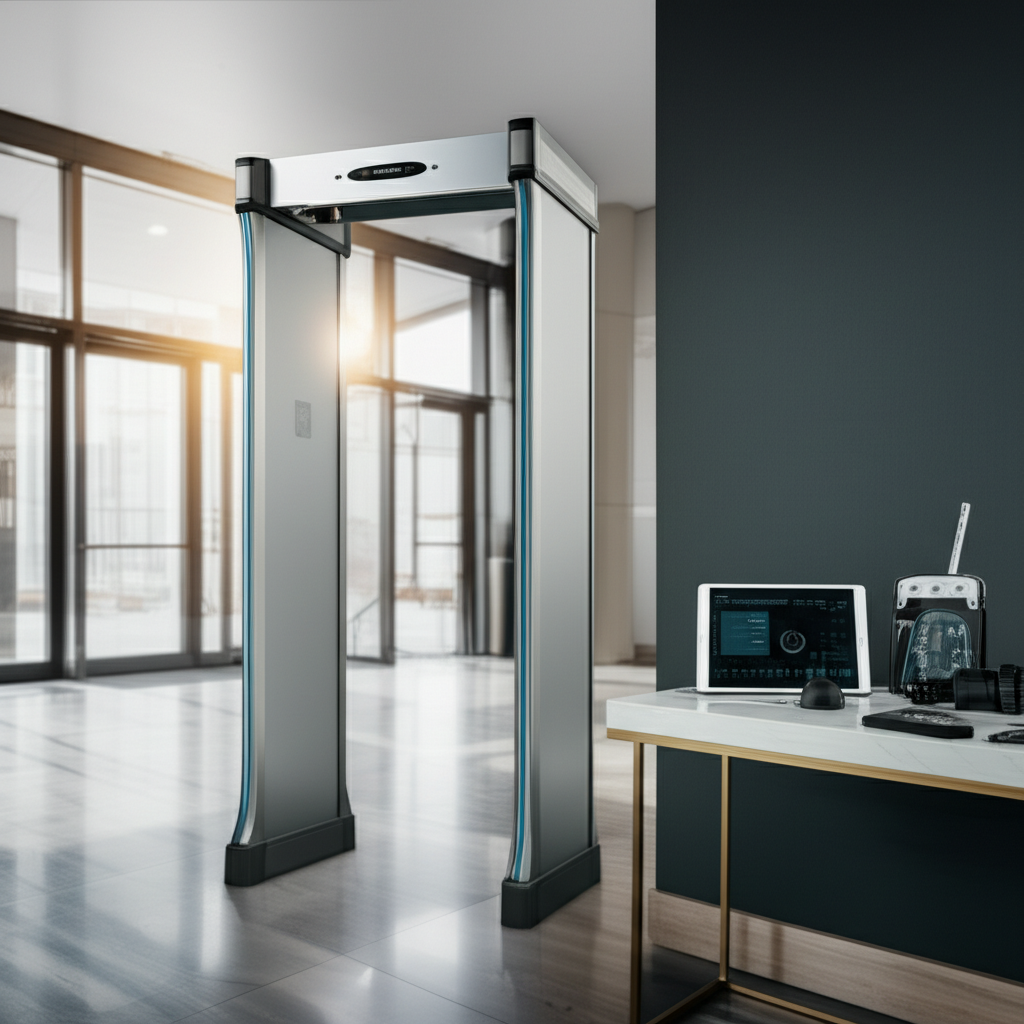
Type of Detector: Walk-through metal detectors (WTMDs) are typically more expensive than handheld models due to their size and advanced sensing capabilities.
Brand and Manufacturer: Reputable brands with a history of reliability and innovation often command higher prices.
Features and Technology: Advanced features like multi-zone detection, programmable sensitivity, automatic calibration, and network connectivity will increase the cost.
Durability and Construction: Detectors built for harsh environments or high-traffic areas will use more robust materials, impacting the price.
Customization and Integration: If you need custom configurations or integration with existing security systems, this adds to the overall expense.
Warranty and Support: Longer warranties and comprehensive support packages are often bundled into higher-priced models.
The price range can be quite broad, but knowing these variables helps in making an informed decision. This understanding is key to seeing the value beyond the initial purchase.
The Price Spectrum: From Basic to Advanced
The “cost of security metal detectors” spans a considerable range, reflecting the diverse applications and technological advancements available. Whether you need a simple solution for a small shop or a sophisticated system for a large venue, there’s a detector to fit. I’ve seen firsthand how different models perform in various scenarios, and the price often aligns with their capabilities.
Entry-Level Security Metal Detectors
For smaller businesses or those with a tighter budget, entry-level security metal detectors offer a cost-effective way to enhance security. These units provide essential threat detection capabilities without the bells and whistles of high-end models. They are typically less sensitive and may have fewer detection zones but are still effective for general screening.
Typical Price Range: $500 – $2,000
Key Features: Basic metal detection, single sensitivity setting, audible and visual alarms.
Best For: Small retail stores, event entrances with moderate traffic, basic screening needs.
These detectors provide a solid foundation for security, acting as a visible deterrent and a functional screening tool. They are a great starting point for many organizations looking to improve their safety measures.
Mid-Range Security Metal Detectors
Stepping up, mid-range security metal detectors offer a balance of advanced features and affordability. These models often provide greater sensitivity, multiple detection zones, and improved discrimination capabilities, allowing for more precise screening. They are suitable for a wider array of applications where enhanced security is needed.
Typical Price Range: $2,000 – $5,000
Key Features: Multi-zone detection, programmable sensitivity, digital displays, improved target identification, potential for network connectivity.
Best For: Medium-sized businesses, schools, public transportation hubs, medium-security events.
Investing in this range often means gaining a significant upgrade in threat detection accuracy and operational efficiency. They offer a robust solution for many common security challenges.
High-End and Specialized Security Metal Detectors
At the top of the spectrum are high-end and specialized security metal detectors. These are built for demanding environments and require the highest levels of security, such as airports, government buildings, and correctional facilities. They feature cutting-edge technology, exceptional durability, and advanced capabilities for precise threat identification and reporting.
Typical Price Range: $5,000 – $15,000+
Key Features: Advanced multi-zone detection with pinpoint accuracy, superior discrimination against interference, AI-powered threat analysis, biometric integration, ruggedized construction, remote management capabilities.
Best For: High-security facilities, airports, critical infrastructure, large-scale event venues, areas with stringent regulatory requirements.
These sophisticated systems represent the pinnacle of security screening technology, offering unparalleled protection and operational control. The cost reflects their advanced engineering and critical role in safeguarding high-risk environments.
Beyond the Purchase Price: Additional Costs to Consider
When evaluating the “cost of security metal detectors,” it’s crucial to look beyond the initial purchase price. Several ongoing or one-time additional costs can impact your overall budget. These factors ensure your detector remains operational and effective over its lifespan.
Installation and Setup
Many security metal detectors, especially walk-through units, require professional installation. This ensures they are properly calibrated, secured, and integrated into your existing infrastructure. The complexity of the installation and the need for electrical work or structural modifications will influence this cost.
Factors: Site assessment, electrical work, mounting hardware, calibration services.
Estimated Cost: $200 – $1,000+ (depending on complexity).
Proper installation is paramount for optimal performance and safety. It’s an investment in ensuring the detector functions as intended from day one.
Maintenance and Calibration
Like any sophisticated equipment, security metal detectors require regular maintenance and periodic calibration to ensure accuracy and reliability. This includes cleaning, checking for wear and tear, and recalibrating sensitivity settings. Many manufacturers offer service contracts that cover these aspects.
Factors: Routine checks, software updates, recalibration frequency, technician fees.
Estimated Cost: $100 – $500 per year (or as part of a service contract).
Consistent maintenance prevents performance degradation and costly emergency repairs. It’s a proactive measure that safeguards your investment.
Training and Operation
Ensuring your security personnel are properly trained to operate the metal detector and respond to alarms is essential. This includes understanding different alarm signals, proper screening procedures, and de-escalation techniques. The cost can include training materials, instructor fees, or time spent by staff in training sessions.
Factors: Initial training sessions, refresher courses, operational manuals.
Estimated Cost: $50 – $500 per operator (can be a one-time or recurring cost).
Well-trained staff are crucial for effective security screening. They ensure the detector is used to its full potential and that responses to alerts are appropriate.
Software Updates and Upgrades
For detectors with advanced digital features or network capabilities, software updates may be necessary to maintain optimal performance, security, and compatibility. In some cases, significant technological advancements might warrant an upgrade to a newer model to stay current with security standards.
Factors: Firmware updates, software patches, potential hardware upgrades.
Estimated Cost: Variable, often included in service contracts or a one-time fee for major upgrades.
Staying current with software ensures your detector benefits from the latest security enhancements and bug fixes. It’s a way to keep your system performing at its peak.
Essential ROI: Why Security Metal Detectors Are Worth the Cost
The “cost of security metal detectors” is often quickly offset by their proven return on investment (ROI). This ROI isn’t just financial; it encompasses enhanced safety, loss prevention, and operational efficiency. I’ve seen businesses that invested in these systems experience significant improvements in security and a reduction in incidents.
Enhanced Safety and Threat Prevention
The primary benefit of security metal detectors is their ability to detect concealed weapons and dangerous metallic objects. This capability is invaluable for preventing violent incidents, protecting lives, and creating a safer environment for employees, customers, and the public. The cost of preventing a single violent event far outweighs the detector’s price.
Impact: Reduced risk of active shooter incidents, fewer assaults, safer workplaces and public spaces.
ROI: Invaluable in terms of lives saved and averted trauma.
The peace of mind that comes with knowing you have a robust system in place to detect threats is immeasurable. This proactive security measure is fundamental.
Loss Prevention and Asset Protection
Beyond overt threats, security metal detectors play a crucial role in loss prevention. They can detect employees attempting to smuggle out valuable items or stolen goods, thereby reducing shrinkage and protecting company assets. This directly impacts the bottom line by minimizing financial losses.
Impact: Reduced theft of merchandise, raw materials, or sensitive equipment.
ROI: Direct financial savings through reduced shrinkage, often quantifiable.
Many retailers find that the cost savings from reduced theft alone justify the investment in screening technology. It’s a tangible financial benefit.
Deterrence Factor
The mere presence of a security metal detector acts as a powerful deterrent to individuals intending to cause harm or steal. Potential offenders are less likely to attempt illicit activities when they know they are likely to be detected. This psychological impact contributes significantly to overall security.
Impact: Discourages potential offenders, reduces attempted incidents.
ROI: Proactive prevention that avoids costly incidents and investigations.
A visible security presence can significantly alter the behavior of individuals within a given space. This deterrent effect is a critical, albeit sometimes intangible, benefit.
Compliance and Regulatory Requirements
In certain industries and locations, the use of security metal detectors is mandated by law or regulatory bodies. Investing in these detectors ensures compliance, avoiding potential fines, legal liabilities, and operational shutdowns. Meeting these requirements is essential for maintaining business operations.
Impact: Avoidance of fines, legal penalties, and business disruption.
ROI: Financial savings by preventing penalties and ensuring continuous operation.
For businesses in regulated sectors, compliance isn’t just a recommendation; it’s a necessity. Metal detectors are often a key component of meeting these obligations.
Improved Operational Efficiency
Modern security metal detectors can be integrated with other security systems, such as access control and CCTV, to provide a comprehensive security solution. This integration can streamline security operations, reduce the need for extensive manual checks, and allow security personnel to focus on higher-level tasks.
Impact: Streamlined security processes, better resource allocation for security staff.
ROI: Increased efficiency and productivity of security teams.
By automating certain aspects of screening, security personnel can be redeployed to more critical roles, enhancing overall operational effectiveness. This leads to better use of human resources.
Choosing the Right Security Metal Detector: A Practical Guide
Selecting the appropriate security metal detector requires careful consideration of your specific needs and environment. The “cost of security metal detectors” should align with the level of security required and the potential risks you face. I always advise people to assess their situation thoroughly before making a purchase.
Step 1: Assess Your Security Needs
The first step is to thoroughly evaluate the risks and threats your organization faces. Consider the type of facility, the volume of people passing through, the nature of your business, and any past security incidents. This assessment will guide the type and sophistication of the detector you need.
Questions to Ask: What are we trying to protect? Who are we protecting against? What is the typical throughput of people? Are there specific items we are concerned about?
A clear understanding of your vulnerabilities is the foundation for selecting the right technology. It prevents overspending on unnecessary features or underspending on critical ones.
Step 2: Determine Your Budget
Establish a realistic budget that accounts for the initial purchase price as well as ongoing operational costs like installation, maintenance, and training. Remember that the cheapest option is rarely the best when it comes to security. Consider the long-term ROI rather than just the upfront expense.
Budgeting Tips: Include a contingency for unforeseen costs. Explore financing options if necessary.
Balancing cost with capability is key to making a sound investment in security. Your budget should reflect the importance of the security function.
Step 3: Research Brands and Models
Once you have a clear idea of your needs and budget, research reputable brands and specific models that fit your criteria. Read reviews, consult with security professionals, and request demonstrations if possible. Look for detectors that offer the features you need without unnecessary complexity.
Key Considerations: Manufacturer reputation, warranty, customer support, ease of use, specific detection capabilities.
Choosing a well-established brand often means better reliability and support. This research phase is critical for avoiding costly mistakes.
Step 4: Evaluate Features and Specifications
Compare the features and technical specifications of different detectors. Pay attention to sensitivity levels, detection zones, discrimination capabilities, alarm types, and power sources. Ensure the detector meets any specific regulatory or compliance requirements you may have.
Important Specifications: Sensitivity range, number of detection zones, target identification accuracy, operating temperature, power requirements.
Understanding the technical aspects ensures the detector will perform effectively in your environment. It’s about matching technology to your operational needs.
Step 5: Consider Installation and Support
Factor in the ease of installation and the availability of ongoing support and maintenance services. A detector that is difficult to install or lacks reliable support can become a liability rather than an asset. Professional installation and service contracts can provide peace of mind.
Support Options: Manufacturer warranties, authorized service centers, training programs, availability of spare parts.
Long-term support is as important as the initial purchase. It ensures your security system remains operational and effective over time.
Security Metal Detectors vs. Other Screening Methods: A Comparative Look
When considering the “cost of security metal detectors,” it’s helpful to compare them with alternative screening methods to understand their unique value proposition. While other technologies exist, metal detectors offer a specific, proven approach to identifying metallic threats.
| Method | Primary Function | Pros | Cons | Cost Considerations |
| :————————- | :———————————————- | :———————————————————————— | :—————————————————————————– | :————————————————————————————————————– |
| Security Metal Detector | Detects metallic objects (weapons, contraband) | Effective for metals, visible deterrent, relatively fast screening | Limited to metallic items, can be triggered by non-threats (e.g., keys) | Initial purchase, installation, maintenance, training. ROI from threat prevention and loss reduction. |
| X-ray Scanners | Images the contents of bags and packages | Detects non-metallic items, contraband, explosives, provides detailed view | Slower throughput, requires trained operators, privacy concerns for personal items | Higher initial cost, ongoing maintenance, operator training, larger space requirements. |
| Explosive Trace Detectors| Detects trace amounts of explosive materials | Highly sensitive to specific threats, portable options available | Limited to explosives, requires consumables, operator skill needed for accuracy | Moderate to high initial cost, recurring costs for consumables, specialized training. |
| Body Scanners (Millimeter Wave/Backscatter) | Creates detailed images of the human body | Detects concealed items (metallic and non-metallic) on the body | High initial cost, privacy concerns, slower than metal detectors for large crowds | Very high initial purchase and installation costs, extensive training, significant space requirements. |
| Manual Pat-Downs | Physical search of individuals | Can detect non-metallic items, adaptable | Time-consuming, labor-intensive, potential for human error, privacy issues | High ongoing labor costs, requires trained personnel, can be intrusive, limited scalability. |
Metal detectors excel at their specific task: identifying metallic threats quickly and efficiently. While other methods cover different types of threats, the cost-effectiveness and direct threat detection capability of metal detectors make them an essential part of a layered security approach. Their ROI is often tied to preventing incidents that other methods might miss or are not designed to detect.
Maximizing Your Investment: Getting the Best ROI
To ensure the “cost of security metal detectors” yields the best possible return, consider these strategies for maximizing their effectiveness and longevity. It’s not just about buying the detector, but how you implement and manage it.
Implement a Layered Security Approach
Metal detectors are most effective when used as part of a broader security strategy. Combine them with other measures like surveillance cameras, access control systems, and trained security personnel. This layered approach provides comprehensive protection against a wider range of threats.
Strategy: Integrate metal detector screening with CCTV monitoring and access control logs.
Benefit: Creates a robust security net that addresses multiple threat vectors.
No single security tool is foolproof. A combination of methods offers the strongest defense.
Train Your Staff Thoroughly
Invest in comprehensive training for all personnel involved in operating the metal detector and responding to alarms. Proper training ensures consistent application of screening protocols, accurate interpretation of signals, and effective, de-escalated responses to detected threats. Well-trained staff are your first line of defense.
Training Focus: Standard operating procedures, alarm response, customer interaction, sensitivity adjustments.
Benefit: Improves accuracy, reduces false alarms, and enhances the overall security operation.
Effective training empowers your team to use the technology to its fullest potential. It’s an investment in human capital that directly impacts security outcomes.
Regular Maintenance and Calibration
Adhere strictly to the manufacturer’s recommended maintenance schedule. Regular cleaning, inspections, and calibration ensure the detector maintains its accuracy and reliability. This proactive approach prevents costly downtime and ensures you can always depend on the equipment.
Schedule: Follow manufacturer guidelines for daily checks, monthly inspections, and annual calibration.
Benefit: Ensures consistent performance, extends equipment lifespan, and minimizes unexpected failures.
Consistent upkeep is key to the long-term performance and reliability of any sophisticated equipment. It’s a small cost that prevents large problems.
Utilize Advanced Features Wisely
If your detector has advanced features like multi-zone indication, programmable settings, or network connectivity, ensure you are utilizing them to their full potential. These features can significantly improve screening efficiency and provide valuable data for security analysis. Understanding and using these capabilities enhances the ROI.
Feature Utilization: Program sensitivity for specific threats, use zone indicators for faster pinpointing, leverage data logging for trend analysis.
Benefit: Increases screening accuracy, speeds up the process, and provides insights for security planning.
Leveraging the full capabilities of your equipment maximizes its value and effectiveness. Don’t let advanced features go unused.
Review and Update Security Protocols
Periodically review your security protocols and the effectiveness of your metal detection system. As threats evolve and your operational needs change, you may need to adjust sensitivity settings, update screening procedures, or even consider upgrading your equipment. Continuous improvement is vital.
Review Process: Analyze incident reports, gather feedback from staff, assess new threat intelligence.
Benefit: Keeps your security measures current and effective against evolving threats.
Security is not static; it requires ongoing adaptation and refinement. Regular reviews ensure your defenses remain robust.
Frequently Asked Questions About Security Metal Detectors
Here are some common questions about the cost and ROI of security metal detectors, answered from a practical, field-tested perspective.
What is the average lifespan of a security metal detector?
The average lifespan of a quality security metal detector is typically between 7 to 10 years, though this can vary significantly based on the build quality, frequency of use, maintenance practices, and environmental conditions. Higher-end models built with more robust materials tend to last longer. Regular maintenance and proper care are crucial for extending the operational life of any detector.
Can I install a security metal detector myself, or do I need a professional?
While some basic handheld detectors might be plug-and-play, most walk-through security metal detectors require professional installation. This ensures proper calibration, secure mounting, and integration with your power supply and potentially other security systems. Incorrect installation can lead to inaccurate readings, system malfunctions, and even safety hazards.
How often do security metal detectors need to be recalibrated?
The frequency of recalibration depends on the manufacturer’s recommendations and the operating environment. Typically, detectors should be recalibrated at least annually, or more often if they are moved, subjected to significant temperature changes, or if performance seems to degrade. Some advanced systems can self-calibrate or indicate when recalibration is needed.
Are there hidden costs associated with security metal detectors beyond the purchase price?
Yes, as discussed, potential hidden costs include professional installation, ongoing maintenance and calibration, software updates, training for operators, and potential repair costs outside of warranty. It’s essential to factor these into your total cost of ownership when budgeting for a security metal detector.
How do I prove the ROI of a security metal detector to my superiors?
To prove ROI, focus on quantifiable benefits. Track incidents of weapon detection, quantify instances of theft prevention directly attributable to the detector, and calculate potential costs saved by avoiding security breaches or regulatory fines. Also, highlight the intangible benefits like increased safety, improved public perception, and peace of mind for staff and customers.
Can security metal detectors be affected by external interference?
Yes, security metal detectors can be affected by external electromagnetic interference from nearby electrical equipment, large metal objects, or even other detectors operating on similar frequencies. Reputable detectors have features to mitigate interference, and proper installation away from sources of strong interference is crucial. Understanding your environment helps in selecting a detector that can handle potential interference.
Conclusion: An Essential Investment for Modern Security
The “cost of security metal detectors” is a critical consideration for any organization prioritizing safety and asset protection. While the initial investment can range from a few hundred to many thousands of dollars, the proven ROI makes them an essential component of modern security infrastructure. From preventing violent incidents and deterring crime to safeguarding valuable assets and ensuring regulatory compliance, the benefits far outweigh the expenditure.
I’ve seen firsthand how these devices, when chosen wisely and implemented effectively, provide an invaluable layer of security. By understanding the factors influencing price, considering all associated costs, and focusing on maximizing their operational effectiveness through proper training and maintenance, you can ensure that your investment in a security metal detector delivers robust protection and significant returns. They are not merely an expense, but a vital investment in the well-being of people and the security of your operations.
