


Published on: October 9, 2025 | Updated on: October 9, 2025
Do Credit Cards Set Off Metal Detectors: Essential Hidden Truth
No, standard credit cards do not set off typical metal detectors. While they contain metal, it’s usually a very small amount that most detectors aren’t sensitive enough to register, especially at typical detection depths.
Finding out what makes your metal detector beep can be tricky. Sometimes it’s treasure, and sometimes it’s just junk. A common question is whether everyday items, like credit cards, can cause a signal. It’s frustrating when you dig and find something disappointing. This guide will explain exactly why credit cards usually don’t trigger your detector and what does make them beep. Let’s get to the bottom of this hidden truth so you can focus on finding real treasures.
Why the Confusion About Credit Cards and Metal Detectors?
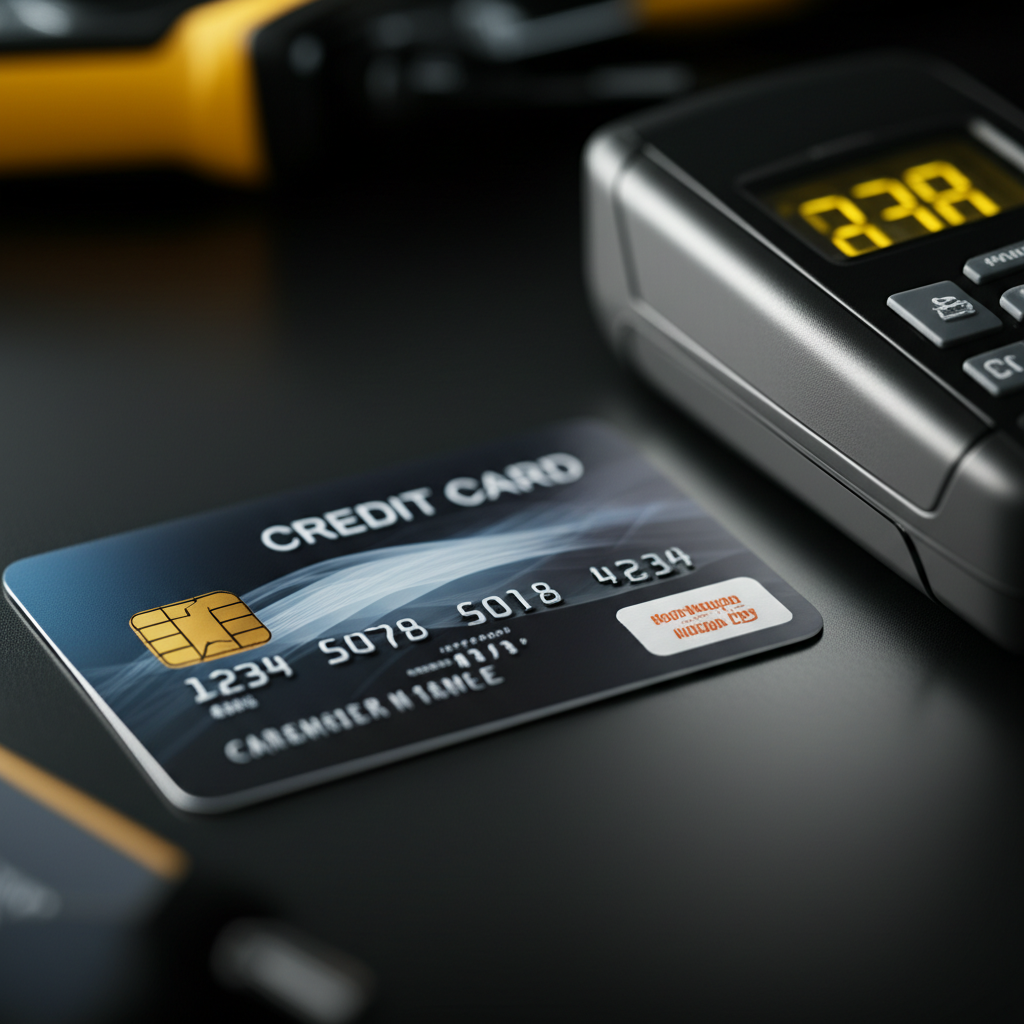
Many people wonder if their wallet contents might be setting off their metal detector. This confusion often comes from seeing metal in a credit card. Cards have a magnetic stripe and sometimes a chip. These parts, along with the card itself, do contain some metal. However, the amount of metal is very small. Most standard metal detectors are designed to find larger metal objects. Think coins, jewelry, or relics buried deeper in the ground.
The Science Behind Credit Cards and Detection
Metal detectors work by sending out an electromagnetic field. When this field hits metal, it creates a reaction. This reaction is what makes your detector signal. Credit cards have very little metal. The plastic is the main part of the card. The metal in the chip or stripe is tiny. It’s not enough to create a strong enough reaction for most detectors to pick up. Unless you have a very sensitive detector set to its highest setting, a credit card in your pocket won’t cause a beep.
What Makes a Metal Detector Actually Go Off?
Metal detectors are tuned to specific frequencies and sensitivities. They react to the conductivity and size of a metal object. Larger items with more metal content create a stronger signal. Things like old coins, gold rings, iron nails, and even buried cans will easily trigger a detector. These items have enough metallic mass to disrupt the detector’s electromagnetic field significantly. The depth of the object also plays a big role.
Credit Cards: Too Small, Too Little Metal
Let’s be clear: standard credit cards are not designed to set off metal detectors. The metal components are minimal. They are often just thin wires or a small chip. Compared to a coin or a piece of jewelry, the amount of metal is insignificant. Most hobbyist and even professional detectors are calibrated to ignore such small metallic traces. This is why you don’t get constant beeps when walking around with your wallet.
What About Those Special “Metal” Credit Cards?
You might have heard about fancy credit cards made of metal, like those from American Express or some premium banks. These are different from your everyday plastic cards. These metal cards are indeed made of significant amounts of metal, like titanium or stainless steel. If you were to place one of these metal cards near a sensitive metal detector, it’s highly probable that it would cause a signal. This is because they contain a much larger metallic mass.
How Your Metal Detector Works: A Simple Explanation
Imagine your metal detector is like a radio. It sends out a signal. When this signal hits metal, it bounces back differently. The detector listens for this bounce. The stronger the bounce, the louder the beep. Small metal items like credit card chips don’t make a big enough bounce. Larger items like an old silver dollar make a very strong bounce. Your detector is set to hear only the strong bounces.
Factors That Influence Detection
Several things affect whether an object will be detected. The size of the metal object is key. A bigger object means a stronger signal. The type of metal matters too. Gold, silver, and copper are good conductors and signal well. Iron is also detected but can sometimes give a different tone. The depth of the object underground is crucial. The deeper it is, the harder it is to detect. The detector’s sensitivity setting is also important.
When Might a Credit Card Seem to Trigger a Detector?
Sometimes, it might feel like a credit card caused a beep. This is usually a misunderstanding. The beep you heard was likely from something else nearby. Perhaps a coin in your pocket, a metal zipper on your pants, or even a metal button. Many people carry multiple cards. If one of them is a metal card, that could be the culprit. It’s rarely the plastic card itself.
Testing It Yourself: A Simple Field Experiment
To truly understand, you can do a simple test. Take a common plastic credit card and place it on the ground. Sweep your metal detector over it at a normal height. You will likely hear nothing. Now, place a coin on the ground and sweep over it. You will hear a clear signal. This difference shows the sensitivity needed to detect different objects. Try this with a metal card if you have one to see the contrast.
Maximizing Your Finds: What to Look For
Focus your efforts on targets that are known to be valuable or interesting. Old coins, pieces of jewelry, and historical relics are common targets for detectorists. Understanding your detector’s signals is key. Learn the difference between a target that might be iron trash and one that could be a coin or gold. Pinpointers are also essential tools. They help you pinpoint the exact location of a target in the dirt plug, saving you time and effort.
Frequently Asked Questions
Will my metal credit card set off a metal detector?

Yes, a credit card made of metal, like titanium or stainless steel, will likely set off a metal detector. These cards have enough metal content to be detected.
Can a regular plastic credit card be detected?
No, a standard plastic credit card contains very little metal. Most metal detectors are not sensitive enough to pick up such a small amount.
Why do metal detectors beep?
Metal detectors beep when their electromagnetic field interacts with a metal object. The metal object causes a change in the field that the detector senses.
What kind of metal objects do detectors find?
Detectors are good at finding coins, jewelry, relics, and other objects made of metals like gold, silver, copper, and iron.
Is it possible to detect a credit card chip?
It is highly unlikely. The metal in a credit card chip is extremely small. Most detectors are not designed to find such tiny metallic components.
How can I avoid digging up junk?
Learn to interpret your detector’s signals. Many detectors have discrimination settings to help ignore iron trash. Using a pinpointer also helps you identify targets before digging too deep.
Conclusion: Credit Cards Are Not Treasure Signals
So, to answer the question directly: do credit cards set off metal detectors? Generally, no. Your everyday plastic credit cards are not made of enough metal to trigger your detector. The hidden truth is that they are mostly plastic. The tiny bits of metal in them are simply not enough to create a detectable signal for most machines. Only special metal credit cards are likely to cause a beep. This understanding is crucial for any detectorist. It helps you avoid confusion and focus on finding the real treasures hidden beneath the surface. Happy hunting!
