


Published on: October 10, 2025 | Updated on: October 10, 2025
Yes, most modern metal detectors can work in the rain, but you need to take precautions. Understanding your detector’s waterproofing and taking extra steps to protect its electronics will ensure successful detecting sessions, even in wet weather. This guide covers what you need to know.
Do Metal Detectors Work In The Rain: Your Essential Guide
It’s a common question for many treasure hunters: can I go detecting when it’s raining? The thought of getting your gear wet can be worrying. Many detectorists have asked themselves, “do metal detectors work in the rain?” You might be tempted to pack up your metal detector and wait for sunny days. But with a little knowledge and some simple gear, you can keep swinging even when the skies open up. This guide will walk you through everything you need to know about using your metal detector in wet conditions. We’ll cover how rain affects detecting and what you can do to protect your equipment.
Understanding Metal Detector Waterproofing
Metal detectors are not all built the same. Some are fully waterproof. Others are only water-resistant. This is a big difference. Fully waterproof detectors can be submerged in water. Water-resistant detectors can handle light rain or splashes. They usually cannot go underwater. Always check your detector’s manual. It will tell you how waterproof it is. This information is crucial for knowing if you can use it in the rain. Knowing your detector’s limits is the first step to safe detecting in wet weather.
Coil Waterproofing

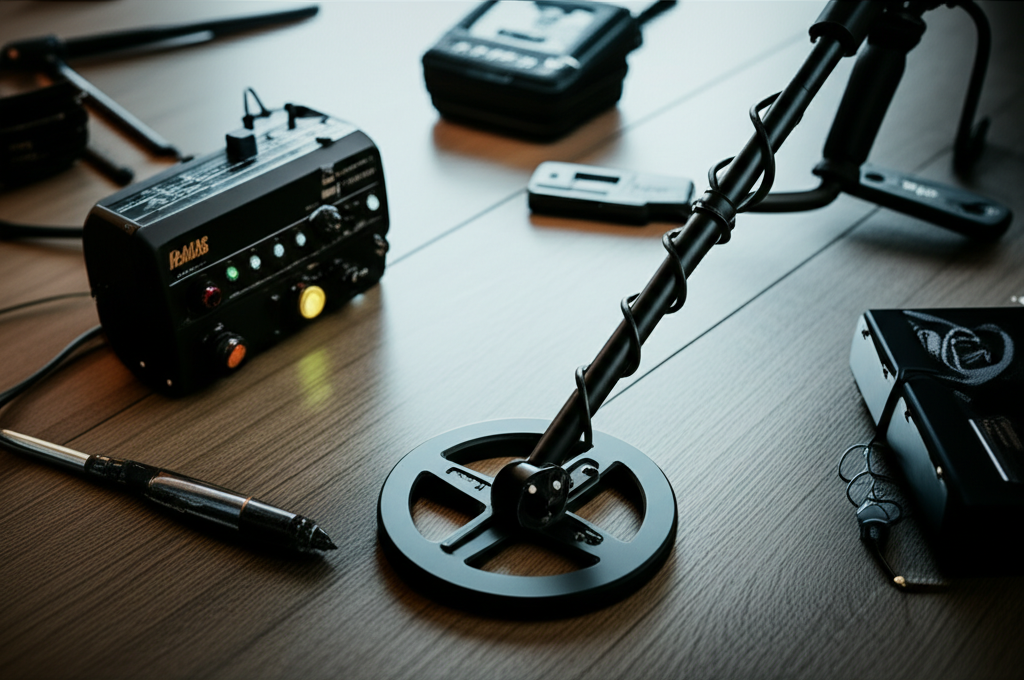
The coil is the part that sits on the ground. Most metal detector coils are waterproof. This is because they are designed to go underwater. They are sealed to keep water out. So, the coil itself is usually safe in the rain. The main concern is the control box and the shaft. The coil is where the magic happens, sending out and receiving signals. Its ability to handle moisture is a given for most models.
Control Box Vulnerability
The control box is the brain of your metal detector. It houses all the electronics. This is the part that is most sensitive to water. Many control boxes are not waterproof. They might be water-resistant, meaning they can handle a little spray. But they are not meant to be soaked. Water can damage the internal components. This can lead to malfunction or complete failure. Protecting the control box is your top priority when it rains.
Can You Metal Detect In Light Rain?
Yes, you can often metal detect in light rain. Most detectors are designed to withstand some moisture. You just need to be careful. Light rain means a gentle shower. It’s not a downpour. If your detector is water-resistant, it should be fine. The coil is almost certainly waterproof. The control box is the main thing to worry about. Keep it as dry as possible. Avoid tilting the detector so rain runs down the shaft towards the box. Gentle rain usually poses little risk if you are mindful.
Using Your Metal Detector In Heavy Rain
Heavy rain is a different story. A downpour can overwhelm water-resistant gear. If your detector is not fully waterproof, heavy rain is risky. You could damage the control box. This can lead to expensive repairs. Even fully waterproof detectors need care in heavy rain. Electronics can still fail. Always check the manufacturer’s guidelines. They know their product best. Heavy rain demands extra protection for your equipment.
Fully Waterproof Detectors: The Best Option
If you plan to detect in all weather, a fully waterproof metal detector is ideal. These machines are built for submersion. You can use them in rivers, lakes, and the sea. They are also perfect for rainy days. The entire unit, including the control box, is sealed against water. This gives you peace of mind. You don’t have to worry as much about the weather. These are the ultimate detectors for wet conditions.
Protecting Your Metal Detector From Rain
Even if your detector is not fully waterproof, you can still use it in the rain. You just need to take extra steps. These steps will keep the sensitive parts dry. They will help prevent damage. Protecting your gear ensures longer life and fewer worries. Here’s how you can do it:
1. Use a Rain Cover
A rain cover is a simple but effective solution. You can buy specific rain covers for metal detectors. These are usually made of clear plastic. They fit snugly over the control box. This keeps rain and mud off the sensitive electronics. Some covers also have a plastic screen protector. This allows you to see and use the buttons. A good rain cover is an essential accessory for detecting in damp weather.
2. Improvise with Household Items
Don’t have a rain cover? You can improvise. A plastic grocery bag can work in a pinch. Cut a hole for the shaft and the control panel. Secure it with tape or a rubber band. A shower cap can also be a good fit for the control box. While not as professional as a dedicated cover, these methods can offer temporary protection. They are better than nothing when caught in unexpected showers.
3. Waterproofing Tape
Waterproof tape, like duct tape, can be used to seal potential entry points. You can tape around the edges of the control box cover. This helps prevent water from seeping in. Be careful not to cover buttons or the screen too much. You need to be able to operate the detector. This is a good backup method for added security.
4. Keep the Control Box Upright
Try to keep the control box as upright as possible. When you tilt the detector, rain can run down the shaft. This water can then drip onto the control box. Keeping it vertical minimizes this risk. This is especially important if you don’t have a rain cover. Simple handling techniques can make a big difference.
How Rain Affects Metal Detecting
Rain can actually improve your detecting experience in some ways. But it also presents challenges. Understanding these effects helps you adapt. You can then make the most of your detecting time. Here’s what you can expect:
Pros of Detecting in the Rain
Fewer People: Most people stay indoors when it rains. This means fewer crowds at popular spots. You might have beaches or parks all to yourself. This gives you more space and less competition.
Easier Digging: Wet ground is softer. This makes digging targets much easier. Plugs of earth come out cleaner. It’s less effort to extract your finds.
Muddy Finds: Rain can wash away dirt from buried items. This can sometimes make targets easier to see. It can reveal items that might be caked in dry mud.
Reduced Noise: Some types of ground noise can be reduced by moisture. This can make faint signals clearer. Your detector might perform better in certain wet conditions.
Cons of Detecting in the Rain
Comfort: Getting wet and cold is uncomfortable. It can shorten your detecting session. Proper clothing is essential for staying warm and dry.
Equipment Damage: As discussed, water can damage electronics. This is the biggest risk. Proper protection is vital.
Visibility: Heavy rain can reduce visibility. It can also make it harder to hear faint signals. The sound of rain can mask detector tones.
Mud and Slime: While digging is easier, the mud can be messy. It can clog up your tools. Cleaning your gear afterwards is important.
Best Metal Detectors for Rainy Conditions
If you’re serious about detecting in all weather, consider a waterproof model. These are designed for the elements. Here are some types of detectors that excel in wet conditions:
Fully Submersible Detectors: These are the top choice. Examples include many models from Minelab, Garrett, and Nokta Makro. They are built to go underwater.
Water-Resistant Detectors with Good Covers: Many excellent detectors are only water-resistant. With a good rain cover, they can be used safely in moderate rain. Check brands like Fisher and XP.
When choosing, always check the IP rating. This rating tells you how well protected the device is against solids and liquids. A higher IP rating means better protection. For example, IP68 means the device is protected against dust and prolonged immersion in water.
Essential Accessories for Detecting in the Rain
Besides a rain cover, other accessories are helpful. These make your detecting experience better and safer.
Waterproof Boots: Keep your feet dry and warm. This is crucial for comfort.
Waterproof Jacket and Trousers: Essential for staying dry. Breathable materials are best.
Waterproof Gloves: Protect your hands and improve grip.
Waterproof Bag: To store your finds and any wet clothing.
Pinpointer: Many pinpointers are waterproof. This helps you locate targets quickly in wet soil. A waterproof pinpointer is a great asset.
Having the right gear makes a huge difference. It allows you to enjoy detecting regardless of the weather.
Caring for Your Metal Detector After Rain
After a rainy detecting session, proper care is important. This helps maintain your detector. It prevents long-term damage.
1. Clean Your Detector: Rinse off mud and dirt. Use a damp cloth. Avoid high-pressure water jets.
2. Dry Thoroughly: Wipe down all parts with a dry cloth. Let it air dry completely. Pay attention to nooks and crannies.
3. Check for Damage: Inspect the coil, shaft, and control box. Look for any signs of water ingress.
4. Battery Care: Remove batteries if you suspect moisture. Dry them and the battery compartment.
Taking these steps ensures your metal detector remains in good working order. Regular maintenance is key for any tool.
Can Rain Affect Metal Detector Performance?
Yes, rain can affect how a metal detector performs. The moisture in the ground can change its conductivity. This might alter how the detector picks up signals. Sometimes, this is for the better. Wet soil can be more stable for some detectors. This can lead to fewer false signals. However, in very wet conditions, the detector might struggle. It could become too sensitive. Or it might miss targets. It depends on the detector and the soil.
Ground Mineralization and Rain
Ground mineralization is how conductive the soil is. Rain saturates the soil, increasing its conductivity. Some detectors handle this change well. Others might struggle. High-end detectors often have features to combat this. They can adjust to changing ground conditions. This is called ground balancing. A good ground balance feature is vital for consistent performance.
FAQ: Do Metal Detectors Work In The Rain?
Here are answers to common questions about metal detecting in the rain.
Q1: Will rain damage my metal detector?
A: It depends on your detector. Fully waterproof models are safe. Water-resistant models can be damaged if water gets into the control box. Always protect the control box.
Q2: Can I submerge my metal detector in water if it’s raining?
A: Only if your detector is fully waterproof. Check your manual. If it’s only water-resistant, do not submerge it.
Q3: What is the best way to protect my control box from rain?
A: Use a dedicated rain cover. You can also improvise with plastic bags or shower caps. Keep the control box upright.
Q4: Does rain make it harder to hear targets?
A: Yes, the sound of heavy rain can mask faint signals. Some detectors have adjustable volume or audio tones. This can help.
Q5: Can I use my metal detector on a wet beach?
A: Yes, many detectors are designed for wet sand and even underwater use. Check your model’s specifications. Waterproof detectors are best for this.
* Q6: How does rain affect the ground I’m detecting?
A: Rain makes the ground softer, which is good for digging. It also increases ground conductivity. This can change how your detector performs.
Conclusion: Don’t Let Rain Stop Your Hunt
So, do metal detectors work in the rain? The answer is a resounding yes, with the right precautions. Most modern metal detectors are robust enough for light showers, especially if they are water-resistant. For those who love to detect in all conditions, investing in a fully waterproof metal detector is the best way to go. Remember to protect the control box, use appropriate rain gear, and care for your equipment afterward. Rain can even enhance your detecting experience by reducing crowds and making digging easier. Don’t let a little weather keep you from your next great find. With this guide, you’re ready to face the elements and keep swinging that coil!
