

Close Menu
Tool Guider – Trending Tools
  • Home
  • Tools Blogs Trending Now
  • Write for us
What's Hot

Electric Mini Excavator Runtime: Battery Life and Charging Guide

Compact Excavator Comparison: 5 Mini Excavators for Small Projects

Electric Construction Equipment Charging: Jobsite Costs and Power Requirements

Facebook X (Twitter) Instagram
Tool Guider – Trending ToolsTool Guider – Trending Tools
  • Home
  • Tools Blogs Trending Now

    Electric Mini Excavator Runtime: Battery Life and Charging Guide

    Compact Excavator Comparison: 5 Mini Excavators for Small Projects

    Electric Construction Equipment Charging: Jobsite Costs and Power Requirements

    Electric Mini Excavator vs Diesel: Cost, Runtime, and Performance

    Electric Mini Excavator Buying Guide 2026: Runtime, Charging, and Total Cost

  • Write for us
Tool Guider – Trending Tools
Home » Does Metal Detector Detect Aluminum? Essential Breakthrough

Does Metal Detector Detect Aluminum? Essential Breakthrough

Belayet HossainBy Belayet Hossain Metal detecting 7 Mins Read
Share
Facebook Twitter LinkedIn Pinterest WhatsApp Email

Published on: October 11, 2025 | Updated on: October 11, 2025

Does Metal Detector Detect Aluminum? The Essential Breakthrough You Need to Know

Yes, most metal detectors can detect aluminum, but their effectiveness depends on the detector’s settings, frequency, and the type of aluminum object. Understanding these factors is key to successful aluminum detection.

It’s a question many detectorists ask: “Does my metal detector find aluminum?” You’ve probably dug up plenty of aluminum foil or pull tabs and wondered if you’re missing out on other aluminum treasures. This can be frustrating, especially when you’re hunting for specific targets. But don’t worry, I’m here to share my field experience and explain exactly how metal detectors handle aluminum. We’ll cover what makes aluminum tricky and how to get the most out of your detector when hunting for it.

Contents

  • 1. Understanding How Metal Detectors Work
  • 2. The Challenge of Aluminum Detection
  • 3. Does Metal Detector Detect Aluminum? The Simple Answer
  • 4. Why Aluminum Often Seems Harder to Find
  • 5. Types of Aluminum Targets You Might Find
  • 6. Optimizing Your Detector for Aluminum
  • 7. Testing Your Detector on Aluminum Targets
  • 8. When Aluminum is a “Good” Find
  • 9. Comparing Detectors for Aluminum Sensitivity
  • 10. Essential Tools for Digging Aluminum Finds
  • 11. Frequently Asked Questions (FAQ)
  • 12. Conclusion: Unlocking Aluminum Finds with Your Detector
  • 13. Author

Understanding How Metal Detectors Work

Metal detectors send out an electromagnetic field. When this field hits a metal object, it creates a small electrical current. The detector senses this current and signals that metal is present. Different metals create different signals. This is how detectors can sometimes tell you what kind of metal you might have found.

The Challenge of Aluminum Detection

Aluminum is a “non-ferrous” metal. This means it doesn’t contain iron, unlike steel or iron objects. While most detectors are designed to find non-ferrous metals, aluminum often behaves differently. It has low conductivity and can be found in many small, thin, or shallow items like foil and pull tabs. These can cause a lot of “noise” for your detector.

Does Metal Detector Detect Aluminum? The Simple Answer

Most modern metal detectors can detect aluminum. However, it’s not always as straightforward as finding iron or copper. The detector’s ability to pick up aluminum depends on several factors. These include the detector’s sensitivity, operating frequency, and discrimination settings. Small aluminum items, like foil, can be detected, but they often register as trash signals.

Factors Affecting Aluminum Detection

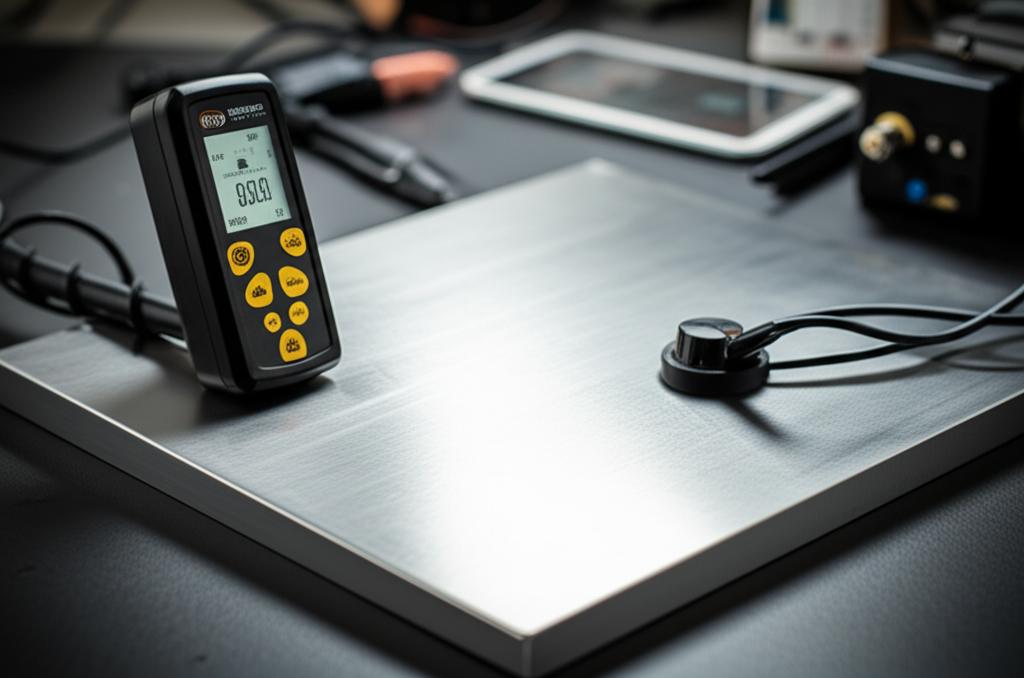
Generate an ultra-luxurious, modern, photorealistic 16:9 featured image for a blog article on the to

The detector’s frequency is a big deal. Higher frequencies are generally better at finding small, low-conductivity targets like aluminum. Your detector’s sensitivity setting also plays a role. A higher sensitivity means it can pick up fainter signals, including those from aluminum. Ground balance is also important, as it helps the detector ignore minerals in the soil that can interfere with signals.

Why Aluminum Often Seems Harder to Find

One reason aluminum can be tricky is its common presence in junk items. Think of bottle caps, foil, and pull tabs. These often produce weak or inconsistent signals. If your detector’s discrimination is set too high, it might filter out these aluminum signals, thinking they are just trash. This can lead you to miss aluminum coins or other valuable aluminum items.

Types of Aluminum Targets You Might Find

You’ll encounter various aluminum items when detecting. The most common are aluminum foil and pull tabs from beverage cans. However, you can also find older aluminum coins, aluminum jewelry, fishing lures, and even parts from old machinery or aircraft. Some historical artifacts might also be made of aluminum.

Optimizing Your Detector for Aluminum

To improve your chances of finding aluminum, you can adjust your detector’s settings. Try increasing the sensitivity slightly. Lowering the discrimination can help you pick up weaker signals that might be aluminum. Experimenting with different search modes can also be beneficial. Some detectors have specific modes for trashy areas.

Understanding Discrimination and Notch Filters

Discrimination is a feature that helps your detector ignore certain types of metal, usually iron. A notch filter is similar but can be set to ignore a specific range of signals, like those produced by pull tabs. If you want to find aluminum, you might need to lower your discrimination or adjust your notch filter. This means you’ll dig more trash, but you might find more aluminum.

The Role of Frequency in Detecting Aluminum

Higher frequency metal detectors are generally more sensitive to small targets and conductive metals like aluminum. If you’re serious about finding small aluminum items or coins, a detector with a higher operating frequency (e.g., 15 kHz or higher) might be a good investment. Lower frequency detectors are often better for deeper, larger targets.

Testing Your Detector on Aluminum Targets

The best way to learn how your detector handles aluminum is to test it. Take a few common aluminum items, like a piece of foil, a pull tab, and an aluminum coin. Bury them at different depths in your yard. Then, sweep your detector over them. See what signals you get and how your detector’s settings affect those signals. This hands-on practice is invaluable.

Interpreting Aluminum Signals

Aluminum signals can vary. Small pieces of foil often give a choppy or erratic sound. Pull tabs might sound like a low-tone iron signal or a mid-tone non-ferrous signal. Aluminum coins, depending on their size and depth, can produce a clear, repeatable tone. It’s crucial to listen carefully and dig targets that sound repeatable, even if they seem like junk.

When Aluminum is a “Good” Find

While foil and pull tabs are common trash, aluminum itself can be valuable. Older aluminum coins, like the US aluminum cent from 1974, are collector’s items. Some jewelry is made of aluminum. In historical sites, aluminum fragments can provide clues about past activities. So, not all aluminum signals are necessarily trash.

Comparing Detectors for Aluminum Sensitivity

Not all metal detectors are created equal when it comes to finding aluminum. Entry-level detectors might struggle more than advanced models. Detectors with multiple frequencies or adjustable frequencies often perform better. Brands like Minelab, Garrett, and Nokta Makro offer models known for their sensitivity to small targets. Always check the specifications for frequency and target separation.

Essential Tools for Digging Aluminum Finds

Once your detector signals an aluminum target, you’ll need good digging tools. A sturdy trowel or a specialized digging tool is essential for carefully excavating the target. A pinpointer is also incredibly useful. It helps you quickly locate the target once you’ve dug a plug of soil, reducing the time spent searching in the dirt pile.

Frequently Asked Questions (FAQ)

Can a basic metal detector find aluminum foil?

Yes, most basic metal detectors can detect aluminum foil. However, the signal might be weak or inconsistent, and it could be mistaken for junk if your discrimination settings are too high.

Will my metal detector find aluminum coins?

It depends on the coin and your detector. Many detectors can find aluminum coins, especially if they operate at a higher frequency. Older or larger aluminum coins will be easier to detect than small, thin ones.

Why does my detector beep on aluminum pull tabs but not other aluminum?

Pull tabs are a common aluminum item that many detectors are programmed to identify. If your detector is set to ignore certain signals, it might ignore other aluminum items while still picking up the distinct signal of a pull tab.

What is the best metal detector for finding small aluminum targets?

Detectors with higher operating frequencies (15 kHz and above) are generally best for small aluminum targets. Models with advanced discrimination and sensitivity adjustments also perform well.

How do I stop digging so much aluminum trash?

You can adjust your detector’s discrimination settings to ignore signals common to trash items like foil and pull tabs. However, be aware that this might also cause you to miss some valuable aluminum targets.

Is aluminum considered a ferrous or non-ferrous metal?

Aluminum is a non-ferrous metal. This means it does not contain iron. Most metal detectors are designed to detect both ferrous and non-ferrous metals.

Conclusion: Unlocking Aluminum Finds with Your Detector

So, to answer the question directly: does metal detector detect aluminum? Yes, it absolutely can. The key is understanding your detector’s capabilities and how to optimize its settings. By adjusting sensitivity, frequency, and discrimination, and by practicing with test targets, you can significantly improve your ability to find aluminum. Don’t dismiss those signals; with the right knowledge and tools, even common aluminum items can sometimes lead to interesting finds, and specific aluminum targets can be valuable treasures waiting to be unearthed.

Author

  • belayet hossain
    Belayet Hossain

    Belayet Hossain is a Tool Analyst and Workspace Optimization Expert with an MSc in Computer Science & Engineering. Augmented by certifications in AI Marketing & Business Strategist, he evaluates home office gear and industrial tools through a lens of technical efficiency and modern utility. Belayet identifies which tools offer true smart value and which are merely passing trends. Connect with Belayet Hossain on Facebook, Twitter, Linkedin, or read my complete biography.

Leave your thoughts here!Cancel reply

OMAIGA Steam Iron for Clothes
Don't Miss Latest Updates

Subscribe to Updates

Get the latest blogs, updates, news and many more from ToolGuider.com!

loader

Email Address*

Don't Miss
Construction Tools

Electric Mini Excavator Runtime: Battery Life and Charging Guide

Construction Tools

Compact Excavator Comparison: 5 Mini Excavators for Small Projects

Electric Construction Equipment Charging: Jobsite Costs and Power Requirements

Electric Mini Excavator vs Diesel: Cost, Runtime, and Performance

Electric Mini Excavator Buying Guide 2026: Runtime, Charging, and Total Cost

OSHA Lithium-Ion Battery Charging for Construction: What Employers Need to Know

Recommended
Construction Tools

Compact Excavator Comparison: 5 Mini Excavators for Small Projects

Construction Tools Updated:October 12, 2026
Electrical

Electric Construction Equipment Charging: Jobsite Costs and Power Requirements

Electrical Updated:October 11, 2026
Construction Tools

Electric Mini Excavator vs Diesel: Cost, Runtime, and Performance

Construction Tools Updated:October 11, 2026
Construction Tools

Electric Mini Excavator Buying Guide 2026: Runtime, Charging, and Total Cost

Construction Tools Updated:October 11, 2026
Construction Safety

OSHA Lithium-Ion Battery Charging for Construction: What Employers Need to Know

Construction Safety
Power tools

Why Power Tool Batteries Catch Fire – Causes, Thermal Runaway & Prevention

Power tools Updated:October 8, 2026
Construction Safety

Lithium-Ion Battery Safety for Cordless Tool Fleets: Charging, Damage, and Thermal Runaway

Construction Safety Updated:October 8, 2026
Electrical

Whole Home Surge Protection After a Generator Install: Panel vs Point-of-Use

Electrical Updated:October 6, 2026
Jump to
  • Tools Blogs Trending Now (7,403)
    • Air Conditioners (2)
    • Automotive (3)
      • Vehicle Codes & Driving Laws (1)
      • Vehicle Parts & Services (2)
        • Vehicle Parts & Accessories (2)
    • Baby & Childcare (15)
    • Business & Industrial (8)
      • Hospitality Industry (1)
        • Food Service (1)
      • Industrial Materials & Equipment (3)
        • Dust Collection (1)
      • Metals & Mining (2)
        • Precious Metals (1)
      • Shipping & Logistics (1)
        • Packaging (1)
    • Camping (1)
    • Car maintenance (1)
    • Cleaning (836)
      • Metal Cleaning (836)
    • Construction & Building (20)
      • Construction Safety (2)
      • Construction Tools (4)
      • Electrical (1)
    • Consumer Electronics (2)
    • Editors choice (18)
    • Food & Beverage (4)
      • Beverages (1)
      • Cooking & Recipes (1)
      • Cuisines (1)
    • Health & Fitness (1)
    • Health And Household (6)
    • Hobbies & Leisure (3)
    • Home & Garden (58)
      • Electrical (4)
      • Gardening (2)
      • Household Supplies (2)
        • Laundry (2)
      • Kitchen & Dining (37)
        • Cookware & Diningware (3)
        • Drinkware & Teaware (1)
        • Kitchen Cleaning & Maintenance (3)
          • Dishwashing & Cleaning (3)
        • Kitchen Tools (24)
          • Bowls & Dishes (10)
            • Wooden Bowls (10)
          • Cutting Boards (8)
        • Storage & Shelving (1)
          • Cabinetry (1)
        • Tea & Coffee (9)
          • Brewing Techniques (2)
          • Teaware (8)
            • Teapots (8)
              • Japanese Teapots (3)
      • Pest Control (1)
    • Home decor (3,421)
      • Home office decor (3,410)
        • Corner Home Office Setup (1)
        • Desk Setup Inspiration (1)
        • Home Office Wellness (1)
        • Minimalist Desk Setup (5)
        • Minimalist Office Decor (1)
        • Modern Home Office Ideas (1)
        • Office Accessories & Decor (5)
          • Chairs (2)
          • Desk (2)
          • Floating Shelves (1)
        • Small Home Office Ideas (2)
        • Tech & Gadget Setup Ideas (1)
        • Under $100 Home Office Setup (1)
    • Home improvement (35)
      • Construction & Power Tools (2)
      • House Painting & Finishing (3)
      • Kitchen Renovation (3)
    • Hunting (3)
    • HVAC & Climate Control (2)
    • Industrial And Scientific (24)
    • Metal detecting (2,865)
    • Outdoor & Recreation (5)
      • Hunting & Shooting (1)
    • Power & Hand Tools (14)
      • Power tools (14)
    • Power Energy (5)
    • Resources (3)
    • Reviews (32)
      • Home Tools (1)
      • Metal Detector (19)
      • Tools & Devices (5)
    • Science (1)
      • Biological Sciences (1)
        • Genetics (1)
    • Shopping (7)
      • Antiques & Collectibles (6)
      • Other (1)
    • Tools Tips (12)
Stay In Touch
  • Facebook
  • Twitter
  • Pinterest
  • Instagram
  • YouTube
  • Vimeo
Recommended
Latest updates
  • Electric Mini Excavator Runtime: Battery Life and Charging Guide
  • Compact Excavator Comparison: 5 Mini Excavators for Small Projects
  • Electric Construction Equipment Charging: Jobsite Costs and Power Requirements
  • Electric Mini Excavator vs Diesel: Cost, Runtime, and Performance
  • Electric Mini Excavator Buying Guide 2026: Runtime, Charging, and Total Cost
  • OSHA Lithium-Ion Battery Charging for Construction: What Employers Need to Know
  • Why Power Tool Batteries Catch Fire – Causes, Thermal Runaway & Prevention
  • Lithium-Ion Battery Safety for Cordless Tool Fleets: Charging, Damage, and Thermal Runaway
  • Whole Home Surge Protection After a Generator Install: Panel vs Point-of-Use
  • UL 2201 Generator CO Shutoff: UL 2201 vs PGMA G300 Explained

Ctx Metal Detector: Essential Breakthroughs For Education

Fisher Gold Bug Pro: Essential Treasure Discovery

How To Clean Rose Gold Jewellery: Essential, Stunning Guide

Are Minelab Metal Detectors Good? Essential, Proven Results

Minelab Vanquish 540 Pro Pack: Ultimate Hidden Finds

Home improvement

uPVC Windows and Doors: Homeowner’s Buying Guide

How to Install Tilt and Turn PVC Windows: A Practical Step‑by‑Step Guide

EV Charger Installation: 7 Key Factors Homeowners Overlook

Maximising Boiler Value: Leeds Homeowners’ Guide to Comparing Boiler Quotes

DIY Tips: The Best Applicator for Varnish on Large Surfaces

Subscribe to Updates

Get the latest Blogs, Updates, News from ToolGuider.com.

loader

Email Address*

Facebook X (Twitter) Pinterest
  • About us
  • Latest Tools Blogs
  • Disclaimer
  • Privacy Policy
  • Write for us
  • Contact us
  • Sitemap
© 2026 Designed by Belayet Hossain.

Type above and press Enter to search. Press Esc to cancel.