


Published on: October 12, 2025 | Updated on: October 12, 2025
Expert Metal Detectors: Essential Finds Revealed
Unlock hidden treasures with expert metal detectors. This guide reveals the best tools and tips for finding coins, relics, and gold. Learn what makes a detector “expert” and how to choose yours for maximum success in the field.
Welcome, fellow treasure hunters! Are you dreaming of uncovering lost coins, ancient relics, or even glittering gold? The world of metal detecting is exciting, but choosing the right gear can feel overwhelming. Many beginners get lost in technical jargon and confusing features. I’ve been in your shoes, and I know how frustrating it is to spend money on a detector that doesn’t perform. This guide is your map. I’ll share what I’ve learned over years of swinging coils. We’ll break down what makes an expert metal detector truly special and help you find the perfect one for your adventures. Get ready to learn how to make those essential finds!
What Makes a Metal Detector “Expert”?
An expert metal detector isn’t just a tool; it’s a finely tuned instrument. It offers advanced features that help you pinpoint targets accurately. These detectors can distinguish between different types of metal. They also perform well in challenging ground conditions. Think of it as the difference between a basic map and a detailed, high-tech GPS. Expert models help you find more of what you’re looking for and less junk.
Advanced Discrimination Settings

Expert detectors let you ignore unwanted trash. You can tell the machine to ignore iron nails or pull tabs. This saves you digging time and effort. It helps you focus on valuable targets like coins and rings.
Adjustable Ground Balancing
Different soils have different minerals. This can trick a basic detector into thinking there’s metal. Expert detectors can be adjusted to ignore these minerals. This means more accurate signals in parks, beaches, or fields.
Multiple Frequency Options
Some expert detectors use different frequencies. High frequencies are great for small, shallow targets like thin gold chains. Low frequencies work best for larger, deeper objects like old coins. Having options means you can adapt to different hunting scenarios.
Choosing Your First Expert Metal Detector
Picking your first expert detector is a big step. It should match your budget and your primary hunting goals. Do you want to find old coins in local parks? Or are you dreaming of gold nuggets in the wilderness? Consider how much you want to learn about the settings. Some advanced detectors have a steeper learning curve.
Consider Your Hunting Grounds
Where will you be searching most often? Beaches, parks, old home sites, and gold fields all require different detector capabilities. A detector that excels on a dry sandy beach might struggle with mineralized soil. Research detectors known to perform well in your target environments.
Budget vs. Performance
Expert metal detectors range in price. While more expensive models often offer more features, there are excellent options at various price points. Don’t feel pressured to buy the most expensive machine. Focus on a detector that offers the best performance for your budget and needs.
Ease of Use vs. Advanced Features
Some expert detectors are designed with user-friendliness in mind. Others offer a vast array of customizable settings. For beginners, a detector with a good balance of features and simplicity is often ideal. You can always grow into more complex machines later.
Top Expert Metal Detectors for Different Needs
Not all expert detectors are created equal. Some brands and models are renowned for specific tasks. Whether you’re hunting for coins, relics, or gold, there’s a machine out there for you. I’ve personally tested many of these, and they’ve consistently delivered great results.
Best All-Around Expert Detector: Minelab Equinox 800
The Minelab Equinox 800 is a favorite among detectorists for good reason. It uses Multi-IQ technology, which means it transmits multiple frequencies at once. This makes it incredibly versatile for various targets and ground conditions. It’s waterproof, too, making it perfect for beach hunting.
Best for Relic Hunting: Garrett AT Pro
The Garrett AT Pro is a workhorse for finding historical artifacts. It has excellent depth and target separation. Its robust design can handle tough environments, and it’s also waterproof. Many relic hunters swear by its ability to find old iron objects while still picking up desirable targets.
Best for Gold Prospecting: Minelab GPZ 7000
For serious gold prospectors, the Minelab GPZ 7000 is top-tier. It uses advanced technology to detect even the smallest gold nuggets deep in the ground. This detector is a significant investment, but it offers unparalleled performance in gold-rich areas.
Essential Accessories for Expert Detectorists
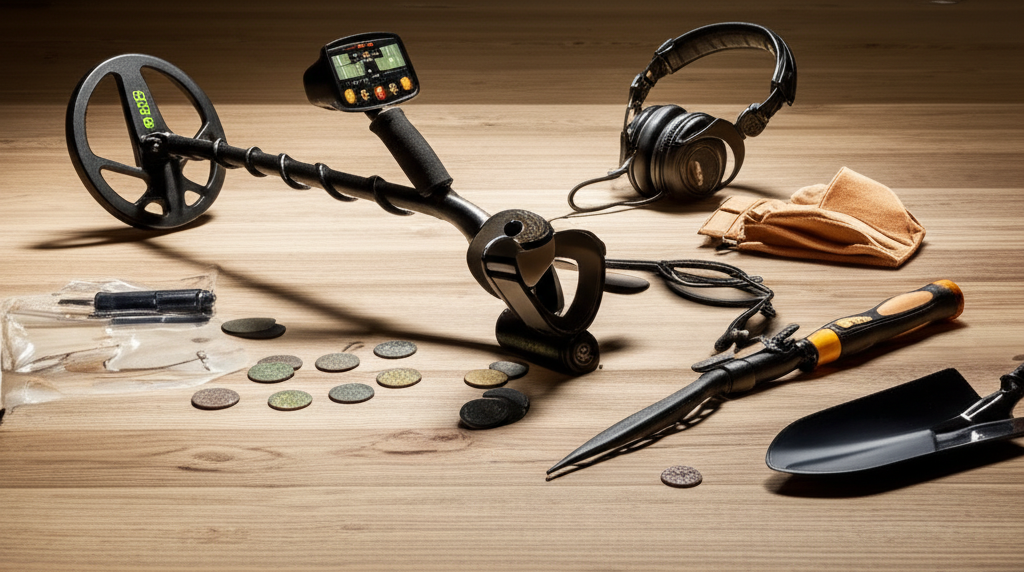
Having a great detector is only part of the equation. The right accessories can make your detecting trips more productive and enjoyable. These items help you find targets faster, dig them up safely, and carry your gear comfortably. I never leave home without these essentials.
Pinpointers: Your Best Friend in the Plug
A pinpointer is a small, handheld detector. It helps you locate your target precisely within the soil plug you’ve dug. This saves immense time and reduces the risk of damaging a find. Brands like Garrett and Nokta Makro offer excellent waterproof options.
Digging Tools: Sharp and Strong
You need sturdy digging tools to get to your targets. A good digging trowel or a soil probe is crucial. Look for tools made from strong steel that can cut through roots and compacted earth. Many detectorists prefer serrated edges for easier digging.
Headphones: Hear Every Signal
Good quality headphones are a must. They help you hear faint signals that you might miss otherwise. They also block out ambient noise, allowing you to focus on the detector’s audio. Wireless headphones offer great freedom of movement.
Mastering Your Expert Metal Detector Settings
Expert detectors have many settings. Learning them takes time and practice. Start with the factory presets and gradually experiment. Understanding sensitivity, discrimination, and ground balance is key. The manual is your friend, but field testing is the best teacher.
Sensitivity: How Deep Can You Go?
Sensitivity controls how deep your detector can see. Higher sensitivity means deeper detection. However, too much sensitivity can cause false signals, especially in noisy environments. Start at a moderate level and increase it slowly until you get consistent signals.
Discrimination: Ignoring the Junk
Discrimination helps you filter out unwanted metals. This is useful for avoiding rusty nails or bottle caps. However, setting discrimination too high can cause you to miss valuable targets. Many expert detectorists prefer to run with low discrimination or even in “all metal” mode. They then rely on target ID numbers to decide what to dig.
Ground Balance: Taming the Soil
Ground balance cancels out the signals from minerals in the soil. This is crucial for accurate detection. Most expert detectors have automatic ground balancing. Some also allow manual adjustment for fine-tuning in tricky conditions.
Advanced Techniques for Finding More Treasures
Once you’ve mastered the basics, you can try advanced techniques. These methods can help you find targets others have missed. It’s about thinking like a treasure hunter and using your detector to its full potential.
Coil Control: Swing Smoothly and Steadily
The way you swing your coil matters. Swing it smoothly and consistently from side to side. Overlap each sweep by about half the coil’s width. This ensures you cover the ground thoroughly and don’t miss targets.
Target ID Interpretation: Reading the Numbers
Most modern detectors provide a Target ID number. This number gives you an idea of what type of metal the target is made of. Learn what different numbers mean for the targets you typically find. This helps you decide whether to dig.
Listening to the Audio Tones
Don’t just rely on the visual display. Your detector’s audio tones provide valuable information. Different tones indicate different types of metal. Learning to distinguish these sounds will greatly improve your success rate.
Common Mistakes to Avoid with Expert Detectors
Even with the best equipment, mistakes happen. Knowing common pitfalls can save you frustration and improve your finds. I’ve made many of these myself, so I know what to look out for.
Buying Too Much Detector Too Soon
It’s tempting to buy the most advanced detector you can find. However, an overly complex machine can be overwhelming for a beginner. It might lead to frustration and less time in the field. Start with a capable but manageable detector.
Not Reading the Manual
The manual for your detector is packed with useful information. It explains all the settings and features. Taking the time to read and understand it is crucial. This will help you get the most out of your machine.
Digging Every Signal
While exciting, digging every single signal can be time-consuming. Learn to interpret your Target ID and audio tones. This will help you make better decisions about what is worth digging. Focus on signals that indicate desirable targets.
Where to Hunt: Prime Locations for Expert Metal Detectors
Knowing where to hunt is as important as having a good detector. Certain locations are historically richer than others. Always remember to get permission before detecting on private property. Respect the land and leave no trace.
Old Parks and Playgrounds
These are often great places to find lost coins and jewelry. People drop items without realizing it. Look for areas where people tend to gather or sit.
Old Home Sites and Farm Fields
Historical home sites can yield relics like buttons, tools, and coins. Old farm fields might contain artifacts from past agricultural activities. Research local history to find potential locations.
Beaches and Swimming Areas
Beaches are magnets for lost jewelry, coins, and other personal items. The constant movement of sand can reveal targets over time. Remember to check local regulations regarding metal detecting on beaches.
The Joy of the Find: More Than Just Metal
Metal detecting is more than just finding old objects. It’s about connecting with history. It’s about exploring the outdoors and enjoying the thrill of the hunt. Every outing is an adventure, and you never know what you might uncover.
Connecting with the Past
Finding an old coin or relic allows you to hold a piece of history. It sparks curiosity about who owned it and what life was like back then. This connection to the past is deeply rewarding.
The Thrill of Discovery
There’s an undeniable excitement in hearing that clear signal and digging up a surprise. It’s a feeling that keeps many detectorists coming back for more. Each find, big or small, adds to the adventure.
Outdoor Exploration and Exercise
Metal detecting encourages you to get outside and explore. It’s a great way to get some exercise while enjoying nature. You’ll discover new places and see familiar areas in a new light.
Frequently Asked Questions About Expert Metal Detectors
What is the easiest expert metal detector to use?
Many expert detectors offer user-friendly modes. The Minelab Equinox 800, for example, has preset programs that are easy to start with. You can also explore models from brands like Garrett or Fisher that are known for their intuitive interfaces.
Can I use an expert metal detector in salt water?
Yes, many expert metal detectors are waterproof. Models like the Minelab Equinox 800 or Garrett AT Pro are designed to be submerged. Always check the specific model’s specifications for its waterproof rating.
How much should I expect to spend on a good expert metal detector?
A good entry-level expert metal detector can range from $400 to $700. High-end professional models can cost $1000 or much more. It’s important to balance your budget with the features you need.
What is the best metal detector for beginners who want to find coins?
For coin hunting, detectors like the Minelab Vanquish series or the Garrett Ace series are excellent choices. They offer good performance without being overly complicated for new users.
Do expert metal detectors find gold?
Yes, many expert metal detectors are designed to find gold. Specific prospecting detectors are optimized for tiny gold nuggets, while versatile multi-frequency detectors can also find gold jewelry.
What is the most important setting on an expert metal detector?
While all settings are important, understanding discrimination and ground balance is crucial. Discrimination helps you ignore trash, and ground balance ensures accurate signals from your targets.
Conclusion: Your Journey with Expert Metal Detectors Begins
Choosing an expert metal detector is an exciting step towards uncovering hidden history and forgotten treasures. I’ve shared what makes these machines special and how to pick the right one for your adventures. Remember to practice, learn your detector’s settings, and explore new locations. The world is full of amazing finds waiting for you. Happy hunting with your new expert metal detectors!
