


Published on: November 4, 2025 | Updated on: November 4, 2025
Metal Detector Discovery 3300: Unearthing Essential Hidden Finds
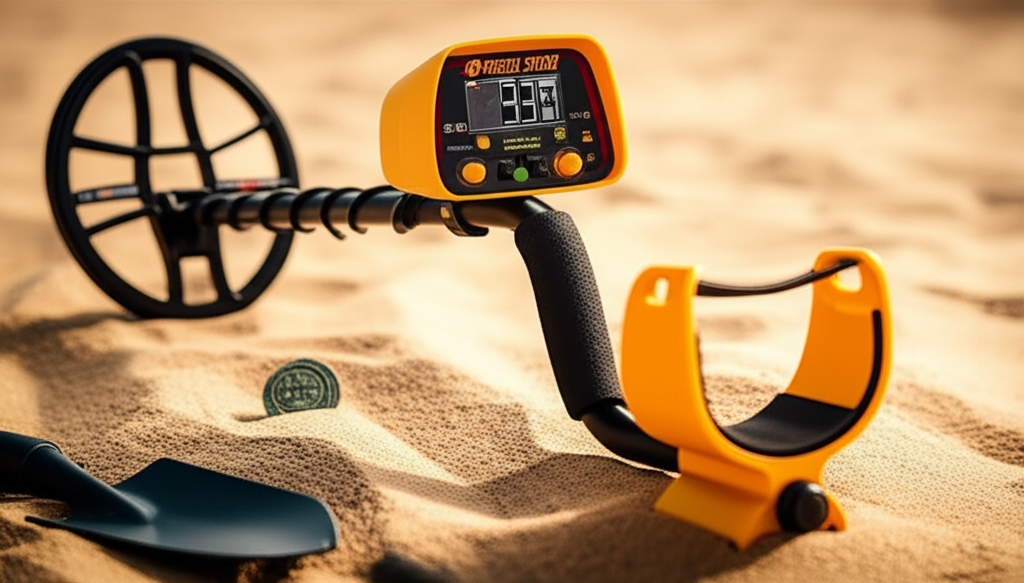
The Metal Detector Discovery 3300 offers a solid entry point for hobbyists seeking valuable finds. This guide reveals its core strengths and how to maximize your treasure hunting success with this capable machine, focusing on the essential hidden discoveries it’s known for.
Metal detecting can feel like a puzzle. You have a tool, and you want to find cool things. The Discovery 3300 is a popular choice for many. It helps you explore parks, fields, and beaches. But how do you get the most out of it? We will walk through its features. We will also show you how to find those hidden treasures.
Understanding the Discovery 3300: A Detectorist’s First Look
The Discovery 3300 is a beginner-friendly metal detector. It offers good performance for its price. Many people start their treasure hunting journey with it. I’ve used many detectors, and this one is a reliable companion for finding common items. It’s easy to set up and learn.
This detector is designed to find various metal objects. It works well for coins, jewelry, and relics. Its simple controls make it accessible for newcomers. You don’t need to be an expert to start finding things.
Key Features That Make a Difference

The Discovery 3300 comes with several useful features. These help you pinpoint targets more accurately. They also help you ignore unwanted junk. Understanding these is key to better finds.
Adjustable Sensitivity: This lets you control how deep the detector can “see.” Higher sensitivity finds deeper targets. But it can also pick up more noise.
Discrimination Settings: This feature lets you ignore certain types of metal. You can set it to ignore iron or foil. This helps you avoid digging trash.
Target ID System: The detector gives you a number. This number helps guess what the target is. Different metals give different numbers.
Waterproof Search Coil: This means you can use it in wet grass or shallow water. It opens up more places to search.
These features work together to help you find more. They make the search process more efficient. They also make it more enjoyable.
Why the Discovery 3300 Excels for Beginners
For those new to metal detecting, simplicity is crucial. The Discovery 3300 shines here. Its straightforward design means less time reading manuals. More time is spent actually searching for treasures.
Its user interface is intuitive. You won’t get lost in complex menus. This allows you to focus on learning the sounds. You learn to interpret what the detector is telling you. This is a vital skill for any detectorist.
Comparing the Discovery 3300 to Other Entry-Level Detectors
When looking at entry-level detectors, the Discovery 3300 holds its own. It offers a good balance of features and price. Some other detectors might have more modes. But they can also be more complicated to use.
This detector provides a solid foundation. It teaches you the basics of metal detecting well. You can upgrade later if you get more serious. But for starting out, it’s a strong contender. It’s often recommended for its reliability.
Essential Hidden Finds: What Can You Expect?
The Discovery 3300 is great at finding everyday items. These might not seem like much at first. But they can be fascinating historical clues. Or they can be valuable in their own right.
Coins: The Most Common Treasure
Coins are the most frequent finds for many detectorists. The Discovery 3300 can locate various types. This includes modern pocket change. It can also find older, more valuable coins.
You’ll likely find pennies, nickels, and dimes. But keep an eye out for older silver coins. These can be worth a good amount of money. Learning the target IDs for different coins is helpful.
Jewelry: Sparkle and Shine in the Dirt
Lost jewelry is another common target. Rings, necklaces, and earrings are often found. The Discovery 3300 can detect the metals used in these items. Precious metals like gold and silver show up well.
Be aware that costume jewelry also contains metal. You’ll need to use the discrimination settings. This helps you filter out less valuable items. But you never know when you might find a real gem.
Relics: Whispers from the Past
Relics are objects from historical periods. These can be incredibly exciting finds. The Discovery 3300 can detect old buttons, buckles, and tools. It can also find parts of old farming equipment.
Finding relics connects you to history. Each item tells a story. You need to be careful when digging them. Some relics can be fragile. Treat them with care once unearthed.
What About Gold?
While the Discovery 3300 isn’t a dedicated gold detector, it can find gold. It can detect gold jewelry, like rings and bracelets. For serious gold prospecting, you might need a specialized machine. But for occasional gold finds, this detector can work.
Gold is a good conductor. This means it registers well on most detectors. Keep your sensitivity up. Sweep slowly and methodically. You might be surprised what you find.
Mastering Your Discovery 3300: Techniques for Success
Knowing your detector is only half the battle. How you use it matters even more. Here are some tips to improve your chances of finding good targets.
The Sweep: Smooth and Steady Wins the Race
How you swing the search coil is important. Move it slowly and steadily from side to side. Overlap each sweep by about half the coil’s width. This ensures you cover the ground thoroughly.
Avoid jerky movements. Keep the coil as close to the ground as possible. But don’t let it hit the ground. This steady motion helps the detector get a clear signal. It reduces false signals from ground minerals.
Understanding the Tones and Target IDs
Metal detectors make sounds. These sounds tell you something is there. Different tones often mean different types of metal. High-pitched tones might be coins or jewelry. Low-pitched tones could be iron or trash.
The Target ID numbers are also clues. Learn what numbers correspond to common items. You can find charts online for your Discovery 3300. Practice in your yard with known targets. This helps you learn the sounds and numbers.
Ground Balancing: Adapting to Your Environment
Different soils have different minerals. These minerals can affect how your detector works. Ground balancing helps the detector ignore these minerals. It tunes the detector to the specific ground you are on.
Most entry-level detectors have automatic ground balancing. You just push a button. This is an important step. Do it when you move to a new area. It ensures your detector performs at its best.
Discrimination: Avoiding the Annoying Junk
No one likes digging endless pull tabs. Discrimination settings help you avoid unwanted targets. The Discovery 3300 has adjustable discrimination. You can set it to ignore iron. You can also try to ignore foil.
Be careful not to discriminate too much. You might miss good targets. Some valuable items, like certain gold rings, can have IDs close to trash. It’s a balance. Start with a low discrimination setting.
Where to Hunt: Prime Locations for Your Detector
The right location can make all the difference. Some places are more likely to yield finds than others. Always check local laws before detecting.
Parks and Playgrounds: A Hotspot for Lost Items
Parks are excellent places to search. People lose coins and jewelry here all the time. Playgrounds are especially good. Children often drop coins or small toys.
Remember that parks can be busy. Be respectful of others. Always fill in your holes neatly. Leave the area as you found it.
Beaches: Treasures Washed Ashore
Beaches are fantastic for metal detecting. People lose jewelry and coins while swimming or sunbathing. The sand can shift, revealing old targets. The waterproof coil on the Discovery 3300 is a big advantage here.
Beaches can have saltwater. Rinse your detector after use. Check for any local regulations about beach detecting. Some beaches have restrictions.
Old Home Sites and Fields: A Glimpse into History
Old farm fields and former home sites can be rich in relics. These places were once centers of activity. People dropped or lost items over many years. You might find old tools, buttons, or coins.
Research the history of the area. Look for old maps. This can give you clues about where people lived or worked. Always get permission before detecting on private property.
Schoolyards and Sports Fields: Forgotten Treasures
Similar to parks, schoolyards and sports fields are great spots. Kids and adults lose items during games and activities. You can find coins, jewelry, and even sports tokens.
These areas are often well-maintained. This can make digging easier. Again, always be respectful and fill your holes.
Essential Accessories to Boost Your Finds
While the Discovery 3300 is a great detector, a few accessories can help. These tools make your detecting experience better. They can also help you recover more targets.
Pinpointer: The Key to Quick Recovery
A pinpointer is a small, handheld detector. You use it after you mark a target with your main detector. It helps you pinpoint the exact location of the object in the soil. This saves you a lot of time and frustration.
Instead of digging a huge plug of dirt, you can dig a small one. The pinpointer guides you to the target. It’s an essential tool for any serious detectorist.
Digging Tools: Making the Excavation Easy
You need good digging tools. A sturdy shovel or trowel is a must. Look for one with a serrated edge. This helps cut through roots and tough soil.
A hand digger is also very useful. It’s smaller and more portable. It’s great for tight spaces or when you don’t want to disturb a large area. Always practice proper digging techniques. This minimizes your impact on the environment.
Carry Bag and Pouch: Keeping Your Gear Organized
A comfortable carry bag is important. It protects your detector when you’re not using it. A finds pouch is also very useful. You can store your recovered items in it.
Keeping your gear organized makes your hunt smoother. You can easily access everything you need. This lets you focus on finding treasures.
Troubleshooting Common Discovery 3300 Issues
Even the best detectors can have occasional issues. Knowing how to fix common problems will save your detecting day.
False Signals: What’s Making That Noise?
False signals can be frustrating. They can come from many sources. These include electrical interference, hot rocks, or changes in ground mineralization.
Try adjusting the sensitivity. Lowering it slightly can help. Ensure your search coil is balanced to the ground. Sweep slowly and steadily. If you get a repeatable signal, investigate it.
Not Detecting Deep Enough: Is My Detector Working?
If you’re not finding anything deep, check a few things. Ensure the sensitivity is set high enough. Make sure you are sweeping slowly. Overlapping your sweeps is crucial.
The type of target matters too. Small, thin targets are harder to find. Very deep targets might be beyond the detector’s range. Also, consider the soil conditions.
Difficulty Identifying Targets: What Am I Digging?
Learning the tones and Target IDs takes practice. Refer to your user manual for charts. Practice on known targets in your yard. This helps you build confidence.
Sometimes, targets can give confusing signals. This can happen when multiple metal objects are close together. Or when a target is at an odd angle. Keep digging and learning.
Maintaining Your Discovery 3300 for Longevity
Proper care will keep your Discovery 3300 working well for years. It’s a durable machine, but a little maintenance goes a long way.
Cleaning Your Detector After Each Hunt
Always clean your detector after use. Wipe down the control box and shaft. Clean the search coil with a damp cloth. This removes dirt and debris.
Pay special attention to the coil. Dirt on the coil can affect performance. Do not use harsh chemicals. They can damage the plastic.
Protecting the Coil and Electronics
The search coil is the most vulnerable part. Avoid banging it against rocks or hard surfaces. Store your detector carefully. Use a protective cover if possible.
Keep the control box dry. While the coil is waterproof, the main unit usually isn’t. Protect it from heavy rain or submersion.
Battery Care: Powering Your Adventures
The Discovery 3300 uses batteries. Ensure you use fresh, good-quality batteries. Remove batteries if you plan to store the detector for a long time. This prevents corrosion.
Check battery contacts periodically. Clean them if they look dirty. This ensures a good connection.
FAQ: Your Top Discovery 3300 Questions Answered
Q1: Is the Metal Detector Discovery 3300 good for beginners?
Yes, the Discovery 3300 is an excellent choice for beginners. It is easy to use and understand. It provides good performance for the price.
Q2: Can the Discovery 3300 find gold?
It can find gold jewelry. It is not a specialized gold prospecting detector. For finding small gold nuggets, you might need a different machine.
Q3: How deep can the Discovery 3300 detect targets?
The detection depth depends on the target size and type. For a coin, it can typically detect up to 8-10 inches deep. Larger objects can be detected deeper.
Q4: Is the search coil waterproof?
Yes, the search coil on the Discovery 3300 is waterproof. This allows you to search in shallow water and wet grass. The control box is not waterproof.
Q5: What kind of targets can I expect to find?
You can expect to find coins, jewelry, relics like old buttons and buckles, and other metal objects.
Q6: Do I need a pinpointer with this detector?
While not strictly required, a pinpointer is highly recommended. It makes target recovery much faster and easier.
Q7: Where are the best places to use the Discovery 3300?
Good places include parks, playgrounds, beaches, old home sites, fields, schoolyards, and sports fields. Always check local regulations and get permission for private property.
Conclusion: Your Treasure Hunting Journey Begins
The Metal Detector Discovery 3300 is a capable and user-friendly machine. It offers a fantastic entry point into the exciting world of metal detecting. You can uncover a surprising array of hidden finds, from everyday coins and lost jewelry to fascinating historical relics. By understanding its features, employing good hunting techniques, and choosing your locations wisely, you’ll maximize your success. Remember to invest in a few key accessories like a pinpointer and good digging tools. With a little practice and patience, your Discovery 3300 will lead you on many rewarding adventures. Happy hunting!
