


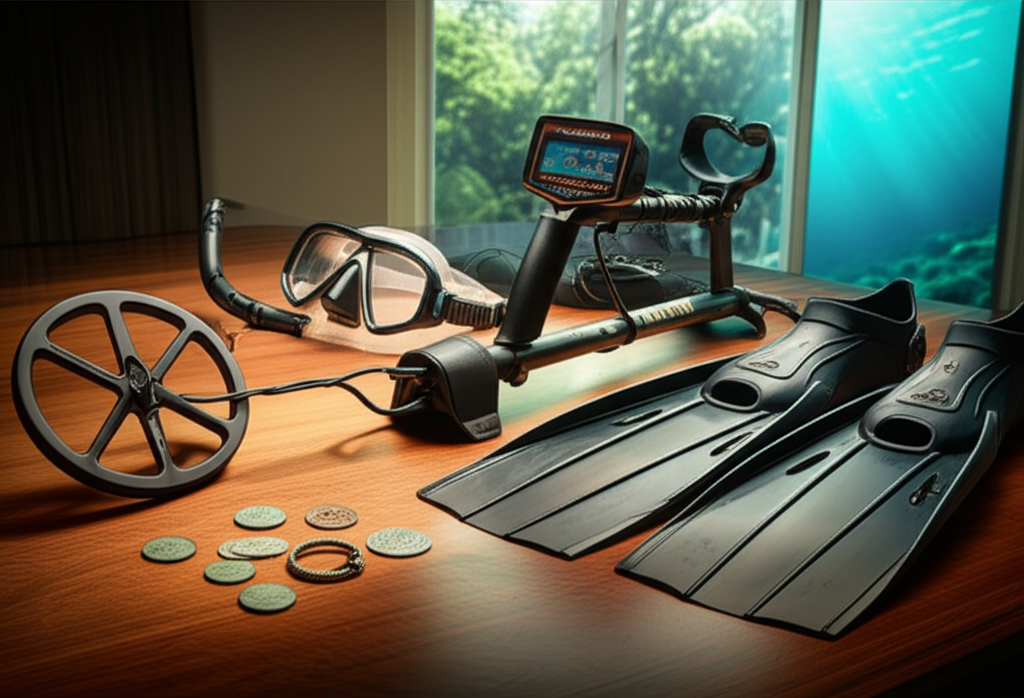
Published on: November 4, 2025 | Updated on: November 4, 2025
Metal Detector Diving: Essential Hidden Treasures Found
Metal detector diving unlocks underwater worlds, revealing lost coins, jewelry, and historical artifacts. This guide explores the best gear, techniques, and amazing finds to help you start your aquatic treasure hunt safely and successfully.
Metal detector diving is an exciting way to explore the underwater world. Many people wonder what amazing things lie hidden beneath the waves. From sparkling jewelry to old coins and even historical relics, the possibilities are vast. This guide will show you how to get started safely and what kind of treasures you might find.
What is Metal Detector Diving?
Metal detector diving combines the thrill of metal detecting with the adventure of underwater exploration. You use a special waterproof metal detector to search for metal objects in lakes, rivers, and oceans. It’s a fantastic hobby for those who love both detecting and water activities.
This activity allows you to search places not accessible by land. You can find items lost by swimmers, boaters, or even shipwrecked treasures. It requires specific equipment and knowledge to do it safely and effectively.
Choosing the Right Metal Detector for Diving
Not all metal detectors are made for underwater use. You need a detector that is fully waterproof. It should also be designed for submerged searching.
Look for detectors with good depth capabilities and discrimination features. These help you ignore trash like pull tabs. Some detectors are better for saltwater, while others work well in freshwater.
Waterproof vs. Water-Resistant Detectors

A waterproof detector can be fully submerged. This is essential for metal detector diving. A water-resistant detector can only handle splashes or rain.
Always check the detector’s specifications. Make sure it’s rated for the depth you plan to dive. Using the wrong type can damage your equipment.
Key Features for Underwater Detectors
Consider the detector’s frequency. Higher frequencies are better for small gold nuggets and jewelry. Lower frequencies work well for larger items and deeper targets.
Look for features like adjustable sensitivity and ground balance. These help you tune the detector to the specific environment. A good visual display and audio alerts are also important.
Essential Underwater Detecting Gear
Beyond the detector, you need other gear for safe and successful dives. This includes diving equipment and tools for recovering your finds. Proper preparation is key to a good experience.
Having the right accessories makes a big difference. It helps you locate targets accurately and bring them to the surface. Safety gear is also a must.
Diving Equipment
If you are diving deep, you will need scuba gear. For shallow water, a mask, snorkel, and fins might be enough. A wetsuit is often recommended for comfort and protection.
Always ensure your diving equipment is in good working order. If you are new to diving, consider taking a certification course. Safety comes first.
Recovery Tools
Once you get a signal, you need to retrieve the item. A sand scoop or dredge is very useful. These tools help you sift through sand and mud.
A pinpointer is also crucial. It helps you pinpoint the exact location of the target in the removed material. Small trowels can also be helpful for careful digging.
Techniques for Successful Metal Detector Diving
Finding treasure underwater requires specific techniques. You need to learn how to move efficiently in the water. Proper sweeping patterns are important.
Understanding how sound travels underwater is also helpful. Metal detectors perform differently in water than on land. Adjusting your search strategy is necessary.
Sweep Patterns and Coverage
Use slow, overlapping sweeps with your detector coil. Move the coil parallel to the bottom. Cover the area systematically to avoid missing targets.
Maintain a consistent height between the coil and the ground. This helps in getting accurate signals. Patience is key; don’t rush the process.
Interpreting Signals Underwater
Underwater signals can be clearer or more complex than on land. Water can affect the conductivity of targets. You might need to adjust your detector’s settings.
Listen carefully to the tones. Learn to distinguish between trash signals and good targets. Practice in known areas to build your skills.
Common Hidden Treasures Found Underwater
The types of treasures found can vary greatly. Many are everyday items lost over time. Others can be historical artifacts of significant value.
Coins are among the most common finds. You can discover old currency from different eras. Jewelry is also frequently found.
Coins and Currency
You might find lost pocket change or older, valuable coins. These can range from modern currency to ancient coins. Their condition often depends on the environment.
Many detectorists enjoy finding old coins. They offer a glimpse into the past. Some rare coins can be quite valuable.
Jewelry and Personal Items
Rings, necklaces, bracelets, and earrings are common finds. These are often lost at beaches or near piers. They can be made of gold, silver, or other metals.
Losing jewelry is upsetting. Finding it for someone can be very rewarding. Always check local laws about found items.
Historical Artifacts and Relics
In areas with historical significance, you might find relics. These could include old tools, buckles, or even parts of shipwrecks. Such finds require careful handling and research.
Respecting historical sites is very important. Always follow local regulations for artifact recovery. Some areas might be protected.
Where to Go Metal Detector Diving
Choosing the right location is crucial for successful metal detector diving. Beaches, lakes, and rivers all offer different opportunities. Consider the history and common activities in an area.
Always research the location before you go. Check for any local regulations or permits required. Some areas are better for beginners than others.
Beaches and Shorelines
Beaches are popular spots for finding lost items. People lose jewelry and coins while swimming or playing. The surf zone is particularly productive.
Look for areas near swimming areas or piers. Be mindful of other beachgoers. Always fill in any holes you dig.
Lakes and Rivers
Lakes and rivers can hold treasures from past activities. Old docks, swimming areas, and riverbanks are good places to search. You might find items lost from boats or by people fishing.
Freshwater environments can preserve items well. Be aware of currents and water visibility. Always check for submerged hazards.
Coastal Waters and Piers
Coastal areas and piers can yield older finds. Shipwrecks, if accessible and permitted, can be treasure troves. Areas around old harbors are also promising.
Be aware of boating traffic and water depth. Diving in saltwater requires specific equipment care. Always dive with a buddy.
Safety First: Underwater Detecting Best Practices
Safety is the most important aspect of metal detector diving. Never dive alone. Always be aware of your surroundings and water conditions.
Understand your limits and equipment capabilities. Proper preparation prevents accidents and ensures a fun experience. Respect the environment and local laws.
Diving with a Buddy
Always have a partner when metal detector diving. Your buddy can assist in emergencies. They can also help with target recovery.
Communicate with your buddy about your plans and signals. Stay within visual range of each other. This is a fundamental safety rule.
Understanding Water Conditions
Be aware of currents, waves, and water visibility. Avoid diving in strong currents or poor visibility. These conditions can be dangerous.
Check weather forecasts before you go. If conditions seem unsafe, postpone your dive. Your safety is more important than any find.
Equipment Maintenance
After each dive, rinse your metal detector and gear thoroughly. Saltwater can corrode metal parts. Freshwater can leave mineral deposits.
Dry your equipment properly before storing it. This extends its lifespan and ensures it works correctly. Consult your detector’s manual for specific maintenance tips.
Legal and Ethical Considerations
It’s vital to understand the laws regarding found items. What you find might belong to someone else or the state. Always research local regulations before you start.
Respect private property and historical sites. Leave no trace of your activity behind. Responsible detecting ensures the hobby remains enjoyable for everyone.
Permits and Regulations
Some areas require permits for metal detecting or diving. Public beaches may have specific rules. Protected historical sites are usually off-limits.
Ignorance of the law is not an excuse. Always check with local authorities or park services. This avoids potential fines or confiscation.
Respecting Property and History
Never detect on private property without permission. Avoid disturbing archaeological sites or historical landmarks. Documenting your finds is encouraged, but removal might be restricted.
Report significant historical finds to the proper authorities. This helps preserve history for future generations. Responsible detecting builds trust with the public.
Showcasing Amazing Underwater Finds
Many detectorists have shared incredible underwater discoveries. These stories inspire others and highlight the potential of this hobby. From rare coins to valuable jewelry, the finds are often astonishing.
One detectorist found a 17th-century Spanish doubloon. Another recovered a diamond engagement ring lost years ago. These stories are a testament to the hidden treasures waiting to be discovered.
The Thrill of the Find
The moment you get a strong signal and unearth a treasure is exhilarating. It’s a feeling unlike any other. The anticipation of what you might have found adds to the excitement.
Each find tells a story. It connects you to the past or to someone’s personal loss. This connection makes metal detector diving so rewarding.
Frequently Asked Questions about Metal Detector Diving
What is the best time of year for metal detector diving?
The best time is usually during warmer months when water temperatures are comfortable. However, clear water conditions are more important than the season. Check local weather and water clarity reports.
Can I use my regular land metal detector underwater?
Only if it is specifically designed to be waterproof. Most land detectors are not submersible and will be damaged by water. Always use a detector rated for underwater use.
What kind of treasures can I expect to find?
You can find coins, jewelry (rings, necklaces), watches, fishing lures, and sometimes historical artifacts. The types of finds depend heavily on the location and its history. Beaches are great for lost personal items.
Do I need a diving license for metal detector diving?
For shallow water (snorkeling depth), a license is usually not required. For deeper dives requiring scuba gear, you will need proper scuba certification. Always check local regulations.
How deep can metal detectors find things underwater?
This depends on the detector’s power, the coil size, and the target’s size and conductivity. Most good waterproof detectors can find targets several feet deep in water. Larger coils and more powerful machines go deeper.
What is the most valuable thing ever found metal detecting underwater?
Many incredibly valuable items have been found, including gold doubloons from shipwrecks, ancient coins, and priceless jewelry. These finds often occur in historically significant underwater locations. Documenting and reporting such finds is crucial.
Conclusion
Metal detector diving offers a unique adventure into the submerged world. With the right equipment, techniques, and a focus on safety, you can uncover amazing hidden treasures. From lost coins to precious jewelry and historical relics, the underwater realm is full of potential discoveries. Always research your location, follow local laws, and dive with a buddy. Happy hunting for those underwater gems!
