


Published on: November 4, 2025 | Updated on: November 4, 2025
A metal detector expert guides you to hidden treasures. They share knowledge on choosing gear, finding targets, and understanding your detector for amazing finds.
Metal detecting can feel overwhelming. Many tools and techniques exist. It’s hard to know where to start. This guide will help you. I’ll share my experience as a metal detector expert. We will explore essential tools and tips. You’ll learn how to find more treasures.
What Makes a Metal Detector Expert?
A metal detector expert is someone with deep knowledge. They have spent many hours in the field. They understand how different detectors work. They know various soils and environments. This expertise comes from hands-on experience. They learn from successes and mistakes.
Years of Field Experience
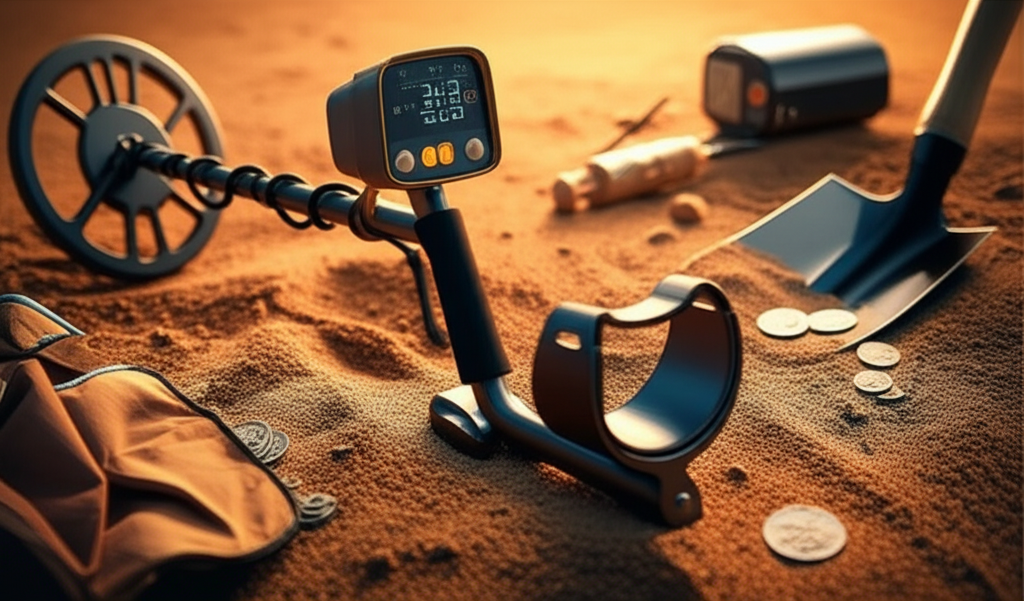
I’ve been detecting for many years. I’ve used countless metal detectors and accessories. Each outing teaches me something new. This experience helps me understand what works best. It’s not just about reading manuals. It’s about feeling the machine and the ground.
Understanding Different Terrains
Different places require different approaches. Beaches have wet sand and salt. Parks have iron trash and old coins. Woods can have iron relics and natural minerals. An expert knows how to adjust settings for each. This knowledge is crucial for finding good targets.
Knowing Your Equipment Inside and Out
A metal detector is more than just a box. It has many settings. Understanding discrimination, sensitivity, and ground balance is key. A true expert can fine-tune these. They know how different coils affect performance. They also know how pinpointers help locate targets.
Essential Metal Detecting Tools
To be a successful metal detectorist, you need the right gear. This goes beyond just the detector itself. These tools make your detecting easier and more productive.
The Metal Detector
This is your main tool. Detectors vary greatly. Some are simple, others complex. Beginners often start with all-around models. More advanced users might choose specialized detectors. Consider what you want to find.
The Pinpointer
A pinpointer is a small, handheld device. It helps you locate a target once you dig a plug. It makes finding small items in the dirt much faster. I consider a pinpointer essential for any detectorist. It saves a lot of time and frustration.
Digging Tools
You need tools to retrieve your finds. A sturdy digging trowel is a must. For deeper targets, a digging shovel might be needed. Some detectorists use specialized tools for plugs. Always choose tools that are durable and effective.
Headphones
Good headphones are important. They help you hear faint signals clearly. They also block out background noise. This allows you to focus on your detector’s sounds. Many detectors come with built-in speakers, but headphones offer a better experience.
Choosing Your First Metal Detector
Picking your first metal detector can be daunting. There are so many brands and models. I recommend starting with a user-friendly detector. It should be lightweight and easy to learn.
Key Features for Beginners
Look for detectors with a few basic settings. Automatic ground balance is very helpful. Simple target ID numbers are good. Adjustable sensitivity is also important. Avoid overly complicated machines at first. You can always upgrade later.
Budget Considerations
Metal detectors range in price. You don’t need the most expensive one to start. Many excellent entry-level detectors are available. Set a budget and stick to it. Remember to factor in the cost of accessories.
Brands to Consider
Popular brands include Garrett, Minelab, and Nokta Makro. Each offers good options for beginners. Do some research on specific models. Read reviews from other detectorists.
Advanced Metal Detecting Techniques
Once you master the basics, you can explore advanced methods. These techniques can help you find overlooked treasures. They require more practice and understanding.
Understanding Target ID Numbers
Most modern detectors show a target ID number. This number gives you an idea of what the target might be. Iron usually reads low, while coins read higher. However, target IDs can be misleading. They are affected by depth and nearby trash.
Using Different Search Coils
Coils are the part that sweeps the ground. Different coil sizes and shapes have advantages. Smaller coils are good for trashy areas. Larger coils cover more ground faster. Some coils are better for gold prospecting.
Analyzing Signals
Listening to the sound is as important as the visual display. Learn to distinguish good signals from bad ones. A repeatable signal is usually a good sign. A chattery or inconsistent signal often means trash. Practice makes perfect here.
Finding Hidden Treasures: Where to Look
The location is as important as your equipment. Some places are more likely to hold old items. Research is key to finding productive spots.
Public Parks and Playgrounds
These are popular spots for beginners. Many old coins and jewelry are lost here. Be aware of local laws and regulations. Always get permission if needed.
Old Home Sites and Farms
These locations can be goldmines for relics. Old houses and farms often have a long history. Look for signs of old structures. Be mindful of property boundaries.
Beaches and Waterways
Beaches are great for lost jewelry and coins. Saltwater environments can be challenging. Some detectors are waterproof. Always check local regulations for detecting near water.
Metal Detecting for Gold
Gold prospecting is a specialized form of metal detecting. It requires specific detectors and techniques. Gold is often found in different types of soil.
Gold Prospecting Detectors
These detectors are designed to find small gold nuggets. They often operate at higher frequencies. They are also good at handling mineralized ground. Brands like Minelab have excellent gold detectors.
Understanding Ground Mineralization
Many gold-bearing areas have mineralized soil. This can interfere with standard detectors. Gold detectors are built to overcome this. Learning to adjust your detector for mineralization is crucial.
Common Gold Locations
Look for areas where gold has been found historically. Riverbeds, old mining claims, and certain geological formations are good places to start. Research local geology and mining history.
Maintaining Your Metal Detector
Proper care will extend the life of your detector. It ensures it performs at its best. Cleaning and storage are very important.
Cleaning After Each Use
Always clean your detector after a hunt. Wipe down the control box and shaft. Clean the coil carefully. Remove dirt and debris. This prevents corrosion and damage.
Storing Your Detector
Store your detector in a dry, safe place. Avoid extreme temperatures. A protective cover or case is recommended. This keeps it safe from dust and bumps.
Battery Care
Follow the manufacturer’s instructions for batteries. Rechargeable batteries are convenient. Ensure they are charged before you go detecting. Store spare batteries properly.
Common Metal Detecting Mistakes to Avoid
Even experienced detectorists make mistakes. Learning from them can save you time and frustration. Here are some common pitfalls.
Ignoring Faint Signals
Sometimes the best targets give faint signals. Don’t dismiss them too quickly. If a signal is repeatable, investigate it. You might be surprised by what you find.
Digging Too Aggressively
Be careful when you dig. Avoid damaging targets or the environment. Use proper digging techniques. Always fill in your holes neatly. Leave the area as you found it.
Not Researching Locations
Simply swinging your detector randomly is inefficient. Researching the history of an area can pay off. Old maps and local records can reveal promising spots.
The Metal Detector Expert’s Mindset
Being a metal detector expert is about more than just gear. It’s about patience, persistence, and a love for history. It’s about understanding the stories hidden beneath the ground.
Patience is Key
Finding treasures takes time. You won’t find something amazing on every outing. Enjoy the process of searching. Every outing is a learning experience.
Respect for the Past
We are uncovering pieces of history. Treat every find with respect. Document your finds. Learn about their significance.
Continuous Learning
The world of metal detecting is always evolving. New detectors and techniques emerge. Stay curious and keep learning. Attend club meetings or online forums.
Frequently Asked Questions About Metal Detecting
Q1: What is the best metal detector for a beginner?
A good beginner detector is easy to use and affordable. Models like the Garrett Ace 300 or Nokta Makro Simplex+ are popular choices. They offer good features without being too complex.
Q2: Do I need a license to metal detect?
It depends on where you live and where you detect. Public parks and historical sites often have specific rules. Always check local laws and regulations before detecting. It’s important to be legal and ethical.
Q3: How deep can a metal detector find things?
The depth depends on the detector, the coil size, and the target size. Larger coils and larger targets can be detected deeper. Most hobby detectors can find items several inches to a foot deep. Specialized detectors can go much deeper.
Q4: What is discrimination in metal detecting?
Discrimination is a setting that tells your detector to ignore certain types of metal. You can set it to ignore iron trash, for example. This helps you focus on more desirable targets like coins.
Q5: Should I dig up all my targets?
It’s generally recommended to investigate most signals. However, you’ll learn to identify trash signals over time. Always dig responsibly and fill your holes. Respect the environment and property.
Q6: What is the most valuable thing ever found with a metal detector?
Many incredibly valuable items have been found. These include ancient hoards of coins, historical artifacts, and lost jewelry. The value is often monetary, but also historical.
Conclusion: Your Journey as a Metal Detector Expert
Metal detecting is a rewarding hobby. It connects you with history and the outdoors. By understanding your tools and techniques, you can uncover amazing hidden treasures. Remember to be patient, persistent, and respectful. As a metal detector expert, your journey is one of continuous discovery. Happy hunting!