Published on: November 5, 2025 | Updated on: November 5, 2025
Metal Detector for Food Processing: Essential Breakthroughs
Metal detectors for food processing are crucial for ensuring product safety by detecting contaminants like metal fragments, preventing costly recalls and protecting consumers. These specialized devices offer advanced detection capabilities essential for maintaining high standards in food production lines.
Metal detectors are vital in the food industry. They help find small metal pieces in food. This keeps food safe for everyone to eat. Without them, metal could end up in our meals. This article will guide you through the important advances in these machines. We will explore how they work and why they are so important for food safety.
Why Food Processing Needs Metal Detectors
Food processing plants make food for us to eat. Sometimes, small metal bits can get into the food. This can happen from machines or tools. These metal bits are dangerous for people. They can hurt your teeth or stomach. Metal detectors are like a safety guard for food. They scan the food and find any metal. This stops unsafe food from reaching stores and homes. It is a key step to ensure quality and safety for consumers.
The Evolution of Metal Detection Technology
Early metal detectors were simple. They could only find large metal objects. Modern detectors are much smarter. They use advanced digital technology. This allows them to find very small metal pieces. They can even tell the difference between different types of metal. This makes them much more effective at keeping food safe. The technology has grown a lot over the years. It helps food companies do a better job.
Types of Metal Detectors Used in Food Processing
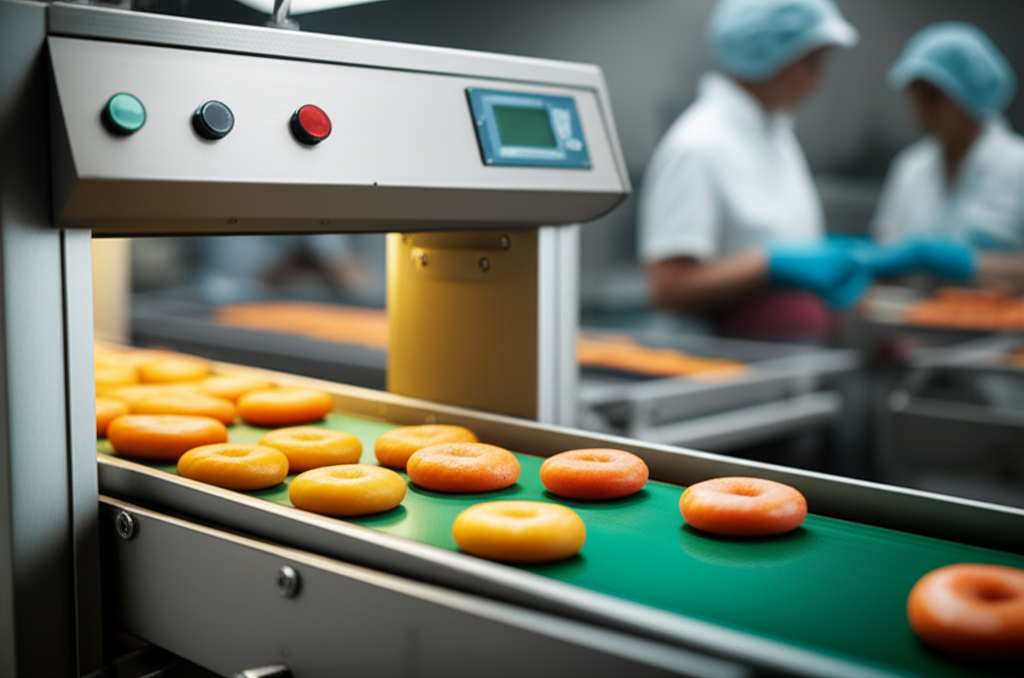
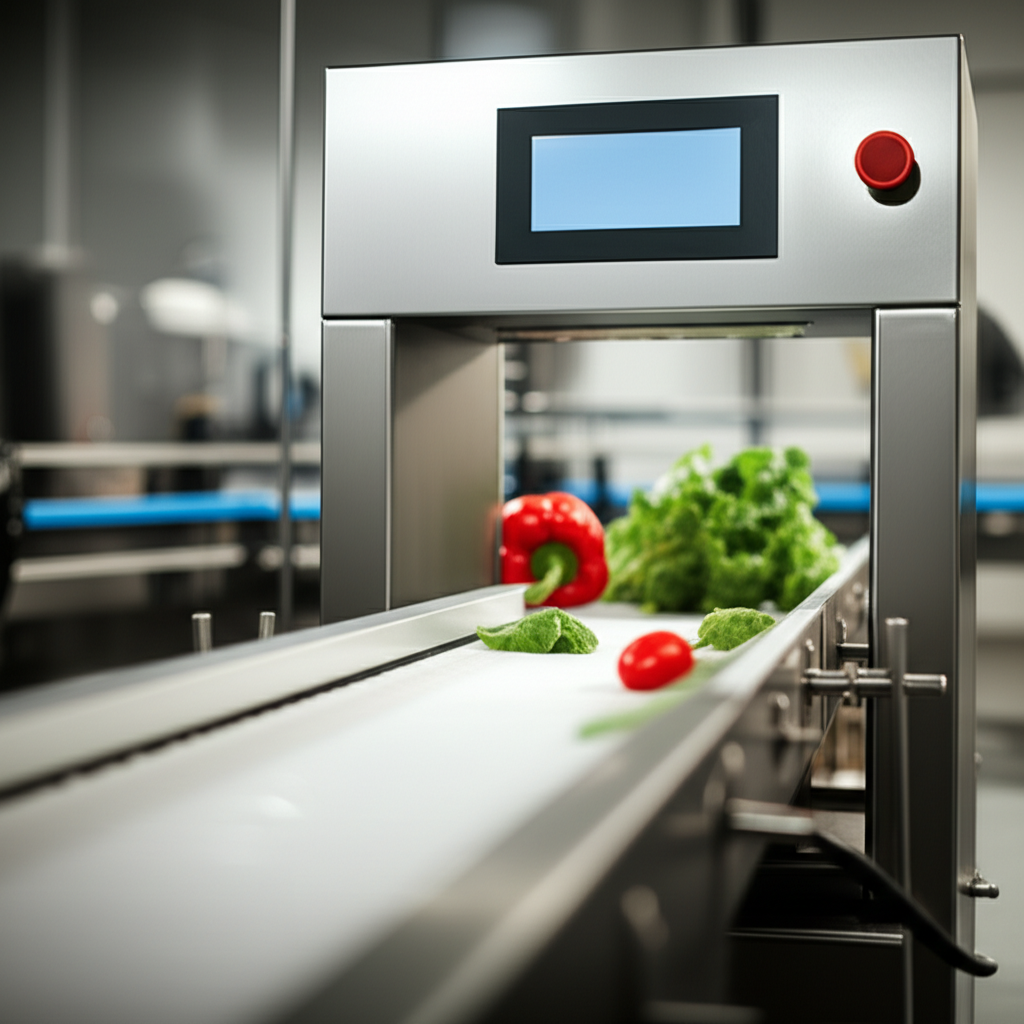
There are a few main types of metal detectors. Conveyor belt detectors are common. Food passes through a tunnel on a belt. The detector scans the food as it moves. Gravity-feed detectors are used for powders or grains. These fall through a chute, and the detector scans them. Pipeline detectors are for liquid or semi-liquid foods. They are installed in pipes. Each type is designed for specific food products and stages.
Key Features of Modern Food Processing Metal Detectors
Today’s metal detectors have many useful features. They are very sensitive. This means they can find tiny metal fragments. They can ignore false signals from things like salt. Many have automatic rejection systems. If metal is found, the food is automatically removed from the line. They are also easy to use and clean. This is important in food plants. Some can connect to computers to track data.
How Metal Detectors Ensure Food Safety Compliance
Food safety is a big deal. Rules and laws exist to keep food safe. Metal detectors help companies follow these rules. They provide proof that metal contaminants are being checked. This helps pass inspections. It shows customers that the company cares about safety. Using these detectors is often a requirement. It is a smart way to avoid problems. It builds trust with consumers.
Detecting Various Metal Types: Ferrous, Non-Ferrous, and Stainless Steel
Metal detectors need to find different kinds of metal. Ferrous metals are magnetic, like iron. Non-ferrous metals are not magnetic, like aluminum or copper. Stainless steel is tricky because it is often not magnetic but can still be a contaminant. Good detectors can find all these types. They use different frequencies to do this. This makes them versatile for many food products.
Integration with Production Lines: Challenges and Solutions
Putting a metal detector into a food line can be challenging. The detector must fit the space. It needs to work with the speed of the line. Sometimes, other equipment can cause interference. Engineers solve this by careful placement. They also use special shielding. The detector needs to be easy to access for cleaning and maintenance. This ensures it works well all the time.
The Role of Metal Detectors in Preventing Product Recalls
Product recalls are very bad for food companies. They cost a lot of money. They also damage the company’s reputation. Finding metal before it gets to consumers stops recalls. Metal detectors are a proactive tool. They catch problems early. This saves companies from big losses. It protects the public from harm. This is one of their most important jobs.
Innovations in Sensitivity and Specificity
New detectors are getting much better. They can find even smaller metal pieces than before. They are also better at telling real metal from other signals. This means fewer false alarms. Some new systems can even identify the type of metal. This helps find the source of the contamination. These improvements make them more reliable. They are a key part of modern food quality control.
Choosing the Right Metal Detector for Your Food Processing Needs
Selecting the best detector depends on your food. What kind of food do you make? Is it dry, wet, or in a package? How fast is your production line? What size metal do you need to detect? Consider the detector’s size and how easy it is to clean. Look at features like data logging and automatic rejection. Talking to a supplier can help you choose the right one.
Future Trends in Food Metal Detection Technology
The future looks exciting for these detectors. We might see even smaller detectors. They could become smarter, using AI to learn and adapt. Integration with other inspection systems, like X-rays, will improve. Wireless technology could make them easier to manage. The goal is always better safety and less waste. These advancements will keep food safe for everyone.
Frequently Asked Questions
What is the most common type of metal found in food?
The most common metals are usually from machine parts, like screws or wires. This includes steel and aluminum.
Can metal detectors find plastic or glass?
No, standard metal detectors only find metal. Other machines, like X-ray detectors, are used for plastic and glass.
How often should a metal detector be tested?
It is best to test them daily. This ensures they are working correctly. Test records should be kept.
What is a “false positive” in metal detection?
A false positive happens when the detector signals metal, but there is none. This can be caused by vibrations or product variations.
How does the product affect metal detection?
Product characteristics like salt content, moisture, or temperature can affect detection. Some detectors have settings to adjust for these.
What is the difference between a metal detector and a metal separator?
A metal detector finds metal and can trigger a rejection system. A metal separator uses magnets or other forces to physically remove detected metal.
Conclusion: Securing the Food Supply with Advanced Detection
Metal detectors for food processing are more than just equipment; they are essential guardians of public health. They have evolved significantly, offering unparalleled sensitivity and reliability. By understanding the types of detectors and their capabilities, food processors can make informed choices. Investing in the right metal detection technology is crucial for preventing contamination, avoiding costly recalls, and maintaining consumer trust. These breakthroughs ensure the food we eat is safe, from farm to table.